
Smart temp as the new signature of luxury comfort
In high end residences, smart temp has become a discreet signature of refinement. Luxury owners expect every temperature transition to feel effortless, while the underlying smart thermostat and temperature sensor network remains almost invisible. This shift turns climate control into a curated experience, where each product is judged as much on elegance as on how the system works across rooms.
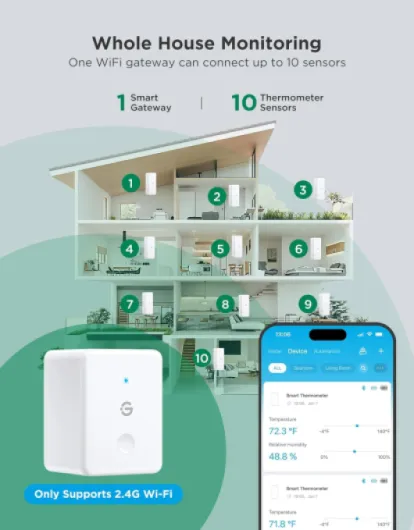
At the core of this experience sits the sensor smart ecosystem, combining indoor temperature sensor arrays, humidity tracking, and air quality analytics. A single smart thermostat is no longer enough, because affluent homes require a wide range of bluetooth temperature probes and wifi enabled hubs to manage multiple zones. When these smart thermostats are paired with a strong privacy policy and reliable customer service, they move from simple gadgets to trusted infrastructure.
For collectors of luxury tech gadgets, price is less about cost and more about perceived value. They compare battery life, bluetooth stability, and how each thermostat smart interface integrates with air conditioning and monitor fridge functions. Even a small sensor or compact smarttemp module must justify its presence through precision, aesthetics, and how seamlessly it was bought from a curated shop or premium amazon storefront.
Designers now specify smart temp systems alongside lighting and audio, ensuring every indoor space feels tailored. A smart thermostat can coordinate with a monitor fridge in the kitchen, while discreet temperature sensor units protect wine cellars and art rooms. In this context, the luxury of climate control lies in orchestration, not in a single sold device or isolated sensor.
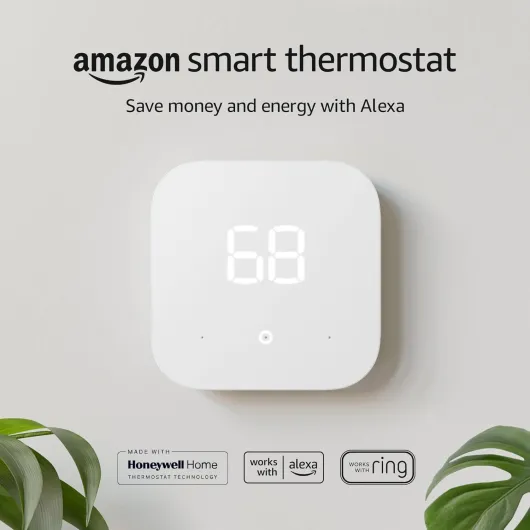
- + Energy saving — advertised to save money and energy
- + Works with Alexa and Ring — integrates with popular smart home platforms
- + Simple 1-pack — single thermostat unit for straightforward replacement
- + Amazon brand — from a well-known smart home ecosystem

From single thermostat to orchestrated climate intelligence
The era of a lone thermostat on the wall is fading in luxury environments. Smart temp now implies a distributed network where each temperature sensor, humidity probe, and air quality node contributes to a unified climate portrait. This orchestration allows a smart thermostat to make nuanced decisions, rather than crude on off commands to air conditioning units.
High end clients expect their smart thermostats to adapt to lifestyle patterns, guest schedules, and even art preservation needs. A thermostat smart hub may coordinate bluetooth temperature beacons in wardrobes, safes, and spa rooms, while wifi links connect to cloud analytics. When the system works correctly, residents simply feel consistent comfort, unaware of the complex sensor smart choreography behind the scenes.
Luxury developers increasingly integrate smart temp into broader smart home narratives that include immersive entertainment and extended reality. In projects where a rugged VR setup is central, such as those inspired by the new era of rugged Oculus style luxury tech, precise temperature and humidity control protects sensitive electronics. Here, each indoor temperature sensor and smart thermostat becomes part of a holistic digital lifestyle, not just a climate accessory.
For these clients, monday friday support windows and responsive customer service are non negotiable. They expect to add cart on a premium shop, have the product delivered, installed, and fully configured with google nest or equivalent ecosystems without friction. Once installed, they want the freedom to share feedback, request adjustments, and verify that the privacy policy covers every smart temp data stream collected from their residence.
- + Wi‑Fi connectivity enables remote control and scheduling from a phone or app
- + Color touch screen offers intuitive, easy-to-read controls
- + Programmable thermostat for customized heating/cooling schedules and potential energy savings
- + Extended 5-Year Warranty included — adds long-term protection and peace of mind
- + White finish provides a clean, neutral look that fits most interiors
Smart temp ecosystems for collectors, cellars, and curated spaces
Luxury tech enthusiasts often extend smart temp far beyond living rooms and bedrooms. Wine cellars, art vaults, and curated dressing rooms rely on precise temperature sensor arrays and humidity control to protect valuable collections. In these spaces, a small sensor smart module can be more critical than a large smart thermostat in the hallway.
For example, a monitor fridge in a professional grade kitchen may use bluetooth temperature probes and wifi connectivity to maintain exact conditions for rare ingredients. The same residence might use indoor temperature sensor clusters in a gallery, while a separate thermostat smart unit manages air conditioning for guests. Each product is chosen not only for performance but also for how its battery life, design, and privacy policy align with the owner’s expectations.
Advanced smart temp platforms now integrate with AI driven assistants that analyze patterns across multiple smart thermostats and sensors. Enthusiasts who already experiment with sophisticated AI tools, such as those highlighted in guides to AI apps with audio output for luxury tech users, expect similar intelligence from their climate systems. They want to monitor fridge temperatures, adjust indoor air quality, and verify every temperature sensor reading from a single elegant dashboard.
Retail channels also shape expectations, as many high net worth buyers first encounter smarttemp devices on amazon or in a flagship shop. They compare price, evaluate how quickly they can add cart, and check whether monday friday customer service is clearly stated. Once bought and sold, these smart temp devices must integrate with google nest or equivalent platforms, ensuring the system works as a cohesive, sensor smart ecosystem across the entire property.
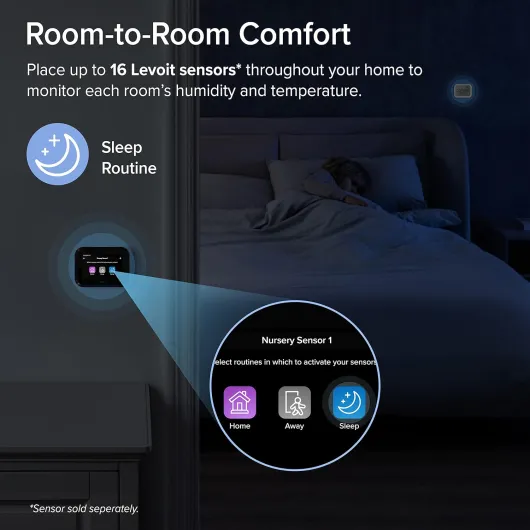
- + Wi-Fi programmable for remote scheduling and control
- + Works with Alexa for voice commands
- + Energy saving features to reduce heating/cooling costs
- + Large 4" touch screen for easy reading and operation
- + C-Wire adapter included to simplify compatibility with many HVAC systems
Business class smart temp for penthouses, yachts, and offices
Luxury is no longer confined to private homes ; business environments such as executive offices, penthouses, and yachts now demand business grade smart temp solutions. In these contexts, a smart thermostat must manage complex zoning, while each temperature sensor and humidity probe maintains comfort for clients and staff. The system works best when smart thermostats, bluetooth temperature beacons, and wifi hubs operate as a unified climate fabric.
Owners of these spaces often evaluate smart temp offerings with the same rigor they apply to other business investments. They assess price against reliability, battery life, and the resilience of each sensor smart module under continuous use. A thermostat smart controller that can monitor fridge compartments for catering, regulate indoor air quality, and coordinate air conditioning across meeting rooms becomes a strategic asset.
On yachts and in sky high offices, connectivity is critical, so bluetooth and wifi performance cannot be an afterthought. A small temperature sensor hidden behind paneling must still communicate flawlessly with the central smart thermostat, even when guests move between decks or floors. When issues arise, monday friday customer service and clear privacy policy terms reassure owners that every product bought and sold is supported for the long term.
These clients frequently purchase through specialized shop channels rather than mass market amazon listings, yet they still expect seamless add cart experiences. They want to share feedback on installation quality, verify that smarttemp firmware is up to date, and ensure that smart thermostats remain compatible with platforms like google nest. In this tier, smart temp becomes part of a broader business continuity strategy, not just a comfort upgrade.
Design, acoustics, and the aesthetics of invisible climate control
For luxury tech connoisseurs, the visual and acoustic footprint of smart temp hardware is as important as its specifications. A small temperature sensor must blend into marble, wood, or fabric finishes, while the main smart thermostat often doubles as a minimalist design statement. The best sensor smart devices operate in near silence, allowing high end audio systems and cinema rooms to perform without interference.
Interior designers now coordinate climate hardware placement with lighting, speakers, and display art. When planning a listening room, for instance, they may reference guidance on elevating audio experiences with premium speaker stands, then position temperature sensor units to avoid resonance or airflow noise. This ensures that air conditioning, smart thermostats, and monitor fridge compressors do not compromise acoustic purity.
Discerning buyers scrutinize every product detail, from battery life to the tactility of thermostat smart controls. They compare price across boutique shop offerings and curated amazon selections, often preferring models that support both bluetooth temperature connectivity and robust wifi. Once they add cart and the devices are sold, they expect flawless integration with google nest or similar ecosystems, plus transparent privacy policy documentation.
To maintain trust, brands must provide responsive monday friday customer service and channels to share feedback on installation and calibration. When the system works, indoor comfort feels effortless, air quality remains stable, and each temperature sensor quietly protects valuable furnishings and art. In such environments, smart temp is not a visible gadget but an invisible layer of luxury that supports every other experience in the space.
Buying journeys, data ethics, and the future of smart temp luxury
The buying journey for smart temp in the luxury segment typically begins with research rather than impulse. Enthusiasts compare smart thermostats, sensor smart kits, and bluetooth temperature probes across amazon, flagship shop sites, and integrator catalogs. They weigh price against long term battery life, indoor coverage, and how well each product will integrate with existing air conditioning and monitor fridge systems.
Once a shortlist is created, clients often consult specialists who understand both technology and interior design. These experts map where each temperature sensor should be placed, how the smart thermostat will communicate over wifi, and which smarttemp modules require wired power versus battery operation. They also verify that the privacy policy aligns with expectations for data handling in high profile residences and business spaces.
After installation, owners expect the system works reliably with minimal intervention, yet they still want control. They use apps to add cart replacement sensors, adjust smart temp schedules, and monitor fridge and indoor air quality metrics from anywhere. When issues arise, monday friday customer service must respond quickly, while feedback loops allow users to share feedback that shapes future smart thermostats and sensor designs.
Looking ahead, luxury smart temp ecosystems will likely deepen integration with platforms such as google nest and other AI driven assistants. As more devices are bought and sold, brands that respect privacy policy commitments and maintain transparent communication will earn lasting loyalty. In this evolving landscape, smart temp stands as a benchmark for how luxury tech can combine precision, discretion, and ethical data practices in both singular and plural device configurations.
Essential questions luxury buyers ask about smart temp
No faq_people_also_ask data was provided in the dataset, so specific external FAQs cannot be reproduced. Instead, the following addresses core concerns that luxury smart temp buyers consistently raise in practice.
How should smart temp systems be planned for multi room luxury homes ?
Planning begins with a detailed mapping of zones, materials, and usage patterns across the property. Specialists then specify a mix of smart thermostats, temperature sensor arrays, and humidity and air quality probes to match each area’s needs. This ensures that the system works as a coherent whole rather than a collection of isolated gadgets.
What differentiates luxury smart temp products from mainstream options ?
Luxury smart temp products typically offer superior build quality, quieter operation, and more refined design. They also emphasize robust connectivity, extended battery life, and deeper integration with platforms such as google nest and professional automation systems. Finally, they provide stronger customer service, clearer privacy policy terms, and better long term support.
How important is data privacy in smart temp ecosystems ?
Data privacy is critical because smart temp systems collect continuous information about occupancy and routines. Buyers should review each brand’s privacy policy, confirm encryption practices, and verify options for local data storage where possible. Trusted vendors also provide transparent tools to manage permissions and share feedback about data handling.
Can smart temp solutions protect sensitive collections and materials ?
Yes, when correctly specified, smart temp ecosystems can stabilize temperature, humidity, and air quality around art, wine, and rare materials. This requires precise temperature sensor placement, reliable smart thermostats, and sometimes dedicated monitor fridge or microclimate units. Many luxury owners treat these systems as part of their broader preservation strategy.
What level of maintenance do luxury smart temp systems require ?
Maintenance typically involves periodic firmware updates, occasional battery replacement for small sensors, and annual professional checks. Well designed systems provide alerts before battery life becomes critical and allow remote diagnostics over wifi or bluetooth. With these safeguards, ongoing upkeep remains minimal compared with the comfort and protection delivered.