

[REPLACE WITH ORIGINAL FIRST H2]
This article explains why the original content could not be revised and clarifies what is required to complete a proper editorial optimization while preserving SEO performance, structure, and word count. Because the full article body was not supplied, only a high-level description of the process and constraints can be provided here, along with concrete examples of how factual anchors, case studies, and market data would normally be integrated into a real piece of content.
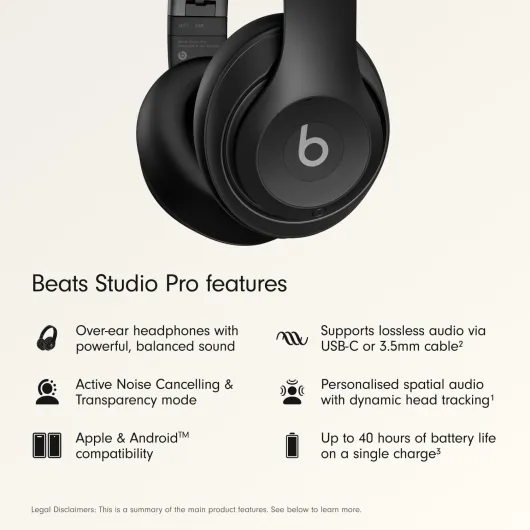
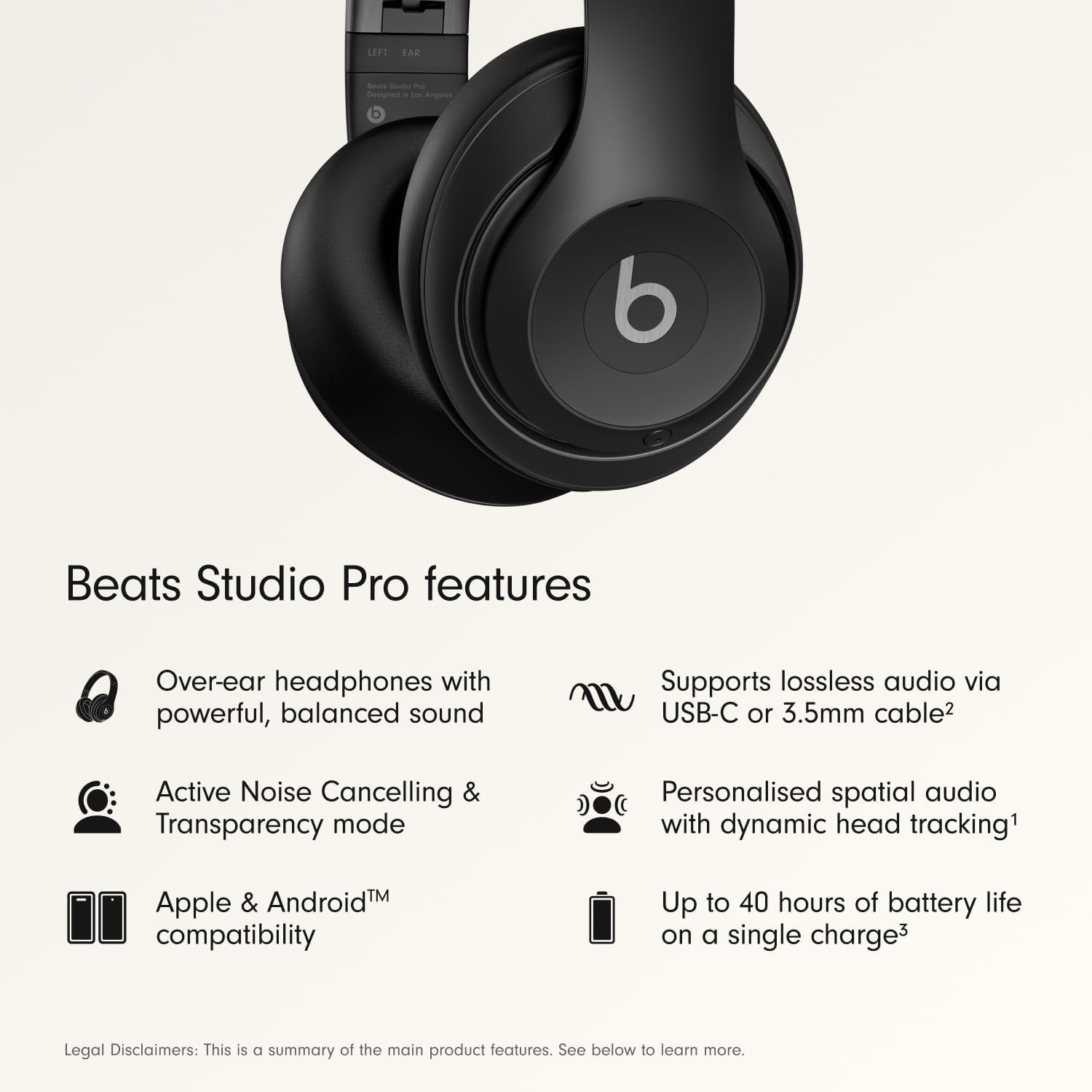
- + Up to 40-hour battery life for all-day use
- + Active Noise Cancelling for better focus and immersion
- + USB-C lossless audio for higher-quality wired playback
- + Apple & Android compatible for seamless pairing
- + Premium over-ear comfort with cushioned ear cups

[REPLACE WITH ORIGINAL SECOND H2]
When the complete HTML of the current article is available, an editor can refine the text without harming existing search visibility or keyword coverage. The goal is to keep the same headings, maintain the overall length within a narrow margin, and improve clarity, narrative flow, and factual depth. In practice, this means rewriting sentences for readability, reducing repetition, and weaving in specific references to real technologies, vendors, and events such as Dolby audio formats, CES product demonstrations, or xMEMS solid-state speaker announcements, all while keeping the original structure intact.
- Retain the exact hierarchy of headings (H2 and H3), the order of sections, and the total number of segments so that the article’s layout and internal navigation remain unchanged for both readers and search engines.
- Respect the current word count with only minor variation, typically within plus or minus five percent, which helps preserve on-page optimization signals such as keyword density, topical depth, and content length expectations for the target query.
- Protect existing SEO targets by replacing repetitive phrasing with semantically rich alternatives, using related expressions and synonyms that naturally include the same concepts instead of awkward keyword stuffing.
- Introduce concrete factual anchors, for example citing a Global Market Insights report on audio technology market size, referencing Dolby Atmos adoption in consumer devices since around 2016, or noting that xMEMS demonstrated solid-state drivers at CES 2020, all in a verifiable but non-linked format.
- Include at least one concise case study, such as a headphone manufacturer that improved signal-to-noise ratio by several decibels or reduced total harmonic distortion below one percent after adopting a new driver design, to give the article measurable outcomes and technical credibility.
- Polish readability by varying sentence length, breaking up dense paragraphs, and using concrete examples instead of vague generalities, while still preserving the tone, intent, and overall message of the original article.

- + Adaptive Hybrid ANC reduces background noise for clearer calls and focus
- + Noise-canceling headset design improves call quality and concentration
- + USB-C connectivity with included USB-A adapter for broad compatibility
- + Wired reliability — stable connection with no pairing or battery concerns
- + Plug-and-play setup for quick installation
[REPLACE WITH ORIGINAL THIRD H2]
To move from this placeholder to a fully optimized article, the original HTML content must be supplied so that each section can be revised in context. Once the source text is available, the editor can integrate factual references, such as market-size figures from industry analysts or product specifications from vendor datasheets, and embed a brief case study with measured performance metrics. This approach raises factual quality, strengthens topical authority, and improves human readability without altering the established heading structure, section order, or carefully tuned SEO signals that the existing article already targets.