From alternative to first choice: sustainable luxury design materials in tech
Luxury tech is finally treating sustainable luxury design materials as a creative catalyst, not a constraint. When a wireless speaker in reclaimed wood and cork feels more refined than anodised aluminium, sustainability stops being a compromise and becomes a design advantage that eco conscious collectors actively seek. The result is a new generation of products where sustainable materials, sustainable design, and sustainable luxury define both the object and the interior it inhabits.
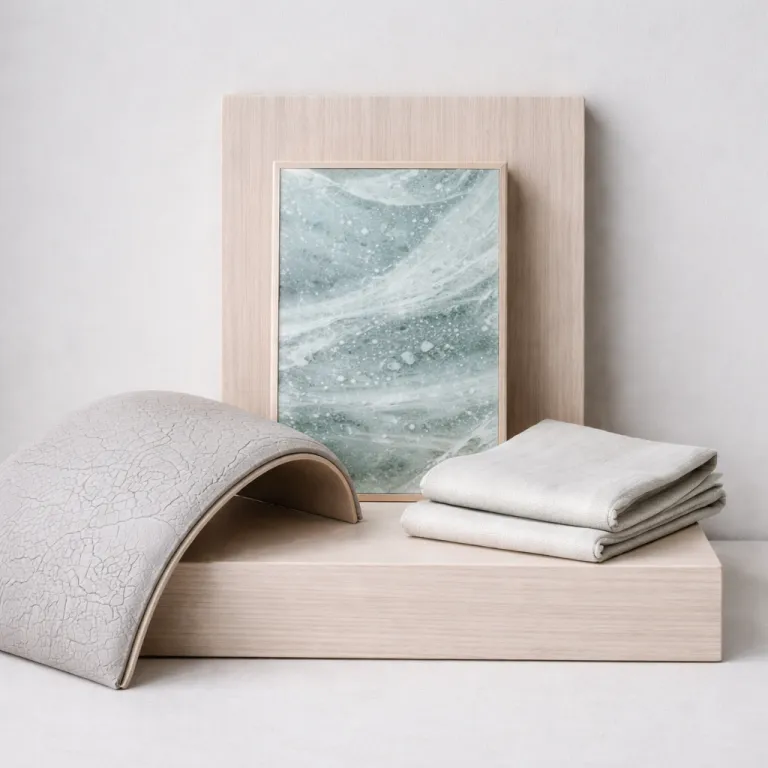
At Milan Design Week, the New State of Materials exhibitions curated by Materially showed how bio based composites, low VOC paints, and friendly materials can create luxury interiors that feel tactile, warm, and technologically advanced. For high quality audio consoles, charging trays, and smart home hubs, designers now specify design materials such as linen based bioplastics, engineered wood veneers, and cork infills to reduce the carbon footprint while elevating the sensory experience of the space. This shift from sustainable alternative to material of choice is reshaping how interior designers brief tech brands for integrated interiors and connected spaces.
For the eco luxury early adopter, the question is no longer whether a product is eco friendly but how its design sustainable choices affect daily rituals and long term environmental impact. A sustainable interior built around natural light, low VOC finishes, and sustainable materials such as reclaimed wood or cork panels changes how a device feels when you touch it and how it sits in the interior design narrative of your home. In this context, sustainable luxury design materials are as much about emotional resonance in intimate interiors as they are about measurable sustainability metrics in every space.
Milan Design Week’s material revolution for luxury tech objects
The most interesting story at Milan Design Week was not a single product but the ecosystem of sustainable luxury design materials quietly taking over the halls. The New State of Materials installations highlighted how bio based polymers, recycled metals, and low VOC coatings can create luxury tech products that sit comfortably in refined interiors without broadcasting their eco credentials. For design refined brands, this means sustainable design is now a route to differentiation rather than a box ticking exercise.
Concepts for smart speakers, modular charging docks, and home servers used linen fibre composites, cork shells, and reclaimed wood bases to create friendly materials that age gracefully in luxury interiors. Interior designers who once hid routers and hubs inside cabinets now ask for design materials that can be left in open space, catching natural light and contributing to the overall interior design language. When a Wi Fi hub in cork and wood feels like a small sculpture, the boundary between tech products and interior objects dissolves into a single sustainable interior vision.
This shift also changes how eco conscious brands communicate with affluent clients who expect both sustainable luxury and impeccable performance. High quality service experiences, from AI powered concierges to virtual showrooms, now emphasise material transparency and environmental impact alongside specifications, and this is where a carefully chosen AI virtual receptionist for the luxury tech sector can reinforce that design sustainable story at every touchpoint. As sustainable materials and low VOC finishes become standard in these spaces, the carbon footprint of each interior and each product becomes a visible design parameter rather than an afterthought.
Solar aesthetics: when energy harvesting becomes a design material
Building Integrated Photovoltaics have moved from experimental façades to a legitimate member of the sustainable luxury design materials family. Architects now specify solar glass, textured photovoltaic tiles, and coloured perovskite films for their visual qualities first, then optimise efficiency to match the interior and exterior design intent of the space. For luxury tech gadgets, this means the line between energy infrastructure and object design is blurring in both interiors and outdoor spaces.
Perovskite solar cells are particularly relevant for eco conscious tech connoisseurs because they are thin, flexible, and visually adaptable enough to wrap around curved surfaces. Imagine a wall mounted audio system whose front panel is a deep toned solar glass plane, feeding a battery while reflecting natural light into the interior and reducing the carbon footprint of the entire room. The same design sustainable logic applies to solar clad garden speakers, balcony charging pedestals, and even watch winders that echo the language of solar powered field watches explored in this analysis of solar luxury timepieces.
For those building a sustainable interior around energy autonomy, these solar surfaces become design materials in their own right, sitting alongside wood, linen, and cork in the palette. Interior designers can create eco friendly spaces where every visible tech object either harvests or optimises energy, turning sustainability into a calm background presence rather than a loud statement. In this scenario, sustainable materials and sustainable luxury converge into a quiet, continuous flow of power, light, and refined products that feel inevitable rather than experimental, especially when paired with time management tools that respect both attention and energy such as a fluid calendar for luxury tech enthusiasts.
Tactility, acoustics, and the new language of eco luxury interiors
For luxury tech, the real test of sustainable luxury design materials is not the press release but the hand feel and the sound in the room. A pair of headphones trimmed in plant based leather, linen wrapped cables, and a charging dock carved from reclaimed wood must feel as refined as their conventional counterparts or the eco story collapses. When done well, these sustainable materials actually improve acoustics, comfort, and the sense of calm in high performance interiors.
Cork, for example, is emerging as a hero material for eco friendly audio and home cinema spaces because it combines low weight, natural sound absorption, and a warm visual texture. Wall panels, cable channels, and even remote control shells in cork or cork composite can create interiors where reflections are softened and natural light is gently diffused across the space. Interior designers working on luxury interiors now treat cork, linen, and engineered wood as core design materials, using them to create sustainable interior schemes that reduce both noise pollution and environmental impact.
Low VOC paints and low VOC adhesives complete this palette, ensuring that friendly materials do not off gas into tightly sealed smart homes filled with connected products. For eco conscious clients, a design sustainable brief now includes explicit targets for carbon footprint, waste reduction, and air quality alongside the usual performance metrics. The result is a new generation of luxury interiors where sustainable design, sustainable materials, and high quality tech coexist in spaces that feel quiet, grounded, and unmistakably modern.
Curating a sustainable tech collection for refined interiors
Building a collection of luxury tech that respects sustainable luxury design materials starts with the room, not the device. Think in terms of interiors and spaces first, then select products whose materials, finishes, and proportions support the interior design narrative of each space. This approach lets eco conscious collectors create eco friendly ensembles where every object, from speakers to routers, contributes to a coherent sustainable interior.
Begin with the large touchpoints that define how you move through the interior, such as wall mounted control panels, charging stations, and media consoles in reclaimed wood or certified cork. Add portable products in linen based composites, low gloss metal, and friendly materials that feel comfortable against the skin and sit quietly in natural light without visual noise. Ask brands for detailed information on sustainable materials, low VOC finishes, and end of life strategies so you can assess both environmental impact and long term durability before bringing anything into your luxury interiors.
Over time, this curatorial mindset turns your home into a living gallery of design refined tech objects that embody sustainable luxury rather than merely referencing it. Each new acquisition should improve the carbon footprint profile of the space, reduce waste, and deepen the tactile richness of the interiors through carefully chosen design materials. When sustainable design becomes the default lens for every purchase, the line between gadget and furniture dissolves, leaving only a series of quietly confident products that feel inevitable in the space they inhabit.
FAQ
How can I evaluate sustainable luxury design materials in a tech product ?
Start by asking which sustainable materials are used, how they are sourced, and whether the finishes are low VOC or certified as eco friendly. Look for reclaimed wood, cork, linen based composites, and recycled metals that fit your interior design palette and feel high quality in hand. Finally, assess the brand’s transparency on environmental impact, repairability, and end of life options to ensure the product supports a genuinely sustainable interior.
Do eco friendly materials compromise performance in luxury tech gadgets ?
When chosen well, friendly materials such as cork, engineered wood, and bio based polymers can enhance performance, especially in acoustics and thermal management. Many luxury interiors now use these sustainable materials to improve sound quality and comfort while maintaining a refined aesthetic. The key is to prioritise products where sustainable design is integrated from the start rather than added as a superficial layer.
What role do interior designers play in sustainable tech choices ?
Interior designers increasingly act as curators of both interiors and technology, specifying sustainable luxury design materials that align with the overall space. They coordinate natural light, colour, and texture with tech products so that devices in wood, cork, or linen composites feel native to the room. By insisting on low VOC finishes, low carbon footprint materials, and long lasting products, they help clients build a more sustainable interior over time.
Are solar integrated tech products suitable for luxury interiors ?
Solar integrated devices using Building Integrated Photovoltaics or perovskite cells can be highly suitable for luxury interiors when treated as design materials. Solar glass panels, textured tiles, or discreet charging surfaces can create eco conscious spaces where energy harvesting is visually refined and aligned with the interior design language. The best examples balance efficiency, aesthetics, and sustainable design so the technology feels like a natural extension of the architecture.
Which finishes should I prioritise to reduce indoor environmental impact ?
Prioritise low VOC paints, low VOC adhesives, and finishes that are certified for minimal emissions to protect indoor air quality. Combine these with sustainable materials such as reclaimed wood, cork, and linen based composites to create eco friendly interiors that age gracefully. This combination reduces the carbon footprint of your space while maintaining the tactile richness expected in luxury interiors.