

From couture to code in designer wearables
Designer wearables now sit at the intersection of fashion and technology. Luxury fashion brands treat every wearable device as a crafted object, where design decisions carry the same weight as fabric selection in haute couture. This shift means people wear smart devices as status symbols as much as for performance.
In this context, each wearable must balance elegant layout, advanced features, and discreet technology. The design process for a luxury wearable device often starts with the silhouette on the wrist, neck, or face, then moves inward to the tech. Engineers and designers keep in mind how users move through daily life, from boardrooms to private gyms, and how wearable tech should feel almost invisible.
High expectations around user experience push brands to refine every surface and interaction. Smart devices must deliver real time data without overwhelming users or compromising aesthetics. For luxury clients, wearable technology succeeds when the device quietly enhances health tracking, productivity, and style in equal measure.
Designing wearables that feel like jewelry, not gadgets
For luxury designer wearables, the primary question is not what the device can do, but how it feels on the skin. The design of these wearable devices borrows heavily from fine jewelry, with precious metals, ceramics, and custom leathers replacing generic plastics. When people wear such devices, they expect the same comfort and refinement as a mechanical watch or couture bracelet.
Wearable design teams therefore obsess over weight distribution, strap ergonomics, and clasp mechanisms. A smart wearable device that shifts on the wrist or pinches the skin will fail, even if its features and data are impressive. This is why many brands prototype multiple layouts, testing them with real users in controlled and daily life scenarios.
Luxury smart glasses illustrate this tension between fashion and function particularly well. The frames must hide cameras, microphones, and other smart devices while preserving a flattering line around the face. Even playful cultural references, such as a subtle puzzle inspired design detail, are carefully integrated so that technology never dominates the aesthetic.
Wearable tech, data, and the new language of luxury
Luxury wearable tech is no longer judged only by materials and craftsmanship. High net worth users now evaluate designer wearables by the quality of data they provide and how seamlessly that information fits into user experiences. Health tracking, sleep analysis, and performance metrics have become part of the new luxury vocabulary.
Fitness trackers in the premium segment illustrate this evolution clearly. A single wearable device may combine advanced sensors, refined design, and curated insights that arrive in real time rather than raw data streams. The best wearable technology translates complex measurements into calm, actionable guidance that respects the user’s time and attention.
Battery life is another silent but crucial luxury feature. Affluent users expect their smart devices to last through long workdays, flights, and evening events without constant charging. This is pushing fashion tech houses and technology partners to explore sustainable materials and energy efficient components, often in collaboration with specialized sustainability partners in luxury tech who align with brand values.
- + Practical: Offers actionable principles for designing wearable interfaces.
- + Future-proof: Considers both current and emerging devices.
- + Device-agnostic: Focuses on UX patterns that work across form factors.
- + User-centered: Emphasizes human needs, context, and interactions.
- + Comprehensive: Covers hardware constraints, interaction models, and testing.

Smart glasses and the discreet future of fashion tech
Among all designer wearables, smart glasses may be the most challenging to perfect. They sit at eye level, frame the face, and therefore dominate how people read a user’s style and personality. Any visible bulk from technology components risks breaking the illusion of effortless elegance.
Luxury brands working on smart glasses and related wearable devices must integrate cameras, speakers, and connectivity into ultra thin temples and bridges. The design process often involves close collaboration between eyewear artisans and tech engineers, who jointly refine the layout of each device. Their shared goal is to ensure that wearable tech enhances vision, audio, and notifications without drawing attention to itself.
For users, the promise of such devices lies in real time access to information that supports daily life, from navigation to subtle health tracking prompts. When executed well, these smart devices feel like natural extensions of existing eyewear rather than futuristic gadgets. This is where fashion tech proves its maturity, turning advanced technology into something that simply feels like well made glasses.
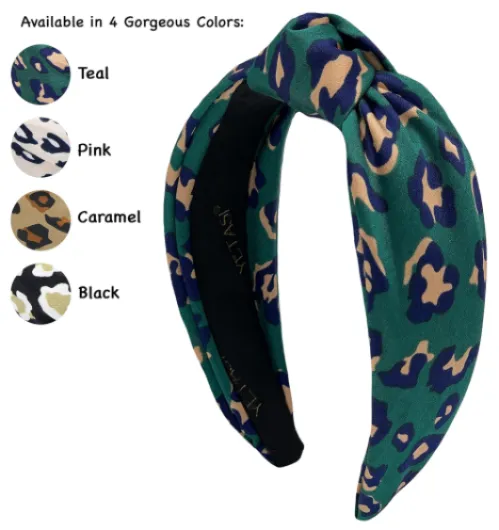
- + Stylish leopard-print satin finish
- + Comfortable for all-day wear
- + Knotted top-knot design adds a trendy, feminine look
- + Versatile colorway (green and blue) pairs with many outfits
- + Lightweight and gentle on hair, reduces breakage
User experience as the ultimate luxury in wearable design
In the luxury segment, user experience has become the ultimate differentiator for designer wearables. A beautiful wearable device that confuses users or buries essential features behind complex menus will quickly be abandoned. Brands therefore invest heavily in understanding how people wear and interact with their devices throughout the day.
Designing wearables for this audience means mapping every touchpoint, from unboxing to long term battery life performance. Interfaces must present data in a calm, legible layout that respects the user’s time and cognitive load. Subtle haptics, refined animations, and context aware notifications all contribute to user experiences that feel tailored rather than generic.
Many luxury houses now rely on advanced AI driven workflows to refine these interactions, using tools similar to those described in this analysis of how advanced AI techniques transform workflow optimization. For wearable tech, such methods help teams keep in mind real world behavior patterns and adjust features accordingly. The result is a generation of smart devices that feel intuitive, anticipatory, and aligned with the rhythms of sophisticated daily life.
Bridging fashion brands and technology in designer wearables
The most successful designer wearables emerge when fashion brands and technology companies operate as equal partners. Traditional maisons bring expertise in materials, proportions, and how people wear objects as expressions of identity. Tech specialists contribute deep knowledge of sensors, connectivity, and data processing that powers modern wearable technology.
During the design process, both sides must negotiate trade offs between aesthetics, durability, and performance. A thinner case may look elegant but limit battery life or reduce space for advanced health tracking components. Conversely, a feature rich wearable device risks feeling bulky unless wearable design teams find creative ways to distribute weight and refine the layout.
Wearable tech also forces brands to think beyond the initial sale toward long term user experiences. Software updates, new features, and evolving fitness trackers algorithms all shape how users perceive value over time. In this sense, designer wearables transform fashion tech from a seasonal purchase into an ongoing relationship between users, devices, and the brands that stand behind them.
How luxury wearable devices are reshaping daily life
As designer wearables mature, they are quietly reshaping expectations of daily life for affluent users. Smart devices now act as discreet companions that manage health tracking, communication, and productivity without demanding constant attention. People wear them to board meetings, private clubs, and wellness retreats, expecting seamless transitions between these contexts.
Wearable tech in this space emphasizes calm technology rather than constant alerts. Real time insights about stress, recovery, and movement arrive when they are most relevant, not simply when the device has data to share. This approach to wearable technology respects the high value users place on focus, privacy, and emotional well being.
Looking ahead, the most influential designer wearables will likely be those that feel less like gadgets and more like natural extensions of personal style. As fashion tech, smart glasses, and fitness trackers continue to converge, the line between jewelry, accessories, and devices will blur further. For luxury enthusiasts, the true measure of success will be how effortlessly these wearable devices integrate into a refined, intentional way of living.
Questions luxury enthusiasts often ask about designer wearables
No dataset provided for faq_people_also_ask, so specific verified FAQs cannot be listed. However, readers typically seek guidance on how to evaluate design quality, compare health tracking accuracy, understand battery life claims, assess data privacy practices, and align wearable tech choices with their personal fashion identity.