From jewellery to interfaces: how wearable tech with precious materials evolved
Wearable tech with precious materials has moved from novelty to serious luxury. Today a smart watch or connected ring can rival classic jewellery in craftsmanship, while integrating advanced health and fitness tracking that once belonged only in clinics. This fusion of wearable technology and high jewellery reshapes expectations for every luxury piece on the wrist or finger.
Early wearable devices focused on basic tech features, but luxury brands quickly saw potential in precious metals and sapphire crystal. A stainless steel case gave way to polished gold, then to gold diamonds set around a smart watch bezel for clients who wanted both status and smart functionality. These watches and rings now combine style with smart sensors that monitor heart rate, blood pressure and broader health fitness metrics.
Traditional watch maisons entered wearable technology cautiously, yet the shift is now unmistakable. The tag heuer connected calibre and the heuer connected big bang collaborations showed how a connected calibre could sit inside a case finished like haute horlogerie, with precious materials framing every pixel. In parallel, the apple watch line introduced editions in gold and stainless steel, proving that a smart watch could be treated as jewellery and not just tech. Luxury clients now expect each wearable to be a refined piece, with smart jewellery aesthetics and advanced health tracking in equal measure.
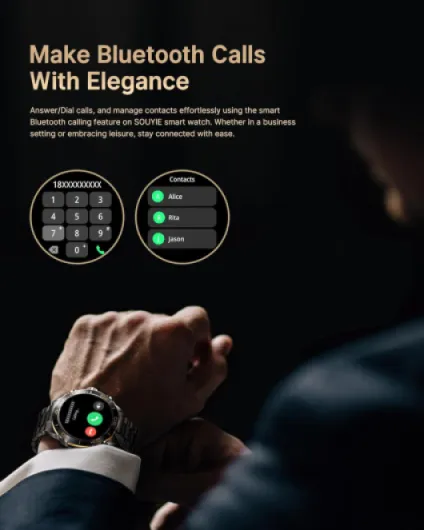
- + 1.43-inch AMOLED HD display for crisp visuals
- + Call support (answer/make calls) compatible with Android and iPhone
- + 400mAh battery for extended usage
- + Comprehensive health tracking: heart rate, blood oxygen (SpO2), blood pressure, sleep monitor, pedometer
- + Includes 2 straps for style or replacement (black)

Smart jewellery and rings as intimate health companions
Smart jewellery has become the most intimate expression of wearable tech with precious materials. A smart ring or bracelet sits closer to the skin than many watches, which allows more precise heart rate and health tracking throughout the day. When crafted in precious metals and set like fine jewelry, these wearables feel less like gadgets and more like discreet companions for health fitness monitoring.
Designers now treat each ring as a miniature sculpture, balancing sensors with gold, platinum or other precious alloys. Some luxury rings integrate tiny diamonds or even a full diamond ring halo, while still offering fitness tracking, sleep analysis and continuous heart rate readings. This approach aligns with clients who want advanced health insights with smart elegance, not plastic bands that clash with formal style.
Smart jewellery pieces also raise new questions about data privacy and medical grade accuracy. For enthusiasts who track blood pressure trends or long term health metrics, a HIPAA aligned mindset matters even outside clinical settings, which is why a HIPAA compliant note taking app for luxury tech gadget enthusiasts becomes surprisingly relevant. When wearable technology merges with jewellery and watches, the line between lifestyle accessory and health device blurs, and expectations for reliability rise. Luxury brands must therefore pair precious materials and fancy design with transparent communication about what each piece can and cannot measure.
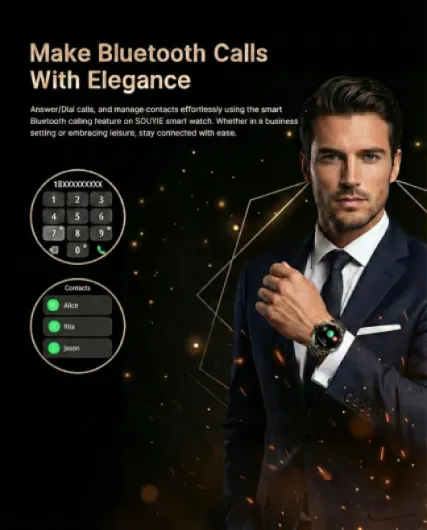
- + 1.43" AMOLED bright round display
- + Bluetooth calling for hands‑free phone calls
- + Includes two straps: luxury stainless steel + silicone for business & sport
- + Comprehensive health tracking: heart rate, blood pressure, sleep monitoring
- + Compatible with iOS & Android
Luxury watchmaking meets connected calibre and sapphire crystal displays
High end watchmaking has embraced wearable tech with precious materials through hybrid designs. A luxury watch can now host a connected calibre that syncs with smartphones, while still presenting a traditional dial framed by sapphire crystal and polished precious metals. This dual identity appeals to collectors who love mechanical watches but also want smart features for travel, fitness and health tracking.
Brands such as tag heuer have led this segment with the tag heuer connected series, which merges a refined watch case with smart technology. The heuer connected models often use stainless steel or titanium, then upgrade to gold or ceramic for more exclusive pieces, while sapphire crystal protects high resolution displays. Other maisons experiment with big bang style cases, where bold architecture, gold diamonds and integrated lugs turn a smart watch into a statement wearable.
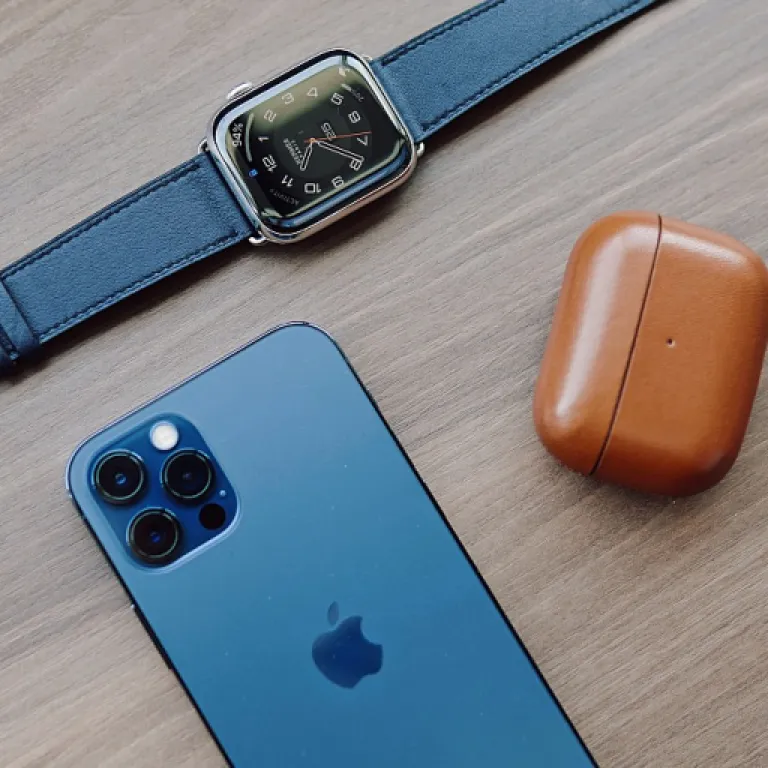
The apple watch has also pushed expectations for what a smart watch can be in the luxury space. Editions in stainless steel and precious metals, paired with leather or metal bracelets, show how wearable technology can sit comfortably beside traditional watches in a collection. For enthusiasts building a complete setup, even accessories such as a premium power cord become part of the ecosystem, which explains the appeal of a perfect Pioneer 120L power cord to elevate a luxury tech setup. In this environment, every piece, from watch to charger, reflects a coherent vision of tech, style and luxury.
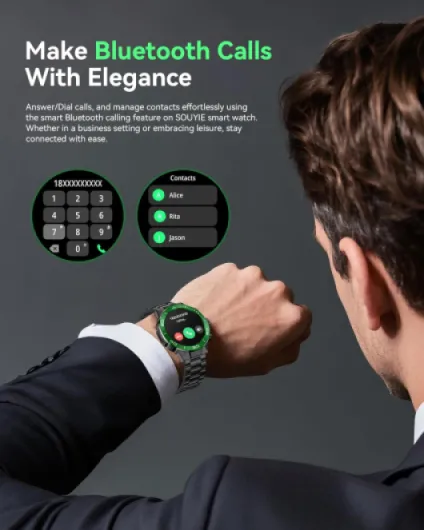
- + 1.43-inch AMOLED display for sharp visuals
- + HD Bluetooth Calling for hands-free calls
- + 400mAh / up to 30-day battery for long runtime
- + 100+ sports modes for diverse fitness tracking
- + Health monitoring (heart rate, SpO2, sleep)
Precious metals, gold diamonds and the craft of wearable style
The choice of materials defines how wearable tech with precious materials feels on the body. Gold, platinum and other precious metals change the weight, temperature and tactile impression of a watch, ring or bracelet, making each piece feel more substantial than standard tech. When combined with sapphire crystal and carefully set gold diamonds, these materials transform wearable technology into heirloom worthy jewelry.
Crafting smart jewellery in precious metals presents unique engineering challenges for designers and watchmakers. Antenna performance, sensor placement and heat management must coexist with pavé diamonds, polished edges and complex bracelet links, especially in watches and rings. The result is a new discipline where technology and jewellery ateliers collaborate closely, ensuring that fitness tracking, heart rate monitoring and health fitness features remain accurate while style stays uncompromised.
Clients who invest in such pieces often expect long lifespans and upgrade paths. A stainless steel or gold case with sapphire crystal can last decades, while internal tech modules may evolve more quickly, which encourages modular designs with smart replaceable cores. This approach respects the emotional value of a luxury piece, allowing the external jewelry and precious metals to endure while wearable technology inside keeps pace with advanced health and fitness tracking standards. In this way, each watch or ring becomes both a stable symbol of luxury and a flexible platform for future tech.
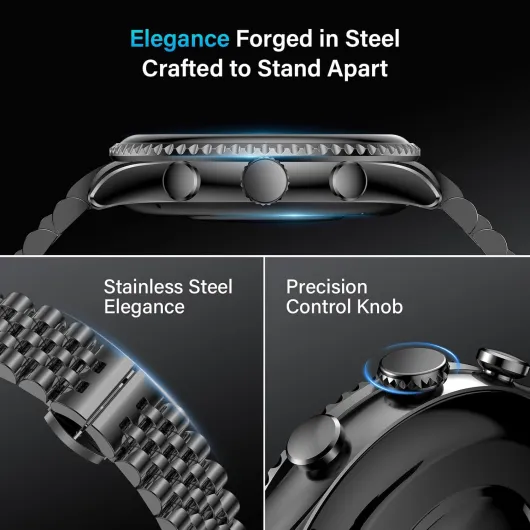
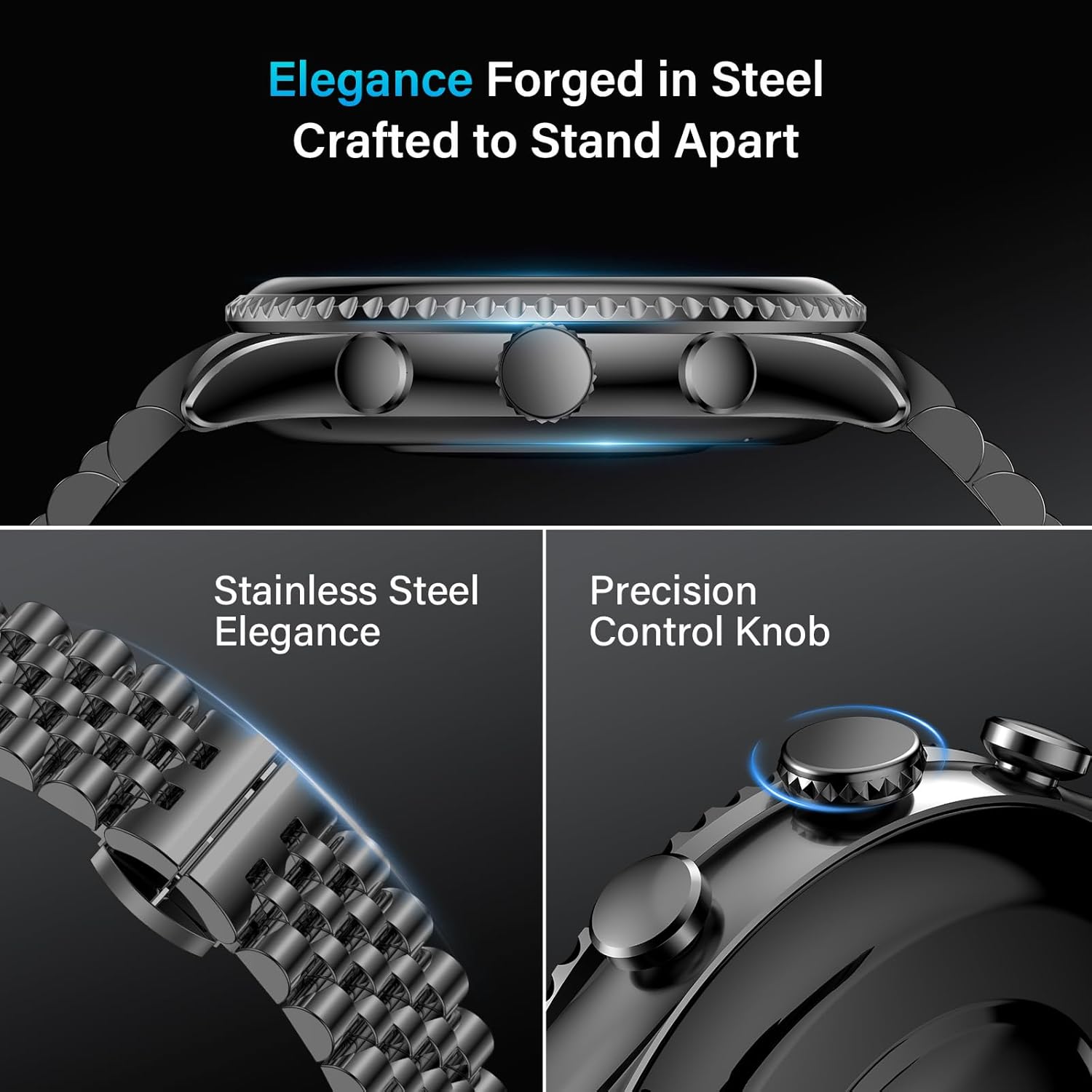
- + Rotating bezel with encoder knob for intuitive control
- + 1.32-inch AMOLED bright, sharp display
- + Bluetooth calling lets you answer calls from the watch
- + Comprehensive health tracking: heart rate, blood pressure, SpO2 and sleep monitor
- + Waterproof design for daily use
Health, fitness tracking and the new metrics of luxury performance
For many enthusiasts, wearable tech with precious materials is justified by advanced health capabilities. A smart watch or ring that tracks heart rate, blood pressure and sleep while wrapped in gold or stainless steel offers both reassurance and pleasure. Luxury now includes the quiet confidence that health fitness data is being captured elegantly, without sacrificing jewelry level style.
Modern wearable technology integrates multiple sensors for fitness tracking, from accelerometers to optical heart rate modules and sometimes even ECG functions. These features turn smart jewellery, watches and rings into daily health companions, guiding training intensity, recovery and stress management with smart prompts. When combined with polished precious metals and sapphire crystal, the experience feels far removed from basic plastic fitness bands, aligning better with tailored suits and evening wear.
Yet the most sophisticated clients also seek context and control over their data. They may pair their wearable with collaborative productivity tools to share selected metrics with trainers, nutritionists or medical advisors, often through platforms similar to those described in online collaborative productivity software for luxury tech companies. In this ecosystem, each piece of smart jewellery or each apple watch becomes a node in a broader health tracking network. The true luxury lies not only in gold diamonds or precious metals, but in how seamlessly technology, health insights and personal style integrate with smart discretion.
Bridging the gap for enthusiasts in a market without a dedicated category
Luxury tech gadgets passionate buyers often navigate a fragmented landscape without a specific category tailored to them. Wearable tech with precious materials sits between traditional jewellery counters, watch boutiques and mainstream electronics, which can make comparison and education difficult. Enthusiasts must therefore build their own frameworks to evaluate each piece, from smart jewellery to watches and rings, based on both technology and craftsmanship.
One practical approach is to assess every wearable technology item through four lenses. First, examine materials such as stainless steel, gold and other precious metals, along with sapphire crystal and any gold diamonds or diamond ring settings. Second, evaluate tech features including fitness tracking, heart rate accuracy, blood pressure trends and broader health fitness or advanced health capabilities, ensuring they align with personal goals.
Third, consider style and versatility, asking whether the watch, ring or bracelet functions as a true jewelry piece across formal and casual settings. Finally, review ecosystem and longevity, including compatibility with platforms like apple watch services, tag heuer connected apps or big bang style collaborations that use a connected calibre. In a market where no single label captures this blend of luxury, tech and wearable design, such a framework empowers enthusiasts to curate collections that feel coherent, future ready and deeply personal, with smart decisions guiding every acquisition.
Key statistics on wearable tech with precious materials
- Global demand for luxury wearable technology has grown significantly within the broader smartwatch and fitness tracking market.
- Premium materials such as stainless steel, gold and sapphire crystal command substantial price premiums over standard aluminium or plastic cases.
- Health tracking features, including continuous heart rate monitoring and sleep analysis, rank among the top purchase drivers for smart jewellery and watches.
- Hybrid luxury watches that combine connected calibre functions with traditional aesthetics represent a growing share of high end wearable sales.
Questions luxury tech enthusiasts often ask
How do luxury smart watches differ from mainstream models ?
Luxury smart watches typically use higher grade materials such as precious metals, sapphire crystal and finely finished stainless steel, while mainstream models rely more on aluminium or composite cases. They often feature more intricate bracelets or straps, sometimes with gold diamonds or elaborate jewelry detailing. The core technology may be similar, but craftsmanship, finishing and long term service support justify the higher price.
Is smart jewellery accurate enough for serious health tracking ?
Smart jewellery can provide reliable heart rate and basic fitness tracking when worn correctly and calibrated through its companion app. However, readings for blood pressure or advanced health metrics should be treated as indicative rather than diagnostic, especially compared with medical grade equipment. Enthusiasts often use these devices to monitor trends over time, then consult professionals for clinical interpretation.
What should I prioritise when choosing a luxury wearable ?
Start with comfort and style, ensuring the watch or ring suits your daily wardrobe and feels natural on the skin. Then evaluate health fitness and fitness tracking features, checking whether heart rate, sleep and activity metrics match your lifestyle needs. Finally, consider ecosystem compatibility, battery life, after sales service and how easily the piece integrates with your existing devices.
Do precious materials affect the performance of wearable technology ?
Precious metals and sapphire crystal can influence antenna placement, weight and thermal behaviour, so brands must engineer around these constraints. Leading manufacturers design cases and bracelets that preserve wireless performance while maintaining jewelry level aesthetics. When executed well, the result is a wearable that feels luxurious without compromising connectivity or sensor accuracy.
Can luxury wearables retain value over time ?
Unlike purely digital gadgets, luxury wearables built with gold, stainless steel and high quality jewelry components may retain some value due to materials and brand prestige. However, rapid evolution in technology can limit resale prices compared with purely mechanical watches. Collectors often focus on emotional value, craftsmanship and daily utility rather than expecting strong financial appreciation.