
Why a Zigbee temperature sensor is the quiet hero of luxury comfort
A refined smart home lives or dies by invisible comfort, and the Zigbee temp sensor is the discreet instrument that keeps temperature perfectly tuned. In high end apartments and villas, a Zigbee temperature sensor network allows the climate system to respond in real time to subtle changes in temperature and humidity, rather than relying on a single wall thermostat. When you pair multiple Zigbee smart sensors with a central Zigbee hub, every room temperature profile becomes a data rich canvas for tailored comfort.
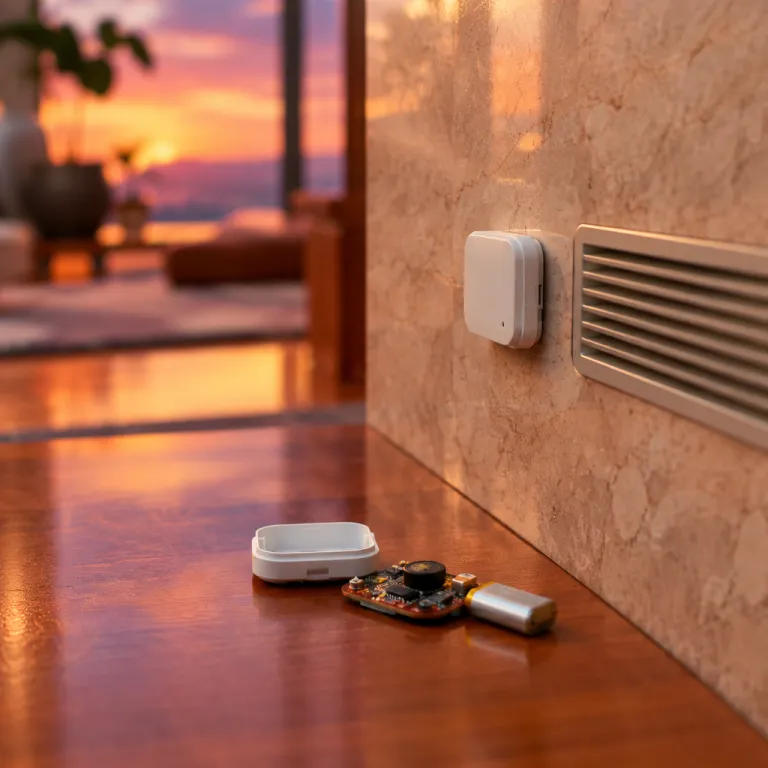
Luxury clients expect sensors that are both aesthetically minimal and technically accurate, so the choice of each sensor product matters as much as the furniture. Compact humidity sensor and temperature sensor units from brands such as Aqara and Sonoff can disappear into marble walls or dark wood panels, while still providing temperature accurate readings that drive intelligent reporting. A well designed system will use several humidity sensors and temperature sensors per floor, ensuring that humidity data and temperature readings remain consistent across large open plan spaces.
Because Zigbee devices form a low power mesh, each sensor can run on a small battery for years, which is essential when you do not want visible charging cables in a gallery like living room. Long battery life also means fewer maintenance visits, which preserves both privacy and the sense of effortless luxury that a smart residence should provide. For ultra premium projects, integrators often combine Zigbee devices with other protocols such as Z Wave, using a dedicated climate hub to orchestrate every sensor, motion sensor, and actuator into a single, silent comfort engine.
Choosing between Aqara and Sonoff Zigbee sensors for refined interiors
When specifying a Zigbee temp sensor for a penthouse or boutique hotel suite, Aqara and Sonoff usually sit at the top of the shortlist. Aqara temperature and humidity sensor models are known for their understated design and strong accuracy, which makes them ideal for visible placement on stone shelves or discreet corners. Sonoff Zigbee options such as the Sonoff SNZB series focus on value and flexibility, allowing designers to saturate large properties with sensors without inflating the overall price.
In practice, Aqara temperature sensors tend to integrate seamlessly with Apple Home, while Sonoff Zigbee devices often appeal to clients who prefer open ecosystems and Zigbee MQTT based automation. A Sonoff SNZB temperature sensor can feed real time room temperature and humidity data into a custom server, where a home automation assistant adjusts underfloor heating and chilled ceilings with impressive accuracy. For projects where every degree matters, integrators usually cross check temperature accurate readings from both Aqara and Sonoff sensors during commissioning, then calibrate offsets inside the Zigbee hub interface.
Luxury buyers also care about the total product experience, from unboxing to long term battery life and support. Aqara sensors often arrive with premium packaging and clear documentation, while Sonoff devices are widely available on Amazon with options for free shipping, which simplifies logistics for international projects. For readers interested in how another protocol handles climate, comparing a Zigbee temperature sensor with a Z Wave temperature sensor for luxury spaces can clarify when each technology best serves a high end interior.
Designing a multi room Zigbee sensor layout for seamless smart home elegance
A single Zigbee temp sensor in a hallway cannot deliver the nuanced comfort that luxury clients expect across suites, spas, and entertainment rooms. A more refined approach uses several temperature sensor and humidity sensor units per zone, placing each sensor at breathing height away from direct sunlight or air vents to capture true room temperature. As a practical guideline, many integrators start with one sensor every 15 to 20 square meters in open plan areas, then adjust density based on test readings and client feedback.
In a large residence, designers often pair climate sensors with at least one motion sensor per room, so the system can lower temperature setpoints when spaces are unoccupied and extend battery life by reducing unnecessary reporting. When a guest enters a bedroom, the motion sensor wakes the Zigbee smart network, the nearest temperature sensor sends real time data, and the assistant software nudges the climate system to the preferred profile. For corridors and entrance galleries, subtle integration of door and presence sensors, similar in spirit to quiet luxury guardians for smart entrances, ensures that temperature and humidity data always reflect how people actually move through the property.
Placement strategy also affects perceived accuracy, because even the most accurate sensors can mislead if installed poorly. For example, a Sonoff SNZB temperature sensor mounted above a radiator will report higher values than the actual room temperature, which can cause the hub to underheat the space. Experienced integrators therefore test each sensor position with temporary mounts, comparing Aqara temperature readings and Sonoff Zigbee readings before committing to final locations in stone or bespoke millwork, and typically use a one to five minute reporting interval during commissioning before relaxing it for long term use.
From Zigbee MQTT to hubs and assistants: the control layer that makes data luxurious
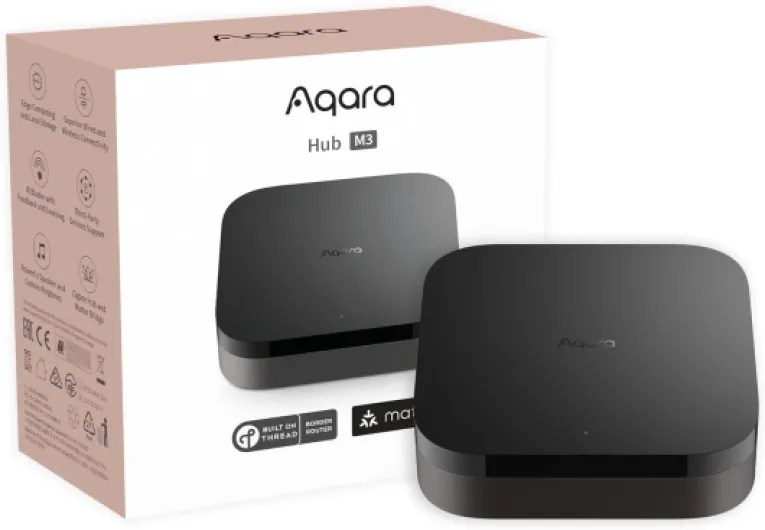
Hardware is only half of the story, because a Zigbee temp sensor becomes truly luxurious when its data flows through a well designed control layer. Many advanced homes use a Zigbee hub that bridges sensors to a local server running Zigbee MQTT, which translates every temperature, humidity, and motion event into structured messages. This architecture allows a smart home assistant such as Home Assistant or openHAB to orchestrate hundreds of Zigbee devices with low latency and high reliability.
For clients who value privacy and resilience, a local Zigbee MQTT setup avoids dependence on remote clouds while still enabling rich reporting and automation. Each temperature sensor and humidity sensor publishes real time humidity data and temperature values, which the assistant can log, visualize, and use to trigger scenes that adjust blinds, fireplaces, or even pool covers. Because the system sees both room temperature and motion sensor activity, it can infer occupancy patterns and subtly precondition spaces before guests arrive, creating the impression that the house anticipates their needs.
Integration with voice assistants and luxury control panels adds another layer of refinement. A resident can ask for the temperature accurate reading in the wine cellar, and the assistant will query the relevant Zigbee temperature sensor, then adjust cooling if necessary. For properties that also feature high end surveillance, pairing this climate intelligence with refined pan tilt zoom controllers creates a unified, responsive environment where cameras, sensors, and climate systems operate as one coherent experience.
Evaluating accuracy, battery life, and price for premium expectations
Luxury buyers may not obsess over every euro, but they do expect a Zigbee temp sensor to justify its place in a carefully curated home. When comparing Aqara temperature sensors and Sonoff Zigbee models, three metrics dominate the conversation, namely temperature accurate performance, battery life, and overall price relative to the rest of the project. In climate critical spaces such as wine rooms or art galleries, even a small accuracy drift can translate into real risk for collections.
Independent tests from enthusiast communities such as the Home Assistant forums and Zigbee2MQTT documentation, along with manufacturer datasheets, indicate that many modern Zigbee sensors maintain temperature accuracy within roughly ±0.3 °C and humidity accuracy within a few percentage points, which is sufficient for most residential applications. For ultra sensitive installations, integrators sometimes pair multiple humidity sensors and temperature sensors in the same room, then average their readings inside the Zigbee hub logic to smooth out anomalies. This redundancy also provides resilience, because if one product fails or its battery depletes unexpectedly, the remaining sensors continue to feed real time humidity data and room temperature values to the assistant.
Battery life is another critical factor, since replacing cells in dozens of discreetly mounted sensors can disrupt finishes and daily life. User reports collected in communities such as r/homeautomation and the Zigbee2MQTT project wiki often show two to three years of operation for Aqara and Sonoff SNZB devices under standard reporting intervals, though frequent real time updates or extreme temperatures can shorten that duration. From a cost perspective, the price of individual Zigbee devices is usually modest compared with bespoke HVAC hardware, so it makes sense to invest in slightly more expensive, more accurate sensors to protect art, wine, and comfort.
- + Wi-Fi connected for remote control and app access
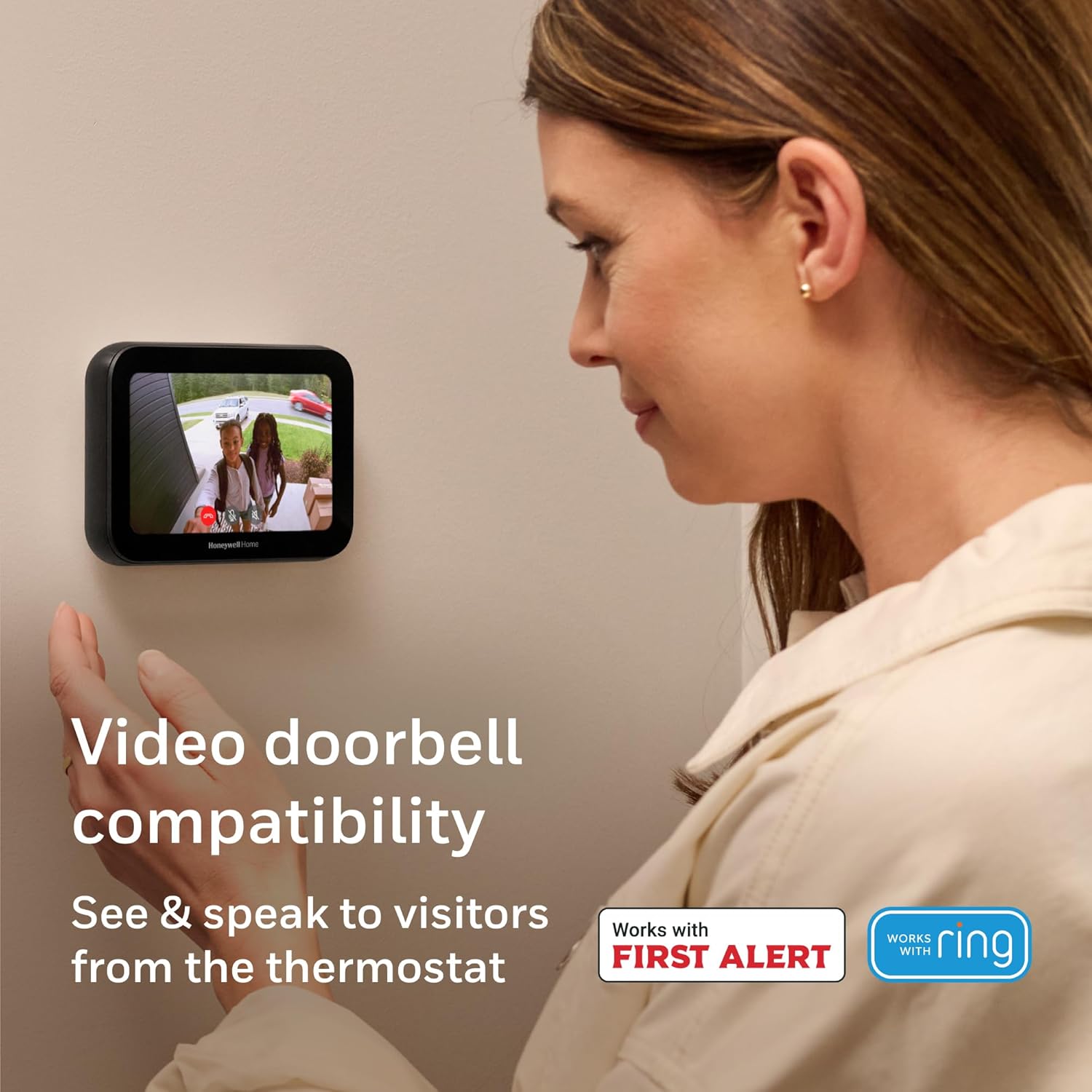
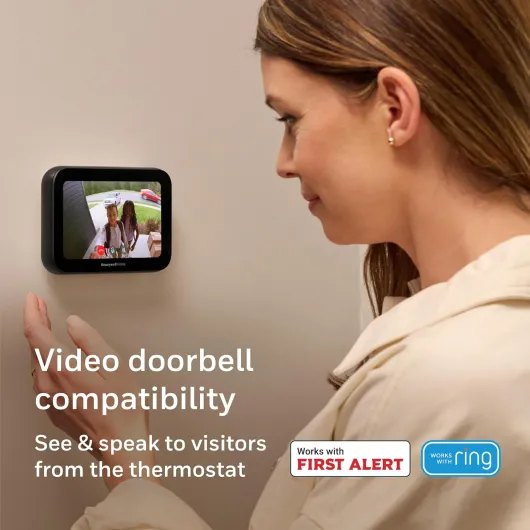
- + Video doorbell compatible to link entry alerts with the thermostat
- + IAQ control (indoor air quality) to monitor and manage air
- + Customizable touchscreen with an intuitive, modern interface
- + Sleek black design that fits contemporary interiors

Real world luxury scenarios where Zigbee sensors quietly shine
Consider a hillside villa with floor to ceiling glass, where solar gain can swing room temperature by several degrees within an hour. A dense network of Zigbee temp sensor and humidity sensor units monitors every exposure, allowing the smart assistant to lower blinds, adjust chilled beams, and modulate ventilation before guests even notice the change. Because each temperature sensor reports through a Zigbee hub using Zigbee MQTT, the system maintains real time awareness without flooding the network or draining battery life.
In a city penthouse, Aqara temperature sensors might protect a walk in wine cellar and a dedicated art storage room, while Sonoff Zigbee devices handle more general living areas and guest suites. The assistant can prioritize temperature accurate control in the cellar, using tighter thresholds and more frequent reporting, while allowing slightly wider bands in hallways to extend battery life. When a motion sensor detects movement in the spa, the system can temporarily tighten both temperature and humidity control, ensuring that temperature humidity conditions feel perfectly tuned to the human body.
Retail style luxury apartments often rely on Amazon for rapid procurement of replacement sensors, taking advantage of free shipping to keep spare product units on hand for maintenance teams. Because Zigbee smart devices from multiple brands can coexist on the same mesh, a property manager can mix Aqara, Sonoff SNZB, and other Zigbee devices without locking into a single vendor. Over time, detailed reporting of humidity data and room temperature trends helps asset managers fine tune HVAC schedules, reducing energy use while preserving the effortless comfort that defines a truly premium residence.
Key figures that highlight the value of Zigbee temperature sensors
- According to public statements from the Connectivity Standards Alliance (formerly the Zigbee Alliance) and market trackers such as IDC, Zigbee based devices account for a substantial share of global smart home shipments, with tens of millions of sensors deployed worldwide, which demonstrates strong ecosystem stability for long term luxury projects.
- Independent laboratory style comparisons published by home automation communities, including the Home Assistant forums and independent blogs that test Aqara and Sonoff SNZB devices against calibrated references, report that modern Zigbee temperature sensors from major brands typically achieve temperature accuracy within about ±0.3 °C, which is sufficient for protecting wine collections and art in residential environments.
- Battery life measurements from user testing on platforms such as Zigbee2MQTT, community wikis, and long term reviews often show two to three years of operation for Aqara and Sonoff SNZB sensors under standard reporting intervals, which aligns well with the maintenance cycles of high end properties.
- Energy efficiency studies from organizations such as the International Energy Agency indicate that optimized heating and cooling control can reduce residential HVAC energy consumption by roughly 10 to 20 percent, and Zigbee sensors provide the granular data needed to reach those savings in luxury homes.
- Market analyses from firms like Statista and IDC project continued growth in smart home climate control devices, suggesting that investments in Zigbee temperature and humidity sensors will remain compatible with future hubs and assistants for many years.
FAQ about Zigbee temperature and humidity sensors in luxury homes
How many Zigbee temperature sensors does a luxury apartment need ?
As a rule of thumb, plan at least one Zigbee temp sensor per distinct climate zone, which usually means one temperature sensor and humidity sensor for each bedroom, living area, and specialty space such as a wine room. Large open plan rooms may benefit from two or more sensors to capture temperature gradients near windows and interior walls. High value collections or spa areas often justify additional sensors for redundancy and finer control.
Are Aqara or Sonoff Zigbee sensors better for premium projects ?
Aqara temperature sensors tend to offer a more minimalist design and tight integration with mainstream ecosystems, which suits visible locations in refined interiors. Sonoff Zigbee and Sonoff SNZB models usually provide strong value and flexible Zigbee MQTT support, which appeals to custom integrators building complex automations. Many luxury projects mix both brands, using Aqara where aesthetics matter most and Sonoff where density and cost efficiency are priorities.
Can Zigbee sensors run without an internet connection ?
Yes, a Zigbee temp sensor communicates locally with a Zigbee hub, so the core temperature and humidity functions can operate without external connectivity. When paired with a local assistant and Zigbee MQTT server, the system can log data, run automations, and adjust room temperature even if the internet is down. Cloud access mainly adds remote control and off site monitoring, which are optional for many luxury residences.
How often do batteries need replacement in Zigbee temperature sensors ?
Most modern Zigbee sensors from brands such as Aqara and Sonoff SNZB achieve multi year battery life under typical conditions. Actual duration depends on reporting frequency, ambient temperature, and whether the sensor also measures humidity or motion. For planning purposes, many integrators schedule a preventive battery replacement cycle every two to three years to avoid unexpected downtime.
Is Zigbee secure enough for high end smart homes ?
Zigbee uses encryption and network keys to protect communication between sensors, hubs, and assistants, which provides a solid baseline for residential security. For luxury projects, best practice includes using strong hub passwords, isolating smart home networks from guest Wi Fi, and keeping firmware updated on all Zigbee devices. When combined with professional network design, a Zigbee temperature sensor network can meet the security expectations of demanding clients.
Practical checklist for commissioning Zigbee climate sensors
- Pre design: Map climate zones, identify critical rooms (wine, art, spa), and estimate sensor density using a baseline of one device per 15–20 m² in open areas.
- Hardware selection: Choose Aqara for highly visible locations and Sonoff SNZB where cost efficient coverage and Zigbee MQTT flexibility are priorities.
- Temporary mounting: Install sensors with removable adhesive at breathing height, away from direct sun, radiators, and supply vents, then let them run for at least 24 hours.
- Calibration method: Compare Aqara and Sonoff readings with a trusted reference thermometer and hygrometer, then apply per device offsets in the Zigbee hub or Zigbee2MQTT configuration.
- Reporting intervals: During commissioning, use one to five minute reporting to capture detailed behavior; after tuning, relax to five to fifteen minutes or threshold based reporting to extend battery life.
- Sample Home Assistant flow: In Home Assistant, create an automation that averages multiple Zigbee temperature entities for a room, writes the result to a template sensor, and uses that value to drive HVAC setpoints and blind positions.
- Handover: Document sensor locations, calibration offsets, and maintenance intervals so facility teams can replace batteries and add new Zigbee devices without disturbing finishes.