Ferrari Luce electric car: design manifesto, specs, and interior
Ferrari Luce electric car design as a manifesto, not a spec sheet
The Ferrari Luce electric car design arrives as a statement piece, not a range race entry. Ferrari is widely expected to position the Luce as an ultra low volume, roughly €500,000 electric sports car whose value sits in its sculpted metal, its quad motor power output, and its dialogue with heritage rather than in a single headline range miles figure. For design conscious collectors, the message is clear: this electric vehicle is a rolling gallery where every curve, wheel arch, and rear light signature has been tuned to feel inevitable.
From the first official view released ahead of the Roma unveiling in May, the Luce reads as a low, wide car that borrows stance from the Purosangue yet rejects its bulk. The front volume is taut, with a cab rearward proportion that recalls classic twelve cilindri Ferraris while reportedly housing an approximately 880 V battery pack and a compact front motor pair that enable all wheel drive without visual heaviness. Around the back, the rear treatment is almost architectural, with a light bar that visually stretches the width and underlines how Ferrari electric design language will evolve beyond the Roma and Purosangue families.
Under the skin, the Luce is reported by early engineering briefings to use a quad motor layout delivering a claimed 1,113 hp and instant torque vectoring, but Ferrari refuses to let the electric car become a mere numbers exercise. Engineers talk about torque curves and power delivery in the same breath as steering feel, insisting that the driver must sense the motor control logic through the steering wheel rim, not just through a spec sheet. That philosophy separates this electric Ferrari from many electric vehicles that chase range miles alone; here, power, control, and feedback are treated as a single design material, while unconfirmed details such as exact battery kWh, curb weight, and certified range remain in the realm of early estimates rather than final data.
A screen free Luce interior shaped by Jony Ive and Marc Newson
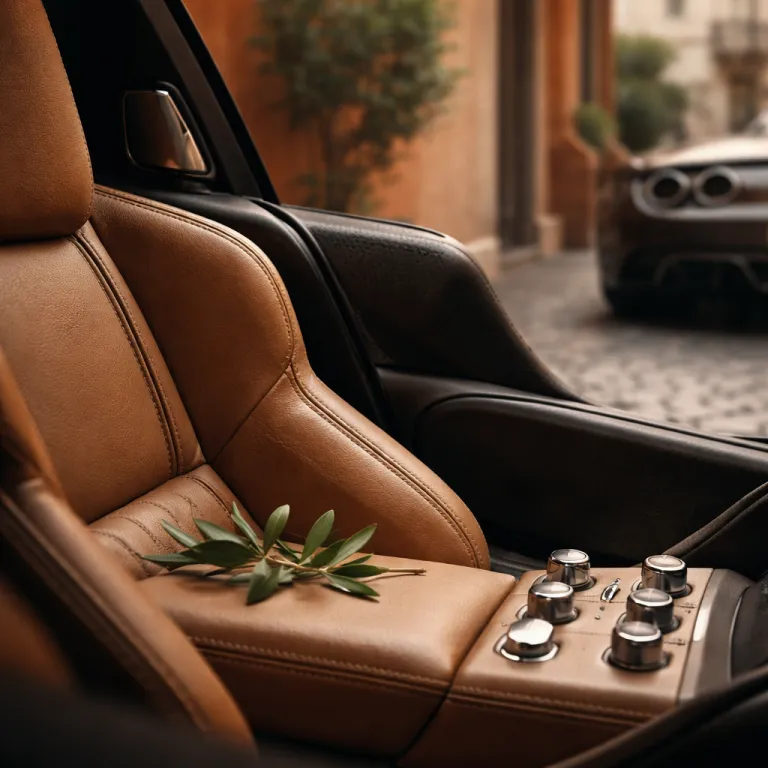
Step inside and the Luce interior makes the loudest argument Ferrari has offered in decades about what luxury will mean in an electric era. Instead of a wall of displays, the interior is defined by a floating control island on a ball and socket joint, a piece of CNC machined aluminium and glass that feels closer to a high end Apple Watch dock than a traditional car console. LoveFrom, the studio led by designer Jony Ive and Marc Newson and credited in early design briefings, has treated every dial, switch, and steering control as jewellery that just happens to manage power output, torque maps, and wheel drive modes.
The steering wheel itself is a Y spoke sculpture that references classic Ferrari race cars while integrating haptic glass paddles for regenerative braking and drive mode selection. Ferrari Luce designers have deliberately reduced visual noise; the driver sees only essential information, with secondary data living on a glass key that uses an E Ink style display and can sit on your desk beside an Apple Watch Ultra without aesthetic conflict. This is where the collaboration between Jony Ive, Ferrari design chief Flavio Manzoni, and Marc Newson feels most radical, because it treats the electric car cabin as a calm analog lounge rather than a rolling smartphone, and it invites you to continue reading the surfaces with your fingertips instead of your eyes.
For owners used to the Purosangue or Roma interiors, the Luce interior will feel both familiar and stripped back, like a concept car that made it to production with its restraint intact. Physical knobs manage climate control and chassis settings, each with a weighty detent that recalls high end audio equipment and makes every adjustment feel intentional, while the steering column houses only a minimal stalk for legal necessities. If you care about how objects age, this approach matters; machined metal, glass, and leather will patinate gracefully, whereas plastic touchscreens date as quickly as last year’s phone, and that is why this electric Ferrari speaks so directly to collectors who already curate limited edition gadgets and even niche tools like a premium vehicle escape tool for their garages.
From Rome to the wider EV landscape; where Luce points next
The staged reveal strategy for the Ferrari Luce began with controlled leaks of exterior details, moved through design studio briefings, and will culminate in a full scale event in Roma that, according to early invitations, will feel closer to a furniture fair launch than a traditional sports car press day. That choreography underlines how Ferrari electric ambitions are less about chasing Tesla or Mercedes on range miles and more about repositioning the electric vehicle as a collectible object, much as an Ive Marc Newson collaboration for a camera or a watch reframes an everyday tool as design culture. When Ferrari executives suggest that the Luce will represent roughly five percent of sales rather than a wholesale pivot, they are signalling that this car is a halo, a lighthouse for where the marque’s design language and electric engineering will travel.
For the wider market, the question is whether other brands will follow this analog first, screen light path or double down on immersive displays like those in the latest long range Mercedes EQS, which already pushes 926 kilometres of range and frames the electric car as a rolling lounge. Luxury buyers who already collect objects such as a limited edition catamaran paddle board or a bespoke Apple Watch strap understand that tactility and restraint often outlast raw specification, and the Luce leans hard into that instinct. If the experiment succeeds, expect to see more electric Ferraris and rival electric sports cars that prioritise steering feel, physical control interfaces, and sculptural interiors over ever larger screens and gamified dashboards.
For now, the Ferrari Luce electric car design stands almost alone in pairing a 1,113 hp quad motor drivetrain, all wheel drive traction, and supercar level power output with a cabin that could pass for a Milan gallery installation. It is a car that asks the driver to engage with torque, power, and steering feedback as sensorial experiences rather than abstract numbers, and it quietly suggests that the future of the electric vehicle will be decided as much by designers like Jony Ive, Flavio Manzoni, and Marc Newson as by battery chemists. In that sense, the Luce may do for the electric Ferrari what the original iPhone did for the smartphone; not just add features, but reset expectations about how technology should feel in the hand and under the wheel.