When eco luxury technology quietly reshapes the high end home
Earth Day has become a stress test for eco luxury technology 2026, separating marketing gloss from measurable impact in real luxury homes. For affluent collectors of technology and design pieces, the question is no longer whether a product looks good, but whether its sustainable materials, energy efficient performance, and lifecycle data justify a place in their most intimate living spaces. The new benchmark for friendly luxury is simple yet demanding, as every object must earn its footprint in contemporary living rather than merely decorate it.
Take ID Genève, whose solar furnace process turns 100 percent recycled stainless steel into quietly radical wrist pieces that feel more like restrained sculpture than gadgetry. This is eco conscious horological technology at its sharpest, where advanced metallurgy and environmental consciousness combine to deliver a substantially lower carbon footprint than conventional watchmaking while preserving high standards of precision and finishing. According to lifecycle assessments shared by the brand and summarized in sustainability reports, the production phase can cut cradle to gate emissions by more than an order of magnitude compared with typical steel sourcing, but buyers should still read the underlying methodology, functional unit, and system boundaries before treating any single ratio as definitive, because these are brand reported figures rather than fully independent meta analyses. On the wrist, the watch reads as quiet luxury rather than virtue signaling, aligning with a broader shift in design trends where sustainability is embedded, not announced.
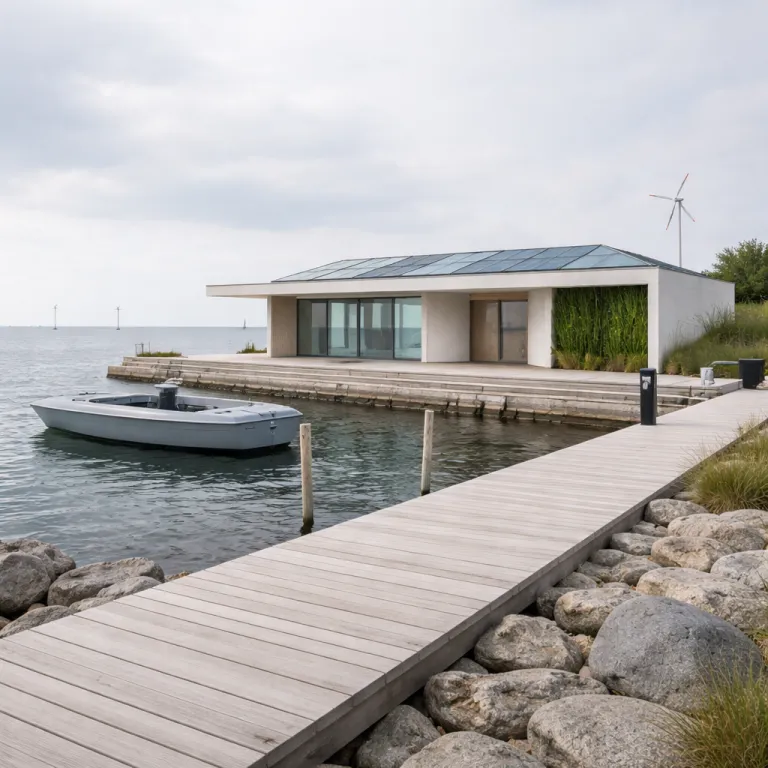
In parallel, the estate market for luxury real estate is pivoting toward homes that integrate sustainable design from the shell outward, not as an afterthought. Architects now specify Building Integrated Photovoltaics, using perovskite silicon tandem solar cells in roof tiles and glass façades, because these systems enhance both lighting quality and exterior design rather than compromising either. Recent laboratory records from research groups such as the National Renewable Energy Laboratory’s efficiency tables and leading university labs report peak cell efficiencies above 30 percent under standard test conditions, though real world performance is typically lower and subject to degradation over time, so investors should focus on warranted output over 20 to 25 years rather than headline figures and check whether warranties explicitly cover at least 80 percent of nameplate capacity at end of term. For buyers, eco friendly technology has become a prerequisite for high end property, with smart security, automation systems, and energy efficient infrastructure now as central to valuation as marble, rare woods, or iconic furniture.
Where tech meets architecture in sustainable luxury homes
The most interesting eco luxury technology 2026 is not a standalone gadget, but an ecosystem where smart systems, sustainable materials, and refined interior design converge. In top tier luxury homes, solar glass, battery walls, and adaptive lighting now form a single responsive layer that quietly manages comfort, security, and energy flows across all interior spaces. The result is a form of contemporary living where technology recedes visually while its presence is felt in the calm, stable atmosphere of each living room and terrace.
Perovskite silicon tandem solar cells, which now exceed 30 percent efficiency in controlled tests according to peer reviewed photovoltaic studies and NREL compiled records, are enabling architects to treat solar as a design material rather than a technical compromise. When these cells are embedded into façades or roof pieces, they support a luxury design language that values clean planes, soft reflections, and a sense of lightness while still delivering energy efficient performance for heating, cooling, and automation. In a well specified villa, this can translate into double digit percentage reductions in grid electricity use, with payback periods often falling below ten years when combined with storage, dynamic tariffs, and realistic capacity factor assumptions that reflect local irradiance and shading rather than idealized lab conditions. This is eco friendly engineering translated into architectural elegance, where sustainable design becomes a visible part of the home’s identity without shouting for attention.
Inside, the same philosophy governs how automation systems and smart security are specified and installed, with an emphasis on quiet luxury rather than blinking hubs. High resolution presence sensors, discreet cameras, and adaptive lighting scenes are now integrated into luxury furniture, wall panels, and acoustic ceilings, so the interior feels like a curated gallery rather than a server room. For owners, the value lies in a holistic approach where tech meets craftsmanship, and where every piece of hardware respects the proportions, materials, and tactile expectations of serious interior design. The most advanced systems pair this discretion with long software support windows, often promising security updates for eight to ten years in manufacturer documentation and product roadmaps, which helps protect both privacy and long term property value.
From furniture trends to wearable pieces in eco luxe tech
Eco luxury technology 2026 is also rewriting what counts as furniture, blurring the line between connected objects, sculptural pieces, and traditional seating or storage. In the most forward leaning furniture trends, sideboards hide bidirectional chargers, coffee tables integrate solar charged batteries, and lounge chairs incorporate subtle heating and ventilation systems that respond to occupancy. These hybrid objects turn living spaces into responsive environments, where sustainable materials and smart systems collaborate to maintain comfort with minimal energy waste. In practice, a well tuned setup can trim heating and cooling demand by several hundred kilowatt hours per year in a single living zone, especially when paired with occupancy based control, room level temperature sensing, and clearly defined comfort setpoints rather than ad hoc manual overrides.
Koio’s use of regenerative farm leather and Zeolite tanning in luxury sneakers offers a useful parallel for home objects, because it shows how better materials can also mean better performance. When similar sustainable materials migrate into luxury furniture, from plant based leathers on armchairs to recycled aluminum in lighting arms, the result is a new generation of eco friendly pieces that age gracefully while reducing environmental impact. Many high end manufacturers now back these materials with five to ten year warranties on frames and mechanisms, as reported in product sheets and trade fair presentations that specify abrasion tests, cycle counts, and load ratings, signaling confidence that greener inputs do not have to mean fragile products. For collectors, this is where eco conscious technology feels most tangible, as the patina on a chair or the warmth of a lamp becomes a daily reminder that environmental consciousness and tactile pleasure can coexist.
Wearables like ID Genève watches sit in the same mental category as these furniture pieces, functioning as mobile extensions of the home’s sustainable design philosophy. A watch case forged in a solar furnace or a bracelet made from reclaimed ocean plastics speaks the same language as a living room console built from salvaged timber and low impact metals. In both singular and plural forms, these objects show how luxury design, sustainable design, and contemporary aesthetics can align without sacrificing elegance, performance, or the quiet satisfaction of owning something genuinely well made. The critical caveat is that even beautifully made items carry a footprint, so the most responsible approach is to buy fewer, better pieces and maintain them for decades rather than cycling through trends, mirroring the way a well designed home is updated thoughtfully instead of being constantly replaced.
How to audit eco claims in luxury tech this Earth Day
Earth Day is the ideal moment to interrogate eco luxury technology 2026 and separate genuine innovation from polished greenwashing in both gadgets and homes. When comparing an ID Genève solar furnace watch to a fast fashion brand stamping eco on the dial, the difference lies in traceable materials, transparent lifecycle data, and verifiable reductions in emissions. The same logic applies to smart security hubs, automation systems, and lighting controls, where you should demand clear information about energy efficient operation, repairability, and software longevity before inviting them into your interior spaces. A credible brand will usually publish at least a basic lifecycle assessment, outline spare part availability in years, and specify how long critical components such as batteries are expected to last under normal use, even if some of these figures are still based on internal testing rather than long term field studies.
Start with materials and ask whether they are recycled, regenerative, or at least responsibly sourced, and whether the brand can prove it with third party certifications. In the context of luxury real estate, this means scrutinizing claims about sustainable materials in insulation, façades, and interior finishes, and checking whether the home’s systems genuinely reduce operational carbon rather than just shifting it elsewhere through offsite offsets. For portable tech, from solar powered speakers to high end headphones, look for modular construction, replaceable batteries, and packaging that aligns with the same eco friendly approach you expect from your furniture and lighting. Devices that offer user replaceable cells and repair guides can extend their useful life by several years, which often matters more than a marginal efficiency gain on the spec sheet when you consider total lifecycle impact.
Next, evaluate how the product behaves in daily living, because true friendly luxury should simplify your routines rather than add friction or anxiety. A well designed smart security system, for example, will reduce false alerts, integrate elegantly with existing automation, and respect privacy while still protecting your spaces. Over time, the most compelling eco luxury technology 2026 will be the one that quietly supports your life, your home, and your values, proving that the future of luxury is not louder, just more thoughtful. The most honest brands will also acknowledge trade offs, such as higher upfront costs or occasional software updates, and explain how those compromises translate into lower energy bills, longer lifespans, or improved comfort, ideally with quantified examples rather than vague promises.
Key statistics shaping eco luxury technology
- The eco luxury segment of the broader luxury market is growing faster than conventional offerings, as affluent buyers increasingly treat environmental credentials as a prerequisite rather than a bonus. Industry analysts now track double digit annual growth in sustainable luxury categories, with reports from firms such as Bain & Company and Boston Consulting Group highlighting resilience even as some mass market segments slow, while also noting that definitions of sustainable luxury vary between studies and should be read carefully.
- Perovskite silicon tandem solar cells have surpassed 30 percent efficiency in laboratory settings, enabling Building Integrated Photovoltaics that combine architectural design value with high energy output. Peer reviewed data compiled in the National Renewable Energy Laboratory’s efficiency tables show certified records above this threshold, while commercial products typically ship with lower nameplate ratings but still offer meaningful gains over older rooftop modules, especially when combined with optimized inverters and shading analysis.
- ID Genève’s use of a solar furnace to melt 100 percent recycled stainless steel achieves a reported carbon footprint that is dramatically smaller than conventional watch production. The company cites internal lifecycle analyses and third party reviewed process data to support claims of more than tenfold reductions in production related emissions, though independent peer reviewed studies are still limited and should be monitored as the category matures and more brands publish comparable cradle to grave assessments.
- CES recently highlighted several sun powered innovations aimed at premium portable use, signaling a shift from rooftop solar toward personal eco luxury technology 2026 devices. Examples documented in CES official reports and conference sessions included solar assisted headphones, high end power banks, and compact generators designed for design conscious travelers rather than industrial users, with many prototypes emphasizing recycled housings, modular batteries, and repair friendly construction.
Frequently asked questions about eco luxury technology
How can I tell if a luxury tech product is genuinely sustainable ?
Look for traceable materials, third party certifications, and transparent lifecycle data that cover sourcing, manufacturing, use, and end of life. Genuine eco luxury technology 2026 products will usually publish repair policies, spare part availability, and energy consumption figures rather than relying on vague eco friendly language. When in doubt, compare the brand’s sustainability reporting with independent coverage from respected business or technology publications, and be cautious of claims that sound too perfect without acknowledging any limitations or trade offs, especially when no lifecycle boundaries or assumptions are disclosed.
What should I prioritize when designing an eco conscious luxury home ?
Start with the building envelope and energy systems, focusing on insulation, high performance glazing, and integrated solar solutions before specifying interior gadgets. Once the structure is efficient, layer in smart systems for heating, cooling, lighting, and security that can automate savings without compromising comfort or aesthetics. Finally, choose furniture and finishes that use sustainable materials and timeless design, so your interior design remains relevant longer and avoids premature replacement. A well planned project will often combine these steps to target a clear performance standard, such as a specific annual kilowatt hour per square meter goal or a recognized green building certification.
Are smart home systems compatible with quiet luxury aesthetics ?
Yes, the best eco luxury technology 2026 solutions are designed to disappear visually while remaining powerful in function. Look for recessed sensors, in wall speakers, and control interfaces that integrate into switches or furniture rather than adding plastic boxes to your walls. A well planned system will support quiet luxury by reducing visual noise and letting materials, proportions, and natural light take center stage. Many integrators now offer custom keypads and finishes that match stone, metal, or timber palettes, so the technology reads as part of the architecture rather than an afterthought.
Do sustainable materials compromise durability in high end furniture ?
High quality sustainable materials can match or exceed the durability of conventional options when they are properly engineered and finished. Recycled metals, responsibly sourced woods, and advanced plant based composites now appear in luxury furniture that withstands daily use in demanding homes. The key is to work with brands that publish testing standards and offer robust warranties rather than treating sustainability as a temporary trend. Asking about abrasion ratings, stain resistance, and repair options will give you a clearer sense of how the piece will age in real living conditions and whether its performance has been independently verified.
Is investing in eco luxury technology financially sensible or just ethical ?
In many cases, eco luxury technology 2026 offers both ethical and financial advantages, especially in real estate and energy systems. Efficient heating, cooling, and lighting can reduce operating costs, while sustainable design features increasingly support higher resale values in the estate market. For portable gadgets and wearables, longer lifespans and repairability can also improve total cost of ownership compared with disposable alternatives. The exact payback period will vary by climate, energy prices, and usage patterns, but a well specified high end system is increasingly framed as a long term asset rather than a short lived indulgence, particularly when warranties, maintenance plans, and software support timelines are clearly documented.
References
- Sharp Magazine – coverage of ID Genève, quiet luxury, and sustainable watchmaking practices
- Interesting Engineering – explainers on perovskite silicon tandem solar cells and Building Integrated Photovoltaics
- CES official reports – summaries of solar assisted headphones, premium power banks, and portable clean energy devices