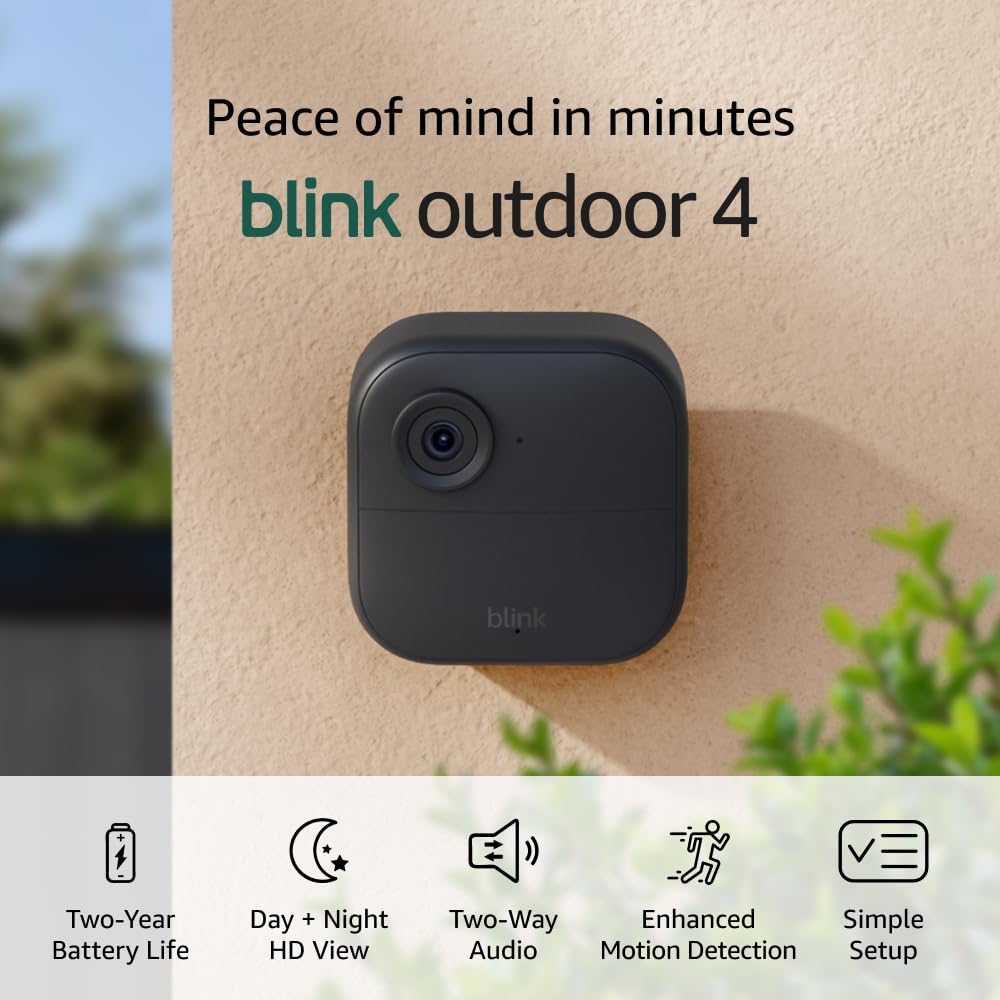
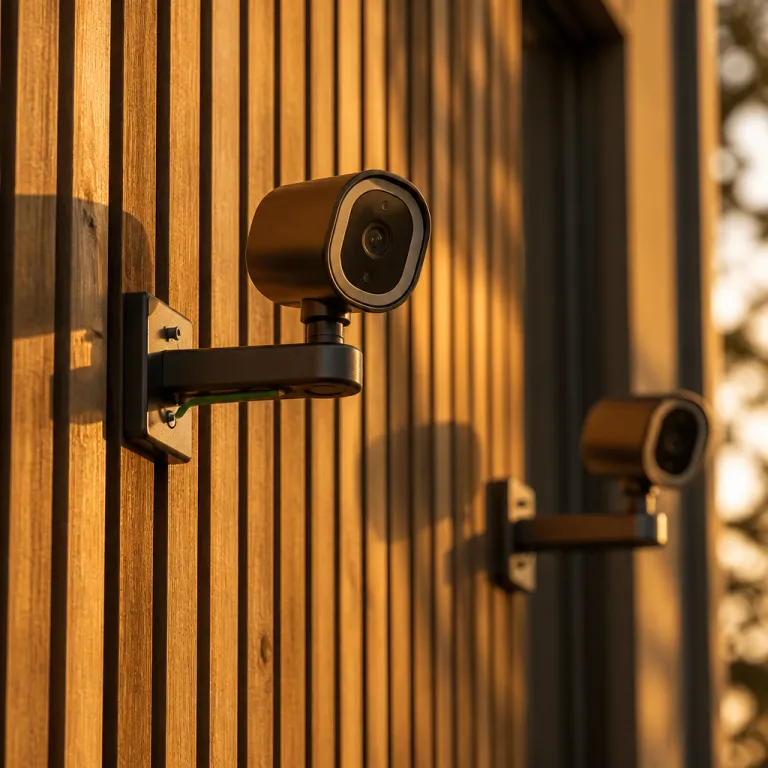
Choosing an outdoor camera mount that matches architectural luxury
A refined smart home façade deserves an outdoor camera mount that looks curated, not improvised. When you select a camera and mount combination for a stone wall or glass clad terrace, the objective is to blend security with architecture rather than bolt security cameras on as an afterthought. The right wall mount or pole mount solution turns cameras into deliberate design accents instead of visual noise.
Start by mapping every exterior wall, corner and outdoor wall transition where a security camera could provide meaningful coverage. Luxury properties often require multiple mounts and brackets to cover long driveways, landscaped gardens and pool areas, so think in terms of a coherent mounting plan rather than isolated cameras. This is where pairing a fixed dome camera on a discreet ceiling mount with a more assertive PTZ camera on a robust mount bracket can create layered security without overwhelming the architecture.
Material choice is critical because a metal mount in brushed stainless steel or architectural grade aluminum will age very differently from a painted steel bracket. For coastal villas, a high grade aluminum wall mount or box mount with a certified corrosion resistant finish (for example, powder coatings tested to ASTM B117 salt spray standards as referenced in typical manufacturer datasheets) resists oxidation and keeps the camera housing pristine, while cheaper mounts quickly stain and undermine the façade. When you repeat the same finish across multiple brackets, junction box units and pendant mount accessories, the entire mounting ecosystem reads as a single intentional design language, a strategy echoed in premium ranges from brands such as Axis, Hanwha and Bosch.
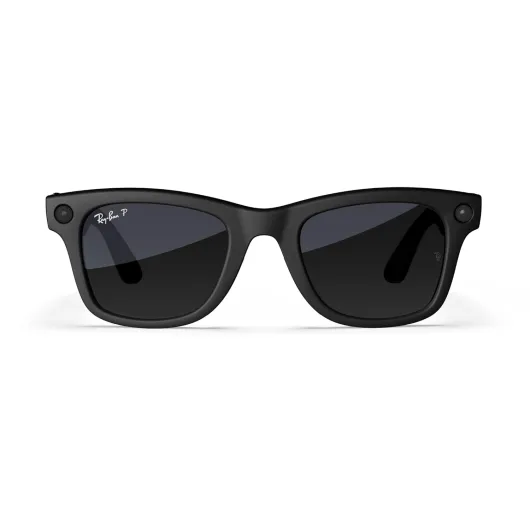
- + Iconic Wayfarer design with a sleek matte black finish
- + 12 MP camera for high-quality still photos
- + Video recording capability for hands-free capture
- + Open-ear speakers allow ambient listening and situational awareness
- + Bluetooth connectivity for easy pairing with phones

Wall, corner and pole strategies for multi angle coverage
On expansive estates, a single outdoor camera mount rarely suffices, so you orchestrate a mix of wall, corner and pole solutions. A camera on a clean wall mount can discreetly oversee a patio, while a corner mount with a dome camera or fixed dome unit can watch both the terrace and the adjacent garden path. For long driveways, a pole mount with PTZ cameras allows sweeping views that follow vehicles without cluttering the main building façade.
Think of each mount bracket as part of a three dimensional grid that defines how your cameras read the space. A camera corner position using a dedicated camera corner bracket can eliminate blind spots between façades, while a pendant mount under an overhang keeps dome cameras shaded and visually softened. When you add a junction box behind each wall mount or box mount, you also hide every cable connector and cable transition, which is essential for a luxury finish.
High end projects often pair an outdoor wall mount near the entrance with a more expressive pole mount further down the driveway, echoing the way a statement telephoto security camera can become a design object in its own right, as explored in this piece on a 1200 mm CCTV camera as smart home elegance. In these scenarios, the mounts and brackets must visually support the cameras, not compete with them, which is why consistent metal finishes and proportional mounting arms matter. By aligning the height, projection and spacing of your mounts, you create a rhythm along the wall that feels architectural rather than purely technical.
Discreet cable management and junction box integration for clean lines
Nothing breaks the illusion of smart home elegance faster than exposed cable loops hanging from an outdoor camera mount. For luxury exteriors, every cable and cable connector should disappear into a junction box, soffit or concealed conduit, leaving only the camera and its mount visible. This is where choosing a mount bracket or box mount with an integrated junction box pays dividends, because it allows the cable to enter directly behind the camera body.
When you specify security cameras for a stone or rendered wall, insist on mounts and brackets that support rear cable entry rather than side glands. A rear fed wall mount or corner mount lets the cable vanish into the wall, while the junction box behind the fixed dome or dome camera provides space for connectors and surge protection. For pole mount installations, select pole mounts with curved backplates and internal channels so that the cable can run inside the pole instead of being taped along the exterior.
Luxury integrators also pay attention to how indoor pendant and indoor ceiling mount transitions handle cabling as the system moves from indoor to outdoor zones. Aligning the cable strategy between indoor pendant fixtures and outdoor wall or pendant mount hardware creates a continuous visual narrative, which matters when glass walls reveal both sides of the installation. For estates where evidential integrity is paramount, meticulous cable routing also supports accurate time stamped recording workflows, a topic explored in depth in this analysis of luxury smart homes and forensic video reality.
Balancing indoor and outdoor aesthetics with unified mounting hardware
Luxury clients increasingly expect their indoor and outdoor camera mount choices to feel like part of the same design family. That means the indoor ceiling mount above a gallery corridor should echo the finish and geometry of the outdoor wall mount guarding the sculpture garden. When indoor pendant fixtures hold dome cameras in a double height lobby, the pendant mount hardware can mirror the proportions of the exterior pole mount along the driveway.
To achieve this, specify a single manufacturer ecosystem that offers compatible mounts, brackets, junction box options and pendant mount accessories for both indoor and outdoor security cameras. A unified range lets you repeat the same aluminum finish, the same metal casting language and the same mounting footprint from indoor fixed dome cameras to outdoor PTZ cameras. Even the camera corner solutions and corner mount plates can share the same visual DNA, which calms the overall aesthetic.
Inside cinema rooms or wellness suites, a compact dome camera on a low profile ceiling mount can provide discreet coverage without disturbing the décor. Outside, a more assertive mount PTZ configuration on a robust mount bracket can handle wind loads while still referencing the same design cues as the indoor pendant hardware. When you extend this thinking to accessories such as each junction box, box mount and cable connector, the entire security system reads as a single, curated object rather than a patchwork of unrelated cameras and mounts.
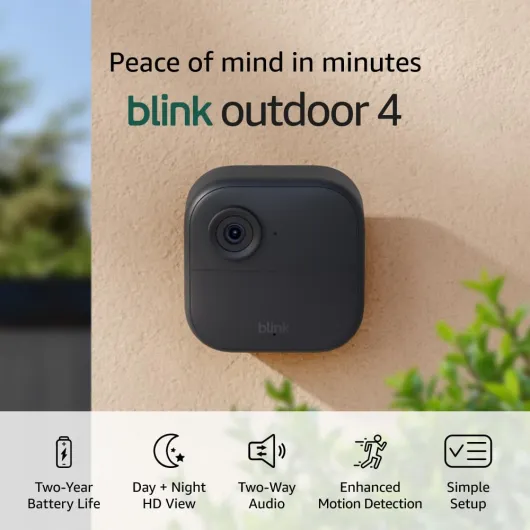
- + Wireless design for flexible installation
- + 2-year battery life reduces maintenance
- + 1080p HD day and infrared night live view
- + Two-way talk for real-time communication
- + Sync Module Core included for simplified setup
Advanced ptz and fixed dome pairings for high value properties
High value residences benefit from pairing PTZ cameras with fixed dome units, each on a purpose built outdoor camera mount. A PTZ camera on a pole mount or extended wall mount can track movement across lawns and driveways, while a fixed dome camera on a compact ceiling mount or corner mount secures entrances and choke points. This combination ensures that even if the PTZ is looking elsewhere, the fixed dome continues to record critical zones.
When specifying PTZ cameras, pay close attention to the mount PTZ interface and the structural rating of the chosen mount bracket. A heavy PTZ on an under rated metal bracket can introduce vibration, which degrades image quality and undermines the luxury experience you are trying to create. For coastal or high wind sites, choose aluminum or stainless steel mounts with reinforced junction box plates, and verify that the pole mount or outdoor wall mount has been tested for the camera’s weight and sail area according to the manufacturer’s load charts, such as those published for Axis T91, Hanwha SBP or Bosch UPA series mounts.
Fixed dome cameras, especially compact dome cameras used near entrances, benefit from low profile box mount or wall mount solutions that keep them close to the surface. This reduces leverage on the wall and keeps the camera visually discreet, which matters near statement doors or art filled corridors. For clients who already invest in wearable imaging such as the Ray Ban Meta Wayfarer AI glasses with integrated camera, this same attention to mounting detail reinforces the idea that every lens on the property, fixed or mobile, has been thoughtfully placed.
Installation precision and maintenance rituals for enduring smart home elegance
Even the most beautiful outdoor camera mount fails if the installation is careless. Luxury projects demand precise drilling, sealed fixings and perfectly aligned mounts so that every camera, bracket and junction box sits level and flush. This level of mounting discipline ensures that security cameras feel like part of the architecture rather than emergency additions.
During installation, insist that your integrator uses stainless or coated fasteners compatible with the chosen metal or aluminum mount, to avoid galvanic corrosion over time. Each wall mount, pole mount, corner mount and ceiling mount should be sealed with appropriate gaskets or sealant to prevent water ingress into the junction box or box mount cavity. Cable entries must be strain relieved and each cable connector protected, because a single compromised connector can bring down an entire chain of cameras.
Once the system is live, schedule seasonal maintenance where technicians clean every dome camera bubble, check each mount bracket for movement and verify that all mounts and brackets remain structurally sound. They should also confirm that indoor pendant fixtures, indoor ceiling mount plates and outdoor wall hardware still align visually after any façade work or repainting. By treating the camera corner positions, PTZ cameras and fixed dome units as part of the property’s ongoing care routine, you preserve both security performance and the carefully curated smart home elegance that defines a luxury residence.
Luxury outdoor camera mount installation checklist
- Confirm substrate type and use appropriate anchors for each wall mount, pole mount, corner mount and ceiling mount.
- Verify that every mount bracket and junction box meets the camera manufacturer’s load rating and wind rating.
- Seal all penetrations and junction box covers to at least IP65 or NEMA 4 level for exposed locations.
- Route cables through concealed paths where possible, protect each cable connector and label every run for future service.
- Level all mounts, align them with architectural reference lines and document final positions with photos and as built notes.
Key figures that shape luxury outdoor camera mount decisions
- According to data from the global video surveillance market, more than 60 % of new residential security camera deployments in premium segments now use dome cameras or fixed dome variants, because their compact form factors integrate more gracefully with architectural mounts. Market analyses from firms such as Omdia and MarketsandMarkets report a similar shift toward dome formats in high end residential projects, even though exact percentages vary by region and study year.
- Industry testing from major manufacturers shows that high quality aluminum mounts can withstand over 1 000 hours of salt spray exposure when evaluated under ASTM B117 or comparable procedures, which is critical for coastal villas where cheaper metal brackets would corrode within a few seasons. These figures are typically published in product datasheets and third party corrosion test reports.
- Studies of installation failures indicate that poorly sealed junction box units and exposed cable connector assemblies account for roughly 30 % of outdoor camera outages, underscoring the importance of weather rated box mount solutions and careful cable management. Field data from service teams frequently links these failures to missing gaskets or open knockouts, a pattern echoed in many manufacturer troubleshooting bulletins.
- Field reports from luxury integrators suggest that combining PTZ cameras on pole mount or extended wall mount hardware with strategically placed fixed dome cameras can reduce blind spots by up to 40 % compared with PTZ only layouts, especially when camera corner positions are used to cover façade transitions. Exact improvements depend on lens choice, mounting height and site geometry.
- Energy efficient LED lighting integrated near camera corner positions has been shown in manufacturer low light testing to improve night time image quality by more than one f stop equivalent, allowing security cameras to run at lower gain and extend sensor life while preserving detail.
| Specification | Typical recommendation for luxury exteriors |
|---|---|
| Mounting height for wall mounts | Approximately 2,7 m to 3,5 m above finished ground level |
| Mount load rating | At least 3 × the combined weight of camera, junction box and accessories |
| Ingress protection for exposed mounts | Minimum IP65 or NEMA 4 for junction box and cable entries |
| Salt spray resistance for coastal sites | 1 000+ hours ASTM B117 equivalent on coated aluminum or stainless steel |
FAQ about luxury outdoor camera mounts
How high should I place an outdoor camera mount on a luxury façade ?
For most residential applications, placing the outdoor camera mount between 2,7 m and 3,5 m above ground balances field of view with protection against tampering. On taller façades, you can mount PTZ cameras higher on a pole mount or extended wall mount, then use fixed dome cameras at lower heights near entrances. Always align heights with architectural lines such as window heads or cornices to maintain visual harmony.
Which materials are best for outdoor camera mounts in harsh climates ?
In harsh or coastal climates, aluminum and high grade stainless steel are the preferred choices for any wall mount, corner mount or pole mount. These metals resist corrosion far better than mild steel, especially when paired with quality powder coating and verified through salt spray testing. Ensure that the mount bracket, junction box and fasteners are all compatible metals to avoid galvanic reactions.
Can I mix indoor and outdoor mounts from different manufacturers ?
Technically you can mix indoor pendant, ceiling mount and outdoor wall hardware from different brands, but it often complicates installation and undermines aesthetics. A unified ecosystem ensures that every mount bracket, box mount and junction box is mechanically compatible with your cameras. It also helps maintain a consistent design language between indoor dome cameras and outdoor security cameras.
How do I keep cables hidden on an exposed stone wall ?
On exposed stone, the cleanest approach is to route cables through the wall cavity and exit directly behind the outdoor camera mount into a recessed junction box. If that is impossible, use surface conduit that matches the stone color and terminate into a compact box mount or wall mount with rear entry. Always protect each cable connector inside a weather rated enclosure to preserve reliability.
When should I choose a ptz camera instead of only fixed dome cameras ?
A PTZ camera is ideal when you need dynamic coverage of large areas such as driveways, lawns or waterfronts, especially when mounted on a pole mount or extended wall mount. Fixed dome cameras are better for constant monitoring of entrances, gates and terraces, where a stable view is more valuable than movement. Many luxury properties use a combination of PTZ cameras and fixed dome units on coordinated mounts and brackets to achieve both flexibility and redundancy.