
Why a security camera ethernet cable defines luxury smart home reliability
In a luxury residence, the way a security camera ethernet cable is specified quietly determines how confidently you sleep. When your cameras form part of a seven figure art collection protection plan, the quality of every network cable in the surveillance system matters more than any glossy app interface. A single weak ethernet run can turn a high end wired security installation into an unreliable and very expensive ornament.
For affluent homeowners, the security camera itself is only one part of a broader security ecosystem that includes network design, storage, and power. Premium brands such as Lorex, Axis, and Bosch now pair their flagship IP cameras with carefully rated cabling that is engineered for both performance and architectural discretion. The most refined projects treat cabling strategy as a design discipline, not an afterthought buried underground or hidden behind marble walls.
Choosing the right category ethernet specification is the first strategic decision. Cat 6 and Cat 6A ethernet cables are now the baseline for luxury camera systems, because they comfortably support 4K security video streams at typical bitrates of 8–16 Mb/s per camera and Power over Ethernet from modern PoE switches. For ultra long runs across a large estate, a higher grade cable with superior shielding protects signal integrity and keeps latency low.
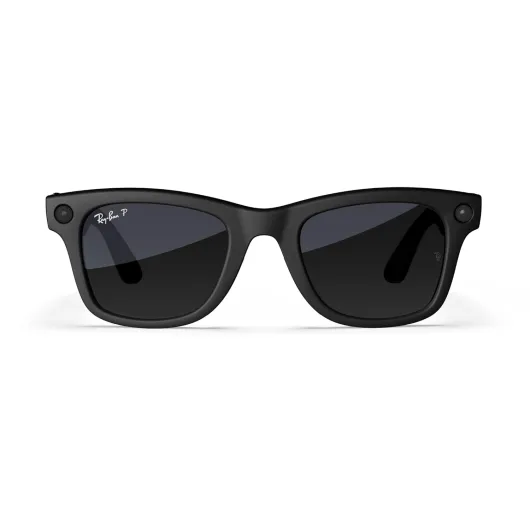
- + Iconic Wayfarer design with a sleek matte black finish
- + 12 MP camera for high-quality still photos
- + Video recording capability for hands-free capture
- + Open-ear speakers allow ambient listening and situational awareness
- + Bluetooth connectivity for easy pairing with phones

Selecting cat ethernet grades for 4K and 8K luxury surveillance
High resolution security cameras demand more from every security camera ethernet cable than legacy HD systems ever did. A 4K camera streaming at high bitrates over a long black cable run will quickly expose any weakness in the ethernet infrastructure, especially when several cameras share the same PoE switches. In multi wing villas or penthouse duplexes, the cumulative load of many security camera feeds makes proper cat ethernet selection non negotiable.
For most luxury projects, Cat 6 ethernet cable offers an excellent balance between performance, flexibility, and price. Cat 6 is specified for 1 Gbit/s up to 100 m and can often support 10GBASE‑T up to around 37–55 m, which is sufficient for clusters of 4K cameras and NVR uplinks. When the camera system includes 8K cameras with bitrates in the 40–80 Mb/s range or very long cable runs, Cat 6A cables provide more headroom and reduce the risk of future bottlenecks as new security cameras are added. Integrators often specify different cables for interior CMR riser rated segments and exterior direct burial underground segments to match both performance and safety requirements.
Inside the residence, a CMR riser rated cable or a CSA/UL CMR listed cable is typically used in vertical shafts and technical risers. These riser rated options comply with fire codes such as UL 1666 for flame propagation in riser spaces while keeping signal quality high for every security camera in the stack. For owners who obsess over network resilience as much as over a luxury grade Wi Fi password strategy, aligning cable categories with the broader smart home network plan is as important as choosing the right router or mesh nodes, which is explored in depth in this guide on creating a luxury grade Wi Fi security baseline.
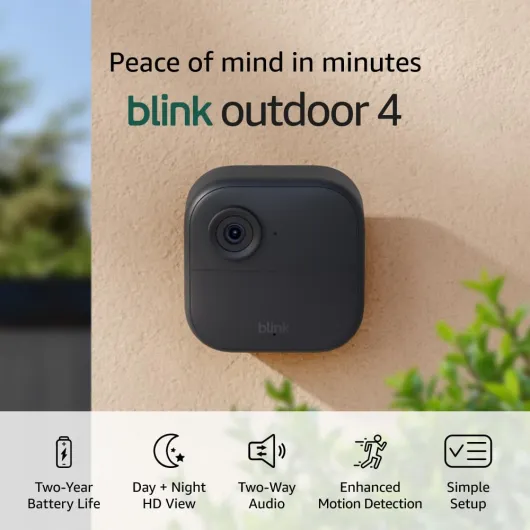
- + Wireless design for flexible installation
- + 2-year battery life reduces maintenance
- + 1080p HD day and infrared night live view
- + Two-way talk for real-time communication
- + Sync Module Core included for simplified setup
Direct burial, riser rated and treated direct cables for estate scale layouts
Large estates introduce a new layer of complexity, because a security camera ethernet cable may need to cross gardens, driveways, and pool areas before reaching the main network rack. In these scenarios, direct burial ethernet cable becomes essential, since it is engineered to withstand moisture, soil acidity, and temperature swings. When these burial underground runs are combined with interior CMR riser segments, the result is a seamless backbone for security cameras across the entire property.
Direct burial cables are usually thicker than standard camera cables, with a tougher jacket and sometimes gel filling to resist water ingress. A rugged outdoor rated jacket helps protect the cable when landscapers, gardeners, or contractors work near the route, reducing the risk of accidental damage to the camera system. For ultra discreet layouts, designers often specify black cable jackets that visually disappear against dark stone, timber, or shadow lines.
Inside the main residence, a CSA/UL CMR riser cable is preferred for vertical shafts, while standard indoor rated cables can be used for short horizontal runs to each security camera. This mix of riser rated and direct burial solutions ensures that every ethernet cable segment is optimized for its environment, from the wine cellar to the perimeter fence. For owners managing forensic grade video archives, the stability of these cables directly affects the accuracy of time stamps and watermarks, a topic explored in this analysis of luxury smart homes and forensic video reality.
Designing an elegant wired security topology with PoE switches
Beyond the physical cable, the elegance of a luxury camera system depends on how each security camera ethernet cable is integrated into the network topology. A well planned layout groups cameras by zone, then connects them to dedicated PoE switches that balance power budgets and bandwidth. This approach keeps security camera traffic predictable and reduces the risk of congestion when many cameras stream simultaneously to a central recorder.
In a typical high end installation, each wing of the property has its own PoE switches feeding a local rack, with Cat 6 or Cat 6A cables linking back to a core switch. Short patch leads connect each camera to the nearest switch, minimizing signal loss and simplifying maintenance when a product needs upgrading. The result is a layered system where every ethernet cable has a defined role, from backbone links to last meter camera connections.
Luxury focused integrators also pay attention to aesthetics in technical spaces. Black cable bundles are neatly dressed, labeled by camera and zone, and routed through dedicated trays to avoid visual clutter. This level of discipline makes it easier for technicians to trace a specific security camera cable during servicing, which reduces downtime and protects the integrity of the overall security system.
Luxury buying behavior, pricing dynamics and online cart experiences
Affluent customers increasingly expect the same refined experience when buying a security camera ethernet cable as when ordering designer lighting or bespoke furniture. They compare the price of premium cables, read detailed reviews, and expect transparent information about ratings such as CMR riser compliance or direct burial suitability. Even when they delegate installation to an intégrateur, they still want to understand why one cabling option costs more than another.
Online platforms such as Amazon and specialist boutiques now curate high end camera cables, often presenting them as part of a combo with compatible security cameras and PoE switches. Customers can add a complete camera system to the cart, including each ethernet cable length, black or white jacket options, and accessories such as junction boxes. Many of these retailers highlight free shipping thresholds and fast shipping order handling, which matters when a project timeline is tight.
On luxury focused e commerce sites, the add to cart flow is often optimized around clarity rather than aggressive upselling. When you add a security camera or several camera units, the interface suggests matching cables, riser rated variants, and direct burial underground options with clear explanations. This curated add cart experience respects the buyer’s time and reinforces trust in the product selection.
From fashion grade aesthetics to discreet camera cables in design led homes
In design driven residences, the visual impact of every security camera ethernet cable is scrutinized as carefully as the fixtures and finishes. Architects and interior designers collaborate with security consultants to route camera cables through shadow gaps, custom millwork, and concealed conduits. The goal is to maintain uninterrupted lines while still delivering robust wired security performance.
Some luxury projects take inspiration from the new wave of wearable tech designers, where technology is integrated so seamlessly that it becomes almost invisible. The same philosophy applies to security camera layouts, where black cameras blend into dark soffits and cable paths follow architectural rhythms rather than purely technical routes. This design centric approach is explored in depth in this feature on fashion designers shaping discreet wearable technology, which parallels how camera system components can be aesthetically tamed.
Even when the product is as utilitarian as an ethernet cable, luxury minded customers expect a coherent visual language. Matching cable colors, minimal visible conduits, and carefully positioned security cameras all contribute to a sense of calm rather than surveillance anxiety. When executed well, the entire system feels like part of the architecture, not an afterthought imposed on it.
Key statistics shaping luxury security camera ethernet cable decisions
To translate these design and engineering choices into practical decisions, it helps to combine industry data with a concise technical overview of cable options.
| Cable type | Typical use case | Max data rate & distance | PoE power (IEEE 802.3af/at/bt) | Recommended jacket / rating |
|---|---|---|---|---|
| Cat 6 UTP / F/UTP | Standard 4K IP cameras, short backbone links | 1 Gbit/s to 100 m; 10GBASE‑T typically 37–55 m (per TIA‑568‑C.2) | Up to 30 W (PoE+) comfortably; up to 60 W with careful bundling | CM for open spaces, CMR for risers, outdoor UV jacket for exterior runs |
| Cat 6A F/UTP / S/FTP | 8K cameras, dense camera clusters, long estate backbones | 10 Gbit/s to 100 m (Ethernet Alliance 10GBASE‑T guidance) | Up to 90 W (PoE++ / 802.3bt) with reduced temperature rise | CMR or CMP indoors; gel filled direct burial or outdoor rated jacket outside |
| Direct burial Cat 6 / 6A | Underground runs to gates, gardens, pool houses | Same as matching category, assuming 100 m channel limit | Supports full PoE class if pair resistance is within spec | Water blocking gel or tape, UV resistant PE jacket, often shielded |
| CMR riser rated | Vertical shafts, risers, multi storey drops | Follows Cat 6 / 6A electrical specs | Suitable for PoE and PoE+ in bundled riser runs | Tested to UL 1666 for flame spread in riser spaces |
- According to IPVM’s “IP vs Analog Video Surveillance 2023” adoption report (ipvm.com), more than 70 % of new professional video surveillance installations now use Ethernet based IP cameras rather than analog models, which makes the choice of each ethernet cable critical for long term reliability.
- Testing summarized by the Ethernet Alliance in its “10GBASE‑T over Cat 6A Cabling” guidance shows that Cat 6A cables can support up to 10 Gbit/s over 100 m runs, giving luxury estates enough bandwidth headroom for multiple 4K security cameras on a single cable segment.
- Fire safety standards such as UL 1666, “Standard for Flame Propagation Height of Electrical and Optical‑Fiber Cable Installed Vertically in Shafts,” require CMR riser rated cables in vertical shafts, and non compliant cable substitutions have been linked to increased smoke propagation in building fire simulations conducted by the National Fire Protection Association (see NFPA research on cable fire performance).
- Market research from IHS Markit’s “Residential Security and Smart Home – Video Surveillance” studies indicates that direct burial and outdoor rated cables account for a growing share of cabling in large residential security projects, reflecting the expansion of security camera coverage to gardens, pools, and perimeter fences.
- Consumer surveys by Parks Associates in “Connected Consumers in the Home” show that customers who understand the difference between wired security and purely wireless systems report 25 % higher satisfaction with video quality and reliability when their installations use properly specified camera cables.
FAQ about luxury grade security camera ethernet cable choices
Is Cat 6 enough for a luxury 4K camera system ?
Cat 6 ethernet cable is sufficient for most 4K security cameras, especially when runs stay under 55 m and PoE power demands are moderate. For very long cable runs or dense clusters of security devices, Cat 6A offers more bandwidth headroom and better future proofing. In ultra large estates, many integrators mix Cat 6 for short camera drops with Cat 6A for backbone links.
When should I use direct burial ethernet cable on my property ?
Direct burial ethernet cable is essential whenever a security camera ethernet cable must run through soil, under lawns, or across outdoor areas without conduit. These burial underground cables have tougher jackets and moisture protection, which prevents failures caused by water ingress or shifting ground. For maximum resilience, many luxury projects combine outdoor direct burial cable outdoors with CMR riser rated cable indoors.
Why does riser rated or CMR matter for interior camera cables ?
Riser rated and CMR cables are designed to limit flame spread and smoke propagation in vertical shafts, which is crucial for building safety. When a camera system uses CSA/UL CMR riser cable in these spaces, it aligns with fire codes and insurance expectations. Using non rated cables in risers can compromise both safety and regulatory compliance in a high value property.
Are wired security cameras better than wireless models for luxury homes ?
Wired security cameras connected via ethernet cables generally deliver more stable video, lower latency, and more predictable power through PoE switches. In luxury homes with complex layouts and thick materials, wireless signals can be inconsistent, while a properly installed camera system with quality cabling remains reliable. Many projects still add a few wireless units for flexibility, but the backbone remains wired.
How should I evaluate price versus quality for premium camera cables ?
When comparing the price of camera cables, focus on category rating, jacket type, and certifications such as CSA/UL CMR riser or outdoor direct burial. Higher quality ethernet cable often costs slightly more but reduces maintenance, downtime, and the risk of replacing damaged runs behind finished walls. For luxury properties, this small premium is justified by the value of the assets and the expectation of uninterrupted security.