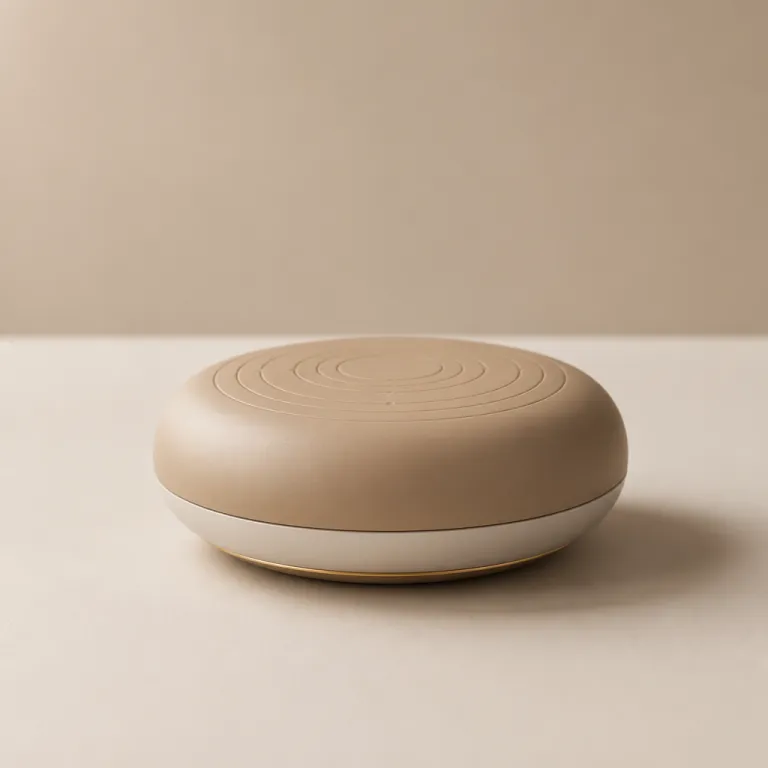
Unified smart home control for luxury properties
Most high end homes now hide a quiet problem behind beautiful façades. Owners juggle separate apps for lighting, shading, climate control, home security, audio zones, and scattered smart devices, turning what should feel effortless into a low level management job. A unified smart home control platform or whole home automation system replaces this chaos with one orchestration brain that treats the entire residence as a single responsive instrument.
Think about how you currently control home routines across different systems and products. One app handles security cameras, another manages climate and energy efficiency, a third tweaks multiroom audio, while yet another governs landscape lighting and pool features smart enough to schedule themselves. When one cloud dependent control system fails, the rest of the stack often collapses unpredictably, whereas a properly designed unified automation architecture fails in a contained, understandable way.
For homeowners in the $1.5 million plus bracket, this fragmentation now feels out of step with the rest of the property. In that tier, integrated home automation and robust home systems are no longer perceived as upgrades but as table stakes, much like stone countertops or high performance glazing. The real differentiator is whether the home technology has been shaped around a single, resilient control system that can coordinate every smart home function with low latency and high reliability.
Why architecture beats gadgets in luxury smart homes
The temptation is always to add one more impressive device rather than rethink the underlying system. Yet in luxury smart homes, the most transformative move is choosing an architecture where all control systems, from lighting to audio, report to one brain instead of competing hubs. This unified automation layer turns a collection of smart devices into a coherent home system that behaves predictably under stress.
Consumer level platforms such as Apple HomeKit or Google Home with Gemini offer a taste of unified control, but they still rely heavily on cloud services and mixed vendor reliability. In a typical setup, Gemini helps interpret natural language requests and route them to compatible devices, but the decision making still lives largely in remote data centers. Prosumer ecosystems like Control4, and ultra premium platforms such as Savant or Crestron, shift more processing into the home technology rack, where local controllers handle automation scenes even when the internet fails. That local focus means a lighting scene, a climate control adjustment, or a home security arming sequence executes in tens of milliseconds, not seconds, preserving the sense of effortlessness that defines a genuinely home smart experience.
In this tier, the integrator becomes as critical as the architect or interior designer. A skilled professional installation team designs the control system topology, specifies compatible products, and programs the automation logic so that homes feel intuitive rather than technical. When you read about a 12 megapixel CCTV camera with a 12 millimeter lens becoming a statement piece of smart home elegance, the real story is not the glass but the way the camera, the security cameras network, and the wider home control systems are orchestrated through a single, resilient brain that understands context.
Local processing, graceful failure, and the hidden cost of the cloud
Cloud services made early smart home experiments accessible, but they also introduced fragility. When every command for lighting, climate, or audio must leave the home, hit a remote server, then return, latency creeps in and reliability quietly erodes. A unified smart home control approach with strong local processing keeps essential automation running inside the home system, so scenes still execute even when the outside world misbehaves.
Graceful degradation is the key concept that separates luxury home automation from hobbyist setups. In a fragmented stack, when one hub or cloud service fails, unrelated devices and solutions can misbehave in surprising ways, from stuck blinds to unresponsive home security sensors, because no single control system understands the overall state. In a well designed unified automation architecture, the control home logic defines clear fallbacks, so if remote access drops, local keypads, touch panels, and core security cameras still operate normally.
This matters even more when your property includes guest suites, staff areas, and exterior structures that depend on reliable home control. A luxury integrator will often specify redundant controllers, isolated networks for critical systems, and on site monitoring to help maintain uptime. In a typical 8,000 square foot property, that might mean dual processors for the main automation brain, a separate VLAN for security devices, and a service contract that includes quarterly remote health checks. When forensic reality intersects with luxury smart homes, such as reconciling on screen display timestamps with watermark times in recorded video, the value of a coherent, centrally managed control smart architecture becomes obvious, because every subsystem reports to the same authoritative clock and log.
Design forward control: invisible technology, tangible calm
Affluent homeowners rarely want to see the technology that runs their homes. They want to feel it working, quietly, as lighting warms in the evening, climate control adapts to occupancy, and audio follows them from room to terrace without visible clutter. A unified smart home control environment enables this kind of invisible choreography, because one brain can coordinate subtle cues across multiple devices and rooms.
Design led control systems now favor minimalist keypads, discreet touch panels, and context aware interfaces over walls of switches. Products such as Lutron Palladiom keypads or Control4 contemporary interfaces reduce visual noise while still giving tactile access to core home automation scenes, from home security arming to energy saving night modes. When these elements are tied into a single control system, a button labeled “Evening” can dim lighting, lower shades, adjust climate, activate perimeter security cameras, and start a curated audio playlist with one press.
This is where professional installation earns its premium. The integrator maps how homeowners actually live, then programs home control scenes that reflect daily rituals rather than generic features smart enough to impress in a showroom. In one retrofit of a 6,500 square foot home, for example, the team consolidated more than 40 separate apps into a single interface and cut average interaction time for common tasks by roughly half. Paired with discreet wearables or glasses that surface context aware prompts, such as high end AI enabled eyewear tested in detailed reviews, the result is a home technology environment that feels anticipatory instead of demanding attention.
Choosing your tier: from consumer hubs to ultra premium brains
Not every property needs a six figure control system, but every serious project benefits from a deliberate choice of tier. At the entry level, consumer smart home platforms provide basic home control, linking popular smart devices into simple scenes that cover lighting, locks, and a few security cameras. They suit compact homes where failure modes are tolerable and energy efficiency gains are a welcome bonus rather than a mission critical requirement.
Prosumer ecosystems such as Control4 occupy the middle ground, ideal for substantial homes where owners expect reliable automation across many rooms and subsystems. These platforms support deeper integration with home systems like distributed audio, advanced climate control, and structured home security, while still remaining accessible for homeowners who want to learn and adjust scenes over time. A typical whole home Control4 installation for a mid size luxury property might range from $25,000 to $75,000 depending on scope. Ultra premium solutions from Savant or Crestron go further, offering bespoke interfaces, custom logic, and integration with virtually any technology an integrator can access, from pool systems to private cinemas and complex energy management.
Across all tiers, the principle remains constant. The most valuable upgrade is not another isolated gadget but a unified automation brain that can help coordinate every system, from humble home smart sensors to flagship audio products, into one coherent experience. When that brain is chosen carefully, installed professionally, and tuned to the rhythms of your life, the technology finally recedes and the home itself becomes the luxury object.
FAQ
Is a unified smart home control luxury system worth it for an existing home?
Retrofitting a unified control system into an existing home is often worthwhile when you already own multiple smart devices and feel friction managing them. A skilled integrator can usually reuse much of your current hardware, then add a central controller, upgraded networking, and refined interfaces. For a larger property, that might mean a budget starting around $15,000 for a focused retrofit and scaling up with added subsystems. The result is fewer apps, more reliable automation, and a home that feels intentionally designed rather than pieced together.
How does local processing improve smart home reliability and responsiveness?
Local processing keeps critical automation logic inside the home, on dedicated controllers or hubs, instead of relying on remote cloud servers. When scenes such as lighting changes, climate adjustments, or security arming run locally, they execute faster and continue working even if the internet connection fails. In many high end systems, common actions complete in under 100 milliseconds, which feels instantaneous to occupants. This architecture is especially important in larger homes, where delays and outages are more noticeable and more disruptive.
What is the role of a professional integrator in luxury home automation?
A professional integrator designs, installs, and programs the entire home technology stack, from control systems and networking to audio, lighting, and security. They translate how you live into specific scenes and interfaces, then ensure that all devices communicate reliably under one unified brain. In luxury projects, they also provide ongoing maintenance, monitoring, and updates to keep the system stable over many years.
Can consumer platforms like Apple HomeKit or Google Home replace high end systems?
Consumer platforms are excellent for smaller homes or simpler needs, offering good interoperability and easy setup at relatively low cost. High end systems add deeper integration, custom interfaces, stronger local processing, and more predictable behavior at scale, which matters in complex properties with many subsystems. The right choice depends on your home’s size, your tolerance for occasional glitches, and how central automation is to your daily routines.
How should I plan for future devices when designing a unified system?
Planning for future devices starts with choosing an ecosystem that supports open standards, strong integrator communities, and regular software updates. A good integrator will design extra capacity into racks, networks, and controllers, so new products can be added without major disruption. Focusing on a robust architecture rather than specific gadgets ensures your unified system can evolve gracefully as technology advances.