
Eclipsa Audio vs Dolby Atmos in the luxury living room
In high end home cinema circles, comparisons between Eclipsa Audio and Dolby Atmos are starting to surface, but much of the conversation is still speculative. At the time of writing, “Eclipsa Audio” is not a widely documented commercial brand or finalized consumer standard, and public statements from Samsung or Google refer instead to work around IAMF (Immersive Audio Model and Formats) and other open technologies rather than to a specific, shipping format called Eclipsa. For anyone planning a six figure media room, that distinction matters: you are not choosing between two equally entrenched labels so much as weighing a mature proprietary ecosystem against an emerging open, IAMF based approach that may be branded differently by the time it reaches your living room.
Dolby Atmos has defined premium immersive audio for years, with object based spatial rendering, precise surround sound placement and tight integration with Dolby Vision for synchronized image and sound. In that ecosystem, every piece of hardware from TVs and soundbars to dedicated processors pays licensing fees for the audio format, and those costs quietly flow into the price of your Samsung flagship television, your Android media player and your custom installed surround system. By contrast, the Eclipsa concept is typically described as an open source style alternative built on IAMF, aiming for Atmos level spatial precision while removing licensing barriers that have long influenced which devices and rooms could host true three dimensional sound.
The headline narrative is that companies such as Samsung and Google are exploring royalty free immersive audio built on Alliance for Open Media work, but official product roadmaps rarely use the Eclipsa name in public documentation. What is clear is that Samsung’s recent TVs, from Crystal UHD panels to Neo QLED 8K and Micro LED flagships, increasingly emphasize support for next generation codecs and open standards alongside traditional Dolby implementations. For a luxury tech enthusiast following the Alliance for Open Media era, the real question is whether your next sound system will be locked into one proprietary ecosystem or glide across brands, streaming platforms and hardware generations with far greater freedom as open, IAMF based solutions mature.

The business case: royalty free immersive sound for elite systems
For hardware makers, the economics behind a royalty free immersive format versus Dolby Atmos are as tangible as aluminium heat sinks and milled steel chassis. Dolby’s object based technology requires per device licensing fees, which scale across millions of TVs, soundbars, smartphones, tablets and high end receivers, and those licensing costs inevitably shape which tiers of products receive full spatial audio support. When an IAMF based, open standard arrives under the Alliance for Open Media umbrella, it changes the calculus for every premium sound system and for every boutique integrator specifying hardware for a penthouse cinema, even if the eventual consumer facing brand name differs from “Eclipsa Audio.”
Samsung has publicly committed to integrating more open codecs and Alliance for Open Media technologies across its television lineup, which implies that even entry Crystal UHD panels could support advanced immersive sound without incremental Dolby licensing on the audio side. In its 2023 and 2024 TV announcements, Samsung repeatedly highlighted AV1 decoding and participation in AOM as part of its long term roadmap, signalling that future models are being engineered with open media formats in mind. At the top end, Neo QLED 8K and Micro LED models can allocate more bill of materials budget to better speakers, more powerful amplifiers and refined spatial processing rather than to format fees, which is precisely where affluent listeners actually hear the difference.
Content creators also stand to gain from this shift, especially those working in Pro Tools or similar production environments for immersive mixes. Today, mixing in Dolby Atmos often means navigating licensing, certification and specific hardware requirements, which can be a barrier for smaller studios that still aspire to cinema grade surround sound. With an open, royalty free format positioned alongside Atmos, production teams can experiment with spatial audio for streaming platforms like YouTube, then deliver that content to a global audience without worrying whether each viewer’s sound system has paid for the right Dolby license, a subtle but powerful democratization of immersive sound.
For readers who obsess over every link in the signal chain, this business shift also intersects with upstream components such as high end DACs and preamps. When manufacturers no longer allocate as much budget to licensing fees for a single proprietary format, they can invest more in discrete analog stages, better clocking and cleaner power supplies that elevate both open standard mixes and traditional Dolby tracks. If you are already tuning your system with reference grade converters, a guide to why your ears deserve better than stereo and how spatial audio fits into that journey will help you understand how these format economics translate into audible gains in your listening room.
Technical quality: can eclipsa match atmos for the discerning ear ?
On paper, the comparison between a hypothetical Eclipsa style implementation and Dolby Atmos looks like a clash between a mature incumbent and a younger, more flexible challenger. Dolby’s format has years of refinement in cinemas, home theaters and mobile devices, with finely tuned metadata for object placement and a proven track record of reliable surround rendering across wildly different speaker layouts. IAMF, the technical foundation often associated with Eclipsa discussions, is designed to deliver the same level of immersive precision, with audio objects that can move seamlessly through three dimensional space and adapt to any compatible sound system configuration through standardized metadata and rendering rules.
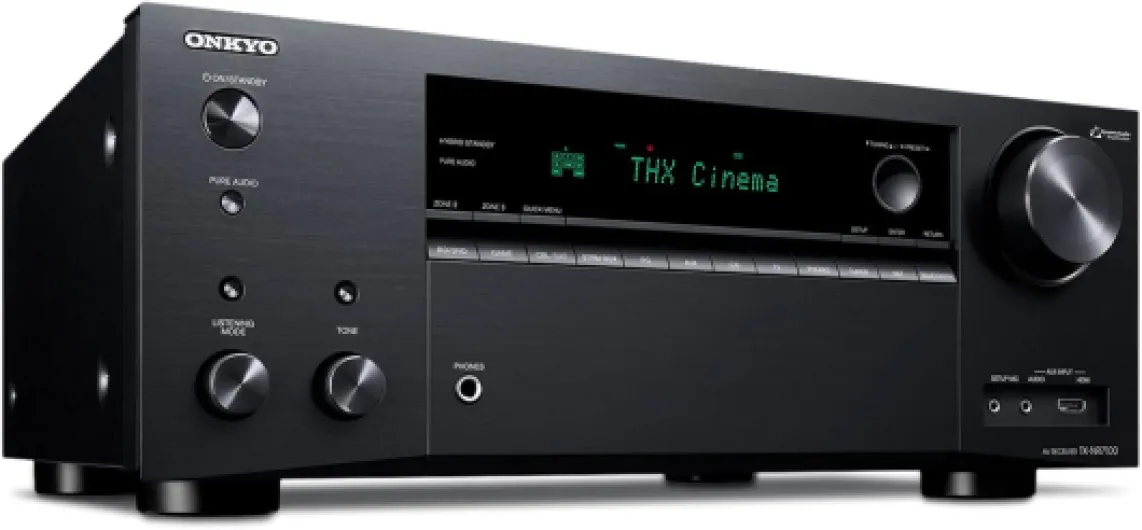
For the audiophile listener, the question is not only whether an IAMF based mix can place a helicopter overhead but whether the timbre, dynamic range and micro detail match the best Dolby Atmos reference tracks. Early demonstrations on Samsung TVs and soundbars paired with THX certified amplifiers, where available, suggest that modern spatial engines can render immersive sound fields with convincing height, depth and lateral movement, especially when the system performs automatic room analysis to correct for reflections and asymmetries. When you feed high quality content from streaming platforms into such a system, the difference between an open standard implementation and a Dolby based one becomes less about raw capability and more about how each ecosystem handles mastering, loudness and dynamic headroom.
Luxury home theater installers will care deeply about how these formats behave in mixed hardware environments where a Samsung display might sit alongside a European boutique amplifier and custom in wall speakers. Because IAMF is being developed as an open specification, it encourages a broader range of hardware makers to implement compatible decoders without negotiating bespoke licensing, which should lead to more consistent spatial performance across brands. If you are planning a new immersive room or upgrading an existing surround layout, resources on elevated luxury home audio systems for immersive private listening can help you map how Dolby Atmos and emerging IAMF based solutions will interact with your chosen amplifiers, processors and speaker arrays.
Impact on existing Dolby Atmos based luxury installations
Many readers already own meticulously tuned rooms built around Dolby Atmos, with ceiling speakers, calibrated sub arrays and processors that cost more than compact cars. In those spaces, the arrival of any new open standard is not a question of starting over but of how gracefully an additional format can coexist with an entrenched ecosystem. The most realistic scenario is that Dolby encoded content and IAMF based mixes will live side by side for years, with premium sound system controllers switching between audio decoders as each piece of content demands.
If your current setup relies on a flagship Samsung display with full Dolby Vision and Atmos support, future firmware updates or hardware upgrades may add open standard decoding without removing existing capabilities, depending on the specific model and manufacturer roadmap. That means your existing library of Atmos films, DTS based discs and current streaming platforms will continue to play as intended, while new IAMF mixes arrive as an additional option rather than a replacement. For integrators, the key will be specifying processors and soundbars that can handle multiple spatial standards, ensuring that surround sound remains seamless whether the content originates from a UHD Blu ray, a high end media server or an Android based streaming stick.
From a design perspective, the physical layout of your speakers remains valid for both approaches, because immersive audio objects in Dolby and IAMF are mapped to the same general three dimensional grid. The main difference lies in how each system interprets metadata and how much flexibility hardware makers have in tailoring their decoders without incurring extra licensing fees. If you are planning incremental upgrades, such as adding a new reference DAC or rebalancing your front stage, a detailed guide to top rated DACs for luxury audio enthusiasts can help you ensure that both Dolby Atmos and open standard streams are treated with equal finesse from source to speaker.
The open standard advantage and the role of Samsung and Google
The most strategic aspect of the current debate is the shift from a proprietary licensing model to open, royalty free standards backed by major industry players. Samsung and Google are not acting alone here; they are part of the Alliance for Open Media, where each member, from Apple to Netflix, has a vested interest in reducing licensing fees and increasing interoperability across audio and video formats. Public documentation from AOM has focused heavily on video codecs such as AV1, while work on IAMF and related audio technologies is still evolving, so any specific “Eclipsa Audio” branding should be treated as shorthand for this broader open standard initiative rather than as a fully launched, universally supported product.
For luxury buyers, the open standard advantage translates into more choice and less lock in when assembling a high end sound system. You might pair a Samsung Micro LED display with a European integrated amplifier, a Japanese surround processor and bespoke speakers from a British atelier, all of which can implement IAMF compatible decoding without negotiating separate Dolby licensing. That flexibility encourages innovation in hardware design, because engineers can focus on better power supplies, quieter enclosures and more refined spatial algorithms rather than on meeting the exact constraints of a single proprietary audio format.
Streaming platforms also gain leverage in this transition, because they can host both Dolby Atmos and royalty free immersive tracks without paying per device licensing fees for the latter. YouTube’s experiments with spatial audio and open codecs are especially significant, as they open immersive sound to a vast ecosystem of content creators who previously might have avoided three dimensional mixes due to cost and complexity. When those creators can work in Pro Tools or similar production suites and publish immersive content that plays consistently across Android devices, Samsung televisions and other compatible hardware, the result is a richer catalog of spatial experiences for discerning listeners who expect their home theaters to rival boutique cinemas.
What this means for your next ultra premium home theater build
Planning a new reference grade cinema now means treating Dolby Atmos and emerging open standards as a dual format reality rather than a binary choice. Your architect and integrator should specify a sound system that supports today’s dominant proprietary codecs and has a clear path to IAMF based decoding, with enough processing headroom to handle future updates in spatial algorithms and metadata handling. That usually points toward modular processors, robust networked amplifiers and TVs or soundbars from brands like Samsung that have publicly committed to Alliance for Open Media technologies alongside traditional Dolby implementations.
When selecting hardware, pay attention to how each component handles immersive audio beyond the logo on the box. Some devices treat spatial sound as a checklist feature, while others invest in advanced room correction, precise bass management and flexible surround layouts that can adapt to both next generation formats and legacy standards. For a luxury tech gadgets passionate reader, the goal is not simply to tick the Dolby Atmos or open standard box but to build a coherent system where every link, from Android based streamers to high current amplifiers, respects the integrity of the original content.
Finally, consider how your content library will evolve as streaming platforms expand their immersive catalogs. Services that currently prioritize Dolby may begin offering parallel IAMF based tracks, especially for high profile releases and live productions, while user generated platforms embrace open source spatial audio for experimental formats. By specifying hardware that will support multiple audio standards and by working with integrators who understand the nuances of immersive production, you ensure that your home theater remains a flexible, future ready space where format wars happen behind the rack, not in your listening chair.
Listening beyond the logo: how to evaluate formats with your own ears
Ultimately, the debate around Eclipsa Audio and Dolby Atmos matters less as a branding exercise and more as a framework for how you experience music, films and games in your own space. The most reliable way to judge any format is to listen critically on a calibrated sound system, using familiar reference tracks that highlight spatial cues, dynamic swings and subtle ambience. When you compare different mixes of the same content, focus on how naturally sounds move through the room, how stable the phantom images feel and whether immersive sound enhances emotion rather than distracting from it.
In practice, that means working with an installer or studio that can feed multiple formats into your room, ideally from the same streaming platforms or local sources, while you sit in your usual listening position. Pay attention to how each approach handles challenging scenes, such as dense orchestral passages, crowded city soundscapes or quiet dialogue with complex room tone, because these reveal how well the spatial engine preserves clarity and intent. Remember that hardware, room acoustics and production choices all interact with the underlying format, so a well tuned open standard system can easily outperform a poorly implemented Dolby setup, regardless of logos or licensing.
For those who already work with content creators or own small production spaces, experimenting with both Atmos and IAMF oriented workflows in Pro Tools or similar software can deepen your understanding of how metadata, object placement and rendering differ. As open source tools mature around new standards, you will see more flexible pipelines that reduce friction between production and playback, especially on Android devices and Samsung displays that are likely to support these formats natively. In the end, the most luxurious aspect of this shift is not a specific brand name but the freedom to choose the combination of audio, hardware and content that best serves your taste, your room and your time.
Key figures shaping the future of immersive audio formats
- Dolby has reported that more than 2.5 billion consumer devices support Dolby Atmos worldwide, illustrating how deeply entrenched the format is across TVs, soundbars, smartphones and home theater hardware (Dolby company data, recent reporting).
- YouTube reaches over 2 billion logged in users each month, so any decision to add broader support for royalty free immersive formats could expose spatial audio content to a dramatically larger audience than traditional premium streaming platforms (YouTube public statistics).
- Global spending on home audio equipment, including sound system components and surround sound receivers, exceeded 30 billion US dollars recently, with the premium segment growing faster than the mass market as affluent consumers invest in immersive sound experiences (industry market research firms such as Futuresource and Grand View Research).
- Alliance for Open Media members collectively represent a majority of global streaming traffic, meaning that when a member group aligns behind an open source audio format, it can rapidly influence which codecs and spatial standards become default for new content production.
- THX certification programs for home theater equipment have expanded to cover immersive audio systems, signaling that quality benchmarks are evolving from simple channel counts to more sophisticated metrics around spatial accuracy and room corrected performance.
FAQ: Eclipsa Audio, Dolby Atmos and your luxury home theater
Will Eclipsa Audio replace Dolby Atmos in high end systems ?
An open, IAMF based format is unlikely to replace Dolby Atmos outright in the near term, especially in luxury installations where significant investments already exist. Instead, most premium systems will support multiple immersive standards, allowing content from different streaming platforms and production pipelines to play back as intended. For buyers, the smart move is to choose hardware that can decode Atmos today and has a clear roadmap for open standard support so that future changes in licensing or content availability do not limit what your system can reproduce.
Can existing Dolby Atmos speakers work with Eclipsa Audio ?
Yes, the same physical speaker layouts used for Dolby Atmos, such as 5.1.4 or 7.1.6 configurations, can also reproduce IAMF based immersive audio because both rely on object based rendering mapped into three dimensional space. The difference lies in the processing inside your receiver or processor, which must support the relevant format to render spatial cues correctly. When manufacturers add open standard decoding through firmware or new models, your existing speakers and cabling can remain unchanged.
How will royalty free licensing affect the price of premium hardware ?
Royalty free licensing for open immersive formats removes one cost line from the bill of materials for TVs, soundbars, receivers and other devices. In the luxury segment, manufacturers are more likely to reinvest those savings into better components, such as higher quality amplifiers, improved power supplies or more advanced room correction, rather than simply lowering prices. Over time, this should raise the baseline performance of premium hardware that supports open standards alongside Dolby Atmos.
What should content creators know about producing in Eclipsa Audio ?
Content creators who already work with Dolby Atmos or DTS based workflows will find many conceptual similarities in IAMF style production, because both use object based spatial audio and metadata driven rendering. The key advantages of an open standard are its royalty free nature and the absence of per device licensing fees, which can simplify distribution on platforms like YouTube and other streaming services. As tools and plug ins for IAMF mature in Pro Tools and other digital audio workstations, creators will gain more flexibility to deliver immersive sound without being tied to a single proprietary ecosystem.
Is it worth waiting for more Eclipsa compatible devices before upgrading ?
If you are planning a major home theater build, it is sensible to prioritize hardware that either already supports open immersive formats or has a clear roadmap for adding them alongside Dolby Atmos. However, there is no need to delay upgrades indefinitely, because high end processors and displays from brands like Samsung are designed to handle firmware updates and evolving audio standards. The most future proof strategy is to invest in robust amplification, quality speakers and flexible processing, then let format support evolve through software as the balance between proprietary and open immersive audio continues to play out.