Why time precision in luxury video security defines real value
In a high end residence, the real luxury of video security is precise time alignment. When a homeowner invests in flagship security cameras and elegant recording platforms, they expect every second of surveillance footage to be as reliable as their banking records. That expectation collapses the moment a discrepancy between on screen display (OSD) video time and the embedded watermark time appears on critical clips.
On screen display, or OSD, is the visible timestamp burned into the digital video stream, while the invisible watermark timestamp is embedded at the data level by the DVR or network video recorder (NVR). In a luxury security installation, both timestamps should match so closely that every camera channel and each recording system can withstand legal scrutiny and insurance audits. When those timecodes drift apart by even a few seconds per day, the entire surveillance architecture risks losing evidential weight, no matter how premium the hardware may be.
For owners of architect designed villas and penthouse apartments, this is not a theoretical concern. A single minute of mismatch between OSD time and watermark time can undermine an alibi, complicate a burglary claim, or weaken a dispute with staff or contractors captured on CCTV footage. True luxury in camera security therefore means more than 4K resolution and wireless convenience; it means a rigorously calibrated time system where every recorder, every camera, and every piece of video infrastructure speaks the same precise time language.
- + Wireless design for flexible installation
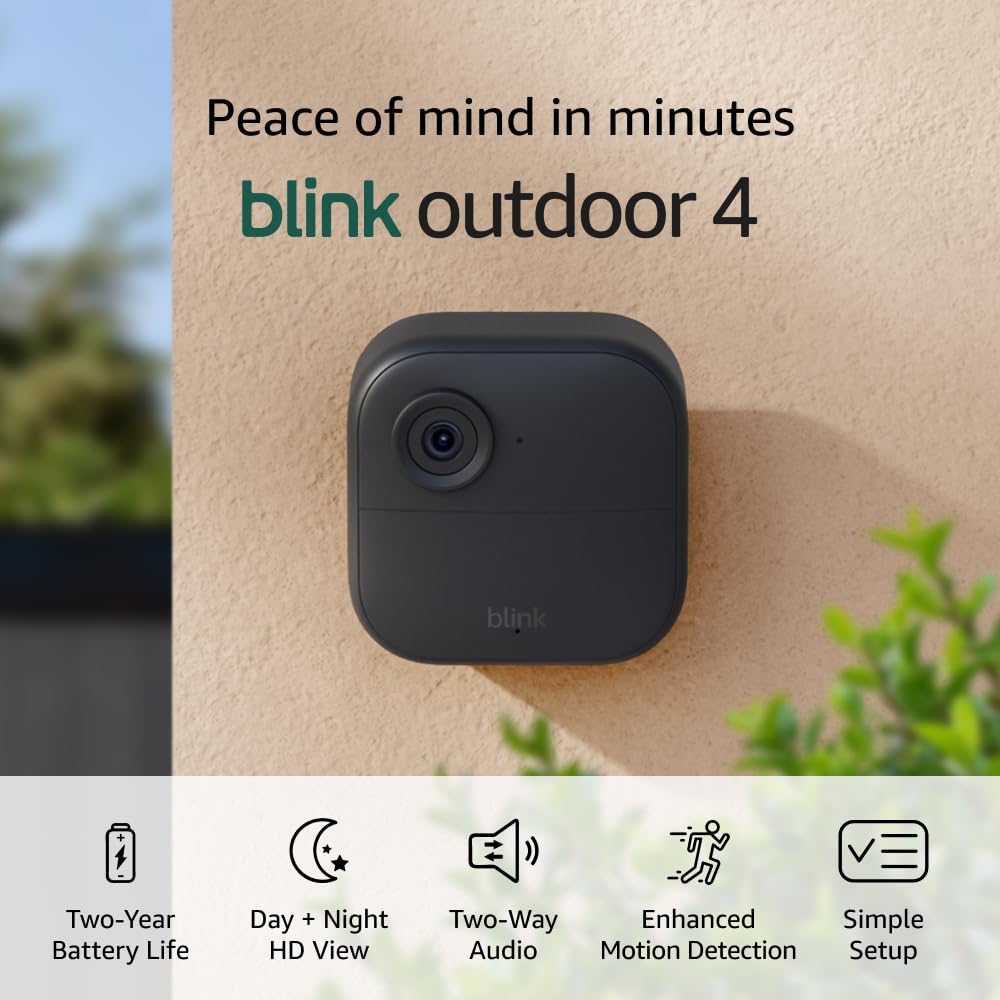
- + 2-year battery life reduces maintenance
- + 1080p HD day and infrared night live view
- + Two-way talk for real-time communication
- + Sync Module Core included for simplified setup

How OSD time, watermark time, and time zone settings fall out of sync
The most common cause of discrepancy between OSD video time and watermark time is misaligned clock settings inside the DVR or NVR. The OSD timestamp often follows the local time zone configured in the user interface, while the watermark may be written in Coordinated Universal Time (UTC), especially in advanced IP video systems. When daylight saving time (DST) changes or a technician adjusts settings manually, the visible OSD time can shift while the embedded watermark timestamps remain locked to UTC or to a network time protocol (NTP) server.
In multi level luxury properties, integrators frequently combine several camera platforms and recording appliances from different brands, each with its own default time settings and DST rules. One security camera might read local DST correctly, another device might ignore DST entirely, and a third recorder might sync to an external NTP server in UTC without offsetting for the property’s time zone. The result is a patchwork of surveillance devices where CCTV footage from different wings of the estate shows slightly different times for the same event.
This becomes especially problematic when the burglar alarm keypad, access control logs, and video timestamps must be correlated after an incident. If the alarm panel records an entry at 02:14 while the OSD overlay shows 02:10 and the watermark time decodes to 01:10 UTC, investigators must reconstruct a timeline manually. For a deeper look at how a discreet alarm interface can sit at the center of such a luxury security system, see this analysis of a burglar alarm keypad as a smart home centerpiece. When every subsystem logs time differently, even the most refined surveillance design starts to feel fragile.
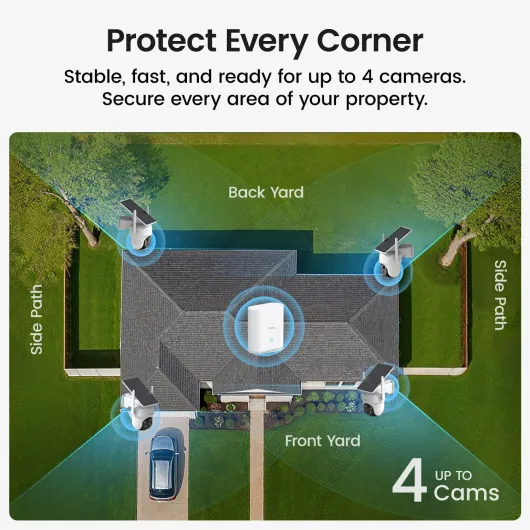
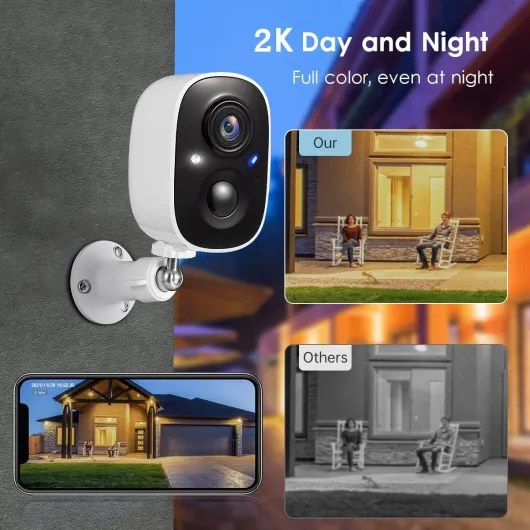
- + No subscription required — use locally without recurring fees
- + Solar-powered for extended, cable-free operation
- + Wireless design allows flexible placement and easy installation
- + 360° pan & tilt with auto-tracking for broad coverage
- + 2K color night vision improves low-light detail compared with basic IR
Smart home elegance meets forensic grade surveillance architecture
Luxury smart homes now blend wellness tech, climate control, and video monitoring into a single aesthetic narrative. Owners expect their security cameras and recording software to integrate as seamlessly with designer lighting as with their preferred fitness tracker or smartwatch. That same expectation of seamlessness must extend to the way each camera system handles time, timestamps, and synchronization with the broader security ecosystem.
In practice, this means specifying camera systems and digital video recorders that support robust NTP synchronization, granular time settings, and clear separation between UTC storage time and local display time. A well designed architecture will use a dedicated NTP server on the home network, then apply consistent time zone and DST rules across every recorder, every encoder, and every wireless node. Integrators should verify that the OSD timestamp, the watermark timestamp, and any exported CCTV footage all align when read on external forensic tools such as FFmpeg, ExifTool, or vendor specific export utilities.
High net worth clients often pair their surveillance with advanced lifestyle dashboards that also track health metrics, energy usage, and access logs. A premium GPS smartwatch, such as those reviewed in depth in this advanced fitness tracker and GPS watch test, can even serve as a personal reference clock when reviewing footage. When the same NTP server synchronizes the smart home hub, the climate control gateway such as a dedicated home internet gateway, and the video systems, the discrepancy between OSD time and watermark time can be reduced to negligible levels.
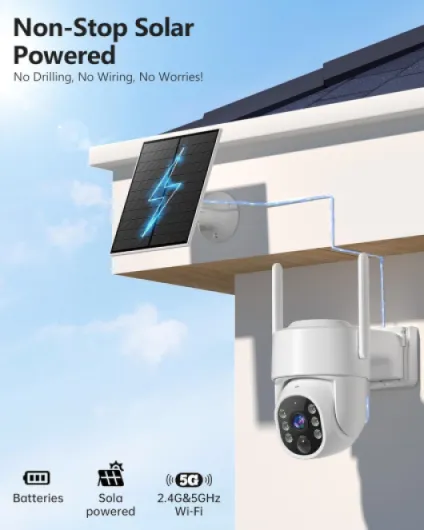
- + 2K resolution for clearer video than 1080p
- + Dual-band Wi‑Fi (5GHz & 2.4GHz) for flexible connectivity
- + Solar powered with wire-free installation
- + AI detection reduces false alerts (human/vehicle detection)
- + Two-way audio for live communication
Forensic implications of mismatched timestamps in luxury environments
When a luxury residence faces a security incident, the value of its camera systems is measured in evidential clarity, not in marketing specifications. A discrepancy between OSD video time and watermark time can raise doubts in the minds of insurers, opposing lawyers, or even law enforcement about the integrity of the footage. If a single camera shows a different time than the embedded watermark, an attorney can argue that the footage might have been edited or mismanaged.
From a forensic standpoint, the watermark timestamp is usually considered more trustworthy than the OSD overlay, because it is written at a lower level by the DVR or NVR and is less exposed to casual changes. However, when multiple cameras feed into different recorders or distributed security platforms, even the watermark timestamps can diverge if each recorder uses different NTP servers or incorrect time settings. In such cases, investigators must cross reference CCTV footage with external logs such as access control events, phone records, or vehicle telematics to reconstruct the true time sequence.
Luxury estates often employ private security teams who rely on real time video to coordinate responses. If the live OSD time on a camera view lags behind the actual time by several minutes, a patrol may be dispatched late to a perimeter breach, even though the hardware is technically functioning. Over time, this erodes trust in the surveillance infrastructure and can lead to costly overhauls of the entire security system, including upgrades to wireless links, recorder firmware, and centralized time zone management.
Engineering a time aligned camera security ecosystem
Building a truly luxurious video security ecosystem starts with a disciplined approach to time architecture. Every security camera, every encoder, and every DVR or NVR must be treated as a node in a distributed clock system. The goal is to eliminate any discrepancy between OSD video time and watermark time before the first incident ever occurs.
The most reliable approach is to deploy a single authoritative NTP server on the property network, then configure all camera systems, alarm controllers, and smart home hubs to synchronize against it at frequent intervals. On Linux based recorders, for example, this can involve configuring chrony or ntpd with a line such as server ntp.yourdomain.local iburst, then setting the correct time zone with tools like timedatectl. Integrators should document the chosen time zone, DST rules, and time settings, then lock down administrative access so that staff cannot casually adjust the clock on a recorder or camera.
During commissioning, technicians must export sample CCTV footage and verify that the OSD timestamp, the embedded watermark timestamps, and the time reported by external tools all match within a tolerance of less than one second. A simple test procedure is to place a reference clock (for example, a smartphone showing network time) in view of a camera, record a short clip, then decode the watermark time with FFmpeg or manufacturer software and compare it frame by frame to the visible clock. For estates with multiple buildings or remote villas, the same NTP hierarchy should extend across all surveillance nodes, even when wireless links or VPN tunnels are used.
Practical checklist for owners and integrators of luxury camera systems
Owners of high end properties should not leave time management solely to their integrators. A simple quarterly checklist can keep the discrepancy between OSD video time and watermark time under control. It also reinforces the message that time is a core asset of the security system, not a background detail.
First, schedule regular reviews where a trusted technician and the estate manager jointly verify time settings on all recorders, camera systems, and smart home controllers. During these sessions, they should confirm that every device synchronizes to the same NTP server, that the correct time zone and DST rules are applied, and that no unit has reverted to a factory default clock. Second, export sample CCTV footage from each recorder and DVR, then read both the OSD timestamp and the embedded watermark timestamps using professional tools such as FFmpeg, ExifTool, or the manufacturer’s forensic viewer to confirm alignment.
Finally, document any changes to surveillance infrastructure, such as firmware updates, new wireless links, or the addition of new cameras, and repeat the verification process after each change. Estate staff should be trained to report any visible anomalies in OSD time, such as clocks that jump after power outages or maintenance work on the network. When this culture of time awareness becomes part of the property’s routine, the luxury promise of its video systems extends beyond aesthetics into demonstrable, defensible reliability.
Key figures on time accuracy and surveillance reliability
- According to guidance from the National Institute of Standards and Technology (NIST), well configured NTP on a local area network can typically maintain clock accuracy within a few milliseconds of the reference source, which is far better than the one second tolerance usually required for aligning OSD and watermark timestamps in digital video systems.
- Industry reports on video evidence handling, including summaries published by the Security Industry Association (SIA), note that timestamp inconsistencies are a recurring factor in disputed CCTV footage, highlighting how poor time settings can undermine otherwise high quality surveillance cameras and recording platforms.
- Large scale video deployments in critical infrastructure often mandate daily NTP synchronization checks, because even a drift of 2 to 3 minutes over several weeks can compromise the correlation between access control logs, alarm events, and CCTV footage during forensic investigations.
- Premium network video recorders marketed to enterprise and luxury residential clients increasingly advertise support for multiple redundant NTP servers, reducing the risk of time drift if a primary time source fails or becomes unreachable on the security network.
FAQ – discrepancy between OSD time and watermark time in luxury security
Why does my security camera show a different time than the exported footage ?
This usually happens because the OSD time displayed by the camera follows local time settings, while the watermark timestamp embedded in the digital video is written in UTC or synchronized to a different NTP server. If the DVR or recorder has incorrect time zone or DST settings, the visible OSD clock and the embedded timestamps will drift apart. Aligning all devices to a single NTP server and verifying time settings on every recorder and camera typically resolves the issue.
Is watermark time more reliable than the OSD timestamp for legal purposes ?
In many forensic workflows, the watermark timestamp is considered more reliable because it is embedded at a lower level by the DVR or NVR and is harder to alter accidentally. However, courts and insurers will look at the overall consistency between OSD time, watermark time, and external logs such as alarm events or access control records. The strongest position is achieved when there is no discrepancy between OSD video time and watermark time across all cameras and recording systems.
How can I prevent time drift in a multi building luxury estate ?
The best approach is to deploy a centralized NTP server or a small cluster of NTP servers on the estate network, then configure all security systems, camera platforms, and smart home controllers to synchronize against them. Ensure that every camera, encoder, and recorder uses the same time zone and DST rules, and schedule regular audits to export CCTV footage and verify timestamp alignment. For remote buildings connected via wireless links or VPNs, confirm that latency does not prevent reliable time synchronization.
What should I ask my integrator about time management before signing a contract ?
You should request a documented time architecture that specifies the chosen NTP server, time zone, DST policy, and verification procedures for OSD and watermark timestamps. Ask how the integrator will test for any discrepancy between OSD video time and watermark time during commissioning, and how often they will revalidate time settings on recorders and camera systems. It is also wise to require a clear process for updating firmware on cameras and surveillance appliances without disrupting time synchronization.
Can smart home devices help verify my surveillance timestamps ?
Yes, many smart home devices such as GPS enabled watches, smartphones, and connected thermostats rely on highly accurate network time sources. By ensuring that these devices and your security system share the same NTP server, you can use them as reference clocks when reviewing CCTV footage or live video. This cross checking makes it easier to spot any emerging discrepancy between OSD time and watermark time before it affects a critical security investigation.
References
- National Institute of Standards and Technology (NIST) – for example, NIST Special Publication 800-52 and NIST Internet Time Service documentation describe Network Time Protocol behavior, time synchronization accuracy, and best practices for networked clocks.
- Security Industry Association (SIA) – guidance documents such as the SIA “Digital Video Quality Handbook” and SIA “Best Practices for Video Surveillance Evidence” discuss timestamp reliability, chain of custody, and handling of CCTV recordings.
- ONVIF – specifications including the ONVIF Profile G and ONVIF Core Specification outline network video interface standards and time synchronization mechanisms for IP based security cameras and recorders.