High-end robotics as the new status symbol in luxury tech
High-end robotics has become a discreet yet powerful status symbol. For affluent collectors, a humanoid robot in the living room now signals technological literacy and refined taste, not just wealth. These robots and mobile robots are moving from industrial halls into penthouses, yachts, and private galleries.
Luxury buyers evaluate each robot through the same lens they apply to a mechanical watch or a bespoke car, where craftsmanship, performance, and long term reliability matter more than headline specifications. The most advanced humanoid robots combine sculpted exteriors with state of the art actuators, sensors, and AI, enabling fluid movement in dynamic environments that once defeated traditional industrial automation. In this context, high-end robotics becomes a bridge between art object and functional assistant, elevating everyday tasks into curated experiences.
Brands like Boston Dynamics and ABB have unintentionally entered the luxury conversation, as their industrial robots and the Atlas platform inspire limited edition concepts for private clients. The electric Atlas prototypes, originally designed for demanding industrial tasks and material handling, are now referenced by designers who want similar agility in domestic humanoid robots. For connoisseurs, the key attraction is not only raw performance but also how the robot’s height weight ratio, battery life, and life hours translate into graceful, almost theatrical motion within a carefully designed interior.
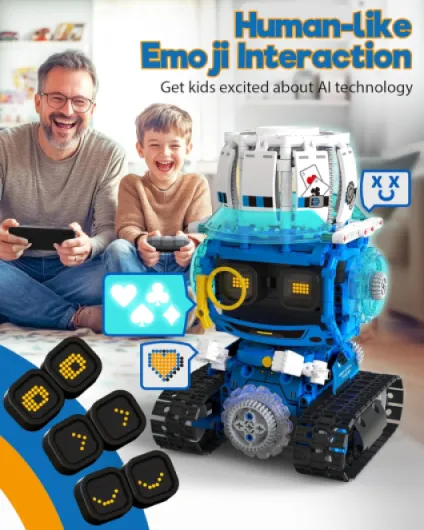
- + Versatile 5-in-1 designs encourage creativity and replayability
- + Large set 494 pieces allow for complex and varied builds
- + STEM learning promotes coding, engineering and problem-solving skills
- + Remote & app-controlled offers multiple control options and interactive play
- + Interactive sound and light features increase engagement

Humanoid design, proportions, and the aesthetics of movement
For luxury tech enthusiasts, the appeal of a humanoid robot begins with proportions. Height weight balance, joint placement, and material choices all influence how humanoid robots move through a space filled with rare furniture and art. When robotics engineers collaborate with industrial designers, the result can resemble kinetic sculpture as much as a functional machine.
High-end robotics projects now treat the humanoid form as a canvas, where carbon fibre shells, polished alloys, and soft touch composites create a visual dialogue with high horology and designer wearables. In the same way a collector evaluates a watch for its movement and finishing, they examine a humanoid robot for its gait, micro gestures, and real time responsiveness to people. This is why companies at the forefront of robotics news emphasise video demonstrations that showcase robots performing delicate tasks, such as serving drinks or presenting a watch tray without disturbing surrounding objects.
Boston Dynamics has set a benchmark with Atlas, whose athletic movements inform what affluent buyers expect from future general purpose humanoid platforms. Even when the electric Atlas concept remains industrial, its state of the art control inspires domestic interpretations that prioritise elegance over brute force. As luxury fashion tech evolves, some clients already pair high-end robotics with bespoke wearables, taking cues from designer wearables redefining luxury fashion tech to ensure visual harmony between human and robot.
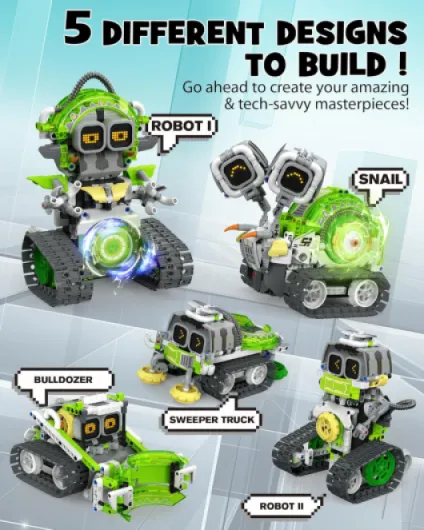
- + Versatile 5-in-1 models for varied play
- + Large 478-piece set offers extended building time
- + App & remote control enable interactive robotics play
- + STEM and coding focus promotes learning and skills development
- + Suitable for kids across ages 6–12
Performance, battery life, and the quiet power of industrial heritage
Behind the polished exteriors of luxury robots lies a deep industrial heritage. ABB and other industrial automation leaders have spent decades refining robots for material handling, assembly, and inspection, and this expertise now informs the performance envelope of high-end robotics for private estates. When a company adapts mobile robots from warehouses to villas, it brings proven reliability, safety, and life hours into a more intimate environment.
Affluent buyers scrutinise specifications such as battery life, height weight ratios, and payload capacity, because these metrics determine how seamlessly a humanoid robot can handle domestic tasks. A general purpose humanoid that can operate for many hours without recharging, while maintaining stable performance in dynamic environments, becomes a trusted member of the household staff rather than a novelty. Video demonstrations on platforms like YouTube help potential owners learn how robots transition from industrial to residential roles, often highlighting how electric Atlas derivatives or similar platforms manage stairs, doors, and fragile objects.
High-end robotics also intersects with other luxury tech domains, such as waterproof drones and autonomous security systems. A single integrated site may feature humanoid robots indoors, mobile robots in garages, and aerial devices patrolling perimeters, all coordinated in real time. For readers interested in this broader ecosystem, the analysis of waterproof drones in luxury tech illustrates how performance, durability, and design converge across categories.
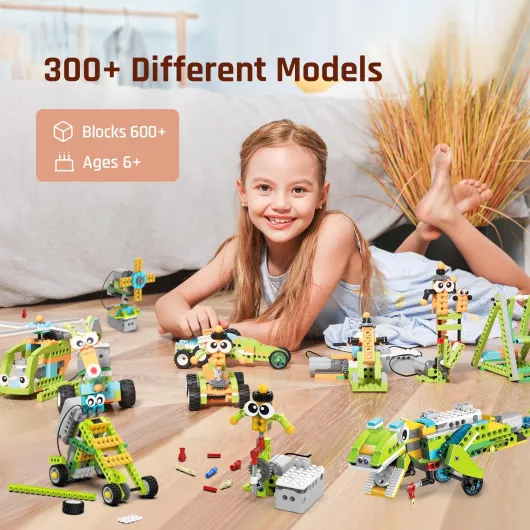
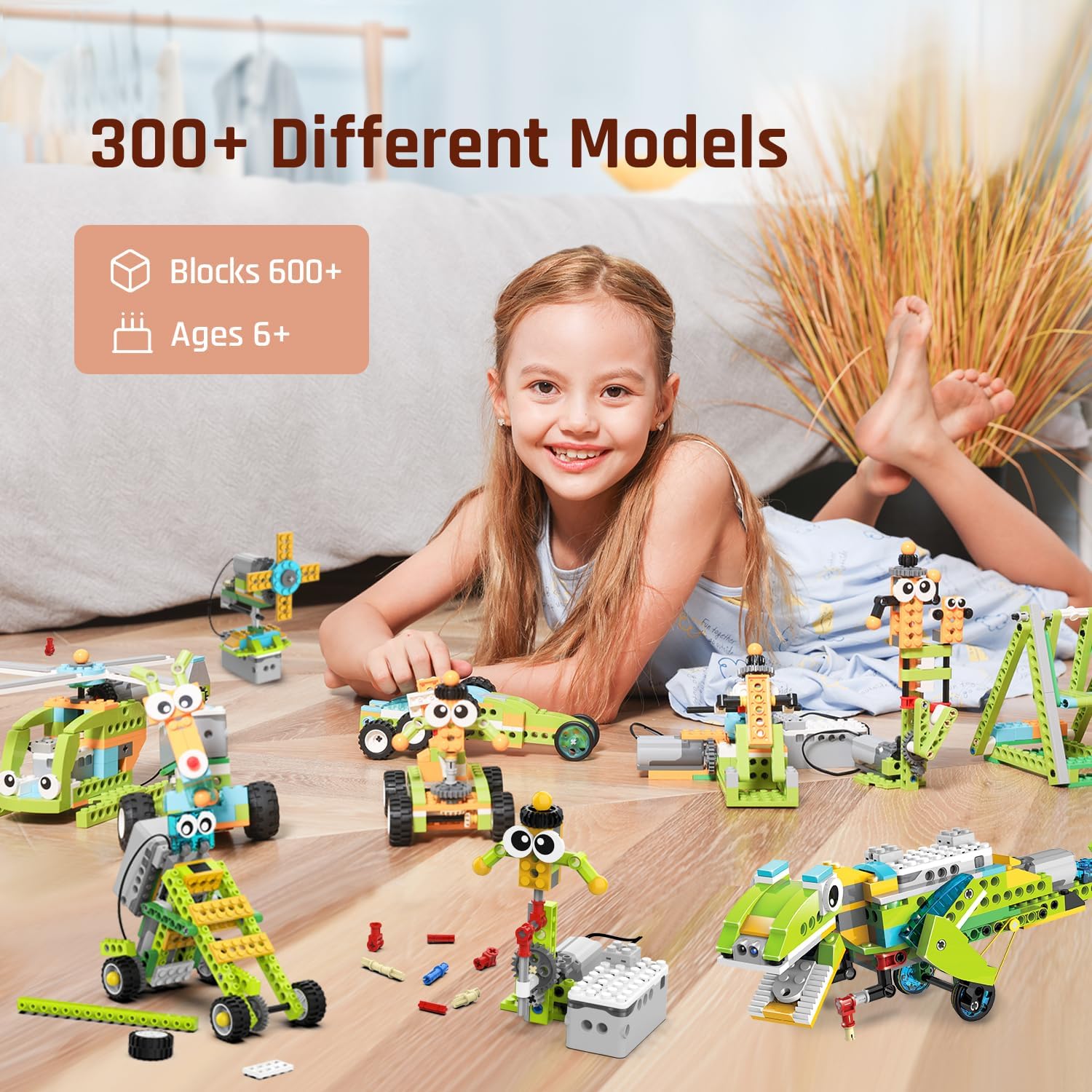
- + Educational — introduces coding with Scratch-style block programming
- + App-controlled with 200+ build modes for variety and replay value
- + Large kit (600 blocks) encouraging creativity and multiple models
- + Beginner-friendly suitable for kids ages 6+
- + Guided learning with 47 video courses to teach concepts step-by-step
AI, NVIDIA, and the rise of intelligent luxury companions
The intelligence of modern humanoid robots increasingly depends on powerful AI platforms. NVIDIA Corporation has positioned itself at the centre of high-end robotics by providing GPUs and software stacks that enable real time perception, planning, and control. For luxury clients, this means robots that can understand complex tasks, adapt to new layouts, and interact more naturally with guests.
Solutions such as NVIDIA Isaac give robotics developers a full simulation and deployment environment, allowing them to test humanoid robots and mobile robots in virtual replicas of private residences. This approach reduces risk, shortens development cycles, and ensures that a general purpose humanoid arrives already trained for specific rooms, furniture arrangements, and recurring tasks. When a company presents robotics news about new NVIDIA powered platforms, discerning buyers pay attention to how these systems handle dynamic environments, from crowded cocktail parties to changing lighting conditions.
High-end robotics also benefits from the broader NVIDIA ecosystem, where advances in computer vision, language models, and edge computing converge. Robots equipped with these capabilities can manage industrial style material handling in back of house areas while offering refined, almost concierge level service in front of house spaces. For security conscious owners, the ability to process data on site, rather than streaming every video feed to the cloud, aligns with stricter privacy expectations and reinforces trust in the overall system.
Privacy, data ethics, and the luxury of control
As robots become constant companions, privacy and data governance move to the forefront of luxury concerns. A high-end robotics installation typically includes multiple cameras, microphones, and sensors, all of which could expose sensitive information if mishandled. Sophisticated buyers now request detailed documentation on the robot’s privacy policy, data retention practices, and on site processing capabilities.
Manufacturers respond by designing robots and humanoid robots that minimise unnecessary data collection, encrypt communications, and allow owners to configure strict access controls. Some systems send only essential telemetry to the company, while keeping video and audio logs within a secure local server, ensuring that cookies and other tracking technologies on the companion site remain transparent and optional. This emphasis on privacy extends to mobile robots used for security patrols, which can operate in real time without streaming every frame to external servers.
Luxury clients also expect clear, elegant interfaces for managing permissions, whether through a tablet app, a watch companion, or a straight inbox summary of robotics news and system alerts. When a humanoid robot or electric Atlas derivative is updated over the air, owners want assurances that new features respect existing privacy policy commitments. In this context, control over data becomes as much a part of the luxury experience as control over lighting, climate, or curated playlists.
From industrial labs to private salons: where luxury robotics goes next
The trajectory of high-end robotics suggests a gradual migration from industrial labs to private salons. Early adopters often start with industrial robots or mobile robots in garages and workshops, then progress to more refined humanoid robots in living areas. Over time, the purpose humanoid concept evolves from simple tasks to more nuanced roles, such as hosting guests or assisting with wellness routines.
Companies like Boston Dynamics, ABB, and other robotics leaders are already exploring limited edition offerings for select clients, blending industrial robustness with bespoke finishes. As these projects mature, we can expect more general purpose humanoid platforms that balance height weight, battery life, and life hours with interior friendly aesthetics. For enthusiasts who follow every robotics news update, curated newsletters delivered straight inbox provide a convenient way to learn about new releases, performance benchmarks, and experimental electric Atlas derivatives.
In parallel, luxury estates are integrating robots into broader smart site architectures that include advanced security, climate control, and entertainment systems. Articles on topics such as elevated security in luxury tech environments show how door contacts, sensors, and AI can coordinate with humanoid robots for seamless protection. As high-end robotics continues to push the state of the art, the line between industrial automation and domestic elegance will blur, creating a new category of intelligent, beautifully crafted companions.
Key statistics shaping high-end robotics in luxury environments
- Global spending on advanced robotics for private and commercial estates is growing significantly, driven by demand for humanoid robots and mobile robots.
- Battery life improvements and extended life hours are enabling longer autonomous operation, reducing maintenance windows for high-end installations.
- Adoption of NVIDIA powered platforms in robotics is accelerating, enhancing real time perception and control in dynamic environments.
- Industrial automation expertise from companies like ABB and Boston Dynamics is increasingly repurposed for domestic and hospitality focused robots.
Questions luxury tech enthusiasts often ask about high-end robotics
How practical are humanoid robots in a private residence ?
Humanoid robots are becoming increasingly practical as their performance, battery life, and real time perception improve. In luxury homes, they can handle light material handling, simple hospitality tasks, and basic security patrols. Their value grows when integrated with broader smart site systems and carefully planned workflows.
What role does NVIDIA play in modern luxury robotics ?
NVIDIA Corporation provides the computing backbone for many advanced robots, including humanoid robots and mobile robots. With platforms such as NVIDIA Isaac, developers can simulate, train, and deploy robots that operate safely in dynamic environments. This results in smoother motion, better object recognition, and more reliable task execution.
How do privacy and data protection work with domestic robots ?
Responsible manufacturers publish a clear privacy policy and give owners granular control over data collection and storage. Many high-end systems process video and audio on site, limiting what is sent to external servers. Transparent use of cookies and secure communication protocols further protect sensitive household information.
Can industrial robots be adapted for luxury hospitality or retail spaces ?
Yes, industrial robots and electric Atlas style platforms can be adapted for front of house roles. Designers refine their appearance, tune their height weight balance, and program more graceful movements. The result is a state of the art installation that combines industrial reliability with a refined guest experience.
What should buyers look for when evaluating high-end robotics solutions ?
Buyers should assess performance metrics, battery life, life hours, and support from the company behind the robot. They should also examine how well the system integrates with existing infrastructure and whether it can handle dynamic environments. Finally, attention to privacy, security, and long term software updates is essential for a truly future ready investment.