Why the best luxury drones feel different in the air
Luxury drones start with the same basic promise as any expensive drone. They lift a camera into the sky, extend your eye, and turn every flight into a moving sketchbook of light and perspective. Yet the best luxury drones go far beyond a higher price and a longer spec list.
Think about the difference between a mass market sports watch and a hand finished chronograph; both tell time, but only one feels like a lifelong companion. A true luxury drone is built around that same philosophy, where the product is designed to be serviced, tuned, and cherished rather than replaced at the next sale on Amazon or during the next promotional cycle. The result is a camera drone that feels composed in the air, with every movement carrying the same quiet authority as a well balanced mechanical timepiece.
When you fly a high quality platform such as a DJI Inspire 3 or a carefully tuned DJI Mavic 3 Pro system, you notice how the airframe shrugs off gusts and how the three axis gimbal barely flinches. That stability is not only about raw power or max flight speed; it is about how the frame, motors, and flight controller are harmonised to keep the drone camera locked on target. Luxury drones turn each flight into a controlled gesture, not a constant correction exercise.
To see how this plays out in practice, it helps to compare a representative “premium” consumer model with a more rarefied platform:
- DJI Air 3 (upper mid range): dual camera system, 1/1.3 inch sensors, up to around 46 minutes of flight time, three axis gimbal, omnidirectional obstacle sensing.
- DJI Mavic 3 Pro (luxury prosumer): triple camera array including a Four Thirds type sensor, higher dynamic range, similar headline endurance but more robust wind resistance, refined three axis gimbal and more advanced image pipelines.
On paper the differences can look incremental, yet in the air the more sophisticated platform feels calmer, more predictable, and more camera centric, which is precisely what discerning pilots are paying for.
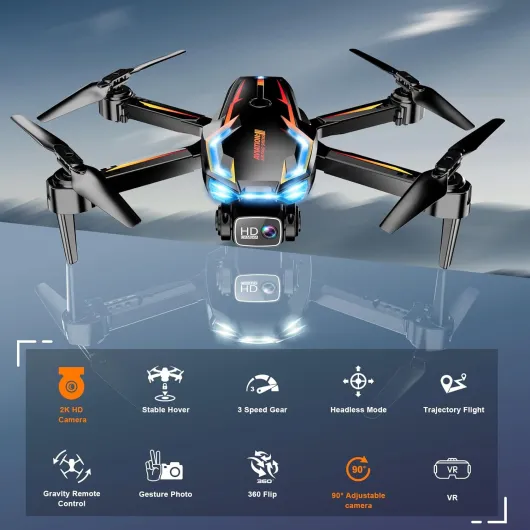
- + Foldable and portable design
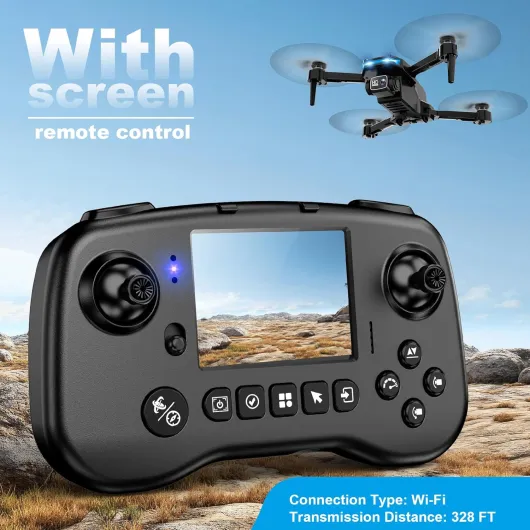
- + Built-in screen on controller for real‑time view
- + Two batteries included for longer flight sessions
- + Beginner-friendly features: one-key start and emergency stop
- + Gesture control and 3D flips for fun and easy interaction

Materials and build: carbon fibre, titanium and the feel of permanence
The clearest line between expensive drones and the best luxury drones is drawn in the materials. Most consumer drones rely heavily on injection moulded plastics, while luxury models introduce carbon fibre arms, magnesium alloy cores, and titanium fasteners in critical stress points. Those choices change not only durability but also how the drone responds when you fly close to its performance limits.
Carbon fibre arms reduce flex during aggressive manoeuvres, which keeps the three axis gimbal working within its ideal min max range instead of constantly fighting micro vibrations. That translates into cleaner video, sharper stills, and a camera that maintains alignment even during rapid changes in altitude or direction. Over time, this structural rigidity helps save both maintenance time and long term calibration headaches, especially for owners who use their drones regularly for real estate shoots or commercial drone photography projects.
Luxury airframes also tend to be modular, echoing the philosophy behind professional grade systems covered in in depth guides to professional grade luxury drones for elevated aerial artistry. Swappable camera modules on platforms such as the DJI Inspire series, hot swappable batteries, and reinforced landing gear turn the drone into a platform rather than a disposable gadget. When a camera drone is designed this way, the product feels closer to a high end camera system than to a toy, and the higher price begins to look like an investment in a long lived tool.
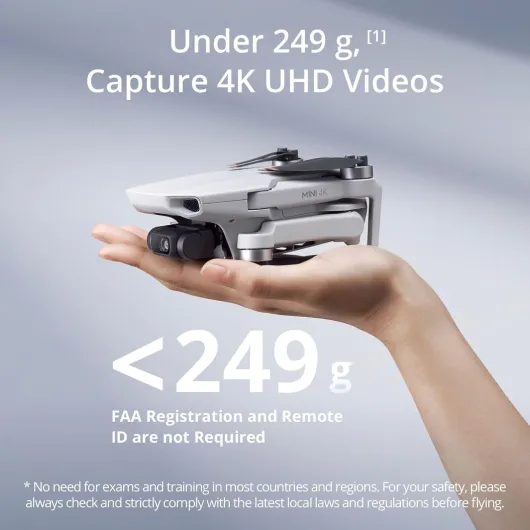
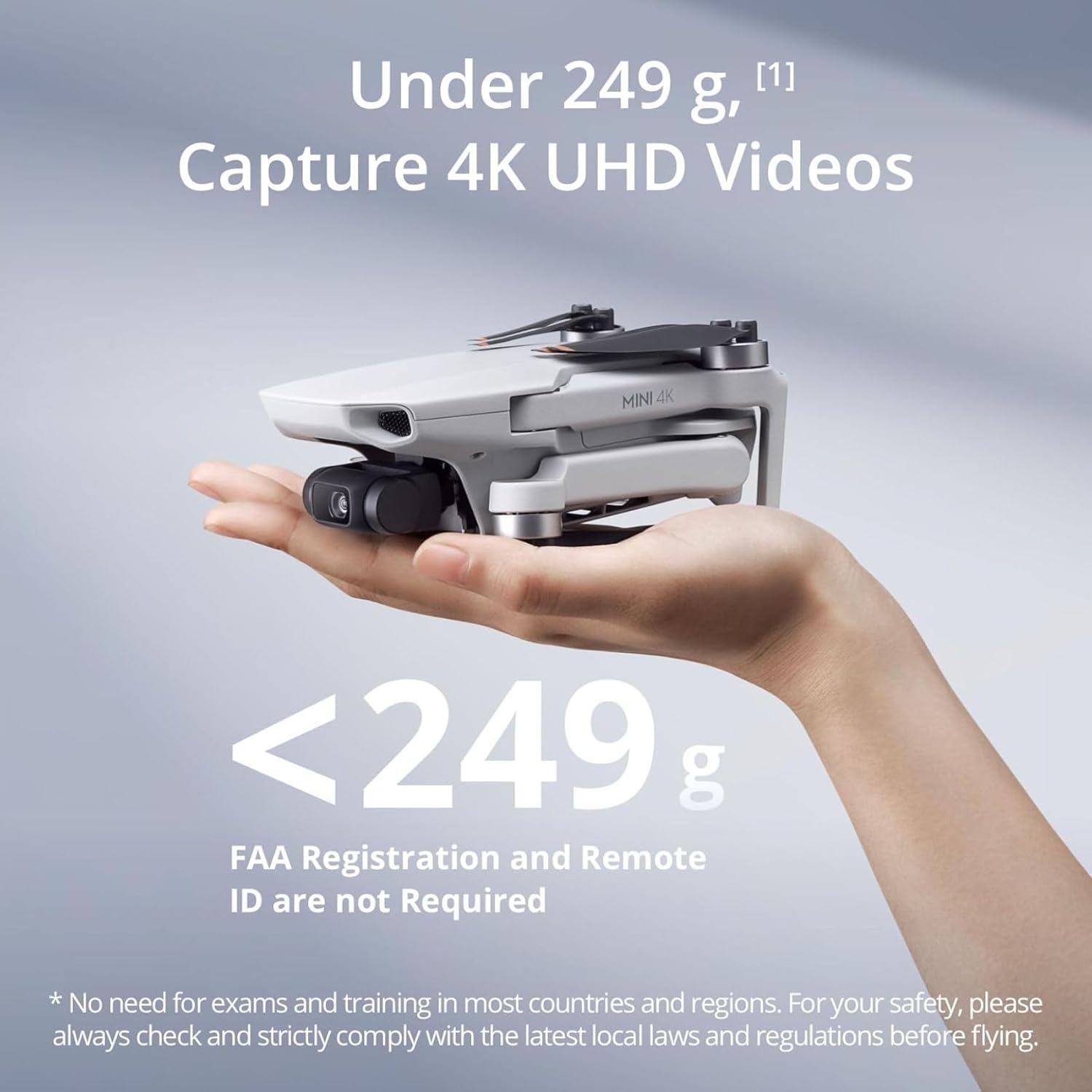
- + Ultra-light — under 249 g, easy to carry and often subject to lighter regulations
- + 4K UHD camera for sharp video and photos
- + 3-axis gimbal stabilization for smooth footage
- + Up to 10 km video transmission for long-range control
- + Auto Return for safer recovery
Flight intelligence: when AI makes luxury drones effortless to fly
For many affluent buyers, the real luxury is not raw performance but how little effort it takes to achieve cinematic results. The best luxury drones lean heavily on advanced flight computers, dense sensor arrays, and refined obstacle avoidance logic to make complex manoeuvres feel almost automatic. You are paying for a kind of aerial chauffeur, not just a faster engine.
Systems such as DJI Air 3, DJI Avata 2, and the more advanced DJI Mavic 3 lines use multi directional sensors to map their surroundings in real time and adjust their flight path before you even notice a tree branch in frame. This level of obstacle avoidance is not just a safety feature; it is a creative enabler that lets you fly lower, closer, and more confidently around architecture or natural features. When the drone understands its environment this well, you can focus on framing the video and stills rather than worrying about every centimetre of clearance.
Luxury focused fly combo kits often bundle intelligent flight modes that choreograph complex arcs, orbits, and tracking shots with a single tap, which is why many cinematographers now treat these drones as essential tools for refined aerial storytelling similar to those highlighted in guides to high performance cinematic drones. In practice, this means a non professional pilot can launch, fly, and land a sophisticated camera drone with confidence, while the system quietly manages wind compensation, max flight efficiency, and battery life optimisation in the background. The luxury is not only in what the drone can technically do, but in how gracefully it helps you do it.
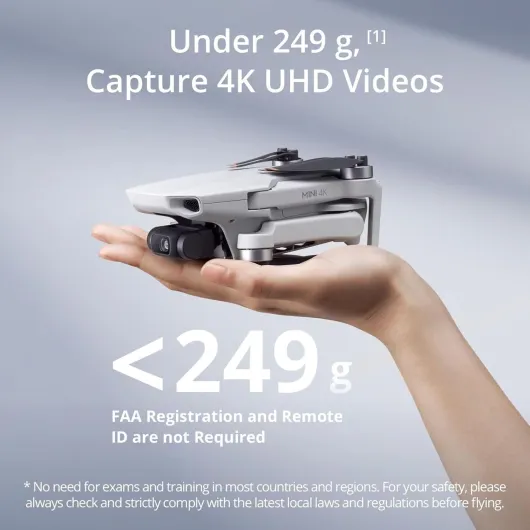
- + 4K UHD camera for sharp video and photos
- + Under 249 g lightweight design — often avoids strict registration rules
- + 93-min total flight time with 3 batteries for extended sessions
- + 3-axis gimbal for stable, smooth footage
- + 10 km video transmission for long-range control and live feed
Optics and gimbals: why luxury drones outshoot expensive cameras in the sky
Many expensive drones advertise a 4K camera and stabilisation, but luxury drones treat imaging as the core of the experience rather than a bullet point. The best luxury drones pair larger sensors with fast lenses, multi axis gimbal systems, and colour pipelines tuned to match professional cinema cameras. This is where the gap between a hobbyist drone and a serious aerial imaging tool becomes obvious.
Take the evolution from a compact DJI Mini 3 to a more capable Mini 4 Pro or Mavic 3 Pro class platform; both are technically small drones, yet the latter offers a larger Four Thirds type sensor, higher dynamic range, and a more sophisticated three axis gimbal that keeps the horizon level even during aggressive yaw moves. When you compare footage side by side, the luxury oriented camera drone delivers cleaner shadows, smoother highlight roll off, and a more organic motion cadence. For real estate professionals, architects, or content creators, that difference in image quality directly affects how their work is perceived and how much they can charge.
Luxury drones also tend to support higher bit rate codecs and log or RAW recording modes that slot neatly into professional post production workflows. This is where a drone begins to feel like a true extension of a high end camera kit, rather than a separate toy that happens to shoot video. For readers already investing in refined wearables and design forward devices covered in analyses of the luxury smartwatch landscape, it is the same logic; you are not just buying resolution, you are buying a visual signature.
Battery life, flight time and the quiet luxury of endurance
Endurance is one of the least glamorous yet most decisive aspects of what separates the best luxury drones from merely expensive ones. A longer flight time does more than reduce the number of battery swaps during a shoot; it changes how you plan, compose, and improvise in the air. When you know you have generous battery life, you are more willing to wait for the right light, the right wave, or the right car to enter frame.
High capacity intelligent batteries, efficient motors, and carefully tuned propeller geometry allow luxury drones to stretch each minute of flight into more usable shooting time. Systems such as the higher end DJI Mavic 3 series or refined sub 250 gram platforms like the DJI Mini 4 Pro are engineered to balance max flight efficiency with thermal management, so performance does not sag halfway through a session. In practice, this means you can fly longer arcs, attempt more complex tracking moves, and still land with a comfortable safety margin rather than nursing the battery from the first minute.
For owners using their drones in professional contexts such as real estate marketing, environmental surveys, or high end travel content, that endurance translates directly into productivity and creative freedom. You spend less time walking back to your case, swapping packs, and recalibrating, and more time actually shooting the video and stills that justify the investment. Luxury here is the absence of hurry, the sense that the drone is working on your schedule rather than forcing you to work on its.
Collectibility, ecosystems and why some drones age like cameras
Luxury technology is rarely about a single purchase; it is about entering an ecosystem that respects your investment over time. The best luxury drones mirror the behaviour of premium camera systems, where bodies, lenses, and accessories evolve together and hold value on the secondary market. This is where brands such as DJI, with lines like DJI Air, DJI Mini, and DJI Avata, have built something closer to a camera ecosystem than a gadget catalogue.
Limited edition finishes, special fly combo bundles, and collaborations with cinematographers or design studios are starting to appear in the drone space, echoing trends long established in luxury audio and horology. A well maintained Mavic 3 Pro or high spec Mini 4 Pro kit with extra batteries, ND filters, and a calibrated three axis gimbal can command strong resale prices, especially when paired with a documented service history. For collectors, the appeal lies in owning a piece of a lineage that includes reference platforms such as the Inspire series, which are built to be repaired, upgraded, and flown for years.
From a financial perspective, this means a higher initial price can be partially offset by better residual value and lower long term operating costs. When a drone camera system is designed with modularity, repairability, and ecosystem continuity in mind, it behaves more like a Leica or a Hasselblad than like a disposable gadget. In the luxury segment, that sense of permanence is often the most compelling feature of all, because it aligns with how discerning buyers already think about their other design forward tools.
Statistics: key figures shaping the luxury drone segment
- Industry reports from firms such as Bain & Company and Deloitte suggest that the wider luxury goods and experiences market is on track to exceed roughly 1.4 trillion US dollars by the middle of the decade, and premium drones are riding that wave as affluent buyers seek design led devices that integrate seamlessly into their existing ecosystems.
- Analysts at Fortune Business Insights and similar research houses have projected compound annual growth rates for the global drone market in the low double digits, with the professional and prosumer segments outpacing entry level drones as imaging quality and intelligent flight features become central purchase drivers.
- Real estate marketing studies frequently report that listings using high quality drone photography and video can generate view rates around 60 to 70 % higher than those without aerial imagery, underlining why agents increasingly invest in camera drones with strong obstacle avoidance and long flight time.
- Professional cinematography surveys and trade publications indicate that a growing share of productions now treat drones as standard camera units, with three axis gimbal systems and cinema grade codecs considered mandatory for aerial work rather than optional luxuries.
- Resale data from specialist marketplaces and auction platforms suggest that well maintained premium drones from established ecosystems such as DJI often retain a significantly higher percentage of their original price after several years compared with generic models, especially when sold with complete fly combo kits and documented battery life cycles.
FAQ
What actually defines a luxury drone compared with an expensive one ?
A luxury drone is defined less by headline specifications and more by how coherently the entire system is designed, from materials and modular construction to flight intelligence and imaging pipelines. Expensive drones may offer a strong camera or long flight time, but luxury drones integrate carbon fibre or metal structures, advanced obstacle avoidance, and professional grade three axis gimbals into a platform built for servicing and long term use. The result is a product that feels closer to a high end camera system than to a disposable gadget.
Are luxury drones worth the higher price for non professional pilots ?
For non professional pilots who value ease of use and consistent results, luxury drones can justify their higher price through intelligent flight modes, robust safety systems, and more forgiving handling. Features such as multi directional obstacle avoidance, automated return to home, and stabilised camera presets reduce the learning curve and the risk of costly mistakes. If you regularly shoot travel, real estate, or creative projects, the reliability and image quality can make the investment feel justified even without commercial work.
How important is obstacle avoidance in luxury drones ?
Obstacle avoidance is central to the luxury drone experience because it directly affects both safety and creative freedom. Advanced systems use multiple sensors to map the environment and adjust the flight path in real time, allowing you to fly closer to structures, trees, or terrain with confidence. This capability is especially valuable when capturing complex tracking shots or working in tight urban spaces where a collision would be both dangerous and expensive.
Do luxury drones hold their value better than standard models ?
Luxury drones from established ecosystems with strong support networks tend to hold their value better than generic models, particularly when they feature modular designs and professional imaging capabilities. Buyers on the secondary market look for camera drones with documented service histories, healthy batteries, and complete fly combo kits, which are more common in the premium segment. While depreciation is inevitable, the percentage of original price retained after several years is often higher for these well regarded platforms.
What should I prioritise when choosing among the best luxury drones ?
When choosing among the best luxury drones, prioritise the ecosystem and imaging capabilities first, then evaluate flight intelligence, materials, and service options. A strong camera with a high quality three axis gimbal and robust codec support will have the greatest impact on your footage, while reliable obstacle avoidance and long battery life will shape your day to day experience. Finally, consider how easily the drone can be repaired or upgraded, because long term support is one of the defining traits of a genuinely luxury platform.