

Why luxury tech now asks you to hold at an angle to reveal the security mark
High end smartphones, watches, and audio gear increasingly instruct owners to hold at an angle to view the security mark on casings, sapphire backs, or metal badges. This simple gesture turns a routine authenticity check into a tactile ritual that matches the emotional weight of a five figure purchase. When you tilt a device to reveal its hidden emblem, you are engaging with a layered system of document security translated into metal, glass, and composite materials.
Luxury brands borrow from high security document design, where every check and every official document hides multiple security features in the paper, ink, and fibers. In the same way that business checks use a void pantograph or a warning band to signal tampering, a limited edition smartphone may embed a micro printed serial, a padlock icon, or a thermochromic ink emblem that only appears when you tilt the chassis under light. These details are not decorative; they are engineered to resist copy attempts, check fraud style cloning, and sophisticated counterfeiting networks.
Collectors who are used to handling original checks, notarized papers, or high security certificates recognize the logic immediately. The device becomes a three dimensional original document, where each printed chemical layer, each reactive paper inspired coating, and each sensitive ink accent works together to create a unique identity. When you hold at an angle to view the security mark on a titanium bezel or ceramic back, you are essentially reading a luxury grade check security system translated into industrial design. Concrete examples now include limited runs of Swiss smartwatches that hide micro printed serials in the clasp and flagship phones that reveal a color shifting logo only when the glass back is tilted under a narrow beam of light.
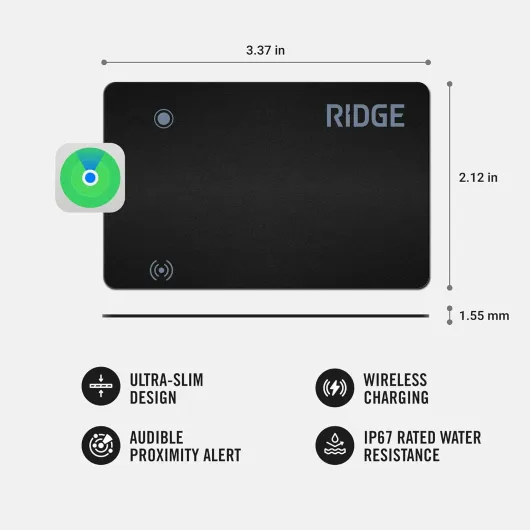
- + Compatible with Apple Find My for broad network-based locating
- + Slim, card-sized design fits wallets, passports, luggage tags and phones
- + MFi Certified indicating Apple-approved accessory standards
- + IPX67 water resistant for protection against dust and temporary immersion
- + Versatile item locator useful as a wallet finder and luggage/passport tracker

From bank checks to bezels : how document security migrated into luxury tech aesthetics
The visual language of luxury tech authentication comes directly from the world of checks and document security, where every square centimetre of paper is optimized against fraud. Traditional business checks rely on fluorescent fibers, micro printing, and heat sensitive or chemical reactive coatings to make any unauthorized copy immediately obvious. When you now tilt a smartwatch clasp or a wireless earbud case to reveal its hidden emblem, you are seeing those same security features reimagined as minimalist art.
Design studios collaborate with security printers who usually work on original document layouts, void pantograph patterns, and warning band typography for government papers. Instead of a flat sheet of reactive paper, they now work with layered sapphire, ceramic, or carbon fiber, embedding sensitive ink motifs and printed chemical tracers beneath polished surfaces. This is why a subtle padlock icon, a faint warning line, or a color shifting print can appear only when you hold at an angle to view the security mark under a specific beam of light.
For collectors who attend events such as Milan Design Week, where artisans and AI labs share the same stage, this crossover feels natural and inevitable. The same creative minds who once refined the layout of business checks now sculpt icons and security feature grids that wrap around curved displays and sculpted backs. When you read the fine details on a limited run device, you are effectively performing the same checks that a bank clerk would apply to an original check, only now the process is wrapped in a luxurious, gallery worthy object.
To see how this convergence plays out in real life collaborations between artisans and technologists, explore this in depth report on design week experiments blending AI labs with traditional workshops. The same mindset that protects a sensitive document or a high security certificate now shapes the way you hold at an angle to view the security mark on your most prized devices. Every check, every printed warning, and every subtle icon becomes part of a new luxury language.
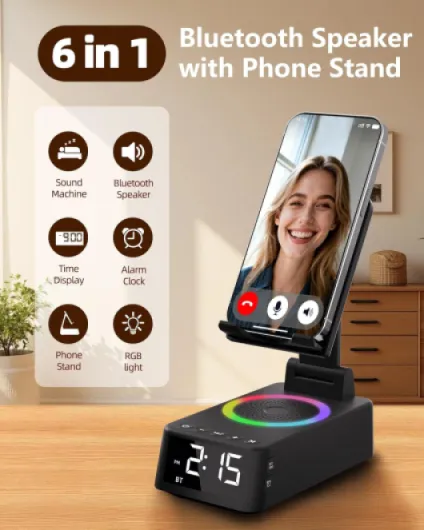
- + 3-in-1 multi‑function: phone stand, Bluetooth speaker and white noise machine
- + 20 soothing sounds to aid sleep and relaxation
- + Digital alarm clock for bedside convenience
- + Compact and space‑saving design for desk or nightstand
- + Wireless Bluetooth connectivity for easy phone pairing
Artistic tech pieces that turn security features into visible luxury
Some of the most coveted artistic tech pieces treat each security feature as a design opportunity rather than a hidden technical layer. When you hold at an angle to view the security mark on a hand finished amplifier faceplate or a custom mechanical keyboard, the shifting color, micro printing, and void patterns feel closer to fine art printing than to bank grade protection. Collectors now expect their devices to read like original documents, where every printed chemical accent and every sensitive ink flourish tells a story.
High security techniques such as void pantograph backgrounds, fluorescent fibers, and heat sensitive thermochromic ink are being adapted to aluminum, sapphire, and forged carbon. A designer might specify a reactive paper inspired coating beneath a glass back, so that a padlock icon or a warning band only appears when the device is tilted and warmed by the hand. This transforms the act of holding at an angle to view the security mark into a private performance, where the owner alone controls when the security features become visible.
For investors who treat limited run devices as alternative assets, the parallels with business checks and original checks are striking. A numbered run of 300 units might use micro printing around a logo, chemical reactive inks in the serial, and document security grade printing on the certificate that ships with the product. To understand why such details matter for long term value, many collectors now study analyses of collector grade tech as an alternative asset class, where check security logic and visual sophistication go hand in hand. Market commentary from luxury resale platforms indicates that authenticated limited edition devices with verifiable document style security marks can command resale premiums in the mid double digits compared with similar models lacking visible features, even though exact percentages vary by category and platform.

- + Large 20-inch magnified viewing for movies and games
- + 3D effect enhances perceived screen size and immersion
- + Foldable & portable — easy to carry and store
- + Universal compatibility with most smartphones
- + Battery-free passive design (no charging required)
How to read hidden marks : a collector’s guide to angled viewing rituals
Knowing how to hold at an angle to view the security mark correctly is now a core skill for serious luxury tech collectors. Start by identifying where the brand usually places its primary security feature, whether on the rear glass, the metal frame, or a discreet document style card that ships with the device. Then, under neutral light, rotate the object slowly until the printed icon, void pattern, or micro printing line comes into focus.
Many brands use layered color and ink combinations that behave like high security business checks, where a simple copy or scan will trigger a void message or distort the warning band. When you hold at an angle to view the security mark, look for subtle shifts in hue, the appearance of fluorescent fibers under UV, or the way a padlock icon may fade when warmed by the hand due to thermochromic ink. These checks are designed to be intuitive, so that even a non expert can read the difference between an original document grade finish and a crude copy.
Some manufacturers now include a small printed guide that explains each security feature, echoing the explanatory bands found on original checks and government documents. You might see references to reactive paper inspired coatings, chemical reactive layers, or sensitive ink zones that change under pressure or temperature. Treat this guide as you would a high security document legend, and repeat the process of holding at an angle to view the security mark until you can perform the ritual from memory. A simple checklist helps: inspect the mark under soft white light, tilt slowly through a 45 degree arc, warm the surface briefly with your hand, and finally compare what you see with the brand’s diagram or certificate to confirm that every expected reaction appears.

- + 4-in-1 multifunction: lamp, wireless charger, Bluetooth speaker and night light
- + Wireless charging for convenient cable-free charging
- + Touch controls for simple, intuitive operation
- + Dimmable LED enables adjustable brightness and ambiance
- + Portable design for easy placement and movement
Material alchemy : inks, fibers, and reactive layers in luxury devices
The materials behind these marks are as sophisticated as the devices themselves, drawing directly from decades of document security research. Security printers who once focused solely on checks and official papers now formulate inks and fibers that bond with ceramic, sapphire, and titanium without compromising aesthetics. When you hold at an angle to view the security mark on such surfaces, you are seeing a complex interaction between light, pigment, and micro structured layers.
Fluorescent fibers, once embedded only in high security paper, now appear as microscopic threads within composite backplates or woven straps. Sensitive ink and thermochromic ink, originally developed to protect business checks from check fraud and unauthorized printing, are reformulated as ultra thin coatings that respond to body heat or ambient temperature. This is why a void pantograph style pattern or a warning band may only become visible after you have held at an angle to view the security mark for several seconds, allowing the material to react.
Chemical reactive and printed chemical layers add another dimension, making it harder for counterfeiters to strip or overprint the original check style graphics on a device. If someone attempts to sand, polish, or re coat a surface, the security feature may trigger a permanent color shift or reveal a hidden icon. For collectors, understanding these reactions turns every inspection into a dialogue with the object, where each check, each print, and each subtle change confirms authenticity.
Business grade protection for personal collections : why it matters
Luxury tech collections now rival art portfolios in financial value, which is why brands are importing business grade check security into consumer products. A single limited edition smartphone or audio component can cost more than a year of rent, making check fraud style cloning and document level forgery a real threat. When you hold at an angle to view the security mark on such a piece, you are engaging with the same protection logic that underpins high security banking systems.
Manufacturers treat each certificate of authenticity as an original document, complete with micro printing, void pantograph backgrounds, and warning band text that explains the embedded security features. The device itself mirrors this approach, using sensitive ink, fluorescent fibers, and chemical reactive coatings to ensure that any unauthorized copy will fail basic checks. Collectors who understand how to read these cues, and who routinely hold at an angle to view the security mark on both device and paperwork, dramatically reduce their exposure to fraud.
As secondary markets grow, platforms and auction houses increasingly require photographic proof of these marks, sometimes asking sellers to provide angled shots that clearly show the padlock icon, the printed chemical halo, or the reactive paper inspired textures. This practice aligns luxury tech with the rigorous standards long applied to business checks and original checks in financial institutions. For serious enthusiasts, mastering these rituals is no longer optional; it is part of responsible stewardship of high value, high security objects.
Key figures behind luxury tech security aesthetics
- According to a 2019 report by the Organisation for Economic Co operation and Development (OECD) and the European Union Intellectual Property Office (EUIPO), global trade in counterfeit and pirated goods is estimated at around 3.3 % of world trade, which explains why luxury tech brands now apply document security techniques such as micro printing and void pantograph patterns to devices.
- Industry surveys from major auction platforms such as eBay and StockX have reported double digit percentage increases in fraud related flags for high end electronics listings over the past few years, pushing collectors to rely on angled viewing of security features and printed chemical markers before bidding.
- Specialist security printers, including firms like Giesecke+Devrient and De La Rue, indicate in publicly available annual reports and white papers that a growing share of new contracts now involves non traditional substrates such as ceramics, composites, and metals, reflecting the migration of check security technologies like thermochromic ink and sensitive ink into luxury tech hardware.
- Market analyses and commentary from luxury resale platforms suggest that authenticated limited edition devices with verifiable document security style features can command resale premiums of roughly 15–30 % compared with similar models lacking visible security marks, although exact figures depend on brand, scarcity, and condition.
FAQ : angled security marks in luxury tech
Why do some luxury devices require you to hold them at an angle to see the security mark ?
Brands use angled viewing because many security features, such as micro printing, void patterns, and thermochromic ink, are designed to appear only under specific light and viewing conditions. This makes them difficult to copy and easy for owners to check without special tools.
Are these security marks really based on bank check technology ?
Yes, many techniques come directly from high security checks and official documents, including fluorescent fibers, chemical reactive coatings, and warning bands. The same suppliers who protect business checks now work with luxury tech manufacturers.
How can I tell if a security mark has been tampered with ?
Look for irregular color shifts, blurred micro printing, or a missing padlock icon when you hold at an angle to view the security mark. Any sign that the void pattern or printed chemical halo has been disturbed can indicate polishing, re coating, or other tampering.
Do angled security marks affect the aesthetics of a luxury device ?
On well designed products, the security feature is integrated as a subtle artistic element that appears only under certain angles. This allows the device to remain visually clean while still offering high security protection.
Should I keep the paperwork that comes with my luxury tech purchase ?
Absolutely, because certificates and cards often use the same document security techniques as the device itself, including void pantograph backgrounds and sensitive ink. Keeping these original documents helps prove authenticity and supports future resale value.