Why Art Basel now sets the tone for luxury technology collecting
Art Basel has become the place where digital art quietly graduates from speculative token to serious cultural asset. For luxury tech collectors, the main fair in Basel and its satellite events in Miami Beach and Hong Kong now function as a single ecosystem where contemporary art, advanced technology, and high net worth habits merge into one language. The result is that the phrase Art Basel 2026 digital art technology no longer describes a niche corner of the fair but the default lens through which many collectors walk each gallery mile.
At the main Basel fair, blue chip galleries now present digital art and generative art alongside painting and sculpture, not in a separate NFT ghetto. You will see an artist like Refik Anadol installed in the same gallery context as museum art regulars, with large scale data sculptures running on custom art technology stacks that demand serious hardware at home. For a design conscious collector, the question is no longer whether digital work belongs in a collection, but which technology objects will let that work live credibly in a living room that already hosts collectible audio, lighting, and furniture.
Miami and Basel Miami have accelerated this shift by treating digital art as nightlife, architecture, and luxury retail all at once. Walk one art mile between a beachfront hotel and the convention center on Miami Beach and you move through projections, responsive façades, and NFT linked installations that feel closer to concept cars than to screensavers. The same collectors who once flew in only for the art fairs now arrive with their tech équipe, ready to evaluate how each artist’s work will translate to a 130 inch Samsung Micro RGB wall or a sculptural B&O Beolab 90 pair in a private museum art space.
Display technology as the new frame: from fair booth to penthouse wall
For digital art to hold its own against a Gerhard Richter or a Noguchi lamp, the display cannot feel like a commodity television. At Art Basel, the best galleries now specify exact display technology in their checklists, treating a Samsung Micro RGB 130 inch panel or a custom LED wall as part of the artwork rather than a neutral vessel. When you hear dealers talk about Art Basel 2026 digital art technology, they are really talking about how the frame, the processor, and the acoustic environment become part of the artist’s work.
In Basel and later in Miami, I watched collectors stand closer to screens than they ever would to a canvas, inspecting pixel structure the way they once inspected brushwork. Generative art pieces from platforms such as Art Blocks were running on calibrated displays with 10 bit color, low latency, and carefully tuned brightness so that the digital art did not wash out under fair lighting. A serious gallery now arrives with its own technical équipe, because the wrong panel can flatten a nuanced algorithmic gradient that an artist like Casey Reas or Nguyen Wahed has spent years refining.
Audio follows the same logic. In one Basel Miami satellite, a sound heavy installation paired a Refik Anadol data sculpture with limited edition Beolab 90 speakers, their 289 aluminium facets catching the same light as the screen while beam forming technology sculpted the sound field like museum art. If you care about elite sound systems for immersive luxury audio, the fair becomes a test lab where you can hear how your future living room will handle dense, generative soundtracks and subtle ambient work. The most forward looking collectors now treat their homes as private galleries and art community hubs, where display walls, projection mapping, and spatial audio rigs are specified with the same care as stone, wood, and textile finishes.
Artist–tech collaborations that turn devices into collectible sculpture
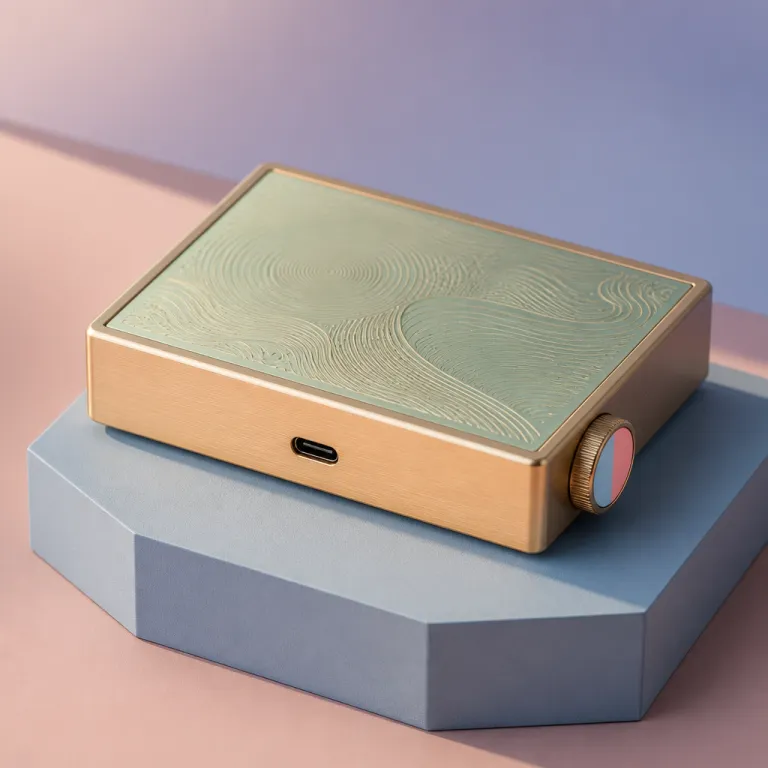
The most interesting objects at Art Basel are no longer confined to the white cube. Across Basel, Miami Beach, and Hong Kong, you now find artists working directly with industrial designers and engineers to produce limited runs of hardware that sit somewhere between gadget and sculpture. This is where the phrase Art Basel 2026 digital art technology becomes tangible, because the device itself carries the artist’s signature, not just the content on its screen.
Consider the way generative art pioneers such as Harold Cohen or Casey Reas have influenced a younger generation of artists who treat code as material. When these artists partner with boutique hardware studios, the result can be a wall mounted object whose aluminium chassis, glass curvature, and thermal patterning are all specified as part of the artwork, then sold through galleries rather than electronics retailers. Some collaborations even arrive at the fair as robotic installations, echoing the kind of kinetic pieces explored in robotic art installations as the new frontier of luxury tech aesthetics, and later evolve into smaller editions suitable for a domestic art mile between dining room and study.
In Miami, I walked through an exhibition where an artist collective from Hong Kong presented NFT linked light objects, each one a physical node in a larger digital art network. The NFTs were not speculative chips in an overheated market but authentication layers that tied each physical work to a specific generative algorithm, with courtesy artist credits clearly stated on wall labels. For collectors who already treat crystal, carbon fibre, and limited run tech as alternative assets, these hybrid objects feel like the logical next step in a portfolio that spans art fairs, design weeks, and high end gadget launches.
How to navigate Art Basel as a luxury tech connoisseur
Approaching Art Basel with a luxury tech mindset means planning your route like a systems architect, not a tourist. Start with the main fair to understand how top tier galleries position digital art and generative art within the contemporary art market, then map a personal art mile through satellite shows that focus on experimental technology. You will quickly see that the same collectors who dominate the art market now ask detailed questions about bit depth, refresh rates, and API access when they consider a new digital work.
Next, carve out time for talks and museum art programs in Basel, Miami Beach, and Hong Kong that address art technology directly. Panels on NFT authentication, on chain provenance, and the evolution of the NFT market from speculation to infrastructure will give you a clearer sense of where value is consolidating. When a curator explains how an artist like Refik Anadol integrates data, AI, and custom hardware into a single artwork, you gain the vocabulary to evaluate whether a piece of Art Basel 2026 digital art technology will age gracefully in your collection.
Finally, treat your own home or office as an extension of the fair. Before you buy, picture how a given work will sit near existing pieces, from analogue paintings to high end speakers and media walls, and read analyses on collector grade tech as the new alternative asset to refine that vision. The most sophisticated art community members now commission architects and lighting designers alongside AV specialists, ensuring that each new acquisition from Basel Miami or Hong Kong feels coherent with both the building and the broader collection. In that context, the line between art fairs, tech expos, and private interiors dissolves, leaving you with a single question that matters : how does this piece change the way I live with both art and technology every day.
FAQ
How should a collector evaluate digital art at Art Basel compared with traditional works
Start by judging the strength of the concept and the artist’s track record in the same way you would for painting or sculpture, then layer in technical due diligence. Ask about file formats, resolution, color depth, and how the work will be displayed long term, including whether the artist or gallery specifies particular hardware. Finally, clarify how the piece is authenticated, whether through certificates, NFTs, or on chain records, and how future conservation or software updates will be handled.
What display specifications matter most for serious digital art at home
For high end digital art, prioritize true 10 bit color, deep black levels, and a brightness range that can be tuned for both daylight and evening viewing. A large format panel such as a 120 to 130 inch micro LED or Micro RGB display with careful calibration will reveal subtle gradients and motion that cheaper screens simply smear. Also consider silent operation, discreet cabling, and integration with your room’s lighting so the technology supports the artwork rather than competing with it.
Are NFTs still relevant for collectors focused on quality rather than speculation
NFTs remain useful when they function as a secure, transparent certificate of authenticity rather than as a standalone investment product. Many serious galleries now use NFTs to tie a specific digital file or generative algorithm to a collector, while the cultural and aesthetic value still resides in the artwork itself. If you focus on artists, institutions, and platforms with strong reputations, NFTs can simplify provenance without dictating the artistic merit of the work.
How can I prepare my home to host museum grade digital installations
Plan the space with your architect and AV specialist before you buy major works, specifying power, ventilation, and structural support for large displays or projectors. Build in darkening options, acoustic treatment, and flexible seating so you can experience time based pieces comfortably, much like in a small museum screening room. Finally, ensure that your network, storage, and backup systems are robust enough to handle large media files securely over many years.
Which Art Basel locations are most relevant for technology focused collectors
The Basel flagship fair remains the reference point for blue chip galleries and museum level digital presentations, while Miami Beach offers a denser mix of experimental installations, nightlife driven projects, and design collaborations. Hong Kong adds a crucial Asia Pacific perspective, with strong representation from regional artists and tech studios who often work at the intersection of urban media façades and collectible digital art. Visiting all three over several seasons gives you a rounded view of how art technology and the global art market evolve together.