From devices to sculpted icons in luxury tech design innovation
Luxury tech design innovation starts when a device stops looking like a gadget and begins to read as a sculpted object. In this space, luxury brands and independent design studios treat every smart surface, every curve, and every junction between materials as part of a narrative about modern luxury that feels as considered as haute couture. For demanding consumers, true luxury in technology is less about excess specifications and more about how a product settles into a room, a wrist, or a ritual with emotional precision.
Across the global luxury market, the most interesting brands now brief designers as if they were creating limited furniture pieces rather than electronics. Samsung’s large format MicroLED displays, including the 110-inch MicroLED model announced around 2020, are a telling example of high-end display design, because their individually controlled red, green, and blue subpixels turn a wall into a digital fresco that can hold a Caravaggio reproduction as confidently as a film in real time. As industrial designer Yves Béhar has noted in interviews about home technology, the ambition is to make devices “disappear into the architecture” until they are needed. This kind of product shows how the luxury industry is shifting from selling objects to curating experiences that feel closer to gallery installations than to traditional consumer electronics.
For design-conscious collectors, the question is not simply whether a device is smart, but whether that smart technology can create a quiet dialogue with architecture, light, and texture. When a luxury brand commissions a specific designer or studio, the brand is effectively saying that design pedigree matters as much as processing power for future luxury buyers. That is why successful high-end technology pieces now arrive with detailed stories about materials, collaborations, and the emotional experiences they are meant to stage in daily life.
Rituals, gestures, and the emotional script of sculpted tech
Luxury tech design innovation becomes compelling when it rewrites everyday gestures into something almost ceremonial. Google’s long-running collaborations with ECAL, the University of Art and Design Lausanne, on programmes such as “Google Visual Communication” and “Google Hardware Design” have explored how mobile technology shapes daily rituals, turning simple swipes into choreographed movements that feel closer to fashion than to software. For luxury brands, this research underlines that the future of digital products is not just about speed, it is about how each interaction can create emotional resonance and express a sense of contemporary luxury in the smallest motions.
In this context, a luxury brand that treats its smartphone as a sculpted object is designing a portable stage for personalized experiences. The way a device rests in the hand, the resistance of a haptic click, and the glow of a notification become part of a modern luxury script that consumers replay hundreds of times a day. When a product such as a flame-inspired wireless charger is framed as a dramatic power accessory, the point is not only its technical bravado but how its form, finish, and weight transform a mundane charging act into a small spectacle of innovation and style, as explored in this in-depth design review of sculptural charging objects.
For the luxury industry, this shift forces a new kind of business thinking where design, technology, and customer service are inseparable. A successful premium device now needs a privacy policy that feels as carefully drafted as its chamfered edges, because digital trust is part of the emotional contract with high net worth consumers. When brands stay ahead by aligning sculpted hardware, refined software, and respectful data practices, they create a form of true luxury that feels coherent from the first unboxing to the last software update.
Materials, air, and the quiet power of environmental luxury
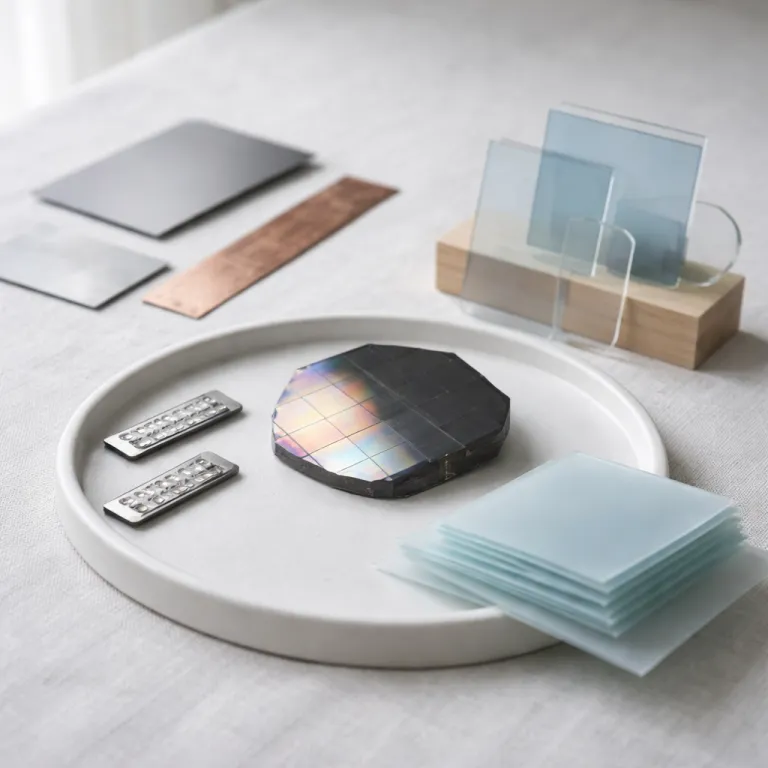
Material choice sits at the core of luxury tech design innovation, but the new frontier is how those materials shape the air and light around a product. Exhibitions such as “The New State of Materials” at Milan Design Week have shown how bio-based composites, recycled metals, and certified circular supply chains can support both environmental responsibility and a refined aesthetic language for international luxury devices. For collectors, this means that the feel of a ceramic backplate or the depth of an anodised aluminium frame now carries as much meaning as a logo from a famous brand.
Air quality has quietly become a design parameter in its own right, especially in high-end homes and studios where indoor air is constantly monitored by smart sensors. Luxury-focused climate systems and purifiers now hide their technology behind sculptural forms, turning vents into vertical fins or soft textile panels that read like wall art. When a piece such as a numbered concept object for air purification is analysed as a luxury tech marvel, its success lies in how it integrates advanced filtration and digital control into a silhouette that feels at home beside collectible furniture, as detailed in this design-focused exploration of environmental devices.
For luxury brands, this environmental turn reframes what future luxury should mean in the home. The high-end market is moving from shiny surfaces toward quieter forms of innovation where air, acoustics, and light are treated as materials in their own right. When a modern luxury device improves indoor air while maintaining a calm visual presence, it embodies a kind of experience-driven comfort that feels both responsible and deeply sensorial.
Digital art, displays, and technology as gallery grade sculpture
Luxury tech design innovation is increasingly visible in the way displays are treated as canvases rather than screens. The rise of digital art installations at major design fairs shows how technology can operate as a gallery medium, where a single high-resolution panel becomes a rotating exhibition of commissioned works. For design-led consumers, this shift means that a television or monitor is no longer just a product, it is a curatorial tool that can create emotional experiences across different rooms and moods.
Pieces like Samsung’s MicroLED televisions exemplify how a luxury brand can turn engineering into visual poetry, because individually controlled subpixels allow for blacks that swallow light and colours that sit with the richness of oil paint. When such a display is framed by stone, wood, or patinated metal, it enters the realm of sculpted tech where the border between architecture and technology almost disappears. In these contexts, high-end digital hardware aligns with the language of fashion and contemporary art, where collaborations with galleries, designers, and even culture-focused editors help brands speak credibly about aesthetics rather than only about specifications.
For the wider luxury industry, this convergence of digital art and hardware opens new business models that go beyond selling devices. Brands can offer curated content subscriptions, limited edition artworks, and personalized experiences that update in real time, turning a static purchase into a living relationship. When technology is treated as a gallery-grade frame for culture, the value of the object is not fixed at checkout; it grows as the owner continues to create and collect new experiences on its surface.
Pedigree, privacy, and the new rules of modern luxury tech
Design pedigree has become a decisive factor in luxury tech design innovation, because collectors now ask who drew the first sketch before they ask about battery life. A collaboration with a respected industrial designer or an architect signals that a luxury brand understands technology as part of a broader cultural conversation, not just as a business opportunity. This is where modern luxury aligns with the logic of limited edition furniture, where provenance and authorship shape long-term value as much as functionality.
At the same time, digital sophistication forces luxury brands to treat privacy policy design as carefully as they treat hardware finishes. For affluent consumers, luxury is not only about polished titanium or hand-stitched leather, it is about how respectfully their data is handled by first-party and third-party systems. When a brand can explain in clear language how it uses real-time data to create personalized experiences without compromising discretion, it earns a level of trust that feels like true luxury in a hyper-connected world.
For those who collect technology as cultural objects, the most compelling pieces are often those that quietly stay ahead of trends while remaining visually timeless. A sculpted wearable that uses precious metals and stones, such as the pieces analysed in this study of wearable tech with precious materials, shows how luxury-oriented engineering can merge jewellery-level craftsmanship with subtle smart capabilities. In that sense, the future of successful luxury technology will belong to brands that balance emotional storytelling, rigorous customer service, and discreet digital intelligence in objects that feel as considered as any piece of collectible design.
FAQ
How is luxury tech design innovation different from mainstream gadget design ?
Luxury tech design innovation prioritises sculptural form, material richness, and emotional resonance over pure specification races. Mainstream gadgets often optimise for cost and feature lists, while luxury brands focus on how a device integrates with architecture, fashion, and daily rituals. The result is technology that feels closer to collectible design than to disposable electronics.
Why do design pedigrees and collaborations matter in luxury technology ?
Design pedigrees signal that a luxury brand treats its products as cultural objects rather than only as business units. Collaborations with renowned designers, architects, or artists bring distinct aesthetic languages and ensure that each product carries a recognisable creative signature. For collectors, this authorship can influence both emotional attachment and long-term value.
What role do materials play in sculpted luxury tech objects ?
Materials define both the tactile experience and the visual presence of a luxury device in a space. High-end technology increasingly uses ceramics, precious metals, advanced composites, and sustainable finishes to create depth, warmth, and durability. These choices also communicate values around responsibility and future luxury, especially when linked to circular or low-impact supply chains.
How are environmental factors like air quality influencing luxury tech design ?
As affluent homes integrate more sensors and smart systems, air quality and indoor comfort have become central design considerations. Luxury tech responds with purifiers, climate systems, and discreet monitors that hide complex technology behind sculptural forms. This approach allows owners to improve their environment without compromising the visual calm of carefully curated interiors.
What should collectors look for when evaluating a luxury tech purchase ?
Collectors should assess design coherence, material quality, and how naturally the product fits into existing spaces and rituals. It is also crucial to examine the brand’s privacy policy, software support roadmap, and approach to personalized experiences, because these factors shape long-term satisfaction. A strong luxury tech piece should feel timeless in form while remaining quietly updatable in its digital capabilities.
