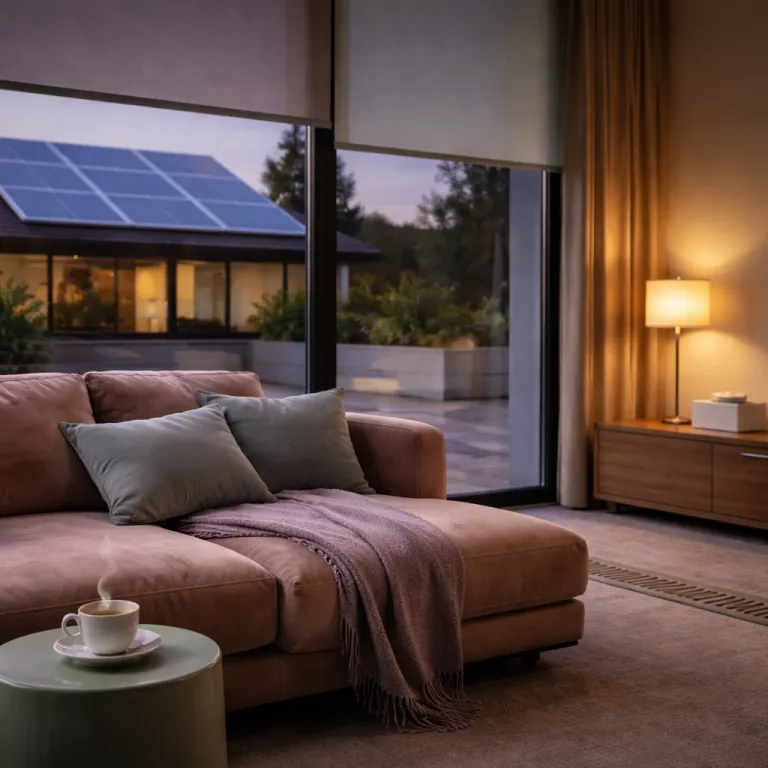
From eco guilt to effortless pleasure in the luxury smart home
Luxury smart home energy management has shifted from worthy chore to quiet indulgence. In the most refined luxury homes, intelligent systems now orchestrate energy, lighting, and climate control so seamlessly that sustainability feels like a built in concierge service rather than a sacrifice. The result is a high home experience where every room feels perfectly tuned while the underlying energy management remains almost invisible.
Walk into a contemporary luxury home and the first impression is no longer just marble, art, and views, but how the space responds to you with intelligent grace. A well designed home automation system reads occupancy, daylight, and temperature, then adjusts smart lighting, heating cooling, and shading to maintain comfort while trimming waste in the background. This is where energy efficiency becomes a design language, not a constraint, and where automation systems quietly align luxury living with lower consumption.
For affluent homeowners, the new status symbol is not a wall of switches but a single, beautifully crafted control interface that unifies every system. One tap on a tablet or discreet keypad can shift the entire smart home from daytime productivity to evening relaxation, rebalancing entertainment systems, home theater presets, and outdoor living scenes while optimizing energy flows. True luxury smart home energy management means the system anticipates needs before the homeowner thinks about them, turning homes into responsive, intelligent companions rather than static spaces.
State of the art energy systems as the new invisible infrastructure
The most advanced automation system today treats a residence like a micro grid, coordinating solar generation, battery storage, and high efficiency equipment as one coherent system. In high homes built in sun rich regions, façade integrated photovoltaics and solar tiles feed intelligent storage systems that prioritize clean energy during peak hours, so luxury homeowners pay less while easing pressure on the grid. This is luxury smart home energy management as infrastructure, where the state art technology hides behind stone, glass, and timber yet governs every watt.
Energy management platforms now model a home’s daily rhythm, predicting when heating cooling loads will spike and when entertainment systems or a home theater will demand extra power. By pre cooling or pre heating spaces and shifting heavy loads to off peak windows, these systems can cut bills by up to thirty percent without compromising comfort, as detailed in analyses of AI driven optimization for luxury homes. A well tuned automation system does not ask the homeowner to think about kilowatt hours ; it simply maintains ideal living conditions while the numbers quietly improve.
For clients commissioning a custom home, the most forward thinking architects now specify energy systems at the same level of detail as stone selection or lighting design. They pair high performance glazing with smart lighting layouts, zoned climate control, and responsive shading so that every luxury home feels naturally temperate before mechanical systems even engage. When this architectural intelligence meets digital control, luxury smart home energy management becomes a defining feature of the property rather than an afterthought bolted onto existing homes.
Climate control, comfort psychology, and the art of invisible adjustment
Comfort in a smart home is as much psychological as thermal, and the best climate control strategies respect that nuance. Instead of blasting heating cooling to chase a fixed number on a thermostat, intelligent systems now track how quickly a room gains or loses heat, how sunlight moves through the space, and how homeowners actually use each zone. Luxury smart home energy management in this context means the system gently leads the environment, avoiding harsh swings that feel expensive and unsettling.
In a well executed luxury home, bedrooms, spas, and living areas each receive their own finely tuned climate profiles, linked to occupancy sensors and daily routines. The system might pre warm a bathroom floor before dawn, soften the air in a home theater before a scheduled screening, and let less used rooms drift slightly from the ideal to preserve energy efficiency without any perceived downgrade. Guides to precision interior temperature strategies for luxury living show that this granular approach can maintain a sense of cocooned comfort while trimming unnecessary load across large homes.
Outdoor living spaces now join the same orchestration, with radiant heaters, misting lines, and automated shading tied into the central control system. When a homeowner initiates an evening home tour for guests, the terrace can subtly shift into hosting mode, balancing comfort, lighting, and energy use as a single scene. This is where climate control, lighting, and automation systems merge into one intelligent system, turning both indoor and outdoor living into a continuous, energy aware experience.
Lighting, entertainment, and the choreography of luxury living
Lighting is where luxury smart home energy management becomes immediately tangible, because the right scene can transform both mood and consumption. Smart lighting systems now use layered design with architectural downlights, concealed linear runs, and accent fixtures, all dimmed intelligently to reduce load while enhancing perceived brightness. In practice, a well programmed system can cut lighting energy by a significant margin while making high homes feel more cinematic, not less.
Entertainment systems and a dedicated home theater often represent some of the most power hungry features in luxury homes, especially when paired with large LED walls and reference grade audio. Intelligent control mitigates this by powering ancillary equipment only when needed, dimming surrounding smart lighting to reduce visual fatigue, and coordinating with shading to avoid unnecessary cooling demand from screen heat. During a curated home tour, the transition from gallery like living spaces to an immersive theater can feel effortless, yet behind the scenes the automation system is constantly balancing performance with energy efficiency.
Designers now treat control interfaces as part of the interior architecture, specifying custom keypads, sculpted touch panels, or even voice scenes that align with the home’s aesthetic. A single “evening” command might lower blinds, adjust climate control, cue a playlist on entertainment systems, and set pathway lighting for outdoor living, all while keeping total energy within an optimized envelope. When lighting, audio, and environmental systems act as one intelligent ensemble, luxury living becomes a choreography of experiences rather than a collection of isolated gadgets.
Security, data, and the ethics of intelligent luxury homes
As homes become more intelligent, security shifts from locks and cameras to a broader question of data stewardship and system resilience. A luxury smart home energy management platform knows when you are away, which rooms you favor, and how your living patterns evolve, so the integrity of that information is as critical as the physical security systems on the perimeter. Discerning homeowners now ask not only how a system saves energy, but how it encrypts data, updates software, and isolates critical functions from external threats.
High home projects increasingly specify redundant automation systems, with a primary and backup controller ensuring that climate control, lighting, and security remain stable even during network disruptions. In well designed custom homes, essential features such as door locks, perimeter security, and basic lighting scenes can operate independently from cloud services, preserving safety and comfort if external connectivity fails. This layered approach respects the reality that luxury homes are both sanctuaries and complex pieces of technology, requiring resilience at every level of the system.
For those commissioning or upgrading luxury homes, the most future proof strategy is to treat home automation as a long term infrastructure decision rather than a gadget purchase. That means choosing open, well supported systems, insisting on clear documentation, and planning for gradual upgrades as new energy management features, entertainment systems, and smart lighting standards emerge. In the end, the true measure of luxury smart home energy management is not only how elegantly it reduces consumption today, but how gracefully it can evolve with the homeowners’ lives and expectations tomorrow.
FAQ
How does luxury smart home energy management differ from standard smart home setups ?
Luxury smart home energy management integrates architecture, mechanical systems, and digital control from the earliest design stages, rather than adding gadgets after construction. It typically includes whole home automation systems, zoned climate control, integrated solar and storage, and custom interfaces that match the interior design. Standard smart home setups usually focus on isolated devices like thermostats or bulbs, without deep coordination between systems.
Can advanced energy management really reduce consumption without sacrificing comfort ?
Yes, when properly designed, intelligent systems can pre heat or pre cool spaces, dim lighting strategically, and shift heavy loads to off peak times while maintaining or even improving perceived comfort. Studies of optimized heating cooling and lighting in large homes show potential savings of around thirty percent with no manual intervention. The key is whole system design that considers occupancy patterns, building envelope performance, and user preferences together.
What should I prioritize when planning energy systems for a new luxury home ?
Start with the building envelope and passive design, then layer in zoned climate control, high efficiency equipment, and a robust automation system that can coordinate everything. Specify wiring and network infrastructure generously so future entertainment systems, smart lighting, and security upgrades can integrate cleanly. Finally, choose platforms with strong support and clear upgrade paths, treating them as long term infrastructure rather than disposable gadgets.
Is it worth integrating outdoor living spaces into the main automation system ?
Integrating outdoor living areas into the central control system allows coordinated scenes that manage heating, shading, lighting, and audio as one experience. This improves comfort, reduces wasted energy from heaters or lights left on, and makes terraces and pools feel like true extensions of the interior. For many luxury homeowners, this integration significantly increases the usable season and perceived value of exterior spaces.
How can I ensure my intelligent home systems remain secure over time ?
Work with integrators who prioritize network segmentation, strong encryption, and regular software updates for all connected devices. Insist on local control options for critical functions like locks, lighting, and climate control so the home remains functional even if cloud services fail. Review access permissions periodically and avoid unnecessary remote connections to maintain both digital and physical security.
