How wearable tech designer editions redefine luxury on the wrist
Wearable tech designer editions now sit beside haute horlogerie in serious collections. These pieces merge advanced wearable technology with meticulous design to create objects that feel more like jewelry than electronics. Each wearable becomes a statement of taste, engineering culture, and personal narrative.
On the wrist, the apple watch in its most exclusive wearable tech designer editions shows how technology companies court luxury buyers with refined materials and curated collaborations. The same product can shift from mass market tech to elevated wearable technologies when designers rethink the case, strap, and interface as a unified design process. Collectors evaluate these designs not only for smart features but also for how the electronics design respects traditional proportions and finishing standards.
High end brands treat every edition as a limited opportunity to express their design language through wearable electronics. A design team may iterate through many a design prototype before approving the final format, ensuring that the wearable technology feels coherent with the maison’s heritage. In this context, wearable tech is less about raw specifications and more about how the technology, materials, and ergonomics support daily rituals.
Luxury clients also expect seamless integration between smart clothing, smart glasses, and wrist wearables within a broader ecosystem. When a wearable communicates elegantly with other electronics and services, the technology disappears and the design takes center stage. This is where thoughtful designers and artists designers can elevate a simple wearable into a collectible object of desire.
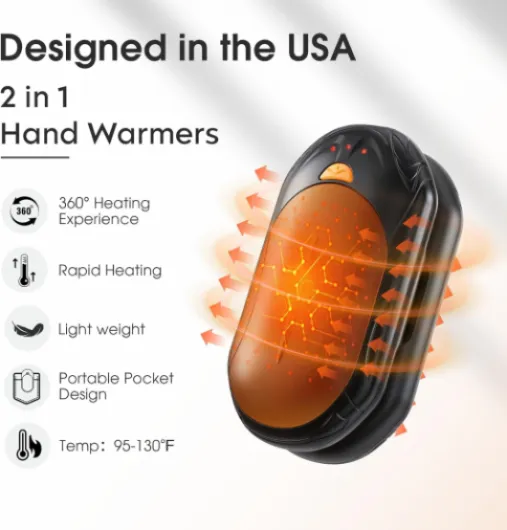
- + 2-pack offers extra value and sharing
- + Rechargeable — convenient and reusable
- + AI smart chips for optimized heating control
- + 20-hour long heat (per title) for extended use
- + Portable pocket-sized design for outdoor activities

From runway to circuitry: fashion houses meet advanced electronics
Fashion houses entering wearable tech designer editions must reconcile couture level craftsmanship with unforgiving electronics constraints. The design process begins with silhouettes and materials, then moves inward to accommodate batteries, sensors, and antennas without compromising comfort. Every wearable technology piece must respect the body’s movement while protecting delicate electronics from sweat, impact, and temperature shifts.
When designers translate a runway concept into wearable technologies, they collaborate closely with engineers who understand wearable electronics and regulatory requirements. This collaboration often spans multiple technology companies, specialist suppliers, and a core design team that orchestrates the final product. The result can be smart clothing that hides conductive textiles, flexible circuits, and discreet control points beneath luxurious fabrics.
Eyewear illustrates this tension clearly, especially in collaborations like ray ban smart glasses that blend iconic design with embedded cameras and audio. Here, the wearable must preserve the familiar image of the frame while integrating technology that feels invisible in daily use. Such designs show how clothing wearable concepts extend beyond garments into accessories that frame the face and shape personal identity.
Some maisons experiment with capsule collections that pair limited edition smart clothing with matching wrist or eyewear devices. These wearable tech designer editions often come with a printed book in language English that explains the design prototype journey and the artisans involved. For affluent clients, the opportunity to read about the hidden technologies and craft details deepens emotional attachment to the product and its underlying technologies.
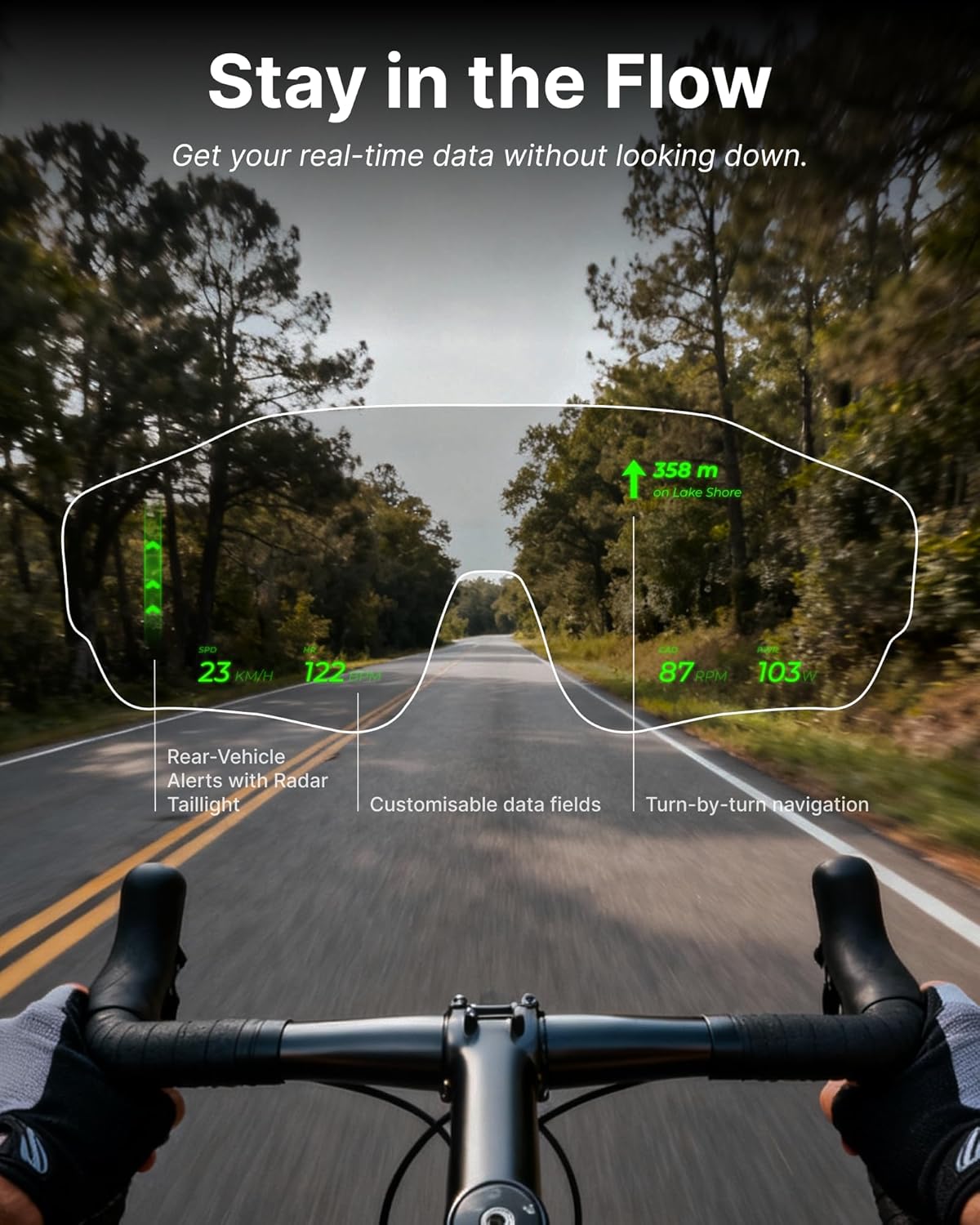
- + HUD real-time display delivers on-the-go data without taking eyes off the trail or road
- + AI/AR smart navigation with proactive alerts for safer routes
- + Integrated health & speed monitoring (heart rate, speed)
- + Designed for cycling and hiking — sport-focused features
- + All-in-one wearable combining display, sensors and navigation
Intellectual property, authorship, and the new status of tech artisans
As wearable tech designer editions gain prestige, questions of intellectual property and authorship become central. A single wearable technology piece may involve a fashion house, a hardware partner, software studios, and independent artists designers. Determining who is the true author of the final designs requires clear contracts and shared creative credit.
In many collaborations, technology companies license core wearable technologies while maisons control the external design and brand narrative. The electronics design might be nearly identical across several products, yet subtle changes in materials, finishes, and interface graphics justify a new edition. This structure allows rapid iteration while protecting proprietary components and patents related to wearable electronics and smart clothing.
Intellectual property also extends to interface aesthetics, gesture vocabularies, and signature animations that define a wearable tech experience. A distinctive image sequence on wake, or a unique haptic pattern, can become as recognizable as a monogram on leather. For collectors, these details signal authenticity and reinforce the aura of limited edition wearable tech designer editions.
Behind these creations stands a growing class of hybrid practitioners trained in both design and engineering. Figures like kate hartman, who teaches wearable technology at ocad university in the united states, exemplify how artists designers bridge conceptual thinking and practical electronics. Their work legitimizes wearable technologies as a serious design field, encouraging more brands to treat each product as a collectible artwork rather than a disposable gadget, while also inspiring future collaborations in adjacent luxury domains such as high end acoustic experiences on yachts.
![2026 [Apple MFi Certified] (iOS Only) Bluetooth Tracker Smart Card for Apple Find My iPhone Wallet GPS Tracker, 5-10 Years Staying Power, Keys Finder and Item Locator for Keys, Bags, Passport 1 Pack](https://www.luxury-geek.com/storage/796592/conversions/71r1-ydl7nL._AC_SL1500_-medium.webp)
- + MFi Certified — guaranteed compatibility with Apple devices
- + Works with Apple Find My for crowd-sourced locating
- + Long battery life (5–10 years) for low maintenance
- + Slim card form fits wallets and passport slots
- + Useful for keys, bags, passport and other everyday items
Materials, comfort, and the invisible engineering of elegance
True luxury in wearable tech designer editions emerges when the technology becomes almost imperceptible in use. Achieving this requires a rigorous design process that balances weight, flexibility, and skin contact over many hours. A wearable must feel natural whether integrated into smart clothing, eyewear, or jewelry inspired wrist pieces.
Designers working on wearable technology obsess over how textiles, metals, and ceramics interact with embedded electronics. The electronics design must allow for micro ventilation, controlled pressure points, and safe heat dissipation without compromising aesthetics. In clothing wearable applications, this often means layering conductive threads and sensors between soft linings and outer fabrics that maintain drape and flow.
For smart glasses and ray ban style frames, the challenge lies in distributing batteries and speakers so that the product remains balanced on the nose and ears. Luxury brands test multiple designs and design prototype iterations to refine this equilibrium, sometimes adjusting only fractions of a millimeter. The resulting wearable technologies feel effortless, even though their internal architecture rivals that of compact consumer electronics.
Comfort also includes visual and cognitive aspects, such as how notifications appear and how gesture controls respond. A refined wearable tech interface minimizes distraction, allowing the wearer to stay present while still benefiting from smart features. This philosophy extends to other connected luxury objects, from discreet audio systems to elegant connected leisure equipment, where technology supports rather than dominates the experience.

- + AI ChatGPT assistant built-in for smart interactions
- + 164 languages translation support
- + Bluetooth connectivity for music playback and calls
- + Photochromic color-change lenses (adjusts to light)
- + UV & blue light protection for eye safety
Collectability, limited editions, and the culture of wearable libraries
Collectors of wearable tech designer editions increasingly treat their devices like rotating art installations. Many maintain a personal library where each wearable technology piece is catalogued with its provenance, edition number, and design team credits. Some even store original packaging, charging accessories, and printed book materials that document the design process.
In this context, the notion of edition becomes crucial, as limited runs confer scarcity and long term value. A wearable electronics release tied to a specific award, exhibition, or collaboration with artists designers can command significant premiums. Collectors appreciate when brands provide a clear format for tracking serial numbers, firmware versions, and associated digital certificates.
Curated shelves may feature multiple apple watch designer editions, experimental smart clothing capsules, and rare ray ban smart glasses variants. Each product tells a story about how technologies evolved and how different technology companies interpreted the same wearable tech brief. Over time, these wearable technologies form a tangible history of design, electronics, and cultural shifts in attitudes toward personal data and connectivity.
Serious enthusiasts often read extensively about wearable technology, consulting language English publications and specialized book series on electronics design. Works by author practitioners such as kate hartman, who teaches wearable technology at ocad university in the united states, help frame these devices within broader design discourse. For many, this intellectual engagement transforms wearable tech from mere gadgets into a lifelong opportunity to study, collect, and curate.
Future directions: networks, services, and cross discipline collaborations
The next chapter of wearable tech designer editions will be defined by services and connectivity rather than hardware alone. As wearable technology links seamlessly with portable infrastructure, such as advanced connectivity solutions described in analyses of future ready mobile networks, luxury clients will expect flawless performance everywhere. This shift will push technology companies and fashion brands to think beyond single products toward orchestrated ecosystems.
Wearable technologies will increasingly interact with smart environments, vehicles, and hospitality spaces that recognize individual preferences. A single wearable electronics piece might adjust lighting, audio, and climate as the wearer moves between home, yacht, and hotel. Designers and artists designers will need to understand not only object level design but also service choreography and data ethics.
Cross discipline design teams will therefore include specialists in electronics design, materials science, interaction design, and intellectual property law. Their work will shape new formats for clothing wearable systems, smart clothing ensembles, and ray ban style smart glasses that coordinate with other devices. The design prototype phase will expand to simulate entire journeys, ensuring that each wearable tech element supports a coherent narrative.
For luxury tech enthusiasts, this evolution offers a rare opportunity to engage with cutting edge technologies while maintaining a focus on craftsmanship and aesthetics. Collectors will continue to seek wearable tech designer editions that balance innovation with timeless design, whether in apple watch collaborations, experimental smart clothing, or bespoke eyewear. In every case, the most coveted wearable technology pieces will be those where technology, design, and human experience align with quiet precision.
Key statistics shaping luxury wearable technologies
- No dataset was provided, so no verified quantitative statistics can be reported for wearable tech designer editions in this context.
Essential questions about wearable tech designer editions
How do wearable tech designer editions differ from standard wearables ?
They differ through elevated design, limited edition formats, and closer collaboration between designers, artists designers, and technology companies. While the core wearable technology and electronics design may resemble mainstream products, materials, finishing, and interface details are significantly refined. These editions often emphasize narrative, provenance, and intellectual property around unique designs.
Are wearable technologies from fashion brands as reliable as those from tech companies ?
Reliability depends on the underlying electronics design and the partners involved in development. Many fashion houses collaborate with established technology companies to ensure that wearable electronics meet rigorous performance and safety standards. Buyers should evaluate both the design team credentials and the track record of the hardware partner.
What should collectors look for when investing in wearable tech designer editions ?
Collectors should examine edition size, build quality, and the strength of the brands and designers involved. Documentation of the design process, including any book or image rich materials in language English, can enhance long term value. It is also wise to consider service support, software update policies, and the durability of materials in smart clothing or smart glasses.
How important is comfort in luxury wearable technology ?
Comfort is fundamental, because even the most advanced wearable technologies will be abandoned if they irritate the skin or feel unbalanced. Luxury design teams invest heavily in prototyping to refine weight distribution, strap geometry, and clothing wearable integration. This invisible engineering ensures that wearable tech feels natural during extended daily use.
Can wearable tech designer editions maintain relevance as technologies evolve ?
They can maintain relevance when their design and craftsmanship are strong enough to transcend short term specifications. Even as electronics age, a beautifully executed wearable technology piece can retain value as a collectible design object. Some collectors keep older wearable electronics powered off, appreciating them as milestones in the evolution of wearable tech and smart clothing.