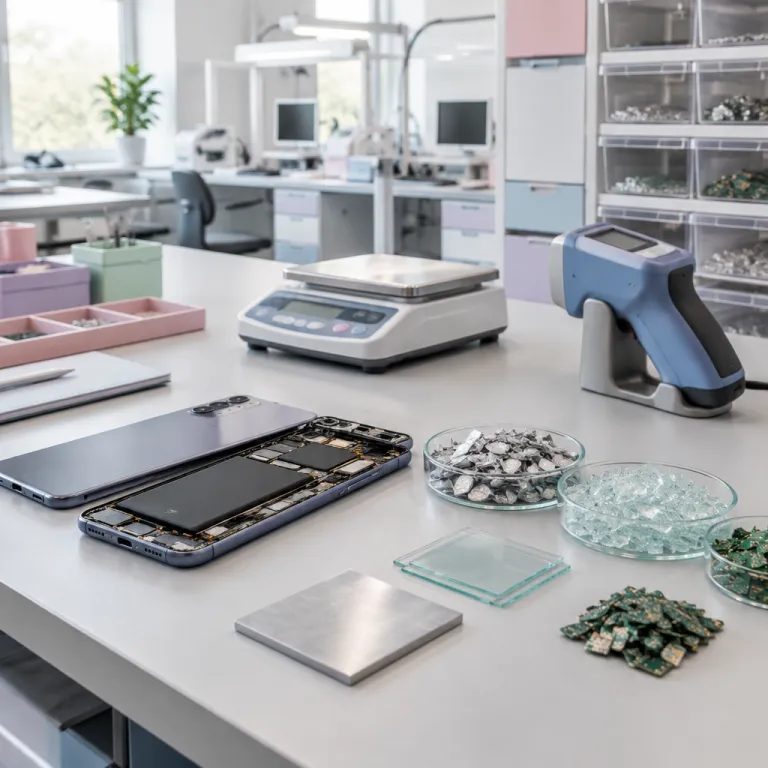
From premium to proof: sustainable luxury tech greenwashing proof as the new status symbol
Luxury tech used to equate premium with scarcity and spectacle. Now the true status symbol is sustainable luxury tech that is greenwashing proof, where every material, process, and gram of plastic is backed by measurable evidence instead of poetic environmental claims. The affluent eco conscious collector wants a product that feels rare in hand yet behaves like an accountable company report in the background.
This shift is driven by a collapse of trust in vague sustainability claims and soft green language that sounds friendly but hides a heavy environmental impact. When a brand describes a device as eco friendly or carbon neutral without a clear supply chain breakdown, seasoned buyers read it as a potential greenwashing claim rather than a virtue signal. They have watched fast fashion and certain fashion brands appear sustainable while fuelling plastic pollution and greenhouse gas emissions, and they refuse to let luxury tech repeat the same environmental and social mistakes.
In this new landscape, sustainability in luxury gadgets is judged less by a single recycled material and more by long term lifecycle thinking. A carbon neutrality label on a flagship product means little if the company still relies on fossil fuels for manufacturing and offsets its way to respectability with misleading claims. The eco conscious buyer now asks whether the device can be repaired, whether the aluminium is recycled, and whether the environmental impact is quantified in a way that can be audited, not just admired.
Recycled aluminium is a perfect example of why sustainable does not automatically mean virtuous in practice. Producing aluminium from recycled scrap can require about 90 percent less energy than primary aluminium, yet scaling that efficiency consistently across a global supply chain remains a serious engineering challenge according to FutureCar’s analysis of low carbon metals in consumer electronics. A brand that trumpets recycled casings while ignoring the energy mix, transport emissions, and end of life pathways still risks greenwashing, even if the surface level story sounds impeccably eco.
The most sophisticated luxury tech brands now understand that anti greenwashing is not a niche activist demand but a design brief. They know that every sustainability claim, every eco friendly label, and every environmental promise will be scrutinized for hard evidence by a clientele used to reading financial reports and ESG filings. For this audience, sustainable luxury tech that is genuinely greenwashing proof is not a marketing flourish; it is the minimum ticket to play in a market where premium means responsibility, not just polish.
How to read the receipts: materials, metrics, and the anatomy of a credible claim
For a luxury smartwatch, speaker, or EV charger to qualify as sustainable luxury tech that is plausibly greenwashing proof, the receipts start with materials. You want traceable metals, low plastic content, and a clear explanation of how the product will be disassembled at end of life. When a company leans on sustainable fashion style storytelling but cannot show where each component sits in the supply chain, you are looking at a narrative, not evidence.
Serious brands now publish product level lifecycle assessments that quantify environmental impact across extraction, production, use, and disposal. These documents should translate sustainability claims into measurable data points, such as kilograms of CO₂ equivalent, litres of water, and grams of plastic avoided per unit. Apple, for instance, publishes device specific Product Environmental Reports for flagship iPhones that disclose cradle to grave emissions and show year on year reductions verified against ISO 14040 and ISO 14044 standards. If the numbers are missing, cherry picked, or not comparable to previous year baselines, the claim risks being more misleading than meaningful.
Carbon calculators are a useful but double edged tool in this space. Some luxury tech brands commission rigorous third party assessments, while others deploy decorative dashboards that make bold environmental claims without disclosing assumptions or system boundaries. To avoid greenwashing, look for clear definitions of what carbon neutral or carbon neutrality actually covers; does it include the full supply chain, or just shipping and marketing events.
Repairability and modularity are another underused but powerful anti greenwashing signal. A device that can be opened, have its battery replaced, and its key modules upgraded extends its long term life and reduces both plastic pollution and greenhouse gas emissions from constant replacement. When a brand offers a formal take back program and publishes the percentage of recovered materials by product line, that is the kind of measurable evidence that turns a friendly eco claim into a verifiable environmental and social commitment.
Security and compliance practices now intersect with sustainability in ways that matter for luxury tech. A company that automates its security and regulatory reporting, as explored in this analysis of how compliance automation builds trust in luxury tech gadgets, is often better positioned to track environmental data with similar rigor. When the same internal équipe that manages privacy and safety metrics also owns sustainability dashboards, green claims become auditable rather than aspirational.
For the eco conscious buyer, the checklist is simple but demanding. Ask whether the brand publishes product specific environmental impact data, whether its sustainability claims are backed by third party verification, and whether its greenwashing risk is addressed openly in corporate reporting. If the answers are vague, the device may appear sustainable on the surface while hiding a fast fashion style churn model underneath.
Desire versus durability: can luxury tech stay thrilling without fast fashion waste
Luxury tech thrives on novelty, yet sustainable luxury tech that stands up to greenwashing scrutiny demands restraint. The tension is obvious; how do you maintain that first unboxing thrill without sliding into fast fashion style obsolescence and the environmental impact that follows. The answer lies in designing desire around software, services, and materials that age gracefully rather than around disposable hardware cycles.
Consider the current wave of high end EVs and their 350 kilowatt charging ecosystems. The most forward thinking marques are already designing charging experiences, as explored in this piece on what a luxury EV road trip actually feels like, where the product is not just the car but the entire energy and data service layer. When the thrill comes from seamless software updates, curated in car content, and an eco friendly energy contract, the hardware can remain stable for many years without feeling stale.
This approach directly reduces plastic use, plastic pollution, and the greenhouse gas emissions associated with constant device turnover. Instead of mimicking fashion brands that release seasonal colorways and limited runs to appear sustainable, the best luxury tech companies focus on long term platforms with upgradable internals. They treat the outer shell like sustainable fashion treats a timeless coat; a durable, repairable frame that hosts evolving experiences rather than a disposable trend piece.
Materials again become a stage for both sustainability and sensuality. A carbon neutral or low carbon aluminium chassis with a brushed finish can feel more luxurious than a glossy plastic shell, especially when the brand shares evidence that the metal comes from recycled scrap with lower environmental impact. FutureCar notes that producing aluminium from recycled scrap can require about 90 percent less energy than primary aluminium, yet scaling that efficiency consistently across a global supply chain remains a serious engineering challenge, and that nuance matters when you evaluate a premium device.
Luxury audio is another instructive category for eco conscious design. Some brands now use responsibly sourced wood, recycled metals, and minimal plastic in enclosures while offering long term repair services and modular drivers. When those companies pair material transparency with clear environmental disclosures and honest sustainability claims about what they have not yet solved, they embody anti greenwashing in a way that feels both credible and emotionally satisfying.
The deeper shift is psychological rather than technical. Desire moves from owning the latest object to owning the most thoughtfully engineered system, where every claim about sustainability, every eco friendly promise, and every green statement is backed by data you can interrogate. Luxury becomes the confidence that your favourite brand will still service, update, and stand behind your device many years from now, rather than nudging you toward the next upgrade cycle.
A practical playbook for buyers: how to spot sustainable luxury tech that truly earns your trust
For an eco conscious collector, the goal is simple; assemble a stable of devices that feel exquisite yet stand up to sustainable luxury tech greenwashing proof scrutiny. That means interrogating every product, every claim, and every brand story with the same discipline you would apply to an investment portfolio. You are not just buying a gadget, you are underwriting a company’s environmental and social strategy.
Start with the basics of transparency and traceability. Does the brand publish a detailed supply chain map, including key component suppliers and the energy mix used in manufacturing. If a company leans heavily on eco language, carbon neutral badges, or eco friendly icons without this level of disclosure, you should treat those environmental claims as marketing until proven otherwise.
Next, examine how the brand talks about carbon neutrality and greenhouse gas reductions. Authentic sustainability claims will distinguish between absolute emissions cuts and offset based strategies that still rely on fossil fuels in the background. When a product is marketed as carbon neutral, ask whether that covers the full lifecycle, including raw materials, logistics, and end of life, or just a narrow slice that makes the numbers look friendly.
Digital infrastructure now plays a quiet but decisive role in avoiding greenwashing. Brands that invest in advanced analytics and automation, such as those explored in this piece on how advanced AI techniques transform workflows, often use similar data pipelines to track environmental impact and product level KPIs. When sustainability dashboards share the same rigor as financial reporting, green claims become measurable commitments rather than soft promises.
Finally, look for structural anti greenwashing mechanisms. These include independent audits of environmental impact data, clear policies to avoid greenwashing in advertising, and public correction of any misleading claims that slip through. A brand that openly acknowledges where it falls short, especially around plastic use, supply chain emissions, or long term recyclability, is usually more trustworthy than one that insists every product is perfectly sustainable.
Luxury tech is entering a phase where fashion, sustainability, and engineering converge. The most compelling devices feel as considered as haute couture yet behave like rigorously audited infrastructure, with every eco friendly claim backed by evidence you can read, question, and compare year after year. In that world, the real flex is not the limited edition finish on your wrist, but the quiet confidence that your favourite objects are as honest as they are beautiful.
Key figures that frame sustainable luxury tech and greenwashing risk
- Producing aluminium from recycled scrap can require about 90 percent less energy than primary aluminium, yet maintaining that efficiency at industrial scale remains challenging, which means recycled casings only reduce environmental impact when paired with low carbon electricity and efficient logistics (FutureCar, industry analysis of recycled aluminium in premium electronics).
- Lifecycle assessments that cover full cradle to grave emissions can reveal that up to 70 to 80 percent of a consumer electronic device’s greenhouse gas footprint occurs before the first use, as shown in product level LCAs from manufacturers such as Apple and Fairphone, underscoring why supply chain transparency and material choices matter more than marginal efficiency gains during operation.
- Independent reviews of corporate sustainability reports have found that a significant share of environmental claims and sustainability statements lack third party verification, which increases the risk of greenwashing and highlights the need for measurable, audited data in luxury tech marketing (analyses by NGOs and ESG research firms such as CDP and InfluenceMap).
- Global plastic production has exceeded hundreds of millions of tonnes annually, with a substantial fraction used in short lived consumer products, making reductions in plastic content and improvements in recyclability critical levers for any brand that wants to avoid contributing to plastic pollution (data from international environmental agencies and UN Environment Programme reports).