When local intelligence outshines the cloud: voice control beyond Alexa and Google
Luxury homes need more than a generic smart home setup. In a penthouse where every surface is curated, the way you use voice to control lighting, climate and media must respect privacy as much as it respects design, which is where high end smart home devices start to separate themselves from mass market gadgets. A serious review of premium home devices quickly shows that relying only on cloud based amazon Alexa or google assistant is no longer enough for discerning owners.
Systems such as Josh.ai bring local processing into the home, keeping most voice data on a dedicated hub rather than constantly streaming to remote servers. That single architectural choice changes the entire security posture of your smart home, because your commands to control home devices, scenes and even a smart thermostat are not permanently tied to a consumer advertising profile. In practice, this means you can still integrate amazon echo speakers, a google home smart speaker or an apple HomePod as voice control endpoints, while the intelligence and home platform logic live on a private, high performance hub.
For many clients, the question is not whether they will use voice, but which voice ecosystem will fill their needs without compromising discretion. A well designed system can blend alexa google compatibility, google nest displays and amazon alexa integrations under a single high end control layer, so the family experiences one coherent smart home rather than a patchwork of devices. In that context, the best smart installations treat each smart speaker, smart display and nest hub as just another interface to a more capable, privacy focused home platform.
There is also a subtle but important experiential difference when commands execute locally on a premium hub. Lights respond with almost no latency, blinds glide the moment you speak, and a video doorbell feed appears on a smart display before a cloud dependent system has even authenticated your request. That immediacy is what makes high end smart home devices feel like part of the architecture rather than gadgets bolted onto it.
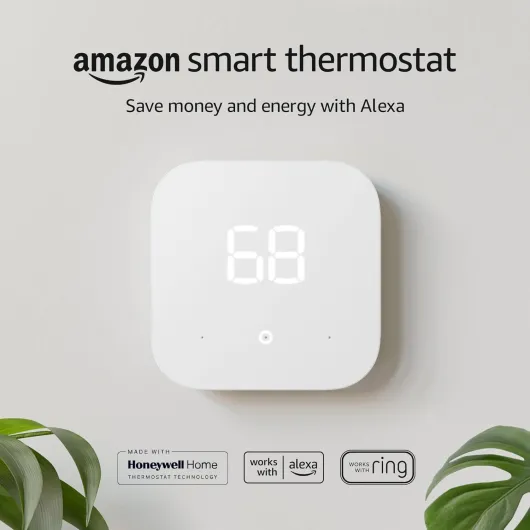
- + Energy saving — advertised to save money and energy
- + Works with Alexa and Ring — integrates with popular smart home platforms
- + Simple 1-pack — single thermostat unit for straightforward replacement
- + Amazon brand — from a well-known smart home ecosystem

Lighting as a design language: Control4, Lutron and the new wall jewelry
Walk into a well designed luxury home and the first clue that you are dealing with high end smart home devices is often on the wall, not the ceiling. Control4 keypads and Lutron Palladiom controls turn the humble light switch into a tactile design object, specified by interior designers alongside stone, metal and fabric. These home devices are no longer plastic rectangles but machined brass, matte graphite or hand finished glass that quietly signal intent.
Control4’s contemporary keypads allow each button to be engraved with scene names, so a single press can control layered lighting, motorized shades and even a smart thermostat in the adjacent room. Lutron Palladiom keypads and thermostats extend that language with perfectly aligned buttons, subtle backlighting and finishes that match luxury hardware, which makes the entire smart home feel cohesive rather than cluttered. When paired with a central hub and a robust home platform, these devices deliver best smart lighting performance while maintaining a gallery like aesthetic.
From a security and reliability perspective, hard wired lighting control systems also outperform many wireless only smart devices. They sit on dedicated low voltage networks, isolated from casual amazon echo experiments or temporary google home setups, which means a guest cannot accidentally reconfigure your home security scenes with a stray voice command. For estates with serious perimeter protection and professional expert CCTV camera installation, tying lighting scenes to home security events through a central hub can create both drama and deterrence.
Clients often ask whether such premium controls justify their price compared with app based dimmers. The answer lies in daily touch points, because you will press a keypad dozens of times a day, while you might open a phone app twice, and that ratio makes the feel of the button, the clarity of the engraving and the reliability of the underlying tech far more important than another marginal feature in a spec sheet. In that sense, these high end smart home devices are closer to fine hardware than to disposable gadgets.
The intelligent kitchen: when appliances become part of the smart home brain
The kitchen has quietly become one of the most sophisticated zones for high end smart home devices. Premium refrigerators, ovens and wine columns now speak the same language as your smart thermostat, smart speaker and lighting hub, turning meal preparation into a coordinated performance. Among these, the GE Profile AI powered French door refrigerator stands out as a clear signal of where luxury kitchen tech is heading.
This refrigerator’s Kitchen Assistant system uses internal cameras and machine learning to identify stored items, suggest recipes and help reduce food waste by tracking expiry dates. In a well designed smart home, that data can flow to a central home platform, allowing your voice control system to answer questions such as what is in the fridge or whether you need more sparkling water, without you opening a single door. When integrated with amazon alexa, google assistant or apple’s ecosystem, the fridge becomes another node in a network of smart home devices rather than a standalone appliance.
From a value perspective, the premium over a standard refrigerator only makes sense if the AI genuinely reduces friction and waste. For a busy household that entertains frequently, having the system automatically fill shopping lists, coordinate with a smart display on the counter and sync with a smart speaker in the pantry can save hours each month. That is the kind of ROI that justifies positioning such appliances alongside other high end smart home devices that justify premium pricing rather than treating them as mere white goods.
Integration quality matters as much as raw features here. A refrigerator that works seamlessly with google nest hubs, amazon echo devices and your chosen home platform will age more gracefully than one locked into a proprietary app, because your broader smart home will evolve while the appliance remains in place. When specifying a project, insist on clear documentation of compatibility with major home platforms and verify that firmware updates will keep pace with the rest of your ecosystem.
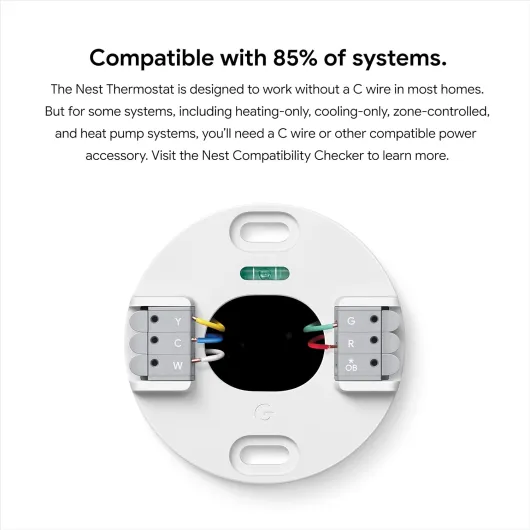
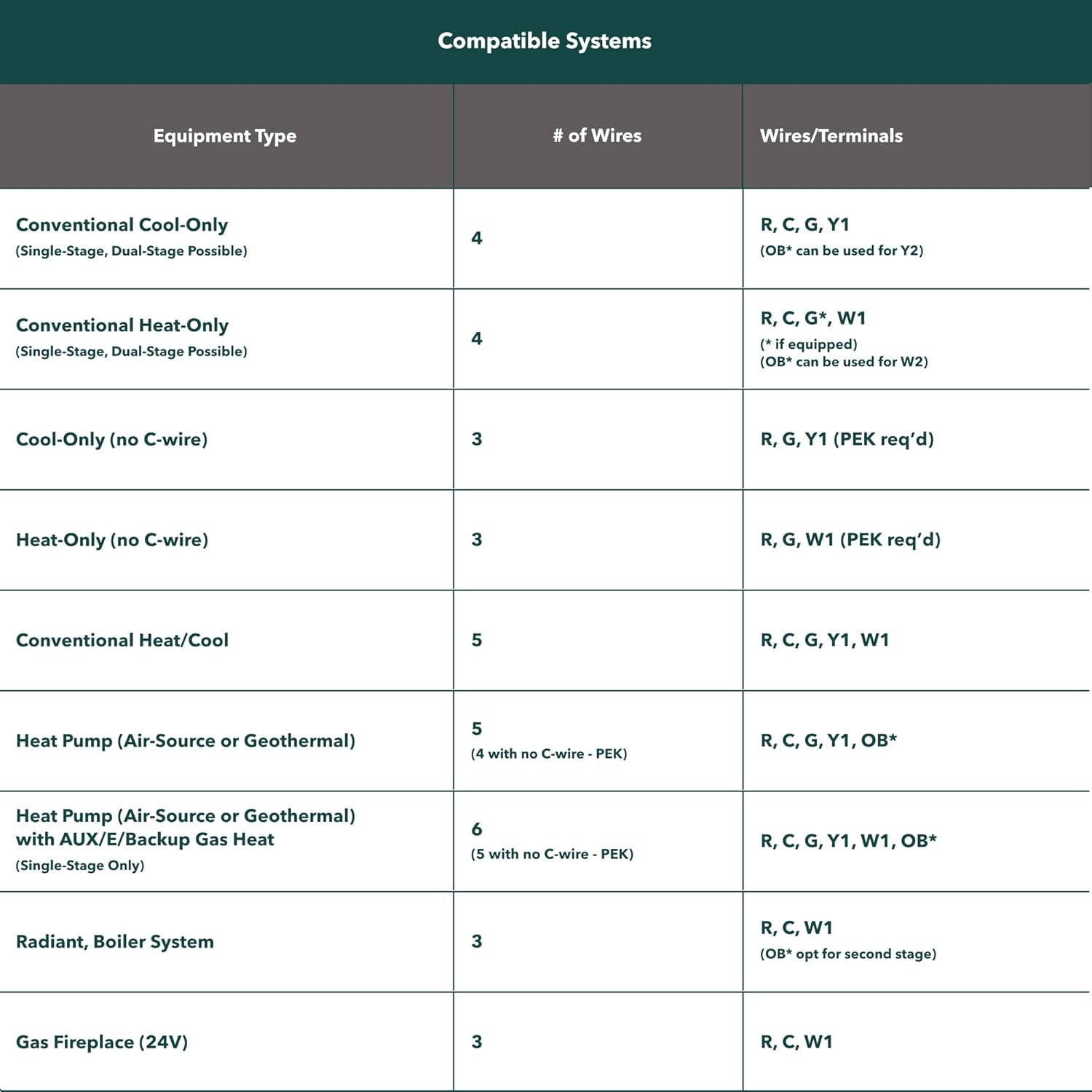
- + Smart thermostat with Wi-Fi for remote app control
- + Programmable schedules to help reduce energy use
- + Energy-saving features and usage reminders
- + Easy setup for many typical homes
- + Voice control compatibility with Google Assistant (and works with Alexa)
Security with a velvet glove: biometric locks, cameras and discreet monitoring
True luxury home security is less about visible fortification and more about invisible intelligence. High end smart home devices in this category aim to protect without shouting, blending biometric authentication, encrypted connectivity and subtle industrial design. The Lockly Affirm Smart Deadbolt is a good example of how fingerprint and facial recognition can converge with remote access in a single refined unit.
This type of lock allows you to use a fingerprint, a secure code or a smartphone for entry, while also supporting temporary digital keys for staff or guests. When tied into a broader smart home platform, an unlock event can trigger interior lighting scenes, adjust the smart thermostat and notify a central hub that the home is now occupied, which optimizes both comfort and energy use. Integrating such a lock with a video doorbell and a smart display inside the home creates a layered experience where you can see, speak and grant access from a single interface.
For estates with more complex needs, professional grade cameras and network video recorders can be integrated with consumer friendly interfaces such as google assistant or amazon alexa, so you can call up a driveway feed on a nest hub or hub max with a simple voice command. The key is to ensure that the underlying home security infrastructure remains robust and independent, while the smart speaker and smart display devices act as convenient windows into that system. This separation keeps casual amazon echo or google home experimentation from compromising critical security functions.
When evaluating such systems, focus less on marketing terms and more on encryption standards, update policies and how the devices will behave if the internet connection fails. High end smart home devices in the security category should maintain core functions locally, with the cloud used only to extend capabilities, not to define them. That design philosophy is what separates a truly resilient home security system from a collection of fragile gadgets.
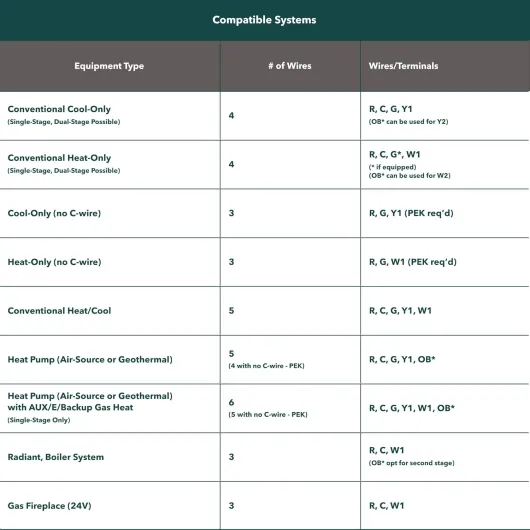
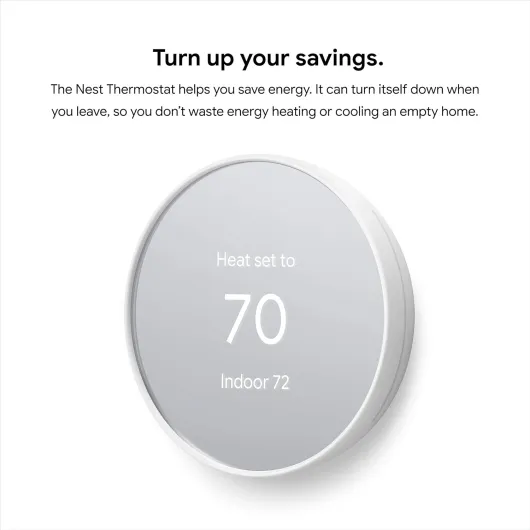
- + Energy-efficient — Energy Star certified
- + Wi-Fi enabled for remote control and app access
- + Voice control works with Siri, Alexa, and Google Assistant
- + Programmable schedules for automated temperature management
- + Simple and focused design for core smart thermostat features
Choosing your ecosystem: Amazon, Google, Apple and the rise of neutral hubs
Most luxury projects still orbit one of three major ecosystems for high end smart home devices. Amazon alexa, google assistant and apple HomeKit each bring their own strengths, weaknesses and aesthetic biases to the home. The art lies in using them as layers on top of a more neutral, professionally managed home platform rather than as the foundation.
Amazon echo devices excel as affordable, widely compatible smart speakers that can fill secondary rooms, guest suites or service areas with voice control and audio. Google nest hubs and the larger hub max models shine as smart display units in kitchens and studies, where glanceable information and video doorbell feeds matter more than pure sound quality. Apple’s ecosystem tends to appeal to clients who prioritize privacy and tight integration with iPhone, iPad and Mac, even if that sometimes means fewer officially supported home devices.
In a well designed smart home, a central hub or controller sits beneath these ecosystems, orchestrating lighting, climate, shading and home security across multiple brands. That hub ensures that if you later change your preference from alexa google setups to a more google home centric or apple centric approach, the underlying high end smart home devices remain intact. Professional integrators often describe this as treating amazon, google and apple as user interfaces, while the real intelligence lives in a dedicated home platform.
When planning a new build or major renovation, insist on wiring and network infrastructure that will support this flexibility. Hard wired backbones for key home devices, strategically placed access points and dedicated racks for hubs and controllers may not be glamorous, but they are what allow your smart home to evolve gracefully as platforms shift. The result is a home that feels current for many years, even as individual smart speakers, smart displays or voice assistants come and go.
Evaluating value: when 3–5x pricing genuinely makes sense
Price gaps between mainstream gadgets and high end smart home devices can be stark. A luxury smart thermostat, for example, might cost several times more than a basic connected model, yet still earn its place on the wall. The same applies to premium smart speakers, multiroom audio systems and design forward control interfaces.
One practical framework is to measure friction removed rather than features added. Ask how many daily interactions a device will handle, how much time it will save and whether it will fill a genuine gap in your routine, because a device you touch or speak to dozens of times a day has far more impact than a rarely used gadget. For audio, for instance, a carefully tuned system that integrates with your smart home hub and supports seamless voice control can transform how you use every room, which is why many clients invest in elevated luxury home audio systems for immersive private listening.
Compatibility is another critical axis. High end smart home devices should integrate cleanly with amazon alexa, google assistant, google nest displays and major home platforms, so you are not locked into a single vendor’s vision. A smart speaker that doubles as a high fidelity audio source, a smart display that anchors kitchen control and a video doorbell that talks to both your phone and your interior hubs all earn their keep by working together.
Finally, consider longevity and service. Premium devices from established tech and home automation brands often come with better support, clearer update roadmaps and more robust hardware, which matters when the device is literally built into your walls or millwork. In a luxury context, the best smart investments are those that quietly enhance daily rituals for years, not just impress guests for a season.
Key figures shaping the smart home luxury market
- According to Statista, the global smart home market surpassed 130 billion US dollars in annual revenue recently, with premium segments growing faster than entry level categories as affluent homeowners prioritize integrated systems over standalone gadgets.
- Research from Parks Associates shows that more than 40 percent of US broadband households now own at least one smart speaker, creating a baseline expectation for voice control that high end smart home devices must exceed through better design, privacy and integration.
- A report by the Consumer Technology Association indicates that professionally installed smart home projects have an average equipment cost several times higher than DIY setups, reflecting the shift toward centralized hubs, wired infrastructure and design grade interfaces in luxury homes.
- Energy Star data suggests that smart thermostats can reduce heating and cooling costs by around 8 to 10 percent on average, which becomes financially significant in large luxury properties with extensive climate zones and high baseline consumption.
- Surveys from security industry associations consistently find that households with integrated video doorbell and camera systems report higher perceived safety, especially when those systems are tied into broader home security platforms with local recording and professional monitoring options.
FAQ: high end smart home devices for luxury properties
Are premium smart home hubs really necessary if I already use Alexa or Google Assistant ?
For complex luxury homes, a dedicated smart home hub or controller is essential, because it coordinates lighting, climate, shading and security across many brands in ways that amazon alexa or google assistant alone cannot. Voice assistants are excellent user interfaces, but they do not replace the reliability and customization of a professional grade home platform. A hub also provides a stable backbone so you can change voice ecosystems later without rewiring the house.
How should I think about privacy when using voice control in a luxury home ?
Privacy conscious homeowners should prioritize systems that offer local processing for voice commands, keeping as much data as possible inside the home. Solutions that use a private hub to interpret commands and only send anonymized or optional data to the cloud reduce long term exposure. It is also wise to segment networks so that guest devices and casual smart speakers cannot access critical home security or infrastructure systems.
What makes a smart lock suitable for a high end property ?
A smart lock for a luxury home should combine strong physical construction, advanced authentication options and discreet design. Features such as biometric access, encrypted communication and integration with a broader home platform matter more than flashy touchscreens. The best models also support detailed access logs and temporary digital keys for staff, all managed through a secure, professionally configured system.
Is it worth integrating kitchen appliances into the wider smart home system ?
Integrating premium kitchen appliances can be worthwhile when the features genuinely reduce friction, such as automated inventory tracking, coordinated cooking programs or energy optimization. When a refrigerator, oven or wine column can talk to your central hub, smart displays and voice assistants, everyday tasks become smoother and more predictable. The key is to choose appliances with strong, well documented compatibility rather than closed, app only ecosystems.
How do I future proof my investment in high end smart home devices ?
Future proofing starts with infrastructure rather than gadgets, which means robust wiring, quality networking hardware and space for hubs and controllers. Selecting devices that support open standards and multiple ecosystems reduces the risk of obsolescence, as does working with integrators who plan for modular upgrades. With that foundation, you can refresh interfaces such as smart speakers or displays over time while the core system remains stable.