
The quiet rise of luxury personal assistant robots in elite homes
Luxury personal assistant robots are moving from futuristic fantasy into discreet domestic reality. In high end residences, each robot is expected to handle complex tasks while blending into refined interiors and enhancing the human experience. Wealthy owners now evaluate robots as they would a butler, considering design, etiquette, and reliability alongside raw technology.
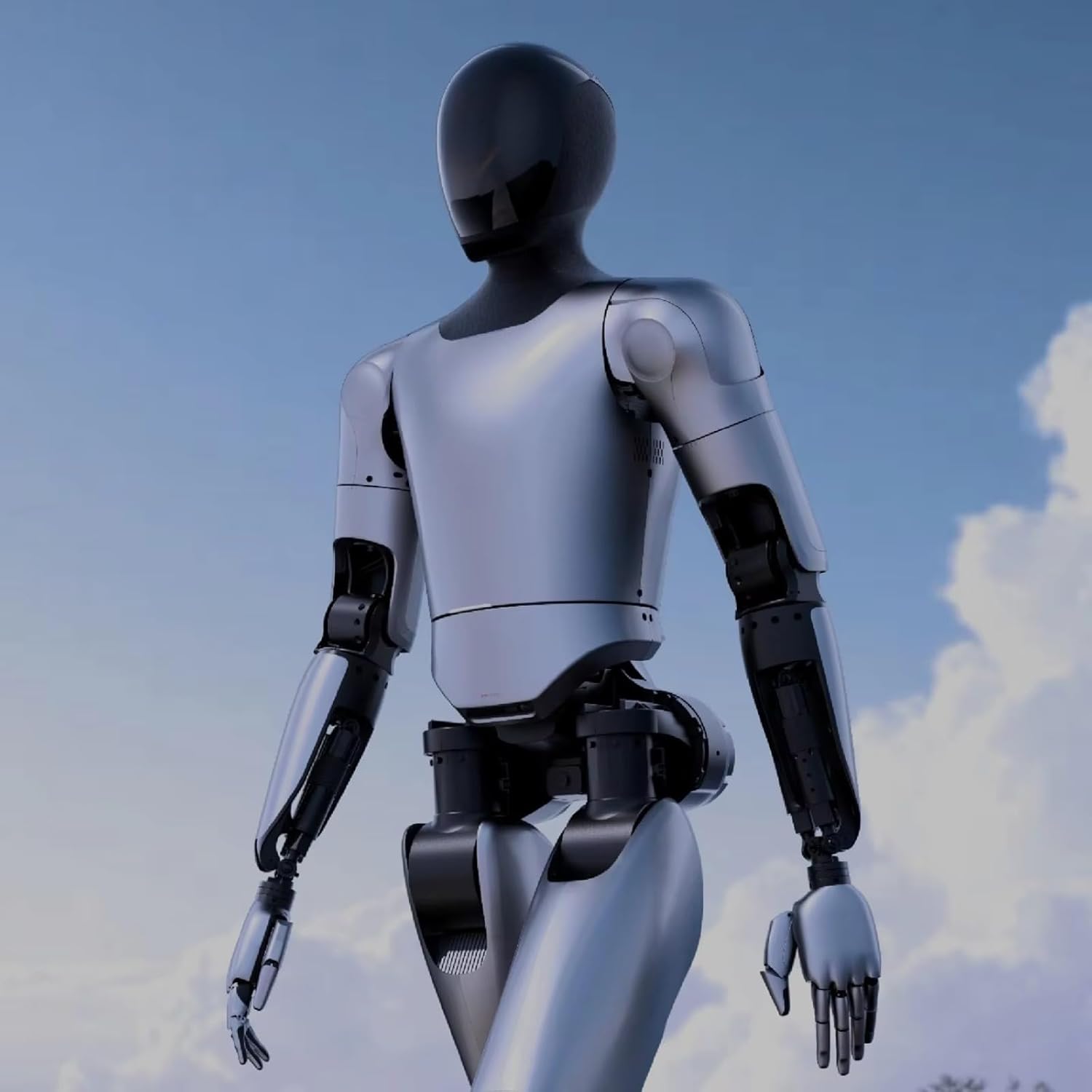
At the top of this segment, every humanoid robot is judged on how naturally it navigates household chores and social interactions. These humanoid robots rely on advanced robotics, artificial intelligence, and a sophisticated language model to interpret nuanced voice commands and subtle facial expressions. For luxury buyers, robots humanoid must feel like cultured companions rather than noisy appliances, which pushes robotics humanoid engineering toward more graceful movement and quieter operation.
Premium robot assistants increasingly manage repetitive tasks such as cleaning, tidying, and inventory checks across a wide range of rooms. A smart robot vacuum or a fleet of robot vacuums can map multi level floor plans, protect delicate finishes, and avoid valuable art pieces while saving countless hours of domestic work. In this context, robots essential become part of a broader ecosystem of advanced robotics that also includes discreet security devices and high end smoke detectors with integrated cameras.
Battery life and capacity battery are now strategic specifications rather than simple numbers on a sheet. Owners expect a humanoid to operate for many hours without maintenance, while a robot vacuum must return to its dock only when it will not disturb residents or guests. As luxury personal assistant robots evolve, terms conditions around data privacy, customer service, and long term maintenance contracts are becoming as important as the initial purchase price.
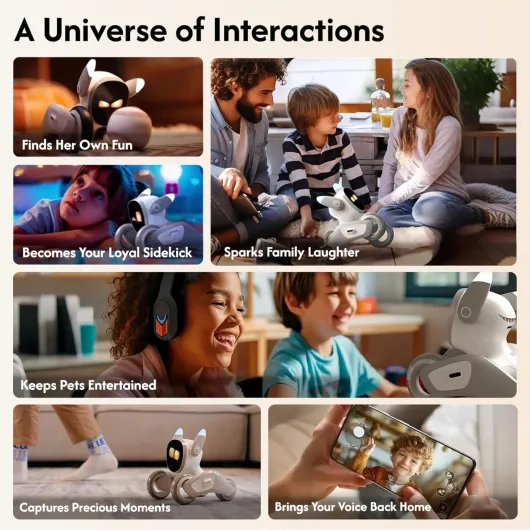
- + Interactive AI companion with an engaging personality
- + Family-friendly design — suitable for both young and old
- + Compact and portable little robot
- + Special Edition styling (Black) for collectors
- + Smart features powered by AI for learning and play

Design, materials, and the aesthetics of advanced robotics
In luxury environments, the design of luxury personal assistant robots matters as much as their technical specifications. A humanoid robot must complement curated interiors, using premium materials, soft edges, and a calm visual presence that respects the architecture. Manufacturers now collaborate with interior designers so that robots humanoid can move through salons and galleries without visually clashing with art or furniture.
For affluent owners, a smart robot is not just a tool for domestic work but a visible extension of their taste. Robot assistants therefore adopt minimalist silhouettes, subtle lighting, and refined color palettes while still housing powerful robotics and artificial intelligence modules. Even compact robot vacuum units are being reimagined with brushed metal finishes and low profile docking stations that hide cables and simplify maintenance.
Luxury personal assistant robots also integrate seamlessly with broader smart home security ecosystems. When a humanoid or robot vacuum patrols at night, it can complement systems such as door contacts for elevated security in luxury tech environments. This synergy allows robots essential to verify whether doors are properly closed, detect anomalies at the edge of a property, and relay information to human staff in real time.
Attention to ergonomics is equally critical, especially for humanoid robots that interact directly with the customer and guests. Subtle facial expressions, carefully tuned voice output, and intuitive gesture recognition help the human user feel at ease during everyday tasks. As robotics humanoid design matures, brands are refining terms conditions to clarify how these expressive features operate, how long battery life will remain optimal, and what level of customer service is guaranteed for many years.
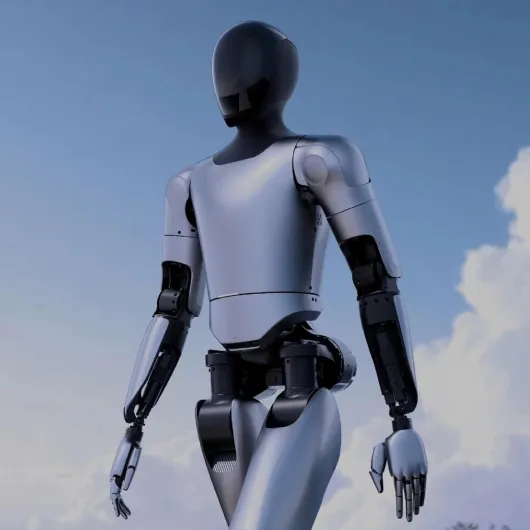
- + Voice control enables hands-free interaction
- + Versatile applications: elderly care, education, hotels, restaurants
- + Assistive features for cleaning and daily tasks
- + Customer-facing capabilities for guidance and service
- + Scalable deployment from homes to commercial settings
From household chores to hospitality: what these robots actually do
Luxury personal assistant robots are judged by how effectively they handle real domestic tasks. In large residences, a humanoid robot can guide guests, coordinate with human staff, and manage a wide range of household chores without appearing intrusive. These humanoid robots often act as a bridge between the owner, the property management team, and other smart systems.
Robot assistants excel at repetitive tasks that human staff find time consuming or physically demanding. A smart robot vacuum can handle daily cleaning of marble floors, delicate carpets, and long corridors while other robot vacuums focus on secondary areas such as service entrances. This division of work allows human staff to dedicate more hours to high touch hospitality, making the overall customer experience more refined.
Some luxury personal assistant robots also monitor environmental comfort and energy efficiency. When integrated with climate control systems such as a premium thermostat for luxury home climate control, a smart humanoid can adjust temperatures before the owner arrives. Advanced robotics and artificial intelligence enable the robot to learn preferences over time, optimizing comfort while protecting finishes and artworks that are sensitive to humidity and heat.
Battery life and capacity battery remain central to these use cases, because robots essential must operate across large properties without frequent interruptions. Owners expect a humanoid or robot vacuum to plan its own maintenance windows, schedule charging during low activity periods, and avoid running out of power at the edge of a staircase or gallery. As robotics humanoid platforms mature, terms conditions increasingly specify performance guarantees for repetitive tasks, customer service response times, and long term support for language model updates.
Artificial intelligence, language models, and human centric interaction
The most compelling luxury personal assistant robots are defined by how intelligently they interact with people. A humanoid robot that understands natural speech, subtle context, and emotional cues can transform routine domestic work into a smoother, almost invisible service. This is where artificial intelligence and a sophisticated language model become the real luxury differentiators.
Modern humanoid robots use advanced robotics to coordinate sensors, microphones, and cameras that interpret the human environment. They read facial expressions, detect stress in a voice, and adjust their responses to match the customer mood during everyday tasks. For example, a smart humanoid might lower its voice and dim nearby lights when it senses that the owner is tired after many hours of travel.
Robot assistants also learn from repetitive tasks, gradually optimizing routes for cleaning, inventory checks, and security patrols across a wide range of rooms. A robot vacuum can refine its path to protect fragile objects at the edge of a rug, while other robot vacuums coordinate schedules to avoid overlapping work. Over time, the language model allows the robot to understand more nuanced commands related to household chores, maintenance, and even guest preferences.
Because these systems rely heavily on data, terms conditions around privacy and customer service are critical for trust. Owners want clarity on how long voice recordings are stored, how artificial intelligence models are updated, and what happens if a humanoid or robot misinterprets a human instruction. In the luxury segment, robots essential must offer transparent controls, clear capacity battery information, and responsive support that respects both security and discretion.
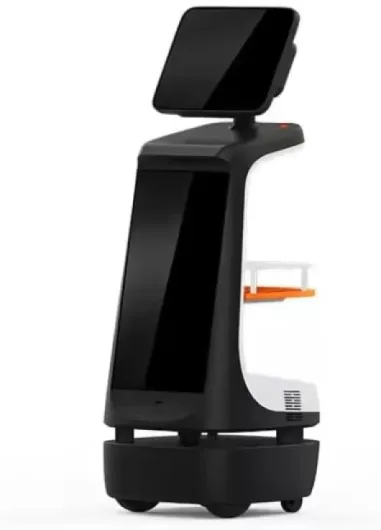
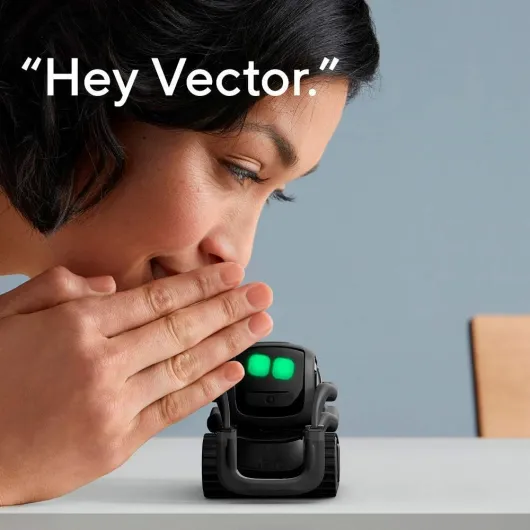
- + Health-monitoring assistance tailored for elderly care
- + Voice-controlled for hands-free, easy interaction
- + AI-powered companionship and personalized responses
- + Interactive service suitable for home, office, and hospitality use
- + Versatile roles: care assistant, office helper, hospitality support
Performance, battery life, and the realities of maintenance
Behind the elegant exterior of luxury personal assistant robots lies a demanding engineering challenge. Battery life, capacity battery, and maintenance schedules must align with the expectations of owners who are accustomed to seamless service. A humanoid robot that needs frequent charging or complex resets will quickly fall short of luxury standards, regardless of its advanced robotics.
Manufacturers therefore design robots humanoid and robot assistants with robust power management systems. Smart algorithms predict how many hours of domestic work remain before the next charge, allowing the robot to complete essential tasks without interruption. For robot vacuum units, this means finishing cleaning cycles in key areas before returning to the dock, while other robot vacuums can take over secondary zones later.
Maintenance is also evolving from reactive repairs to proactive care. Luxury personal assistant robots now monitor their own components, from motors to sensors at the edge of their chassis, and alert the customer or property manager before issues arise. This predictive approach reduces downtime, extends battery life, and ensures that robots essential remain ready for repetitive tasks such as cleaning, deliveries, and discreet security checks.
Service contracts and terms conditions are becoming more sophisticated as these systems grow more capable. High net worth buyers expect premium customer service, rapid on site support, and guaranteed availability of spare parts for many years. Some brands even offer preorders neo programs, allowing clients to secure the latest neo generation of humanoid robots and robot vacuums with priority maintenance, extended warranties, and tailored training for human staff.
Market dynamics, preorders, and the future of neo luxury robotics
The market for luxury personal assistant robots is still niche, yet it is expanding quickly among tech forward collectors and estate owners. Early adopters often participate in preorders neo campaigns to secure limited production models of humanoid robots and robot assistants. These clients view advanced robotics as both a functional investment and a statement about their relationship with technology and human centered design.
Manufacturers are responding by creating neo lines that push the edge of robotics humanoid capabilities. A neo humanoid robot may feature more expressive facial expressions, improved artificial intelligence, and a smarter language model that handles multiple languages for international households. At the same time, robot vacuum platforms are gaining better mapping, longer battery life, and higher capacity battery modules to cover a wide range of floor plans.
As demand grows, robots essential are moving beyond private residences into boutique hotels, yachts, and high end retail spaces. In these environments, humanoid robots and robot assistants support customer service, manage repetitive tasks, and coordinate with human staff to elevate hospitality. Terms conditions for such deployments must address not only maintenance and domestic work, but also liability, data governance, and the expectations of guests who interact with a humanoid for the first time.
For affluent buyers, the key question is how these robots will coexist with human teams over time. When artificial intelligence, advanced robotics, and thoughtful design are aligned, luxury personal assistant robots can free staff from routine household chores and allow them to focus on high value experiences. In that sense, robots humanoid and robot vacuums are not replacing people, but rather reshaping how time, attention, and service quality are distributed across the modern luxury home.
Key statistics shaping luxury personal assistant robots
- Global spending on domestic and service robots in the premium segment is growing significantly each year, driven by high net worth households and boutique hospitality projects.
- Battery life improvements of leading humanoid and cleaning robots now regularly exceed several hours of continuous operation in real world luxury properties.
- Advanced robotics platforms integrating artificial intelligence and language model capabilities are capturing a growing share of new installations in high end homes.
- Robot vacuum adoption in luxury residences is rising steadily, with multi unit fleets increasingly used to cover a wide range of floor surfaces and layouts.
- Customer service expectations are intensifying, with many luxury buyers demanding rapid on site support and long term maintenance guarantees in their terms conditions.
Essential questions about luxury personal assistant robots
How do luxury personal assistant robots differ from mainstream household robots ?
Luxury personal assistant robots emphasize refined design, quiet operation, and seamless integration with curated interiors. They combine advanced robotics, artificial intelligence, and a sophisticated language model to manage complex tasks while respecting privacy and etiquette. Mainstream robots typically focus on basic cleaning or single purpose functions, with less attention to aesthetics, customer service, and long term maintenance contracts.
What roles can humanoid robots play in a high end residence ?
Humanoid robots in luxury homes often act as versatile robot assistants that support both domestic work and hospitality. They can guide guests, coordinate household chores with human staff, and interface with other smart systems such as security sensors and climate control. Thanks to advanced robotics humanoid engineering, they interpret facial expressions and voice commands, enabling more natural interactions with the customer and family members.
How important are battery life and maintenance for luxury personal assistant robots ?
Battery life and capacity battery are critical because large properties require many hours of autonomous operation. Owners expect robots essential, from humanoid units to robot vacuum fleets, to schedule their own charging and minimize disruption to daily life. Predictive maintenance, clear terms conditions, and responsive customer service ensure that advanced robotics platforms remain reliable over time.
Can luxury personal assistant robots enhance home security as well as convenience ?
Yes, many luxury personal assistant robots complement existing security systems by monitoring spaces during routine tasks. A humanoid robot or smart robot vacuum can detect anomalies at the edge of a room, verify door status, and relay alerts to human staff or security teams. When integrated with other high end devices, these robot assistants provide an additional layer of situational awareness without compromising the elegance of the environment.
What should buyers consider before placing preorders for neo generation robots ?
Before engaging in preorders neo programs, buyers should evaluate the maturity of the robotics humanoid platform, the clarity of terms conditions, and the strength of customer service commitments. It is essential to understand how long software and language model updates will be provided, as well as the expected battery life and maintenance requirements. Prospective owners should also assess how well the neo humanoid robot or robot vacuums will integrate with existing smart home systems and the daily routines of human staff.