Why solid-state chemistry changes the luxury EV playbook
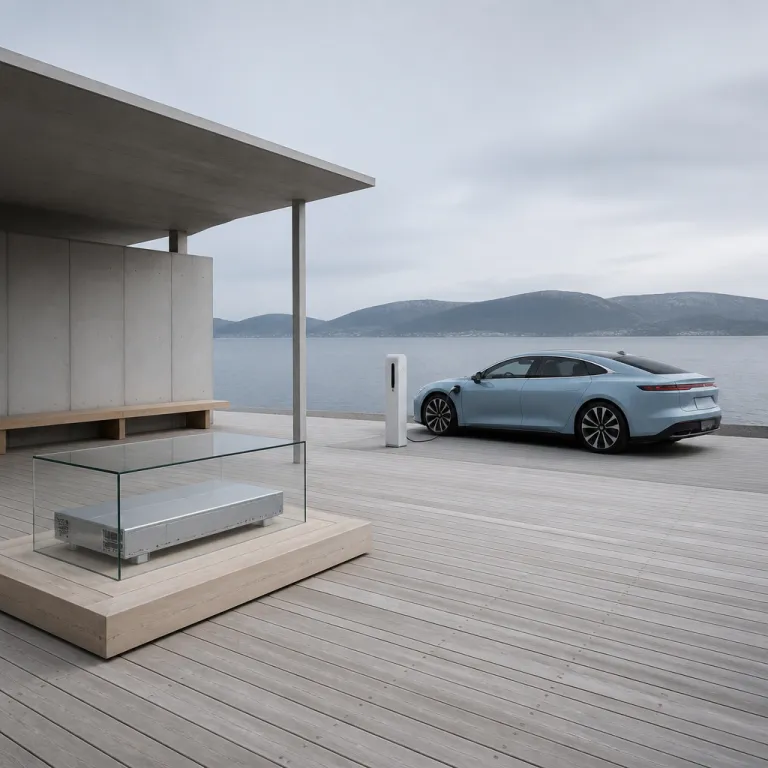
The phrase solid state battery luxury electric vehicle is not marketing poetry, it is a concise description of a structural shift in how energy is stored and delivered in premium mobility. Current lithium ion batteries in electric vehicles rely on a liquid electrolyte that shuttles ions between battery cells, while solid state batteries replace this liquid electrolyte with a solid material that unlocks higher energy density and greater safety. That single change in battery tech sounds modest, yet it reshapes everything from driving range to cabin packaging and even how a Mercedes-Benz or Karma Automotive model can be designed around its powertrain.
In a conventional pack, lithium ion cells are separated, cooled and monitored to keep the liquid electrolyte stable, which is why today’s luxury EVs carry so much weight and thermal hardware for relatively limited range. With solid state cells, the solid electrolyte can tolerate higher voltages and temperatures, so the same volume of battery cells will store more energy and deliver more miles without the same fire risk profile. For a luxury buyer, that means a solid state battery luxury electric vehicle can offer a longer driving range, slimmer floor, quieter cooling systems and a more sculptural interior without sacrificing performance.
Think of it this way: the solid material inside solid state batteries behaves more like a ceramic or polymer glass than a flammable liquid, so punctures and thermal runaway events become far less likely. That allows designers to push the envelope on ultra thin seats, dramatic low rooflines and extended wheelbases, because the solid state cells can be packaged more tightly and safely. The result is not just another generation of EVs, but a new design language where energy, aesthetics and sustainability finally align for the most demanding clients.
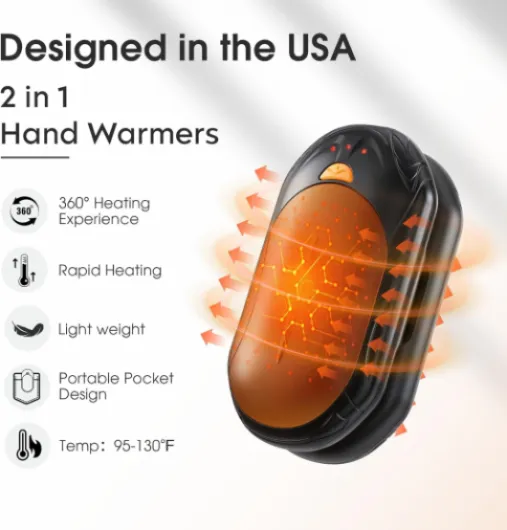
- + 2-pack offers extra value and sharing
- + Rechargeable — convenient and reusable
- + AI smart chips for optimized heating control
- + 20-hour long heat (per title) for extended use
- + Portable pocket-sized design for outdoor activities

From lithium ion to solid state: what actually changes under the floor
Most luxury EVs today still rely on lithium ion batteries that pair a graphite anode with a lithium metal oxide cathode, both soaked in a liquid electrolyte that carries charge. This architecture has matured to the point where production is efficient and costs are predictable, yet the chemistry is reaching its ceiling in terms of energy density and safe fast charging, which is why even flagship EVs struggle to exceed 500 miles of real world range. The shift to a solid state battery luxury electric vehicle replaces that liquid electrolyte with a solid medium and often swaps the graphite anode for lithium metal, which dramatically increases how much energy each cell can store.
In practice, solid state batteries and emerging semi solid designs are targeting energy density figures above roughly 450 to 500 Wh/kg in laboratory and early prototype testing, compared with around 250 to 300 Wh/kg for today’s best lithium ion batteries in production EVs, according to public roadmaps from developers such as QuantumScape and Toyota. That means fewer battery cells will be needed for the same driving range, or the same number of cells can push a compact luxury sedan well beyond 600 miles between charges in optimistic engineering scenarios. For affluent buyers used to grand touring in combustion powered Mercedes-Benz or Karma models, this begins to close the psychological gap between electric vehicles and traditional long range cruisers.
Engineers are also rethinking pack architecture: solid state battery modules can be integrated directly into the vehicle structure, reducing mass and improving stiffness. This is where advanced battery tech such as cell to pack and cell to chassis designs intersect with solid state chemistry, enabling thinner floors and more elegant proportions. If you want to go deeper into how individual cells shape premium devices, a useful parallel is the detailed analysis of high performance 18650 formats in luxury gadgets on this exploration of 20s 3.7 V 18650 battery architecture, which mirrors the same trade offs between density, safety and form factor that now define the next wave of EVs.
Who leads the race: Toyota, Mercedes, Karma and the new battery vanguard
The companies shaping the first wave of solid state battery luxury electric vehicle models are not the loudest on social media, but the ones quietly signing multi billion dollar cell supply and development agreements. Toyota has been one of the most vocal about solid state technology, outlining plans for solid state cells in future electric vehicles and hybrid flagships and publicly targeting the second half of the 2020s for initial deployments, while also exploring semi solid chemistries as a bridge between today’s lithium ion packs and tomorrow’s lithium metal designs. Behind the scenes, specialist firms such as Factorial Energy and QuantumScape are working on solid state cells that can scale to automotive production volumes without sacrificing cycle life.
On the European side, Mercedes-Benz and parent group Mercedes-Benz Group (formerly Daimler) are investing heavily in next generation battery tech, pairing in house research with partnerships that span China, Korea and the United States. Their goal is clear: future Mercedes-Benz EVs will use a mix of advanced lithium ion and solid state batteries, with the most exclusive models likely to receive solid state packs first because those buyers can absorb higher per cell costs. Karma Automotive is taking a more boutique approach, positioning the upcoming Karma Kaveya as a halo product that can showcase cutting edge solid state batteries and semi solid chemistries in a low volume, high touch environment, although detailed specifications remain subject to change as development continues.
Factorial Energy, for example, has announced collaborations with both Mercedes-Benz and Stellantis to develop solid state cells that can be built on modified existing production lines, which reduces risk and accelerates time to market, while QuantumScape has disclosed joint development agreements with Volkswagen Group for future solid state EVs. Similar stories are unfolding in China, where major cell suppliers are experimenting with semi solid electrolytes and hybrid lithium metal designs that can slot into current EV platforms. For readers interested in how this same revolution is already reshaping smaller form factor power sources, the analysis of lithium C cell batteries for premium devices on this deep dive into lithium C cell performance offers a useful micro scale analogue to what is happening under the floor of tomorrow’s luxury EVs.
Range, charging and real world luxury: what solid-state actually delivers
For a luxury buyer, the most tangible promise of a solid state battery luxury electric vehicle is simple: more miles, less waiting, less drama. Because solid state batteries can reach higher energy density, a given pack size can deliver a significantly longer driving range, with industry roadmaps often projecting above 600 miles for mid size sedans and even higher for streamlined coupes under ideal conditions. That means the battery will finally stop dictating your itinerary, allowing long weekend escapes in a Karma Kaveya or Mercedes-Benz EQS without plotting every kilowatt hour on a spreadsheet.
Fast charging is the second pillar, and it is where solid state batteries and semi solid chemistries change the rhythm of ownership. With a solid electrolyte and lithium metal anodes, solid state cells can in principle accept higher charge rates without forming the dendrites that plague conventional lithium ion batteries, so a future Mercedes-Benz flagship or Karma Automotive grand tourer could realistically aim to add hundreds of miles in under ten minutes, in line with targets cited by several solid state developers. The key nuance is that these capabilities depend on careful thermal management and pack design, which is why early solid state EVs will likely appear first in the luxury segment where cost constraints are softer and engineering teams can over specify hardware.
There is also a quieter luxury benefit: solid electrolytes reduce the need for aggressive liquid cooling loops and heavy shielding, so cabins can be more serene and floor heights lower. In practice, that means a solid state battery luxury electric vehicle can combine a limousine like rear lounge with a sports car silhouette, because the battery cells will occupy less vertical space and generate less waste heat. This is where the technology stops being an abstract spec sheet and starts shaping how the car feels when you slide into the driver’s seat after a long flight.
Production reality, China’s role and why luxury gets solid-state first
The uncomfortable truth is that solid state batteries are not yet rolling off assembly lines in the same volumes as today’s lithium ion packs, and that gap between promise and production is where expectations must be managed. Building solid state cells at scale requires new manufacturing equipment, new quality control protocols and new supply chains for solid electrolytes and lithium metal foils, which is why most automakers frame their timelines as late decade rather than imminent. Luxury brands can move earlier because they sell fewer units, can price in higher per kilowatt hour costs and can afford to run parallel lines where cells will be hand validated before reaching clients.
China plays a pivotal role in this transition, not only as the largest market for electric vehicles but also as the hub for much of the world’s battery cells production capacity. Several Chinese cell makers are already shipping semi solid packs that blend liquid electrolyte with solid components, offering incremental gains in energy density and safety while they refine full solid state designs. These semi solid batteries act as a proving ground for manufacturing techniques and materials that will later underpin pure solid state cells in high end EVs from Mercedes-Benz, Toyota and niche players like Karma Automotive.
For affluent buyers, the key takeaway is timing: the first truly mass produced solid state battery luxury electric vehicle will almost certainly wear a premium badge, because that is where battery tech can be subsidized by higher transaction prices and brand equity. Over time, as yields improve and costs fall, solid state batteries will filter down into more accessible EVs, much as early lithium ion packs did. Until then, the luxury segment will function as the test bed where every new solid state battery, every new solid electrolyte and every new pack architecture is refined under real world conditions, long before it reaches the mainstream.
Home charging, infrastructure and how your garage must evolve
Owning a solid state battery luxury electric vehicle will subtly change how your home and travel infrastructure feel, even if the wall box on your garage wall still looks familiar. Because solid state batteries can accept higher charge rates and operate safely at broader temperature ranges, future home chargers will likely be rated for higher peak power and smarter load balancing, especially in properties that already host multiple EVs. The practical effect is that your battery will reach a useful state of charge in far less time, so overnight top ups become shorter and opportunistic charging during a lunch stop becomes genuinely meaningful.
Public infrastructure will also adapt: ultra high power DC fast chargers will be deployed more aggressively along key luxury corridors, from ski routes to coastal highways, because solid state cells can finally make use of 350 kW and beyond without rapid degradation. This is where the interplay between energy density, grid capacity and urban planning becomes visible, and it is why many sustainability focused luxury owners are already following policy debates as closely as product launches. For a broader view of how eco luxury tech is evolving across categories, the analysis of sustainable premium devices on this deep dive into the state of eco luxury tech offers a useful macro lens that parallels what is happening in mobility.
One subtle but important shift is psychological: when you know your battery cells will comfortably deliver 600 plus miles in favorable conditions and tolerate frequent high power charging, range anxiety gives way to energy literacy. You start thinking less about whether you can reach your destination and more about how to optimize your charging schedule around your life, not the other way around. That is the real luxury promised by solid state batteries and advanced solid state cells: not just more miles, but more control over how those miles fit into the rhythm of your days.
Key figures shaping the future of solid-state luxury EVs
- Many leading battery developers target solid state energy density levels above roughly 450 to 500 Wh/kg in long term roadmaps, roughly double the 250 to 300 Wh/kg typical of current automotive lithium ion packs, which directly translates into longer range or smaller, lighter packs for the same miles.
- Several automakers and cell suppliers have publicly indicated late decade timelines for initial solid state EV deployments, reflecting the time needed to adapt production lines and validate new chemistries for at least 1 000 charge cycles without unacceptable capacity loss.
- Fast charging roadmaps for solid state batteries often cite the goal of adding 80 percent charge in under 10 minutes, compared with 20 to 30 minutes for many current high end EVs on 800 volt architectures, which would significantly reduce downtime on long trips.
- Analysts tracking global battery cells production capacity note that China currently accounts for well over half of installed manufacturing, positioning Chinese firms to influence how quickly semi solid and full solid state chemistries reach commercial scale.
- Luxury EV benchmarks such as long range sedans today typically offer around 400 to 500 miles of rated driving range, so a shift to solid state cells with higher energy density could realistically push flagship models beyond 600 miles without increasing pack footprint if other efficiency gains are realized.
FAQ: solid-state batteries and luxury EVs
How is a solid-state EV battery different from a lithium-ion pack?
A solid state EV battery replaces the flammable liquid electrolyte in a conventional lithium ion pack with a solid material, often paired with a lithium metal anode instead of graphite. This change increases energy density, improves thermal stability and reduces fire risk, which is why solid state batteries are so attractive for high value electric vehicles. The trade off is that manufacturing solid electrolytes and integrating them into reliable battery cells is more complex than today’s liquid based designs.
When will solid-state batteries appear in production luxury EVs?
Most major automakers working on solid state technology, including Toyota and Mercedes-Benz partners, signal late decade timelines for the first limited production models. Luxury brands are likely to lead because they can absorb higher costs and manage smaller volumes while validating new solid state cells in real customers’ hands. Mass market EVs will probably follow once yields improve and per kilowatt hour costs fall to levels closer to advanced lithium ion batteries.
Will solid-state batteries really deliver 600-mile ranges?
Energy density projections for solid state cells suggest that 600 mile ranges are technically achievable in well optimized luxury sedans and crossovers. Whether every solid state battery luxury electric vehicle reaches that figure will depend on aerodynamics, weight, tyre choice and how conservatively manufacturers size their packs. Expect early models to prioritize a balance of range, performance and longevity rather than chasing headline miles at any cost.
Are semi-solid batteries a meaningful step toward full solid-state?
Semi solid batteries blend elements of liquid electrolyte systems with solid components, offering incremental gains in safety and energy density while using much of the existing production infrastructure. They allow manufacturers to test new materials and interfaces without committing to fully solid state architectures from day one. For luxury EV buyers, semi solid packs may appear as an intermediate technology in special editions or early adopter models before pure solid state cells become mainstream.
How will solid-state technology affect EV resale values?
Luxury EVs equipped with durable solid state batteries that show minimal degradation over many years are likely to command stronger resale values than comparable lithium ion models. Buyers in the secondary market will pay a premium for vehicles whose battery cells retain most of their original capacity and can still deliver long driving range. As with any new technology, the first few years of real world data will shape how the market prices that longevity advantage.