Why a Z‑Wave temperature sensor is the quiet hero of luxury comfort
A refined smart home feels effortless when the climate is perfectly tuned. A carefully selected Z‑Wave temperature sensor turns that ambition into reality by feeding precise temperature data into your automation brain, minute after minute. In high end spaces where materials, art collections, and wine cellars demand stability, this discreet sensor becomes as critical as any visible design feature.
Unlike many basic sensors, a premium zwave temp sensor works as part of a curated ecosystem that includes a central hub, advanced actuators, and scene based logic. The Z‑Wave wireless protocol was designed for low power, long range communication inside buildings, which suits large villas with thick stone walls and multiple floors. When you pair several temperature sensors with a capable hub, you gain room by room control that respects both comfort and conservation.
Luxury owners often compare Z‑Wave and Zigbee before committing to a standard. Zigbee sensors can be excellent for dense networks, yet a Z‑Wave device series often offers better interoperability with European luxury oriented brands and structured installers. The key is not choosing a single protocol for ideology, but selecting the temperature sensor and humidity sensor mix that best fits your architecture, your materials, and your expectations.
- + Wi-Fi connected for remote control and app access
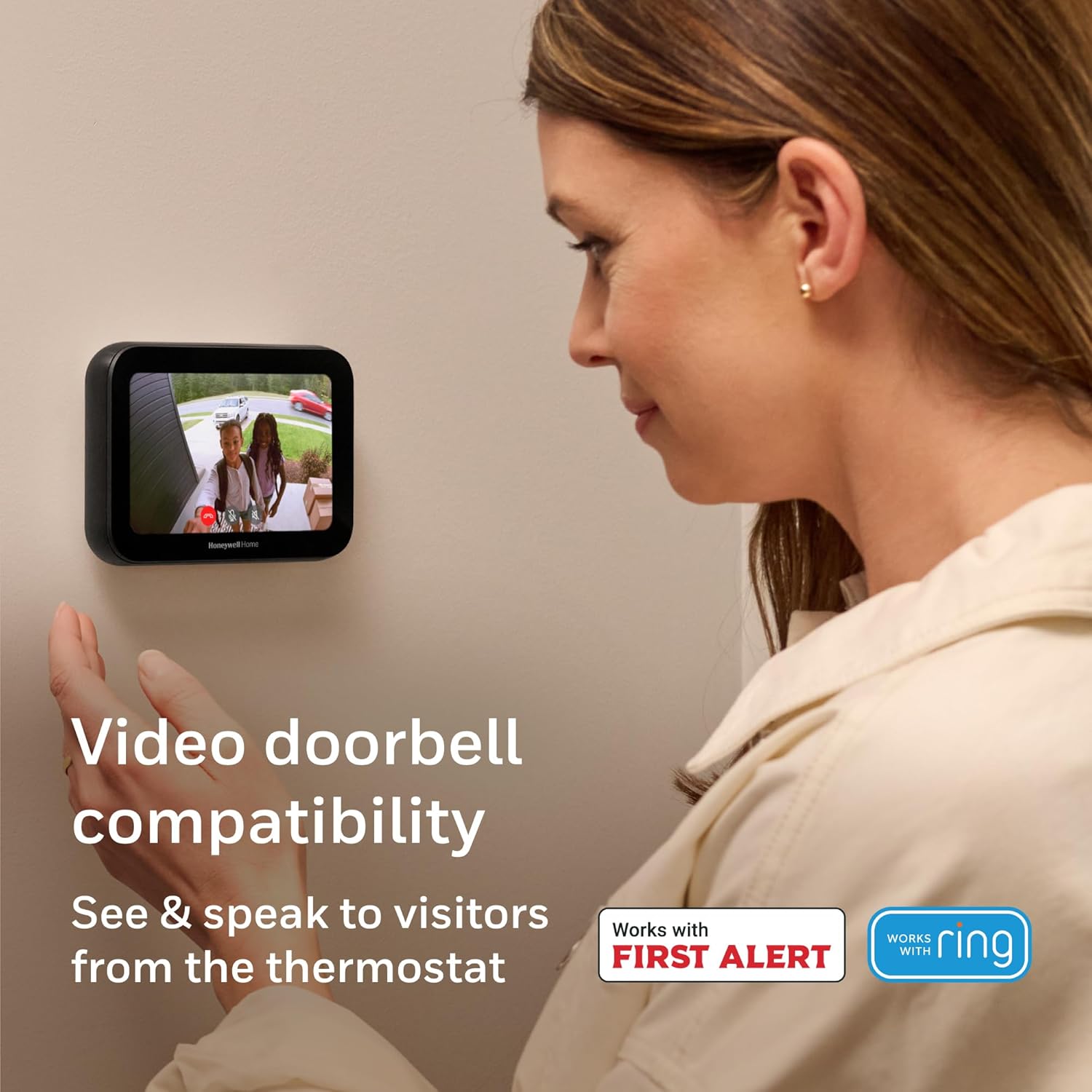
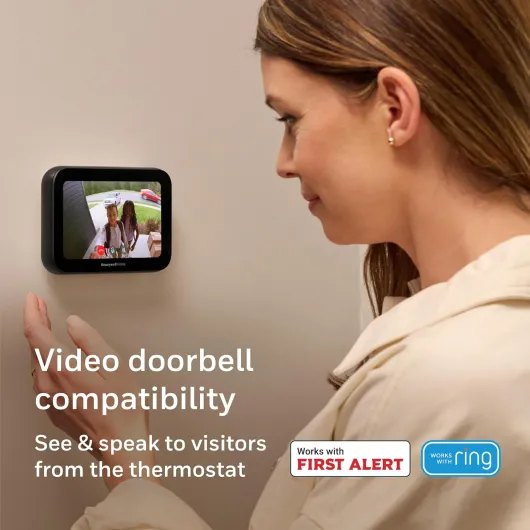
- + Video doorbell compatible to link entry alerts with the thermostat
- + IAQ control (indoor air quality) to monitor and manage air
- + Customizable touchscreen with an intuitive, modern interface
- + Sleek black design that fits contemporary interiors

From foyer to spa suite: zoning luxury spaces with Z‑Wave sensors
Large residences rarely behave like compact apartments when it comes to indoor temperature. A zwave temp sensor in a marble clad bathroom reacts differently to radiant heat than a sensor in a double height living room flooded with light. Treating each area as a distinct climate zone is the only way to keep every space feeling intentional rather than generic.
In practice, integrators deploy multiple temperature sensors and humidity sensors across key rooms, then link them to a central hub such as SmartThings, Homey, or Hubitat. A SmartThings hub or a Homey or Hubitat style controller interprets each sensor’s range temperature readings and triggers underfloor heating, fan coil units, or motorized windows. When a motion sensor detects presence in a seldom used gallery, the system can temporarily relax its strict humidity temperature targets to save energy without compromising art preservation.
Door and window monitoring completes this zoning strategy. Pairing a zwave temp sensor with discreet Z‑Wave door sensors creates what many designers now call quiet luxury guardians for smart entrances, and you can explore this philosophy in depth through this dedicated guide on elegant Z‑Wave entrance protection. When a door opens on a winter evening, the entrance sensor works with the temperature humidity readings to trigger a brief boost of warm air only where needed. The result is a home that feels attentive, not reactive.
Choosing between Aeotec, Zooz and other Z‑Wave temperature sensor artisans
Once you commit to Z‑Wave, the next question is which product line deserves a place in your home. Brands such as Aeotec and Zooz have earned trust among integrators by focusing on reliable sensors that simply work in demanding environments. The difference between their temperature sensor ranges often lies in form factor, battery powered endurance, and how gracefully they blend into high design interiors.
Aeotec offers refined options like the Aeotec TriSensor, which combines a motion sensor, a temperature sensor, and a light sensor in a single compact box. This Aeotec TriSensor unit is ideal when you want motion, temperature humidity, and ambient light data from one discreet point on the wall or ceiling. Zooz, by contrast, is known for the sensor ZSE series devices, which provide strong long range performance and granular range temperature reporting at a very competitive unit price.
For a wine cellar or art storage room, many designers prefer a dedicated humidity sensor or even several humidity sensors rather than relying only on combo devices. In these cases, pairing a zwave temp sensor with a separate humidity sensor and a water sensor or Aeotec Water leak detector gives you layered protection. For a deeper look at how such a Z‑Wave temperature sensor strategy refines climate control in luxury spaces, consult this analysis on precision Z‑Wave climate management, which examines real world installations.
Design, placement and long range performance in expansive residences
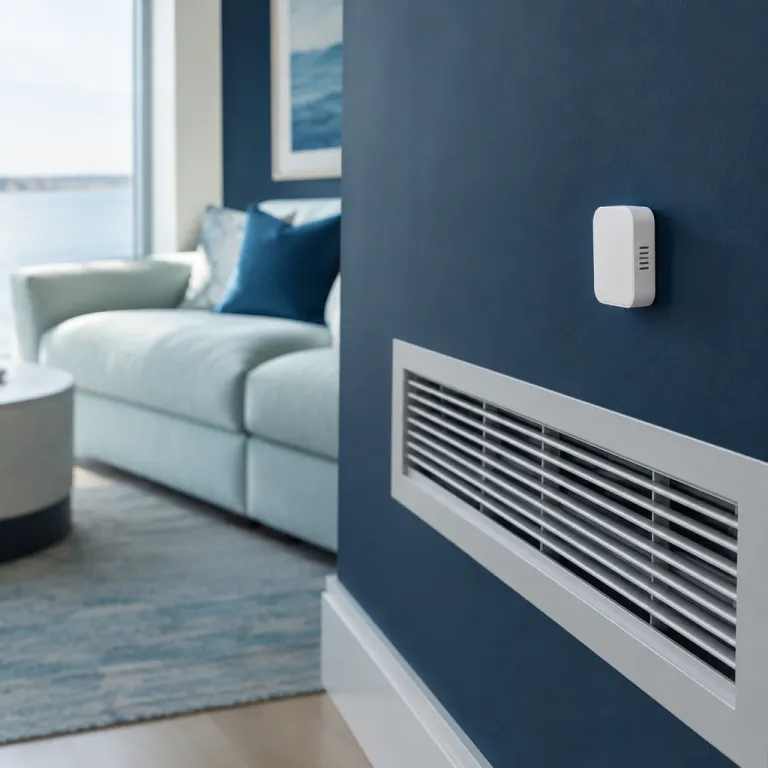
In a penthouse or coastal villa, the most beautiful sensor is the one you barely notice. A zwave temp sensor should disappear into the architecture while still reading indoor temperature and humidity temperature with precision. Achieving this balance requires careful placement, attention to materials, and respect for the wireless range characteristics of your chosen protocol.
Z‑Wave long range performance has improved significantly with newer device series chipsets, which can reach well beyond 100 metres line of sight under ideal conditions. In real luxury homes with stone, glass, and metal, integrators often rely on powered repeaters or other Z‑Wave products to create a robust mesh that supports all sensors. When you combine long range Z‑Wave devices with thoughtfully positioned hubs, you avoid dead zones that would otherwise compromise climate control in remote spa suites or pool houses.
Battery powered sensors introduce another design variable. A compact battery powered zwave temp sensor can be placed on a shelf, behind a sculpture, or inside a custom wood panel without visible wiring. To maintain accuracy, avoid direct sunlight or proximity to strong light sources, and keep each temperature sensor away from vents that could distort range temperature readings.

- + Long range: up to 2600FT for wide coverage
- + Solar-powered sensor reduces frequent battery replacements
- + Weatherproof design for reliable indoor/outdoor use
- + Multi-zone support: supports up to 4 zones
- + Customizable alerts: 36 melodies and 5 volume levels
Beyond climate: integrating light, motion and water protection with Z‑Wave
Once a zwave temp sensor is in place, it becomes natural to extend the same logic to other environmental risks. Luxury homes often combine temperature humidity monitoring with motion detection, light sensing, and water leak protection to create a holistic safety net. The goal is not a gadget filled space, but a calm environment where technology quietly anticipates problems.
Aeotec TriSensor units are a popular choice when you want motion, temperature, and light in a single product that works seamlessly with a SmartThings hub or a Homey or Hubitat style controller. These multi sensors can dim light scenes when no motion is detected, adjust blinds based on light levels, and fine tune indoor temperature set points using their integrated temperature sensor. Zooz sensor ZSE models complement them by offering focused motion sensor coverage in corridors, staircases, and dressing rooms where rapid response matters more than humidity temperature data.
Water protection deserves equal attention in luxury spaces with stone bathrooms, wellness areas, and technical rooms. Pairing an Aeotec Water sensor or another Z‑Wave water sensor with your zwave temp sensor network allows the system to react instantly to a water leak, shutting valves and adjusting humidity sensors thresholds. This layered approach ensures that humidity sensors, temperature sensors, and water leak detectors all work together rather than acting as isolated gadgets.
Smart hubs, protocol choices and the discreet luxury of invisible control
The hub is the conductor of your smart orchestra, and a zwave temp sensor is one of its most expressive instruments. Whether you choose a SmartThings hub, a Homey controller, a Hubitat controller, or a more specialized automation server, compatibility and stability matter more than flashy marketing. A well tuned hub ensures that every sensor, switch, and actuator works together in a way that feels almost telepathic.
Many luxury projects blend Z‑Wave and Zigbee devices, using Zigbee humidity sensors or Zigbee motion sensors where that protocol’s dense mesh excels. In such mixed environments, the zwave temp sensor often handles critical climate control while Zigbee sensors support secondary roles like presence detection or accent lighting. Careful planning of device range, channel selection, and interference management keeps both radio based networks performing at their best.
Invisible control extends beyond climate and security into wearable interfaces and ambient computing. High end clients increasingly expect their smart home to coordinate with luxury smart glasses, watches, and other discreet devices that surface only the most relevant alerts, a topic explored in depth in this analysis of smart glasses and fashion house collaboration. In that context, a zwave temp sensor becomes one more quiet data source feeding a refined, human centric experience rather than a visible gadget demanding attention.
Key figures shaping luxury Z‑Wave climate control
- According to the Z‑Wave Alliance product database, there are more than 4 000 certified Z‑Wave products on the market, which significantly increases the likelihood that a zwave temp sensor will be compatible with your preferred hub and other devices.
- Field tests published by European smart home integrators indicate that modern Z‑Wave long range devices can maintain reliable communication over roughly 50 to 80 metres indoors in large homes, compared with roughly 30 metres for many earlier device series generations under similar conditions.
- Energy agencies in Europe, including the International Energy Agency and several national regulators, report that precise room by room temperature control can reduce heating and cooling energy consumption by around 10 to 20 percent, which means that a network of well placed temperature sensors can materially lower operating costs in large luxury residences.
- Insurance industry data from major European and North American carriers indicates that water leak incidents are among the top causes of property damage claims in high value homes, which reinforces the importance of pairing a zwave temp sensor network with dedicated water sensor devices in bathrooms, kitchens, and technical rooms.
- Market analyses of smart home platforms show that hubs such as SmartThings, Homey, and Hubitat support both Z‑Wave and Zigbee, giving luxury homeowners flexibility to mix zwave temp sensor devices with Zigbee humidity sensors and other complementary products without locking into a single ecosystem.
FAQ about Z‑Wave temperature sensors in luxury homes
How does a Z‑Wave temperature sensor differ from a basic thermostat
A zwave temp sensor focuses on accurately measuring indoor temperature and sometimes humidity, then sending that data to a hub, while a basic thermostat usually combines sensing with direct control of a single heating or cooling unit. In luxury homes, multiple Z‑Wave temperature sensors feed a central controller that manages several climate zones simultaneously. This architecture allows far more granular and elegant control than a single wall mounted thermostat.
Can I mix Z‑Wave and Zigbee sensors in the same luxury property
Yes, many high end installations successfully combine Z‑Wave and Zigbee devices under a multi protocol hub such as SmartThings, Homey, or Hubitat. A zwave temp sensor might handle critical climate control while Zigbee humidity sensors and Zigbee motion sensors support secondary functions. The key is to design both networks carefully to avoid radio interference and to ensure that each protocol’s mesh remains strong.
Where should I place Z‑Wave temperature and humidity sensors for best results
For accurate readings, place each zwave temp sensor at about 1,5 metres above the floor, away from direct sunlight, radiators, or air vents. In luxury spaces, integrators often hide sensors on side walls, in custom enclosures, or on shelves where airflow is representative of the room. Dedicated humidity sensors or combo temperature humidity devices should be positioned near areas prone to moisture, such as bathrooms, spas, and kitchens.
How long do battery powered Z‑Wave sensors typically last
Battery powered Z‑Wave temperature sensors usually operate for one to three years on a single set of batteries, depending on reporting frequency, range, and ambient conditions. In large luxury homes with many devices, integrators often configure slightly longer reporting intervals to extend battery life without sacrificing comfort. Choosing reputable brands such as Aeotec or Zooz also helps ensure predictable performance over the long term.
Is it worth adding water leak sensors alongside climate sensors
Adding water sensor devices such as an Aeotec Water leak detector is strongly recommended in luxury properties, because water damage can be extremely costly and disruptive. When a water leak sensor is integrated with your zwave temp sensor and humidity sensor network, the system can react intelligently by closing valves, sending alerts, and adjusting dehumidification. This layered protection aligns with the discreet yet robust risk management expected in high end residences.