Why the z stick became the discreet spine of luxury smart homes
The Z‑Stick has quietly become the preferred Z‑Wave controller for high end residences. In luxury apartments overlooking the Seine or penthouses in Dubai, this elegant USB Z‑Stick turns a chaotic wave of connected devices into a single, orchestrated experience. Owners appreciate how one compact, compatible stick can hide in a rack yet control lighting, climate, and security with the calm authority of a seasoned butler.
At its core, the Z‑Stick is a compact Z‑Wave controller that plugs into a computer or dedicated hub through a refined USB port or premium USB adapter. This Z‑Wave device then speaks the same language as your smart locks, dimmers, and motion sensors, allowing professional grade software to read, configure, and control every node in the network. Because a stick developed for demanding integrators supports a wide range of Z‑Wave Series and Z‑Wave Plus generations, it can bridge older devices and the latest best sellers in a single, coherent ecosystem.
Luxury buyers rarely ask only about price; they ask about reliability, latency, and how the product details translate into daily comfort. A well specified Z‑Stick with a robust UART bridge and advanced technical specifications offers a longer effective range and better support for Z‑Wave performance in dense urban environments. When a customer expects silent perfection, the right controller and compatible devices ensure that curtains glide, scenes fade, and gates open with the same effortless grace every time.
Designing a refined control layer with z stick and wave ecosystems
Creating a truly elegant smart home means hiding complexity behind simple control, and the Z‑Stick excels as the invisible controller for that refined layer. Integrators often pair the Z‑Stick with a dedicated setup assistant and polished control interfaces, so the homeowner only sees sculpted keypads and minimalist touch panels. Behind the scenes, the Z‑Wave controller translates every command into a precise Z‑Wave signal that travels reliably through walls, stone, and glass.
For luxury projects, the product list usually includes a mix of Z‑Wave devices, third party lighting modules, and bespoke interfaces that must remain compatible across generations. A Z‑Stick developed for professional use can manage these devices through advanced software, allowing the integrator to read diagnostics, adjust parameters, and maintain a stable range without constant site visits. This is where a carefully chosen compatible stick becomes a strategic asset rather than just another USB accessory.
Curated smart switches and scene controllers, such as those explored in this analysis of refined control for the connected residence, benefit from a robust Z‑Wave backbone anchored by a reliable Z‑Stick. When the controller and USB adapter are specified correctly, even complex lighting scenes with dozens of devices respond as one. For the customer, the result is not technology for its own sake but a sense of calm control that matches the architecture and materials of the residence.
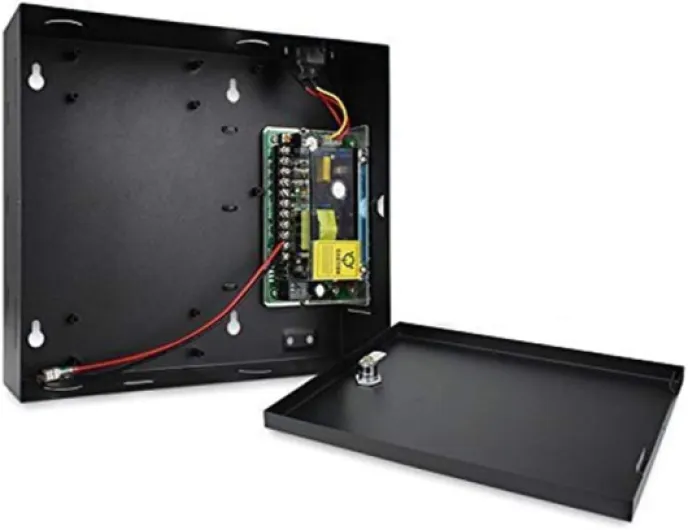
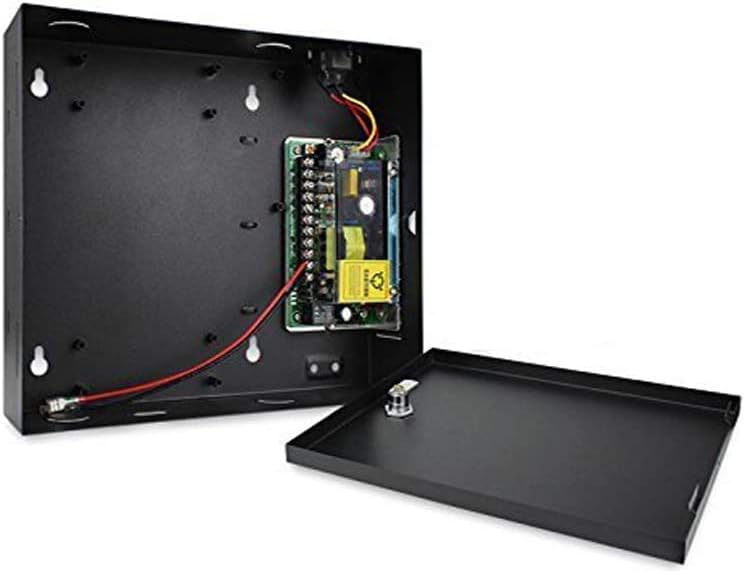
- + All-in-one kit: includes 2-door control panel, 600lbs magnetic locks, 110V power supply, RFID reader, exit button, USB enrollment reader and key fobs.
- + Strong locks: 600lbs magnetic locks offer robust holding force for typical entry doors.
- + Remote access: phone APP remote open lock adds convenient mobile control.
- + RFID support: card/key fob system plus USB enroll reader for easy credential management.
- + Power included: 110V power supply box provided so fewer extra purchases are needed.

From usb adapter to uart bridge: technical subtleties that matter in luxury builds
On paper, a Z‑Stick can look like a simple USB dongle, yet in a luxury context the difference between a basic stick and a pro grade stick pre model is significant. High value properties often rely on dense networks of sensors and actuators, so the internal UART bridge, antenna design, and firmware of the Z‑Stick directly affect perceived quality. When a curtain fails to respond or a gate opens with delay, the illusion of seamless luxury breaks instantly.
Premium integrators therefore scrutinize technical specifications such as supported Z‑Wave Series and Z‑Wave Plus versions, transmit power, and how well the controller can support Z‑Wave traffic under load. A pro oriented Z‑Stick developed for integrators usually offers better diagnostics, more robust support for third party devices, and firmware tools that allow the installer to read logs and fine tune performance. This level of control is essential when the customer expects the same reliability from their smart home as from their chauffeured car or private jet.
Even in retrofit projects without neutral wires, where solutions like those discussed in this piece on elevated lighting control are relevant, the Z‑Stick remains the central coordinator. The USB adapter and UART bridge inside the stick ensure that every Z‑Wave device, from dimmers to sensors, stays compatible and responsive. In such environments, the right product details and controller choice can mean the difference between a fragile experiment and a quietly dependable infrastructure.
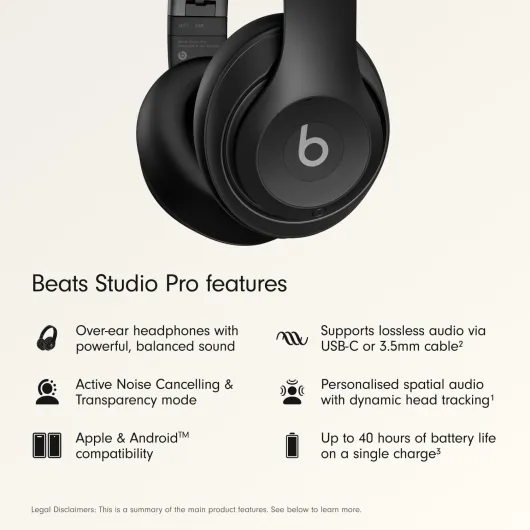
- + Up to 40-hour battery life for all-day use
- + Active Noise Cancelling for better focus and immersion
- + USB-C lossless audio for higher-quality wired playback
- + Apple & Android compatible for seamless pairing
- + Premium over-ear comfort with cushioned ear cups
Customer expectations, price positioning, and risk management for z stick deployments
Owners of luxury residences rarely tolerate excuses about network instability, so the customer conversation around the Z‑Stick must go beyond a simple price quote. Integrators who sell products in this segment typically present a curated product list, explaining why a specific compatible stick or pro grade Z‑Wave controller is chosen for each project. This transparency builds trust and frames the Z‑Stick as a foundational investment rather than a commodity USB accessory.
Risk management is another critical dimension, especially when projects span multiple continents and complex shipping arrangements. Contracts often specify responsibilities in case of loss or damage during shipping, and premium integrators maintain spare sticks pre configured with essential software and product details to minimize downtime. When a Z‑Wave device fails or a USB adapter is damaged, a ready to deploy compatible stick can restore control quickly and discreetly.
Luxury clients also expect clear, honest reviews and documentation that they or their assistants can read without technical jargon overload. High quality product details, including technical specifications and compatibility notes for third party devices, help the customer understand why a particular Z‑Stick or Z‑Wave controller justifies its price. In this segment, the most successful firms do not simply sell products; they curate resilient ecosystems where every controller, adapter, and assistant level tool serves long term comfort.
Software, setup assistant workflows, and the art of invisible orchestration
The real magic of the Z‑Stick emerges when sophisticated software and a well designed setup assistant turn raw hardware into an invisible orchestra. During commissioning, integrators use the Z‑Stick as a Z‑Wave controller to include, exclude, and configure each Z‑Wave device, building scenes that align with the architecture and daily rituals of the household. Once the system is tuned, the homeowner interacts only with elegant interfaces, while the stick and its UART bridge handle the complex choreography in the background.
Modern platforms increasingly rely on AI driven personalization, as explored in this examination of algorithmic taste in luxury tech, and the Z‑Stick becomes the physical anchor for those digital preferences. The software can read occupancy patterns, adjust the range of sensors, and coordinate third party devices so that the residence feels intuitively responsive rather than merely automated. For the customer, this means that a compatible stick and well chosen controller software translate abstract preferences into tangible comfort.
From a maintenance perspective, remote access tools allow integrators to open secure sessions, review logs, and update product details without disturbing the household. When the Z‑Stick and USB adapter are correctly specified, the system can support Z‑Wave traffic from dozens of devices while remaining stable for years. This is the art of invisible orchestration; the more carefully the setup assistant and software are used, the less the owner ever thinks about the underlying stick.
Evaluating reviews, best sellers, and long term viability of z stick platforms
For enthusiasts building or upgrading a high end residence, public reviews of any Z‑Stick or compatible stick provide a useful starting point but never the full story. Many best sellers in mainstream channels focus on entry level price points, while luxury projects demand controllers and USB adapters with more robust technical specifications and better support for Z‑Wave capabilities. A careful reader looks beyond star ratings to see how the product behaves in dense networks, mixed Series and Plus environments, and with demanding third party devices.
Professionals often maintain an internal list of preferred sticks, Z‑Wave controllers, and adapters that have proven reliable across multiple projects. They track firmware stability, how quickly manufacturers respond to issues, and whether the product details remain accurate as new devices enter the market. When a stick developed for integrators shows consistent performance, it gradually becomes the default choice for projects where loss or damage would have serious reputational consequences.
Another subtle factor is how well the ecosystem will age, especially as new Z‑Wave device generations appear and software platforms evolve. A Z‑Stick that remains compatible with emerging standards, offers a robust UART bridge, and integrates smoothly with modern setup assistant tools protects the initial investment. For luxury clients, this long term viability matters more than shaving a small amount off the initial price, because stability and quiet reliability are the ultimate measures of value.
Key figures shaping the luxury smart home controller market
- According to the Z‑Wave Alliance, there are more than 4 000 certified Z‑Wave devices on the market, which underscores why a versatile Z‑Stick and compatible stick are essential for managing diverse product lists in luxury projects.
- Data from Statista indicates that the global smart home market surpassed 100 billion euros in annual revenue, with premium segments growing faster than mass market, reinforcing the strategic role of pro grade Z‑Wave controllers and USB adapters.
- Industry surveys from Parks Associates show that over 40 % of high income households own at least one smart home device, suggesting strong demand for centralized controllers such as the Z‑Stick to unify fragmented ecosystems.
- Professional integrator reports highlight that truck rolls for on site maintenance can cost several hundred euros per visit, which makes remote management through robust software, UART bridge diagnostics, and setup assistant tools a significant source of ROI.
FAQ about z stick controllers in luxury smart homes
How does a z stick differ from a standard smart home hub ?
A Z‑Stick is primarily a Z‑Wave controller that connects via USB or a USB adapter to a computer or dedicated gateway, while a standard hub usually combines radio, processor, and user interface in one box. This separation allows integrators to pair the stick with professional software and a powerful server, creating more flexible and scalable control. In luxury projects, that flexibility is crucial for integrating bespoke devices and complex scenes.
Is a single z stick enough for a large luxury residence ?
In many cases, one well placed Z‑Stick with strong antenna design and proper range planning can manage a substantial property, especially when repeaters and powered devices extend the mesh. Very large estates or multi building compounds may benefit from multiple controllers or segmented networks for resilience. A professional assessment of technical specifications and building materials is essential before deciding on the final architecture.
What should I check in the product details before buying a z stick ?
Key elements include supported Z‑Wave Series and Z‑Wave Plus versions, radio frequency compatibility for your region, and whether the stick can support Z‑Wave traffic from the number of devices you plan to install. You should also review firmware update policies, third party software compatibility, and how clearly the manufacturer documents loss or damage policies during shipping. For luxury installations, choosing a stick developed for professional integrators usually provides better long term support.
Can a z stick work with voice assistants and third party platforms ?
Yes, a Z‑Stick can integrate with voice assistant platforms and third party ecosystems when paired with compatible software running on a server or gateway. The stick itself handles Z‑Wave communication, while the software layer exposes devices to assistants and external APIs. This architecture keeps the controller flexible and allows future integrations without replacing the physical stick.
How do professionals handle failures or damage to a z stick in critical homes ?
Experienced integrators maintain spare sticks pre configured with the same network keys and product details, so they can swap hardware quickly in case of loss or damage. They also document the configuration through their setup assistant tools, ensuring that a replacement compatible stick can be brought online with minimal disruption. In high value residences, this preparedness is considered standard practice rather than an optional extra.