Why a Z Wave door sensor defines quiet luxury at the threshold
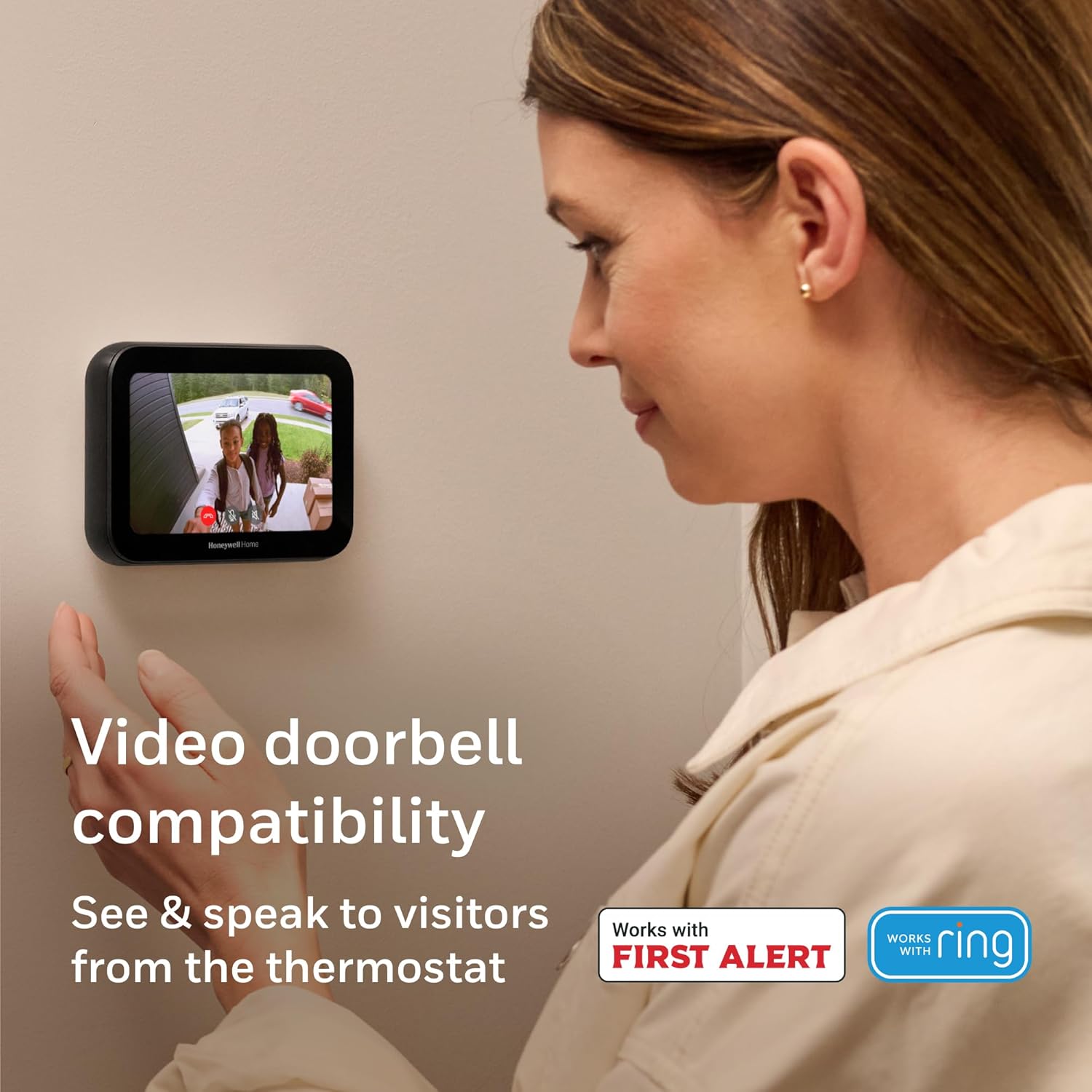
A Z Wave door sensor is no longer a simple security accessory. In high end homes it becomes a discreet design element that protects every door and window while respecting the architecture. Luxury clients expect a sensor and its matching devices to merge into the frame with the same care as bespoke hardware.
At this level, the choice of Z Wave technology matters as much as the finish of the handle, because wireless communication standards define reliability, latency and how long the battery will last before replacement. A refined entrance benefits from a Z Wave door sensor that uses an advanced 700 series chipset, which offers better wireless range, stronger power management and richer technical specifications than older generations. When you invest in several sensors for multiple doors and windows, the stability of the Z Wave gateways and the quality of the smart home ecosystem become as important as the regular price of each device.
Luxury owners also look at how a sensor behaves in daily opening and closing cycles. A premium Z Wave door sensor should report open and closed events instantly, without false alarms or missed reports that could undermine trust in the technology. That is why serious integrators always test the device with different Z Wave gateways and confirm that the Z Wave smart platform, the gateway firmware and the sensor generation are fully compatible options for the property.
- + Wi-Fi connected for remote control and app access
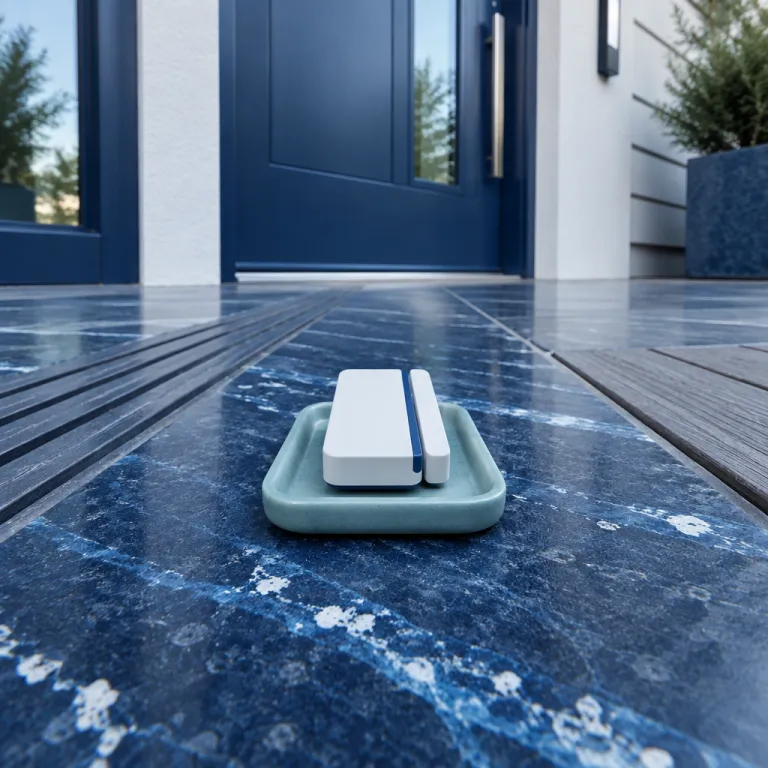
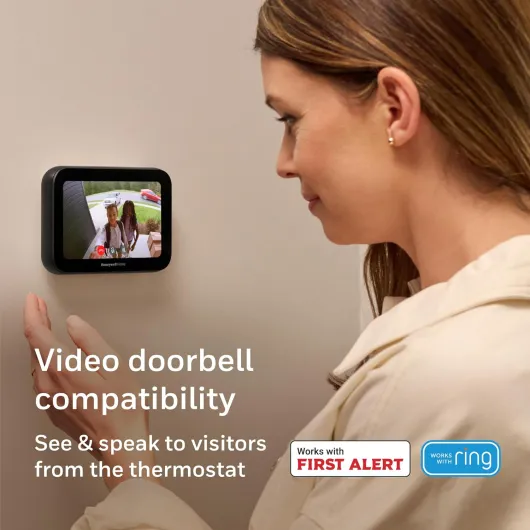
- + Video doorbell compatible to link entry alerts with the thermostat
- + IAQ control (indoor air quality) to monitor and manage air
- + Customizable touchscreen with an intuitive, modern interface
- + Sleek black design that fits contemporary interiors

Design, materials and frame integration for architectural harmony
For a luxury residence, the way a Z Wave door sensor integrates into the frame is as critical as its electronics. Slim housings, color matched plastics and optional metal covers allow the device to disappear against high gloss lacquered doors or minimalist steel doors and windows. When the sensor body and magnet align perfectly with the door or window profile, the result feels intentional rather than improvised.
Architects often specify concealed mounting so that the Z Wave sensor sits inside the frame, leaving the visible surfaces clean and uninterrupted. This approach demands careful attention to technical specifications such as wireless range, because embedding the device in dense materials can attenuate radio signals and reduce performance. A competent installer will test the Z Wave gateway placement, adjust the power output if the gateway allows it and verify that every Z Wave door sensor still reports open and closed states reliably from its hidden position.
For heritage properties with thick stone walls, the challenge becomes even more interesting. The integrator may need several gateways to maintain a stable Z Wave smart mesh, especially when doors and windows are spread across multiple wings or levels. In such cases, the price of extra devices and Z Wave components is justified by the seamless aesthetic result and the assurance that each sensor continues opening and closing monitoring without compromise.
To coordinate this level of detail with other fittings, many designers refer to specialist guidance on elevated lighting and control hardware so that switches, sensors and keypads share a coherent visual language. The same philosophy applies to every Z Wave door sensor, which should echo the finishes and proportions of nearby controls for a unified smart environment. When done correctly, guests notice the elegance of the space, not the technology that quietly secures each door and window.
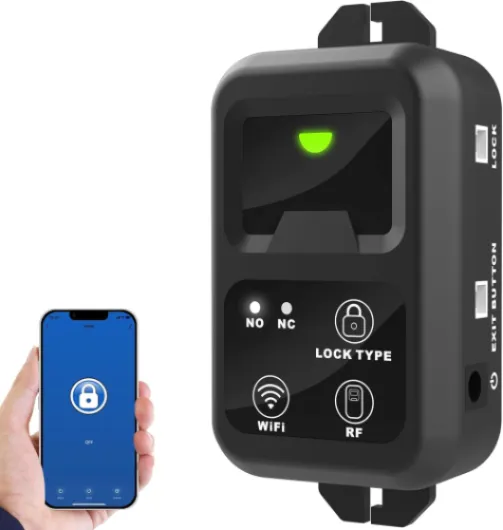
- + 2.4GHz WiFi connectivity for reliable local network control
- + Smartphone app access for convenient remote operation
- + Wireless remote control reduces wiring complexity
- + Compatible with many door access control systems and electric locks
- + Compact design for easy installation
Smartstart, security and the new standard of smart entrances
Security expectations in luxury homes have evolved, and a Z Wave door sensor now participates in a broader SmartStart enabled security strategy. Modern 700 series devices support SmartStart onboarding, which lets integrators enroll each sensor by scanning a QR code rather than performing manual inclusion steps. This reduces installation time, avoids pairing errors and ensures that every Z Wave sensor joins the correct encrypted network segment.
For high net worth clients, encryption and tamper detection are non negotiable features. A premium Z Wave door sensor uses secure wireless communication to prevent spoofing, while its housing includes tamper switches that send reports if someone removes the device from the frame. When combined with robust Z Wave gateways that support the latest security frameworks such as S2, this architecture turns each door or window into an intelligent checkpoint rather than a passive opening.
SmartStart security also simplifies maintenance over the long term. When a sensor reaches the end of its battery life, the installer can replace or upgrade the device without reprogramming complex scenes or automations, because the gateway recognizes the new unit through the same SmartStart identity. This is particularly valuable in large estates where dozens of doors, windows and matching devices and Z Wave components must remain synchronized across multiple buildings. For readers interested in how this philosophy extends to other entry points, the analysis of smart door sensor elegance in high end homes offers a complementary perspective on design led security.
Battery life, power management and long term ownership costs
Luxury buyers may not focus on the regular price of a single Z Wave door sensor, but they care deeply about long term ownership quality. Battery life becomes a critical metric when a property includes dozens of doors and windows, each equipped with its own sensor and magnet pair. A well engineered device can operate for several years on a single battery, even with frequent opening and closing events and detailed status reports.
To achieve this, manufacturers optimize both hardware and firmware power management. The latest 700 series chipsets use efficient sleep modes and adaptive wireless communication, transmitting only when the door or window changes state or when the gateway requests a status update. This reduces unnecessary radio chatter, extends the wireless range in challenging environments and preserves the battery so that maintenance visits remain infrequent and predictable.
From a financial perspective, the apparent price premium of a high end Z Wave sensor often balances out over time. Fewer battery replacements mean lower service costs, less disruption for residents and a smaller environmental footprint from discarded cells. When integrators present a detailed user guide that explains expected battery life, recommended brands and replacement procedures, clients gain confidence that their investment in Z Wave smart security will remain stable over the long term.
Some luxury retailers now show both the regular price and an estimated multi year cost of ownership during calculated checkout, helping buyers compare devices and Z Wave options transparently. This approach aligns with broader discussions about how premium tech brands communicate value, as explored in the analysis of design language and desirability in high end technology. In practice, a carefully chosen Z Wave door sensor becomes a low maintenance guardian that quietly protects each frame while respecting the rhythm of daily life.
Gateways, range and the invisible infrastructure of wave smart estates
Behind every elegant Z Wave door sensor lies an invisible infrastructure of gateways, repeaters and carefully tuned wireless communication paths. In a compact apartment, a single gateway may be enough to manage all doors, windows and related devices and Z Wave components. Large villas, penthouses and multi building estates, however, demand a more sophisticated layout of Z Wave gateways to maintain consistent wireless range and reliability.
Professional integrators start by mapping the property, noting wall materials, metal structures and areas where a sensor might sit deep within a frame or window recess. They then position gateways strategically so that each Z Wave door sensor maintains a strong link, often using powered devices such as in wall switches to extend the mesh and reinforce power distribution. This planning ensures that open and closed reports reach the central system instantly, even when the door or window is at the far edge of the estate.
In some projects, clients request redundant gateways for resilience. If one gateway fails, another can assume control of critical Z Wave smart automations, preserving both security and comfort. This architecture may increase the overall price of the installation, but it aligns with the expectations of luxury homeowners who value continuity as much as aesthetics.
When specifying equipment, experts examine technical specifications for each gateway, including supported Z Wave generations, maximum device capacity and compatibility with SmartStart security features. They also verify that every Z Wave door sensor on the project is fully compatible hardware, avoiding mixed generations that could limit advanced functions. The result is a cohesive ecosystem where each sensor, gateway and controller works in harmony, turning the entire property into a responsive, intelligent environment.
Buying, shipping and documentation details that matter to luxury clients
For high end buyers, the experience of acquiring a Z Wave door sensor should feel as refined as the product itself. Retailers serving this segment pay attention to how price, availability and shipping information appear during calculated checkout. Clear indications that shipping is calculated accurately by region, along with options for express or white glove delivery, reinforce the perception of a premium service.
Many luxury focused stores highlight when shipping is calculated automatically based on destination and quantity, avoiding surprises for international clients. They also provide transparent information about any import code requirements or regional certifications that might affect Z Wave smart devices. This level of detail is particularly important when a project spans multiple countries, each with its own regulations for wireless communication and power standards.
Equally important is the quality of the user guide supplied with each Z Wave sensor. A well written manual explains pairing with different Z Wave gateways, outlines technical specifications in clear tables and offers troubleshooting steps for common issues such as range limitations or inconsistent open and closed reports. For professional integrators, downloadable documentation in multiple languages and formats becomes a practical asset during on site work.
Some brands even include QR codes on the packaging that link directly to updated user guide versions, firmware notes and compatibility lists. This ensures that every Z Wave door sensor remains compatible equipment as new generations of products and gateways enter the market. When combined with careful logistics, thoughtful packaging and responsive support, these details transform a simple sensor purchase into a luxury technology experience worthy of the homes it protects.
Key figures on Z Wave door sensors in premium smart homes
- According to the Z-Wave Alliance product catalog, there are more than 4 000 certified Z Wave devices worldwide, and door and window sensors represent one of the largest categories within this ecosystem.
- Industry surveys from Parks Associates indicate that over 60 % of US households with a professionally installed security system now include at least one smart door or window sensor as part of their package.
- Testing by several European integrators shows that modern Z Wave 700 series sensors can achieve a practical indoor wireless range of 20 to 30 m through typical walls, which is sufficient for most luxury apartments but often requires mesh reinforcement in large villas.
- Battery life measurements published by leading manufacturers such as Aeotec and Fibaro report two to three years of operation for door and window sensors under normal opening and closing usage, assuming standard lithium batteries and optimized reporting intervals.
- Market analyses from firms such as Statista project steady growth in the global smart home security segment, with connected sensors including Z Wave door devices contributing a significant share of new installations in high end residential projects.
FAQ about Z Wave door sensors for luxury homes
How does a Z Wave door sensor differ from a basic magnetic contact ?
A Z Wave door sensor combines the traditional magnetic contact with a wireless communication module that talks to a smart home gateway. This allows the sensor to trigger scenes, send notifications and integrate with other devices and Z Wave components such as lighting or climate control. In luxury homes, the added intelligence and integration justify the upgrade over simple wired contacts.
Can Z Wave door sensors be hidden completely inside the door frame ?
Many premium models are designed for recessed installation inside the frame or sash of a door or window. This approach preserves the visual purity of high end joinery while still providing reliable open and closed reports to the gateway. Installers must verify wireless range and follow technical specifications carefully to avoid signal loss when the sensor is deeply embedded.
Are Z Wave door sensors secure enough for high value properties ?
Modern 700 series Z Wave door sensors support strong encryption and SmartStart security features when paired with compatible gateways. This protects wireless communication against interception and ensures that only authorized controllers can manage the devices. For very high value estates, integrators often combine these sensors with additional layers such as perimeter detection and professional monitoring.
How often do batteries need to be replaced in Z Wave door sensors ?
Battery life depends on the specific sensor model, the frequency of opening and closing events and the reporting configuration. In most luxury residential scenarios, high quality Z Wave door sensors achieve two to three years of battery life before replacement is necessary. Choosing reputable brands and following the user guide recommendations helps maintain consistent performance.
What should I check before buying Z Wave door sensors for a new project ?
Before purchase, confirm that the sensors are fully compatible devices with your chosen gateway and that they support the desired Z Wave generation and SmartStart features. Review technical specifications for wireless range, operating temperature and battery type, and ensure that the form factor suits your door and window frames. Finally, evaluate documentation quality, warranty terms and how shipping is calculated to match the expectations of a luxury installation.