Why a refined pan tilt zoom controller defines luxury imaging
A high end pan tilt zoom controller transforms a simple camera into a responsive instrument for cinematic precision. When you pair a luxury PTZ camera with a dedicated camera controller, the relationship between hand, joystick, and lens becomes almost musical. Serious collectors of luxury tech gadgets quickly realize that controllers are as important as the cameras themselves.
On premium rigs, the joystick on a PTZ controller offers nuanced pan and tilt movements with coordinated zoom that feel closer to a studio crane than a basic remote. This tactile camera control allows you to guide PTZ cameras across expansive interiors, art galleries, or superyacht decks with real time accuracy and almost no visible micro jitter. The best controllers translate minimal joystick input into smooth, curved camera paths that flatter both architecture and people.
Luxury buyers often manage multiple cameras across several rooms, so a single PTZ controller must handle complex camera systems gracefully. Modern camera controllers integrate zoom camera presets, screen display feedback, and programmable buttons that allow a customer to jump between PTZ positions instantly. When the interface is well designed, it feels like conducting a live video orchestra rather than operating security hardware.
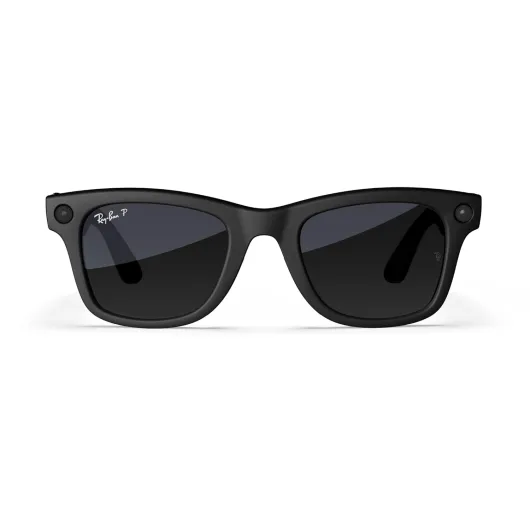
- + Iconic Wayfarer design with a sleek matte black finish
- + 12 MP camera for high-quality still photos
- + Video recording capability for hands-free capture
- + Open-ear speakers allow ambient listening and situational awareness
- + Bluetooth connectivity for easy pairing with phones

Design, materials, and interface elegance in PTZ controllers
For luxury tech enthusiasts, the physical design of a pan tilt zoom controller matters as much as its specifications. A brushed metal chassis, weighted joystick, and backlit interface turn everyday camera control into a tactile pleasure. When you rest your hand on a premium PTZ joystick, the resistance and travel should feel closer to a high end audio fader than a plastic gamepad.
Top tier controllers for PTZ cameras now feature capacitive buttons, high resolution screen display panels, and configurable layouts that adapt to different camera systems. This kind of interface allows a director or homeowner to assign specific PTZ camera presets, zoom levels, and motion paths to clearly labeled keys for instant recall. In a luxury cinema room, the same controller can shift from intimate close ups to wide architectural sweeps with a single touch, mirroring the refinement of elevated home audio systems described in many luxury home cinema guides such as immersive private listening setups.
Connectivity options also shape the design language of these controllers, especially when they must integrate with both analog PTZ and IP based PTZ cameras. Some models still include mini DIN ports for legacy camera controllers, while others rely entirely on network connectivity for streamlined installations. Well known examples include Sony VISCA compatible controllers and NDI enabled PTZ consoles from brands such as Panasonic and BirdDog. The most refined products hide this complexity behind a clean interface, so the customer experiences only effortless control while the software and hardware manage the underlying video and security protocols.
Network based control, connectivity, and real time responsiveness
Behind every elegant pan tilt zoom controller lies a sophisticated network based architecture that keeps movements fluid and responsive. When PTZ cameras are spread across a large estate, a yacht, or a private gallery, the controller must manage camera control over IP without introducing latency. Luxury users typically aim for end to end control latency below 100–150 ms, which feels effectively real time on the screen display, especially when framing critical shots for live streaming or archival video.
Modern PTZ controller designs rely on robust network connectivity, often combining PoE switches, VLAN segmentation, and dedicated control channels to avoid congestion. Many installations use IEEE 802.3af or 802.3at PoE to power PTZ cameras while carrying VISCA over IP, ONVIF, or proprietary control protocols alongside RTSP or SRT video streams. This approach allows multiple cameras to receive simultaneous pan, tilt, and zoom commands while still streaming high bitrate video to recorders or cloud platforms. In high end robotics inspired installations, the PTZ camera behaves almost like a robotic head, responding instantly to joystick movements with precise, repeatable paths.
For aerial or exterior applications, some luxury estates pair ground based PTZ cameras with professional grade drones, creating a layered security and cinematography system similar in ambition to professional grade luxury drones for elevated aerial artistry. In such setups, the pan tilt zoom controller becomes the central hub that coordinates camera systems on the ground while software dashboards manage flight paths in the air. The result is a cohesive visual network that allows the customer to move seamlessly from a zoom camera on a mast to a sweeping drone shot, all within a unified control environment.
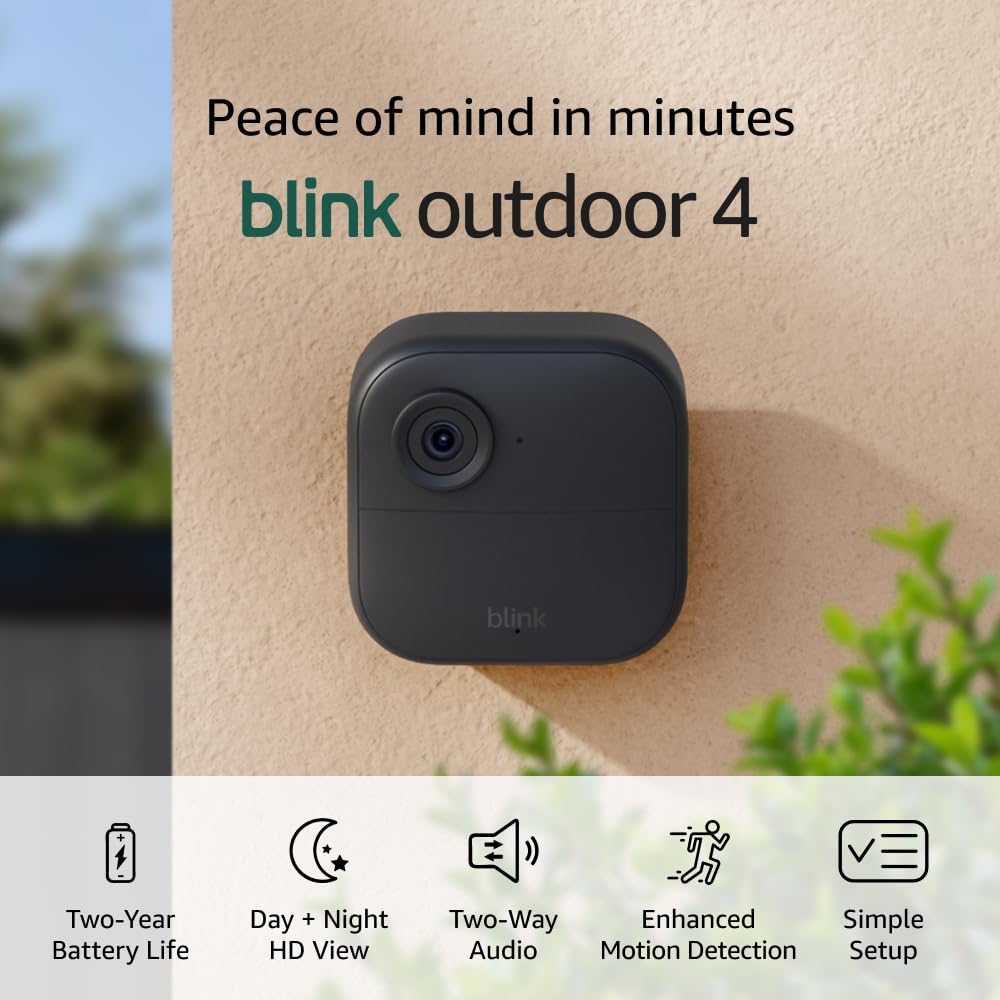
- + Wireless design for flexible installation
- + 2-year battery life reduces maintenance
- + 1080p HD day and infrared night live view
- + Two-way talk for real-time communication
- + Sync Module Core included for simplified setup
Integrating PTZ controllers into luxury security and hospitality spaces
In luxury residences, hotels, and private clubs, a pan tilt zoom controller often serves dual roles as both a security tool and a creative instrument. Security teams rely on PTZ controller consoles to track movement across expansive properties, while media staff use the same camera controllers for event coverage and live streaming. This convergence of security and storytelling demands hardware that is both robust and refined.
High end PTZ cameras positioned at entrances, pools, and galleries can be driven from a central joystick controller that offers intuitive pan, tilt, and zoom functions. Operators can move from one PTZ camera to another, adjust zoom camera framing, and switch screen display layouts without diving into complex software menus. When multiple cameras are involved, presets for PTZ routes and zoom levels allow rapid repositioning, which is crucial during high profile events or VIP arrivals.
Luxury hospitality spaces also integrate analog PTZ units alongside newer IP PTZ cameras, especially in heritage properties where cabling upgrades are complex. A versatile pan tilt zoom controller with both mini DIN and network ports allows these mixed camera systems to coexist gracefully. For the customer, the experience remains seamless, as the interface abstracts whether a given camera is analog or IP based, focusing instead on smooth camera control and reliable security coverage.
Software, automation, and AI assisted camera control
The latest generation of pan tilt zoom controller solutions extends far beyond hardware, leaning heavily on software and automation. While the physical joystick remains central for nuanced PTZ controller work, software layers now add scheduling, tracking, and AI assisted framing to PTZ cameras. This hybrid approach suits luxury environments where staff may not always be present to operate camera controllers manually.
Advanced camera control software allows a customer to define pan tilt tours, zoom presets, and event based triggers that move PTZ cameras automatically. For example, a zoom camera overlooking a driveway can pan based on motion detection, then hand off control functions to an operator via the joystick controller when a vehicle arrives. In media rooms, software macros can synchronize PTZ moves with lighting cues and audio scenes, echoing the orchestration seen in high end AR glasses ecosystems such as those analyzed in luxury priced AR eyewear reviews.
AI assisted PTZ joystick systems are also emerging, where the controller allows operators to override automated tracking in real time. These products often support multiple cameras, with each PTZ camera represented on the screen display and selectable via soft keys or rotary encoders. While automation handles routine security sweeps, human operators still rely on the tactile feedback of a pan tilt zoom controller to refine framing for high value video moments.
Choosing the right PTZ controller for high end camera systems
Selecting a pan tilt zoom controller for a luxury installation starts with understanding the camera systems it must manage. A setup with a single PTZ camera in a private studio demands a different controller than a multi zone estate with dozens of PTZ cameras. The number of simultaneous video streams, required security features, and preferred interface style all influence the ideal product choice.
For compact spaces or mobile rigs, a smaller PTZ controller with a mini DIN port and basic joystick may suffice, especially when paired with analog PTZ units. Larger properties benefit from network based controllers that support multiple cameras, advanced camera control mapping, and customizable screen display layouts. In both cases, the joystick controller should feel precise, with enough resistance to allow subtle pan and tilt moves with controlled zoom adjustments, without overshooting.
Luxury buyers should also evaluate software integration, as many camera controllers now expose APIs for building bespoke control dashboards. This flexibility allows a customer to unify PTZ control, zoom camera presets, and security alerts within a single interface tailored to their lifestyle. When hardware, software, and connectivity align, the pan tilt zoom controller becomes an invisible extension of the space, quietly orchestrating real time video for both protection and pleasure.
For quick comparison when shortlisting products, many buyers look for at least one Ethernet port with PoE support, a serial port such as RS-232 or RS-422 for legacy PTZ, support for 16–255 selectable cameras, and typical control latency under 150 ms between joystick movement and visible camera response.
Key figures shaping the PTZ controller and luxury camera market
- Industry commentary indicates that global shipments of PTZ cameras for professional video and security applications have reached substantial annual volumes, reflecting strong demand for flexible camera systems in both commercial and luxury residential projects.
- Market research consistently suggests that IP based PTZ controller and camera solutions now account for a clear majority of new professional surveillance deployments worldwide, highlighting the shift from analog PTZ infrastructures toward network connectivity and software driven camera control.
- Several research firms forecast that the broader video surveillance market will continue to grow at a high single digit to low double digit annual rate, with premium PTZ cameras and advanced camera controllers capturing a disproportionate share of spending in high end hospitality and residential segments.
- Live streaming platforms such as YouTube and Twitch report billions of hours of content watched every month, which has encouraged luxury venues and private studios to invest in PTZ joystick systems and pan tilt zoom controller setups that can support broadcast quality multi camera production.
FAQ about luxury pan tilt zoom controllers
How does a pan tilt zoom controller differ from a basic remote
A dedicated pan tilt zoom controller uses a professional joystick and hardware buttons to manage PTZ cameras with far greater precision than a basic infrared remote. It allows simultaneous pan, tilt, and zoom movements, quick preset recalls, and real time adjustments across multiple cameras. This level of control is essential for luxury spaces where both security and cinematic video quality are priorities.
Can one PTZ controller manage multiple cameras across a large property
Most modern PTZ controller units are designed to handle multiple cameras over a network or serial connections. They provide camera selection keys, screen display feedback, and camera control profiles so each PTZ camera can be addressed individually. In large estates or hotels, a single controller can manage dozens of PTZ positions and zoom camera presets from a central room.
Is analog PTZ still relevant in luxury installations
Analog PTZ cameras remain present in some heritage or retrofit projects where existing cabling makes upgrades complex. In these cases, a pan tilt zoom controller with both mini DIN and IP based connectivity can bridge analog PTZ units and newer network cameras. Over time, many luxury properties migrate toward fully IP PTZ cameras for higher resolution video and more flexible software integration.
What features matter most in a joystick controller for live streaming
For live streaming, the joystick controller must offer smooth pan and tilt response, accurate zoom control, and quick access to presets. Low latency camera control over the network is crucial so movements match what appears in the live video feed. Operators also benefit from a clear interface with tally indicators and screen display cues that show which PTZ camera is currently live.
How important is software integration for PTZ controllers in luxury homes
Software integration is increasingly important because it allows the pan tilt zoom controller to interact with wider home automation and security systems. Through APIs and control protocols, camera controllers can trigger lighting scenes, send alerts, or coordinate with access control events. This creates a cohesive experience where video, security, and comfort technologies operate as a single, elegant ecosystem.