From luxury smart home elegance to automotive dealership video monitoring
Luxury smart homes and high end car dealerships now share the same language of security and refinement. In both spaces, dealership video monitoring has evolved from basic surveillance into a curated visual architecture that protects assets while preserving aesthetic harmony. For a luxury focused car dealership, the transition from simple cameras to integrated video monitoring systems mirrors the shift from basic alarms to fully orchestrated smart home elegance.
Discerning clients expect the same level of dealership security that they enjoy in their own residences, where every camera and every system is invisible yet omnipresent. In this context, automotive dealership video monitoring must blend security cameras, access control, and live monitoring into a seamless experience that feels as polished as a premium audio system or a bespoke lighting scene. When a car dealership aligns its video surveillance with the design principles of a luxury smart home, the result is a space where vehicles, architecture, and technology coexist without visual noise.
High net worth buyers often arrive with a strong understanding of remote monitoring from their own properties, and they quickly notice whether a dealership video system feels dated or sophisticated. They expect live video feeds to be crisp, color accurate, and available in real time on tablets or wall panels, just as they would in a penthouse control room. For auto dealerships that sell performance vehicles and rare cars, this level of video monitoring is no longer optional; it is a core part of the brand promise, reinforced by expectations shaped in their own smart homes.
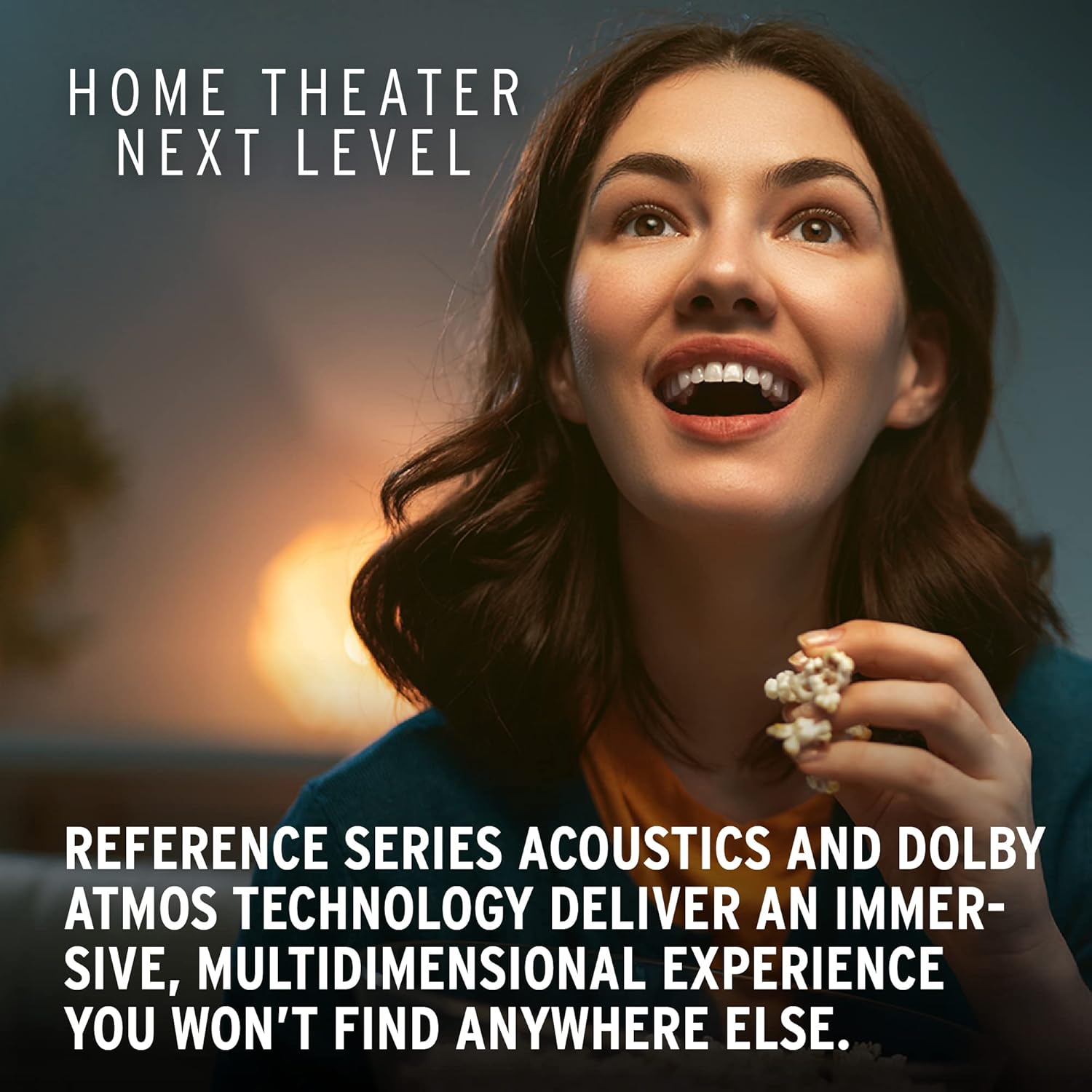
- + Immersion sonore grâce à Dolby Atmos
- + Configuration 5.1.4 offrant un son tridimensionnel précis
- + Qualité de référence adaptée au home cinéma
- + Supporte les formats haute résolution (Dolby Atmos, TrueHD)
- + Idéal pour films, séries et jeux

Designing a unified control experience for dealership security
Luxury smart homes increasingly rely on unified control platforms that bring lighting, climate, audio, and security into a single elegant interface. The same philosophy now defines best in class automotive dealership video monitoring, where fragmented systems are being replaced by a central brain that orchestrates every camera, every sensor, and every access point. When a car dealership adopts a unified system, managers gain immediate access to live monitoring, recorded video, and access control logs from one refined dashboard.
This approach mirrors the logic behind a unified smart home hub, as explored in this analysis of a single control brain for luxury properties. In an automotive dealership, the same concept allows security teams to move fluidly between live video, remote video playback, and real time alerts about suspicious activity on the lot or in the showroom. Instead of juggling separate security systems for cameras, doors, and alarms, the auto dealership gains a coherent video surveillance system that behaves like a luxury smart home interface.
Clients notice the difference when dealership live monitoring is handled with the same grace as a smart home scene change, where a single command can adjust lighting, activate security cameras, and lock access points. For auto dealerships that host private unveilings or after hours events, unified automotive dealership video monitoring enables temporary access control rules, tailored camera views, and live video oversight without disrupting the guest experience. This is dealership security as a concierge service, not a visible barrier, and it sets a clear standard for how premium environments should be protected.
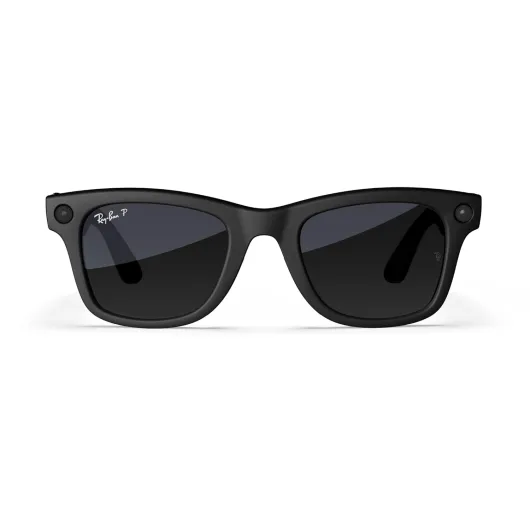
- + Iconic Wayfarer design with a sleek matte black finish
- + 12 MP camera for high-quality still photos
- + Video recording capability for hands-free capture
- + Open-ear speakers allow ambient listening and situational awareness
- + Bluetooth connectivity for easy pairing with phones
Invisible hardware, visible protection : cameras and network elegance
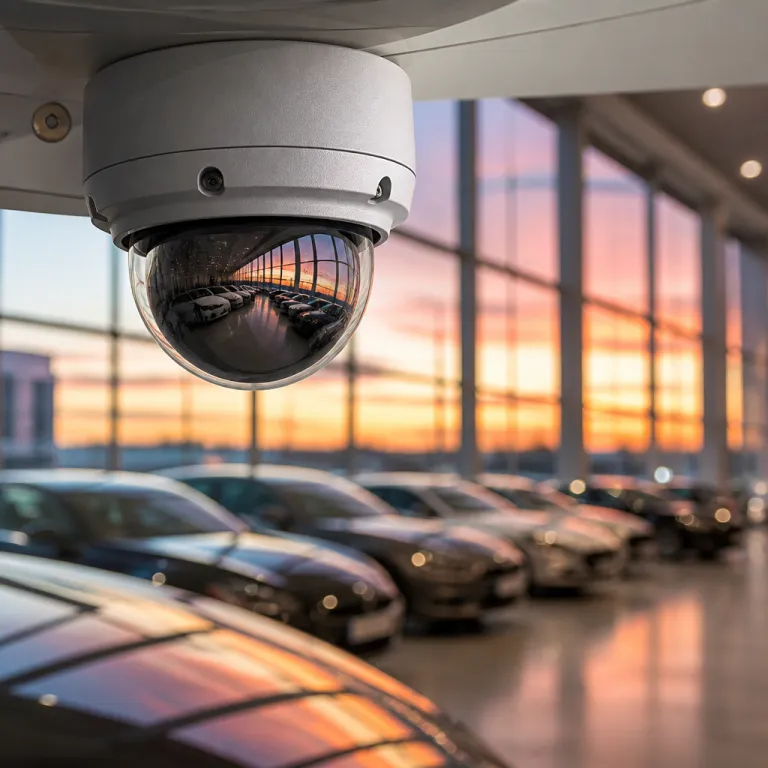
In luxury environments, visible clutter is the enemy of perceived value, and that principle applies equally to smart homes and car dealerships. Automotive dealership video monitoring must therefore reconcile the need for dense camera coverage with the desire for clean architectural lines and unobstructed views of vehicles. The most advanced dealerships now specify low profile security cameras, carefully chosen lenses, and discreet mounting solutions that echo the hidden speakers and recessed sensors of a premium residence.
Behind this visual discretion lies a demanding technical layer, where high bandwidth video surveillance traffic must travel across a robust, secure network backbone. The same thinking that guides an elevated network design for a luxury estate, such as the approach described for a security camera Ethernet infrastructure in a smart property, now informs the cabling and switching strategy of high end auto dealerships. To support live video, remote monitoring, and real time analytics without latency, the network must be engineered as carefully as the lighting or audio system.
On the showroom floor, each camera and each system is positioned to frame vehicles with cinematic precision, capturing both the car and the surrounding lot without harsh angles or distortion. Outside, dealership video coverage extends across the entire auto lot, with overlapping fields of view that minimize blind spots and reduce the risk of theft or vandalism. When clients walk through such a car dealership, they sense the presence of security without feeling watched, which is the hallmark of mature automotive dealership video monitoring and a defining feature of truly premium environments.
From theft prevention to client experience : what live monitoring really delivers
Traditional narratives around automotive dealership video monitoring focus almost exclusively on theft and vandalism, yet luxury oriented dealerships now view these systems as tools for experience design. Live monitoring and remote video access allow managers to observe client flows, adjust staffing, and refine how vehicles are presented in real time. When dealership live feeds are reviewed with the same care as retail analytics, the car dealership gains insights that go far beyond basic security.
For example, a premium auto dealership can use video surveillance to understand how long clients spend with specific vehicles, how they move between zones, and where bottlenecks occur during peak time. These observations, captured by security cameras originally installed for protection, can inform layout changes, lighting adjustments, and even the positioning of digital signage or augmented reality displays such as the luxury AR glasses highlighted in this overview of high end AR eyewear. In this way, video monitoring becomes a strategic system that supports both dealership security and commercial performance.
Remote monitoring also enables senior managers or brand representatives to access live video from multiple car dealerships within a group, comparing how vehicles are showcased and how clients are greeted. When suspicious activity does occur on the lot, the same remote video tools allow rapid verification, targeted response, and precise evidence capture without disrupting the broader client experience. The result is an automotive dealership environment where security systems quietly enhance both safety and service quality, while providing actionable data for continuous improvement.
Analytics, AI, and the new language of automotive dealership risk
As smart homes adopt AI driven security, automotive dealership video monitoring is undergoing a similar transformation, with analytics engines now interpreting camera feeds in real time. Instead of relying solely on human operators, modern systems flag suspicious activity automatically, such as unusual movement around high value vehicles or repeated visits to the same area of the lot after closing time. These analytics driven alerts reduce response time and help prevent theft before it escalates into vandalism or vehicle loss.
In a luxury car dealership, AI enhanced video surveillance can distinguish between normal client behavior and patterns that warrant closer attention, such as loitering near access control points or repeated attempts to approach restricted vehicles. When combined with integrated security systems, the video monitoring platform can trigger automated actions, including locking specific doors, increasing lighting levels, or focusing a particular camera on the area of concern. This orchestration turns the automotive dealership into a responsive environment where every system collaborates to protect assets and people.
Auto dealerships that embrace these tools gain a measurable advantage in dealership security, as they can document incidents with high quality live video, correlate them with access logs, and share precise evidence with insurers or law enforcement. Over time, the data generated by remote monitoring and live monitoring sessions can be analyzed to refine risk models, adjust staffing on the lot, and optimize camera placement. For car dealerships that handle rare or bespoke vehicles, this data centric approach to automotive dealership video monitoring aligns perfectly with the meticulous mindset of their clientele and supports more accurate, evidence based decisions.
Integrating automotive dealership video monitoring into the luxury brand narrative
For a luxury focused automotive dealership, video monitoring is not just an operational tool; it is part of the brand story told to clients who value discretion and control. When a car dealership can demonstrate that its security cameras, access control systems, and live monitoring protocols match the sophistication of a high end smart home, it sends a clear signal about respect for client assets. This alignment is especially important for auto dealerships that store client vehicles on site for detailing, customization, or long term care.
Dealerships that position their video surveillance as a premium service often provide clients with transparent explanations of how vehicles are protected on the lot and inside the facility. They may highlight features such as real time monitoring of storage areas, remote video access for managers, and dealership live oversight during transport or handover. By framing automotive dealership video monitoring as a thoughtful system rather than a reactive measure, these car dealerships reinforce trust and differentiate themselves in a competitive market.
Ultimately, the most advanced auto dealerships treat security as an extension of hospitality, ensuring that every camera, every system, and every protocol serves both protection and peace of mind. Clients who invest in high value vehicles recognize this approach instantly, because it mirrors the way their own residences are secured through layered systems and subtle surveillance. In this sense, automotive dealership video monitoring becomes a bridge between smart home elegance and automotive excellence, uniting two worlds that share the same expectations of safety, privacy, and refinement.
Key figures shaping luxury automotive dealership video monitoring
- According to the National Insurance Crime Bureau’s “Hot Wheels” reports, including the 2022 edition that documents a continued rise in vehicle theft, reported incidents in the United States increased by more than 7 percent between 2019 and 2022, which has pushed many car dealerships to upgrade their security systems and expand video surveillance coverage.
- Industry surveys from organizations such as the National Automobile Dealers Association indicate that losses from theft, vandalism, and related incidents can reach tens of thousands of dollars per event for auto dealerships, making comprehensive live monitoring and remote monitoring a financially justified investment.
- Security technology reports from firms like IHS Markit (now part of S&P Global) have shown that networked security cameras and IP based video monitoring systems now represent the majority of new installations in commercial environments, including automotive dealership facilities and car dealerships.
- Studies on access control adoption in commercial real estate suggest that integrated systems combining video, access logs, and real time alerts can reduce incident response time by up to 50 percent compared with standalone camera deployments.
- Market analyses from research companies such as MarketsandMarkets project sustained growth in the global video surveillance market, driven in part by demand from sectors like auto dealership groups that require scalable, centrally managed dealership video platforms.
FAQ about luxury automotive dealership video monitoring
How does automotive dealership video monitoring differ in a luxury environment ?
In a luxury automotive dealership, video monitoring is designed to be both technically advanced and visually discreet, with cameras integrated into the architecture and network systems engineered for high resolution live video. These dealerships typically combine security cameras, access control, and analytics into a unified system that supports both theft prevention and client experience optimization. The result is dealership security that feels like a natural extension of smart home elegance rather than an intrusive layer.
Which areas of a car dealership benefit most from video surveillance ?
Critical zones include the exterior lot where vehicles are displayed, service bays, parts storage, cash handling areas, and any spaces where client vehicles are stored overnight. Automotive dealership video monitoring in these areas provides real time visibility into suspicious activity, supports investigations after incidents, and helps optimize operations such as vehicle flow and staff deployment. High end auto dealerships often extend coverage to delivery bays and private handover rooms to ensure consistent protection.
Can remote monitoring improve both security and management oversight ?
Remote monitoring allows authorized managers to access live video and recorded footage from any connected device, which significantly enhances both security response and operational control. For groups that operate multiple car dealerships, centralized remote video access enables comparisons of layout, client flow, and adherence to brand standards across locations. This capability turns automotive dealership video monitoring into a strategic management tool rather than a purely defensive system.
How important is integration between cameras and access control systems ?
Integration between security cameras and access control is essential for creating a coherent picture of events, especially in high value automotive dealership environments. When a door is opened or a restricted area is accessed, the system can automatically link the event to corresponding video, enabling rapid verification and reducing investigation time. This linkage also supports more advanced policies, such as automatically increasing live monitoring in sensitive zones when certain access conditions are met.
What role does AI play in modern dealership live monitoring ?
AI driven analytics can analyze video feeds in real time to detect patterns such as loitering, perimeter breaches, or unusual movement around specific vehicles. In a luxury car dealership, these tools help security teams focus on genuine suspicious activity rather than manually scanning every camera feed. Over time, AI enhanced automotive dealership video monitoring can also provide data for refining camera placement, staffing levels, and risk mitigation strategies.