Security camera junction box design for luxury smart homes
Why the humble security camera junction box defines discreet luxury
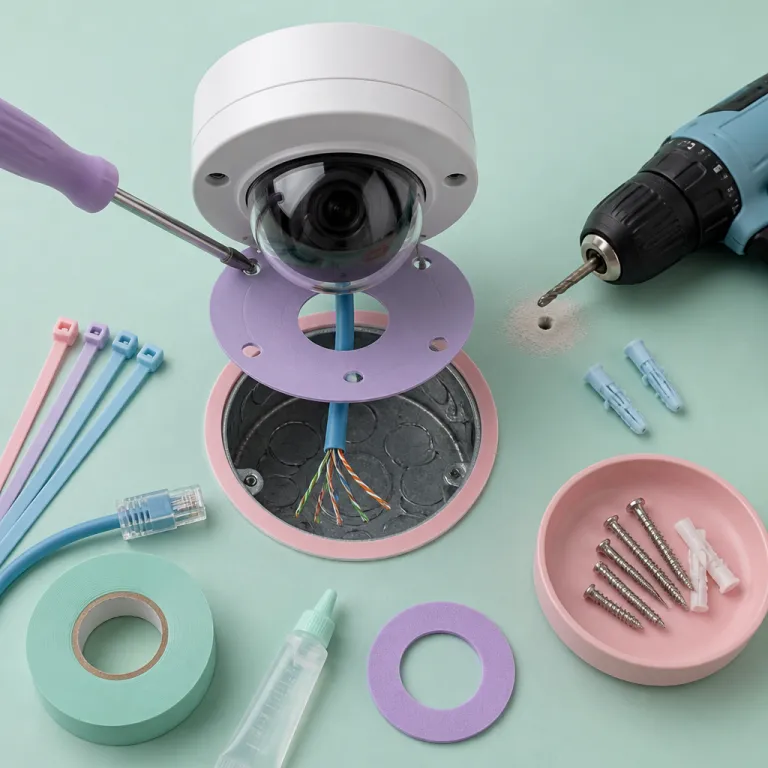
In a refined smart residence, the way a security camera junction box disappears into the architecture matters as much as the camera itself. A carefully specified junction enclosure turns exposed camera cables and rough cable junction points into a seamless design gesture that respects stone façades, bronze cladding, and sculpted soffits. When you treat junction boxes as part of the overall surveillance system rather than an afterthought, you elevate both protection and aesthetics.
Luxury projects often combine multiple security cameras, bullet cameras, and dome camera units across long façades, pool houses, and perimeter walls. Each device requires a junction box that manages power, data, and camera cables while shielding every conductor from moisture, dust, and thermal stress, which is why waterproof and impact rated box hardware is non negotiable. Typical premium enclosures use thick die cast aluminium or 316 stainless steel with precision molded silicone gaskets, creating an IP66 or IP67 waterproof CCTV grade housing that matches the finish of the mounting bracket and the surrounding materials.
Architects now specify families of compatible junction boxes as carefully as they select luminaires or door hardware. A curated list of options, from compact camera mount plates to deep accessories junction enclosures, allows integrators to match each camera mount to the exact stone joint or cornice line. This level of planning ensures that every box, bracket, and mount feels intentional rather than improvised.
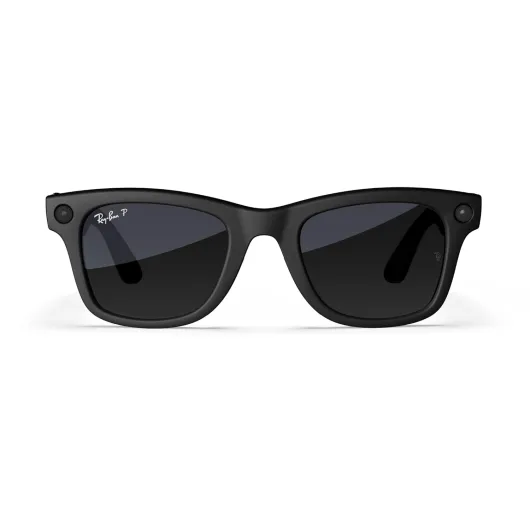
- + Iconic Wayfarer design with a sleek matte black finish
- + 12 MP camera for high-quality still photos
- + Video recording capability for hands-free capture
- + Open-ear speakers allow ambient listening and situational awareness
- + Bluetooth connectivity for easy pairing with phones

Design first: integrating junction boxes into façades and outdoor architecture
On a limestone villa or a glass and steel penthouse, a visible plastic box under a camera instantly breaks the illusion of effortless luxury. Thoughtful placement of each junction box, mounting bracket, and camera base along existing shadow gaps or cornice lines lets the surveillance network blend into the architecture. When the installation respects symmetry and materiality, the entire system reads as part of the design language rather than a retrofit.
For exposed exterior runs, a waterproof metal junction box with a matching finish to the camera and bracket is essential. High low temperature swings, salt air, and UV exposure can degrade cheaper plastics, so metal boxes with marine grade powder coatings protect both the enclosure shell and the internal camera cables over time. Many high end projects now specify IP66 or IP67 rated CCTV junction enclosures with concealed screws, flush mount lids, and low profile glands to keep the visual noise to a minimum.
Mounting height also shapes the perceived elegance of the camera system. Placing bullet cameras and other outdoor units slightly above the typical sightline, then aligning each junction and cable entry with window mullions or balcony lines, creates a calm rhythm across the façade. For more inspiration on how elevated outdoor camera mount solutions can complement refined exteriors, see this guide on elevated outdoor camera mounts for refined smart home façades, which pairs junction boxes with architectural details.
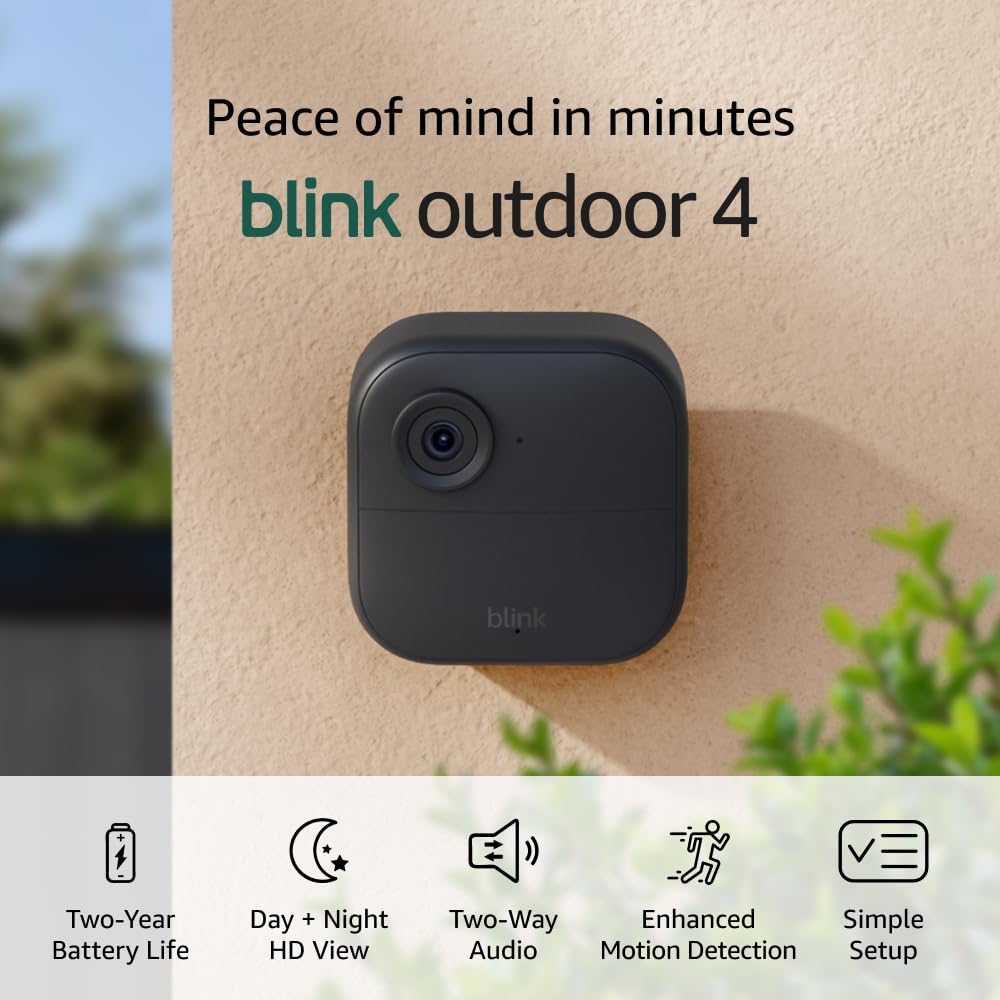
- + Wireless design for flexible installation
- + 2-year battery life reduces maintenance
- + 1080p HD day and infrared night live view
- + Two-way talk for real-time communication
- + Sync Module Core included for simplified setup
Engineering a silent guardian: performance, materials, and thermal management
Behind the clean lines of a luxury exterior lies a demanding engineering brief for every security camera junction box. The enclosure must keep water out, manage heat, route camera cables, and provide enough internal volume for power supplies and network terminations without compromising the silhouette of the camera mount. When integrators balance these constraints, the result is a surveillance system that runs silently for years with minimal intervention.
Premium junction boxes use die cast aluminium or stainless steel, which offers both structural rigidity and excellent thermal conductivity. This metal construction helps dissipate heat from PoE injectors, small switches, or local storage modules that may share the box with the cable terminations, especially in a dense system with many camera nodes. For coastal or poolside installations, specifying a waterproof CCTV rated box with corrosion resistant fasteners and IP66 or higher ingress protection prevents staining on stone and metal cladding.
Thermal management becomes even more critical when integrating advanced PTZ security cameras or multi sensor units into a single junction enclosure. These devices draw more power and generate more heat than compact bullet cameras, so the boxes must be sized correctly and vented where appropriate while remaining sealed against driving rain. As a rule of thumb, many integrators choose enclosures with internal dimensions around 200 × 200 × 100 mm for complex PTZ terminations, pairing a robust junction box with a premium PTZ platform such as those described in this overview of elevated control with a Sony pan tilt zoom camera for the luxury home to ensure that both optics and infrastructure perform flawlessly.
From specification to installation: how luxury buyers should evaluate products
For a luxury client, the buying journey for a security camera junction box should feel as curated as selecting a high end audio component. The specification process starts with a clear list of requirements for each camera, including the type of mount bracket, the number of camera cables, and the environmental exposure at that location. Once these parameters are defined, the integrator can match each product to the correct junction box family and accessories junction components.
When reviewing a product page, pay close attention to the stated waterproof rating, impact resistance, and compatible camera models. A serious manufacturer will provide a detailed list of supported product lines, including bullet cameras, domes, and PTZ units, along with diagrams showing how the camera base interfaces with the box enclosure. Luxury buyers should also look for modular accessories such as internal cable junction trays, EPDM grommet kits for different cable diameters, and optional mounting adapters that keep the installation flexible over time.
Price should be evaluated in the context of the entire surveillance system rather than as an isolated figure. A slightly higher price for a robust metal junction box that protects a premium security camera and prevents water ingress can save significant maintenance costs and aesthetic repairs later. When working with a professional integrator, ask them to add a dedicated line item for each junction box in the proposal so you can see how these small components support the overall security strategy.
Digital purchasing journeys: from online cart to on site elegance
Many luxury homeowners and estate managers now start their hardware selection online, where the quality of product information about each junction box can make or break a project. A well structured e commerce experience should never force you to skip content or dig through generic descriptions to understand how a specific security camera junction box will look and perform on a marble terrace or timber soffit. Instead, it should present clear visuals of the box, the mounting bracket, and the camera in situ, along with a concise list of compatible devices and accessories, supported by descriptive image alt text that explains finishes and mounting options.
When you add items to your cart, think in terms of complete assemblies rather than isolated parts. For each camera location, you will typically need the security camera itself, the correct junction box, any accessories junction components such as internal trays or glands, and sometimes a dedicated CCTV junction adapter for legacy models. Grouping these elements in the cart by location makes it easier for your installer to stage the work and verify that every cable junction and termination has the correct hardware.
High low pricing filters on professional platforms can help you benchmark the price range for premium junction boxes without compromising on quality. Look for retailers that provide detailed video walkthroughs of the installation process, including how to route camera cables, seal the enclosure, and align the system with the architectural lines. For a broader view of how luxury buyers evaluate emerging smart home devices, this analysis of AI enhanced AR smart glasses with real time translation and navigation shows how expectations for clarity and finish now extend across every connected product in the home.
Curating a coherent surveillance system for the luxury estate
A luxury property rarely relies on a single camera platform; instead, it orchestrates multiple layers of surveillance that must feel visually coherent. The same design discipline that governs lighting circuits and audio zones should guide the placement of every security camera, every junction box, and every visible bracket. When these elements align, the network becomes an invisible guardian rather than a visual intrusion.
Start by mapping the surveillance system into zones such as perimeter, approach, entry, and interior transition spaces. For each zone, specify a consistent family of bullet cameras or domes, then pair them with matching junction boxes and camera mount solutions that share the same finish and geometry, which keeps the visual language calm even when the number of devices increases. This zoning approach also simplifies maintenance, because each type of junction and cable termination can be serviced with the same set of accessories junction parts and tools.
Integration with lighting and landscape design further refines the experience. Positioning a security camera junction box near existing fixtures or structural elements allows the installer to conceal camera cables within shared conduits, reducing the number of visible enclosures on the façade. Over time, this careful planning pays off in both aesthetics and reliability, as each waterproof CCTV rated junction box continues to protect the system quietly in the background.
Balancing privacy, performance, and future upgrades in high end homes
Luxury clients expect their surveillance system to be powerful yet respectful of privacy, which places new demands on how each security camera junction box is deployed. Strategic positioning of camera units and their junction boxes can limit views into neighbouring properties while still capturing critical approach paths and entry points. This balance is easier to achieve when the camera mount and bracket options allow for precise aiming without forcing awkward box placements.
Future proofing is another key consideration, because camera technology and video analytics evolve quickly. Choosing slightly larger junction boxes with flexible internal layouts gives you room to add new camera cables, upgrade PoE injectors, or integrate edge recording modules without replacing the entire enclosure, which is especially valuable on stone or metal façades where patching is difficult. When planning the installation, ask your integrator to design each cable junction with spare capacity so that adding a new camera or upgrading to higher resolution bullet models does not require opening walls or re routing conduits.
Finally, think about how the system will be serviced over time. Clear labelling inside each junction box, along with a digital list of box locations and associated camera details, allows technicians to work efficiently without trial and error. This disciplined approach ensures that the elegance of the installation is matched by the professionalism of ongoing maintenance, keeping your surveillance network aligned with the overall standard of the property.
Key figures shaping luxury security camera infrastructure
- According to Omdia’s Video Surveillance and Analytics Intelligence Service (2023), global professional video surveillance equipment revenue exceeded 20 billion dollars in 2022, with premium IP cameras and associated hardware such as junction boxes and mounts representing a growing share of high end residential projects. Details are available in the Omdia report overview at omdia.tech.informa.com.
- IHS Markit’s Video Surveillance Intelligence Service (now part of Omdia, 2019) reported that more than 70 % of new network camera installations in upscale residential and commercial buildings use IP based designs, which increases the importance of well engineered cable junctions and waterproof CCTV enclosures to protect Ethernet terminations. A summary of this research can be found via the archived service page at technology.informa.com.
- Data from the European Committee for Electrotechnical Standardization (CENELEC EN 60529) shows that enclosures rated at IP66 or higher can withstand powerful water jets and dust ingress, making such waterproof metal junction box designs the preferred choice for exposed façades and coastal luxury properties. The IP code definitions are outlined in the standard description at standards.cencenelec.eu.
- Research from Parks Associates’ Smart Home Tracker (2022) indicates that households with incomes above 150 000 euros are significantly more likely to deploy multi camera surveillance setups, often exceeding 10 camera units per property, which in turn multiplies the number of required junction boxes and accessories junction components. An overview of this tracker series is available at parksassociates.com.
FAQ about security camera junction boxes in luxury smart homes
Why does a luxury home need a dedicated security camera junction box ?
A dedicated security camera junction box protects power and data connections from moisture, dust, and mechanical stress while keeping camera cables concealed. In luxury homes, it also allows the installer to align the box with architectural lines so the system looks intentional rather than improvised. This combination of protection and visual control is essential when working with premium finishes such as stone, bronze, or custom timber.
Which materials are best for junction boxes in high end outdoor installations ?
For exposed outdoor locations, die cast aluminium or stainless steel junction boxes with an IP66 or higher rating offer the best balance of durability and aesthetics. These metal enclosures resist corrosion, manage heat effectively, and can be finished to match the camera mount and bracket hardware. Plastic boxes may be acceptable in sheltered areas, but they rarely meet the visual and longevity standards of a luxury façade.
How should I choose a junction box that is compatible with my cameras ?
The safest approach is to select a junction box from the same manufacturer as your security cameras or from a vendor that publishes a clear list of compatible models. Look for documentation that shows how the camera base interfaces with the box, including mounting hole patterns and internal space for terminations. If you use mixed brands, ensure that the mount bracket and camera mount adapters are available to bridge any differences.
Can a junction box help future proof my surveillance system ?
Yes, a slightly larger junction box with flexible internal mounting points can accommodate additional camera cables, upgraded PoE hardware, or edge recording modules later. This extra volume makes it easier to add new camera units or higher resolution models without opening walls or replacing the enclosure. For luxury properties, this forward planning reduces disruption to finished surfaces during future upgrades.
What role does the junction box play in the overall aesthetics of my smart home ?
The junction box is often the most visible part of the infrastructure supporting each security camera, especially on exterior walls and soffits. By choosing compact, waterproof CCTV rated boxes in finishes that match the camera and surrounding materials, you keep the focus on the architecture rather than the hardware. In a well designed installation, the viewer notices the harmony of the façade, not the presence of the surveillance system.