
Laser PTZ elegance in luxury security and robotics
Laser PTZ technology has become a discreet signature of serious luxury estates and superyachts. These systems merge a precision laser rangefinder with a PTZ camera to create a controllable beam that guides zoom, focus, and tracking over a long distance. For owners of coastal villas or hillside retreats, this combination of laser and PTZ cameras delivers a level of control that feels closer to high-end robotics or cinematic motion rigs than traditional surveillance.
At the heart of every refined laser PTZ installation sits a flagship camera with a large zoom lens and advanced optical zoom, designed to maintain clarity across a very long range. Typical premium units, such as 1/1.8-inch sensor PTZ cameras with 30x–40x optical zoom and 4.5–180 mm focal length lenses, are engineered to preserve detail without relying on noisy digital enlargement. The lens and camera system work with the laser to stabilize framing, so the PTZ camera can pan tilt and track a subject smoothly even when mounted on a tall mast or yacht mast. Luxury buyers often specify multiple cameras and a dedicated dome camera or speed dome unit to cover every approach road, mooring point, and helipad without visual clutter.
For these clients, the appeal is not only security but also the elegance of a unified system that behaves like a robotic sentry. A laser PTZ unit can coordinate with other PTZ cameras and a thermal camera or camera thermal module, handing off targets between visible light and thermal imaging channels. This orchestration turns a group of cameras into a cohesive camera system that feels like a single intelligent vision PTZ platform rather than scattered devices, while still allowing granular control over each viewing angle.
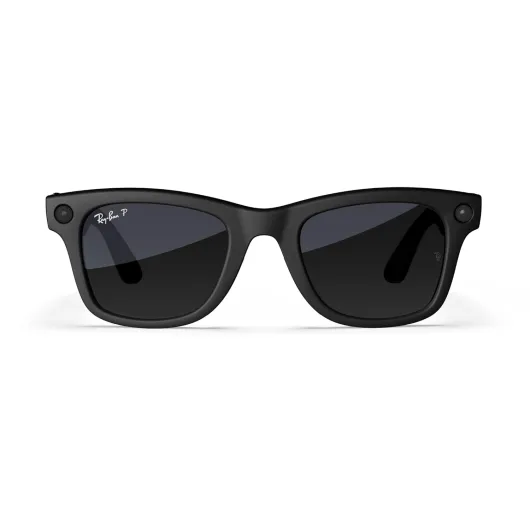
- + Iconic Wayfarer design with a sleek matte black finish
- + 12 MP camera for high-quality still photos
- + Video recording capability for hands-free capture
- + Open-ear speakers allow ambient listening and situational awareness
- + Bluetooth connectivity for easy pairing with phones

Optical performance, zoom discipline, and long range precision
Optical performance defines whether a laser PTZ installation feels truly luxurious or merely expensive. A high specification zoom lens with strong optical zoom allows the camera to maintain detail on a subject at long range without relying on aggressive digital enlargement. When the laser and lens are calibrated correctly, the system can hold focus on a moving yacht several hundred metres away while the PTZ camera executes a smooth pan tilt motion, even in moderate swell or hillside winds.
In practice, owners often pair visible light cameras with thermal camera units to guarantee performance in haze, rain, or partial night conditions. The thermal imaging channel does not depend on ambient illumination, so the camera thermal module can detect a person or vessel at long distance even when the visible camera struggles. A well designed camera system will automatically cue the visible PTZ cameras to the same coordinates, using the laser PTZ beam as a reference for precise framing and consistent perspective.
For clients already investing in elevated home audio systems and immersive cinema rooms, the same attention to detail now extends outdoors to vision technology. Integrators who design elevated luxury home audio systems increasingly specify laser PTZ cameras as part of a broader digital estate. The result is a coherent network where each unit, from camera laser module to speed dome, is tuned for both performance and aesthetic discretion, mirroring the calibration discipline applied to reference-grade loudspeakers and projectors.
Night vision, thermal imaging, and invisible illumination
Night vision is where laser PTZ systems justify their presence on serious luxury properties. Traditional infrared illumination can create harsh hotspots and visible glow, while a carefully engineered range laser module projects controlled light that remains almost invisible to guests. Many premium PTZ units use eye-safe Class 1 or Class 2 lasers with tightly managed power output, allowing the PTZ camera to use this subtle illumination to maintain high contrast video and sharp detail across a long range without disturbing the ambience of a pool deck or sculpture garden.
Thermal imaging adds another layer, allowing a thermal camera or camera thermal unit to detect heat signatures regardless of light levels. In a multi sensor dome camera, the visible camera, thermal channel, and laser PTZ beam work together so that auto tracking can lock onto a person or vehicle and maintain framing even in complete night darkness. This fusion of night vision, thermal imaging, and laser guidance turns the camera system into a form of high-end robotics that quietly protects the perimeter while remaining almost imperceptible to guests.
Owners who already invest in refined entertainment audio often expect the same seamless integration from their visual technologies. Integrators who design refined entertainment audio for immersive luxury living now pair those systems with laser PTZ cameras that respect lighting design and landscape architecture. A typical hillside residence, for example, might combine low level path lighting, concealed range laser modules, and a handful of dual-spectrum PTZ cameras to preserve mood lighting while still delivering reliable night vision and long distance detection along driveways and cliff edges.
Audio, live streaming, and the luxury control experience
For many luxury clients, the interface to a laser PTZ system matters as much as the optics. A well designed control application allows effortless pan tilt movements, precise zoom control, and instant switching between cameras, all from a tablet or dedicated touch panel. When the PTZ cameras respond with fluid speed dome motion and minimal latency, the experience feels closer to operating a cinematic rig than a conventional security camera, encouraging owners to engage with the system rather than delegate all interaction to staff.
High quality audio capture has become equally important, especially for live streaming from private galleries, yacht decks, or helipads. A laser PTZ unit with integrated audio and video encoding can stream directly over the network, allowing secure live streaming of events to a remote residence or family office. In these scenarios, the camera laser module helps maintain framing over long distance shots, while the zoom lens and optical zoom preserve detail on artworks, performers, or arriving guests, so the remote viewer experiences a composed, broadcast-style feed rather than a static security view.
Luxury buyers also pay attention to how the camera system integrates with other digital experiences across the property. A single network can carry multiroom audio, high resolution video, and control signals for every PTZ camera and dome camera, simplifying maintenance and upgrades. This unified system design mirrors the thinking behind high priced augmented reality eyewear, as explored in analyses of AR glasses positioned as luxury objects, where hardware, software, and experience must align to justify premium positioning.
High-end robotics, auto tracking, and vision PTZ intelligence
Laser PTZ platforms increasingly blur the line between cameras and high-end robotics. Auto tracking algorithms allow a PTZ camera to follow a subject automatically, using the laser and zoom lens to maintain consistent framing. When multiple PTZ cameras share data over the network, the system can hand off tracking between units, creating continuous coverage across a large estate without manual intervention and reducing the need for constant operator supervision.
Vision PTZ intelligence now extends beyond simple motion detection to behaviour analysis, such as loitering or unusual movement patterns near moorings or garages. A camera thermal module can flag a heat signature at long range, prompting a visible light camera to zoom while the laser PTZ beam refines focus and alignment. This collaboration between thermal imaging, optical zoom, and pan tilt mechanics gives the system a distinctly robotic character, yet it remains unobtrusive in daily life and can be tuned to respect privacy zones around guest suites or spa areas.
From a luxury perspective, the sophistication lies in how quietly these capabilities operate in the background. The speed dome housings and dome camera enclosures are designed to blend with architecture while still allowing high speed pan tilt motion and rapid zoom changes. When specified correctly, each unit behaves like a coordinated robotic sentry, yet the overall camera system preserves the serenity and visual purity that high net worth owners expect from carefully curated architecture and landscaping.
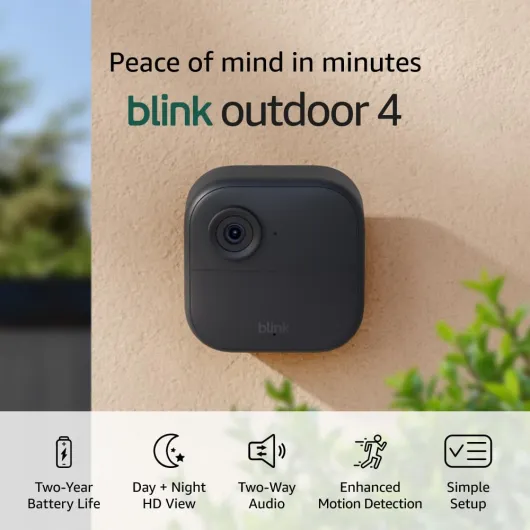
- + Wireless design for flexible installation
- + 2-year battery life reduces maintenance
- + 1080p HD day and infrared night live view
- + Two-way talk for real-time communication
- + Sync Module Core included for simplified setup
Unit price, specification choices, and long-term value
For serious collectors of luxury tech gadgets, understanding unit price versus capability is essential when evaluating laser PTZ options. A premium unit with a large zoom lens, strong optical zoom, and integrated thermal camera will command a significantly higher unit price than a basic PTZ camera, yet it can replace several conventional cameras. Over a long distance perimeter, one high specification laser PTZ system may cover the same range as multiple fixed cameras, reducing visual clutter and infrastructure while consolidating maintenance into fewer, more capable devices.
Key specification decisions include the desired long range performance, night vision capability, and whether to include thermal imaging or rely solely on visible light. Buyers should assess how far the range laser module must project for effective illumination and whether the camera thermal channel needs to identify small objects or only large vehicles. The balance between optical zoom, sensor size, and speed dome mechanics will determine how gracefully the PTZ cameras handle rapid pan tilt movements without sacrificing image stability, especially in exposed coastal or rooftop locations.
Network architecture also influences both performance and long term value for these camera systems. A robust network allows each unit to stream high bitrate video and audio while supporting live streaming, remote control, and firmware updates without congestion. When specified with care, a suite of laser PTZ cameras, dome camera units, and supporting illumination can become a long lived infrastructure asset rather than a rapidly aging gadget, aligning with the long horizon over which luxury estates are typically planned and maintained.
Design integration, light management, and aesthetic discretion
Luxury estates demand that every visible technology element respects the architecture and landscape. Laser PTZ cameras are often recessed into eaves, integrated into sculptural masts, or concealed within custom housings that echo the lines of the building. The dome camera or speed dome form factor helps by enclosing the camera, lens, and pan tilt mechanism in a smooth shell that reads as a design object rather than industrial hardware, allowing the technology to recede visually during daytime and events.
Light management is equally critical, because harsh illumination can undermine the ambience of terraces, pools, and gardens. A carefully tuned camera laser and range laser module allow the system to project just enough light for the camera without washing out stone textures or water surfaces. When combined with subtle landscape lighting, the result is a night environment where guests perceive only soft light, while the camera system quietly maintains full night vision and long range awareness, even along tree lines or cliff paths that remain visually understated.
For owners who treat technology as part of their art collection, the elegance of the installation matters as much as the specification sheet. Integrators who specialise in high-end robotics and advanced camera systems now collaborate closely with lighting designers and architects to position each unit for both optimal distance coverage and minimal visual impact. In this context, laser PTZ platforms become not only guardians of the property but also exemplars of how engineering and aesthetics can align in the luxury tech space, much like statement audio systems or bespoke kinetic sculptures.
Key figures on laser PTZ and luxury surveillance
- According to IHS Markit’s Video Surveillance Intelligence Service, the global professional video surveillance equipment market exceeded 19 billion US dollars in 2019, with PTZ cameras representing a significant share of high value installations in luxury and critical infrastructure projects (IHS Markit, 2020).
- Data published by Axis Communications in its 2018 thermal imaging guidelines indicates that thermal imaging cameras can detect human sized targets at distances up to approximately 1,800 metres when paired with appropriate lenses, which explains their frequent integration into long range laser PTZ systems on large estates (Axis Communications, 2018).
- Research from ONVIF member manufacturers, summarised in ONVIF interoperability white papers from 2017–2019, shows that network based camera systems can reduce cabling costs by up to 30 percent compared with analogue installations, making IP based laser PTZ deployments more attractive for complex luxury properties.
- Industry reports from MarketsandMarkets, including the 2022 study on the thermal imaging market, project that the thermal imaging market in security applications is growing at an annual rate above 6 percent, driven partly by demand for high-end robotics and advanced perimeter protection in premium residential segments (MarketsandMarkets, 2022).
FAQ about laser PTZ systems for luxury estates
How does a laser PTZ camera differ from a standard PTZ camera ?
A laser PTZ camera integrates a laser module that assists with focusing, range measurement, and precise targeting, while a standard PTZ camera relies solely on optics and software. The laser allows more accurate long distance tracking and better performance in low contrast scenes. For large luxury properties, this means fewer missed details and smoother auto tracking over extended distances, particularly along shorelines, vineyards, or long approach roads.
Is thermal imaging necessary for a luxury residential installation ?
Thermal imaging is not strictly necessary, but it significantly enhances detection reliability in fog, rain, and complete darkness. A thermal camera or camera thermal module can identify heat signatures where visible light cameras struggle, especially over long range perimeters. Many high end estates choose combined visible and thermal PTZ cameras to ensure consistent performance in all conditions and to reduce the number of visible luminaires required for security lighting.
What factors most influence the unit price of a laser PTZ system ?
The main drivers of unit price are the zoom lens specification, optical zoom ratio, sensor quality, and whether thermal imaging is included. Additional costs come from speed dome mechanics, range laser modules, and rugged housings designed for marine or coastal environments. Integration with existing network infrastructure and control systems can also affect overall project pricing, particularly when owners require redundancy, encrypted remote access, or integration with estate-wide management platforms.
Can laser PTZ cameras integrate with existing smart home and audio systems ?
Most modern laser PTZ cameras use IP based protocols, allowing integration with advanced smart home controllers and multiroom audio video systems. Through the same network, owners can access live streaming, control pan tilt and zoom, and synchronise camera views with media rooms or security control spaces. Professional integrators typically design a unified camera system that coexists with lighting, audio, and automation without bandwidth conflicts, often using VLANs and quality of service rules to prioritise critical video streams.
Are laser PTZ systems suitable for yachts and mobile platforms ?
Laser PTZ systems are well suited to yachts and mobile platforms because the laser assisted focus and pan tilt stabilisation help compensate for motion. Marine rated dome camera housings and speed dome units protect the camera and lens from salt, spray, and vibration. Many yacht owners specify combined visible and thermal PTZ cameras to maintain clear video and night vision across open water at long distance, enabling safe tender operations and discreet monitoring of surrounding traffic.