Why a zigbee motion sensor belongs in a luxury smart home
A refined residence deserves a Zigbee motion sensor that feels invisible yet perfectly responsive. In a luxury environment, motion and presence are not just technical events but cues that orchestrate light, sound, and security with the same precision as a concierge. When you choose a premium motion sensor ecosystem, you are really curating how every room greets you and how discreetly it protects you.
At the core sits the Zigbee protocol, which allows multiple sensors to communicate with a central hub using low power wireless signals on the 2.4 GHz band. This means a single Zigbee hub can coordinate dozens of motion sensors, presence sensors, and door window contacts without cluttering your Wi Fi network or compromising security. For high end projects in penthouses or large villas, a dedicated Zigbee smart network becomes the silent backbone that keeps every motion detector and presence sensor in perfect sync.
Luxury buyers often compare a Zigbee motion sensor with Wi Fi or Bluetooth alternatives before selecting a product. Zigbee motion solutions excel when you need reliable detection across several floors, thick stone walls, or expansive outdoor terraces, because each mains powered sensor or repeater can relay signals to extend coverage. In practice, a carefully placed set of indoor and outdoor motion sensors creates a mesh that feels seamless, whether you are in a Paris hôtel particulier or a Malibu estate in the United States.

Design, materials, and placement for discreet motion elegance
For a luxury interior, the visual presence of each motion sensor matters as much as its technical specification. A well designed Zigbee motion sensor should echo the lines of your switches, your window frames, and even your art lighting, rather than shouting its presence with cheap plastic. When you evaluate sensors as design objects, you start to see them as part of the architecture, not just security accessories.
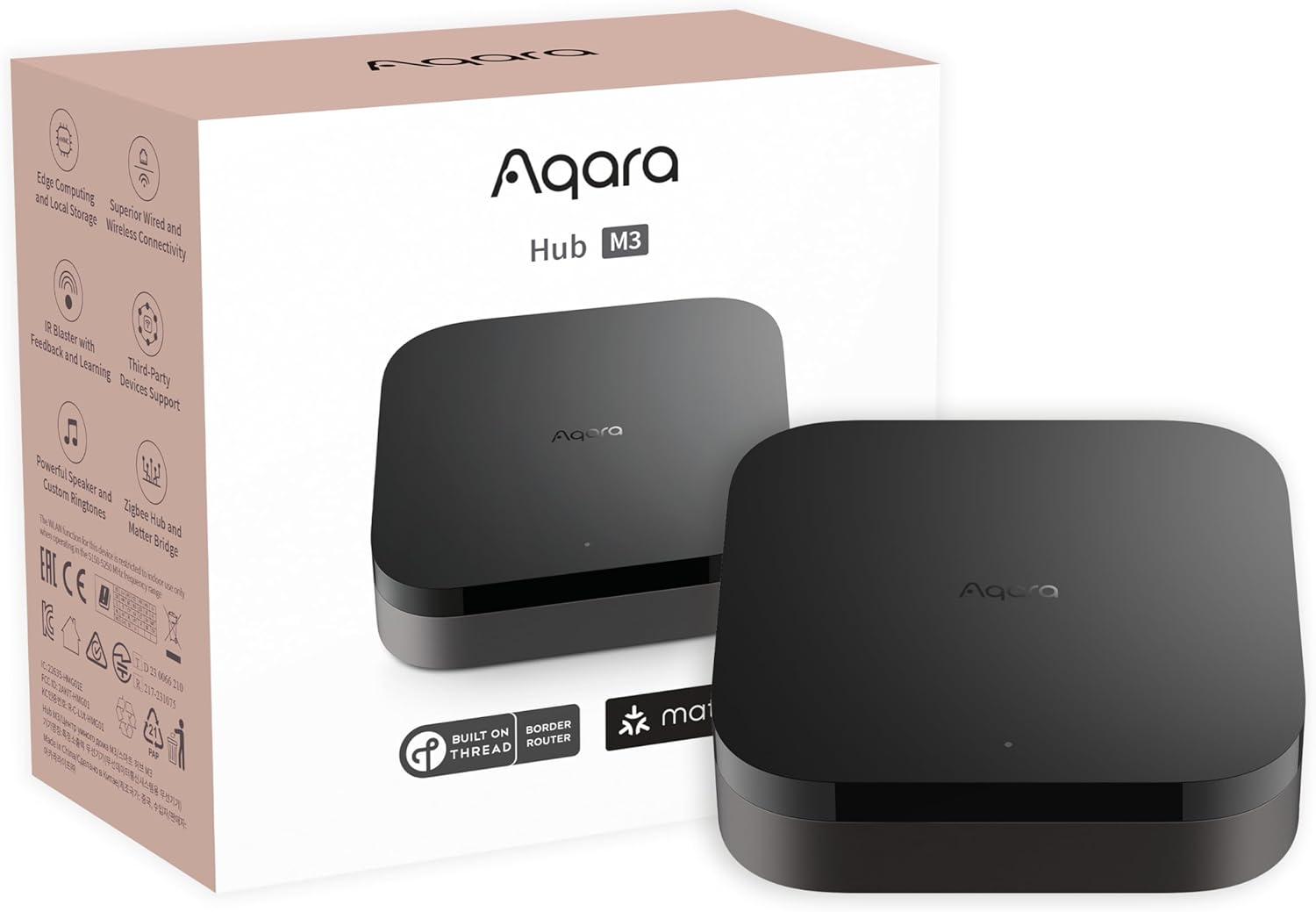
Brands such as Aqara and Sonoff SNZB have understood that a smart PIR motion sensor must blend into high end finishes while still offering precise detection. Their compact motion sensors and presence sensors typically offer detection angles around 120° and ranges of 5–7 meters, and can sit in a corner, above a door window frame, or near an opens window position without disturbing the visual rhythm of a room. In a marble bathroom or a leather paneled study, a matte white or soft grey motion detector almost disappears, yet its PIR sensor quietly tracks human presence.
Placement strategy is where expertise truly shows in a luxury smart home project. A professional integrator will map motion, presence, and outdoor motion paths, then position each Zigbee motion sensor to avoid false triggers from pets or curtains while still covering every approach to a door or window. For estates with extensive CCTV, this planning often goes hand in hand with structured cabling decisions, where choosing the right Ethernet cable for CCTV camera luxury installations ensures that video and sensor data complement each other perfectly.
Performance, detection quality, and human centric automation
Performance is where a Zigbee motion sensor proves whether it deserves a place in a luxury project. Response time, detection angle, and sensitivity to human presence all shape how natural your automations feel when you move through the space. If a motion sensor lags or misfires, the illusion of an intelligent home collapses instantly.
High grade smart PIR motion sensors use refined Fresnel lenses and tuned algorithms to distinguish human presence from background noise such as HVAC airflow or sunlight reflections. Typical Zigbee PIR sensor specs include latency in the 200–500 ms range from motion to trigger, detection angles between 100° and 170°, and configurable sensitivity levels. A well calibrated PIR sensor can trigger smart lighting scenes within a fraction of a second, fading in indirect LEDs along a corridor while your audio system cues a playlist at a comfortable volume. Presence sensors with micro motion detection go further, maintaining a scene while you read quietly or work at a desk, avoiding the frustrating blackout that cheaper motion sensors sometimes cause.
For outdoor motion coverage, luxury installations often combine a dedicated outdoor motion detector with indoor presence sensors near each door window zone. This layered approach allows the Zigbee hub to interpret whether a motion event is a passing animal in the garden or a human presence approaching the terrace doors. When paired with high resolution CCTV and the right Ethernet cable for CCTV camera luxury installations, the system can escalate from soft pathway lighting to full perimeter security in a controlled, elegant sequence.
Battery life, reliability, and the hidden cost of ownership
In a premium residence, you should not be thinking about replacing a battery every few months. A well engineered Zigbee motion sensor leverages the low power nature of the Zigbee protocol to deliver multi year battery life under normal motion patterns. This long battery life is not just a convenience but a key factor in maintaining the illusion of an autonomous, attentive home.
Luxury integrators often specify motion sensors and presence sensors rated for at least two to five years of battery life, even in busy circulation areas. Typical devices use CR2450 or CR123A cells with capacities around 500–1500 mAh, and manufacturer test conditions usually assume room temperature environments and moderate daily motion events. When a PIR motion sensor or presence sensor can run that long on a single battery, maintenance visits become predictable and discreet, which matters for clients who value privacy and minimal disruption. Wireless reliability also improves, because a stable power profile means the Zigbee smart mesh remains consistent, with each motion detector and door window sensor acting as a dependable node.
Cost of ownership extends beyond the initial price printed on a product page. A slightly higher price for a premium Zigbee motion sensor with robust wireless performance and long battery life often translates into fewer service calls, fewer false alarms, and better security outcomes over several years. For clients used to rating experiences in stars rather than in saved euros, this reliability is part of the luxury promise, much like choosing AR glasses priced like luxury items where the expectation of flawless performance is non negotiable, as explored in this analysis of what happens when AR glasses are priced like luxury.
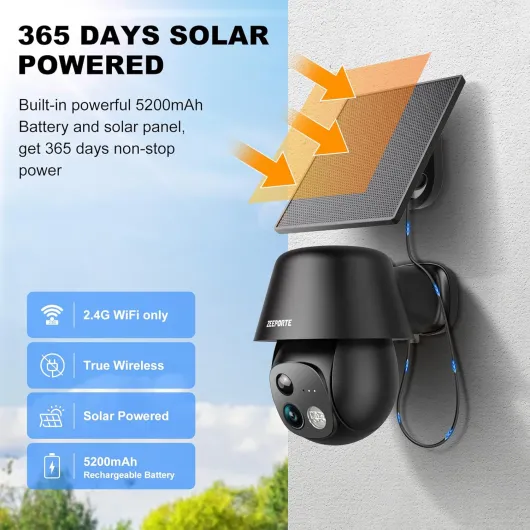
- + Solar-powered with battery backup for extended runtime
- + 2K resolution for sharper video and clearer details
- + 360° pan/tilt coverage reduces blind spots
- + AI motion detection for fewer false alerts
- + Spotlight & siren for active deterrence

Security scenarios with zigbee motion sensors in luxury estates
Security is where the Zigbee motion sensor becomes more than a convenience feature. In a luxury estate, every motion event, every door opening, and every window tilt can feed into a layered security narrative managed by the Zigbee hub and the central alarm system. The goal is not just to detect intrusions but to orchestrate a calm, controlled response that protects occupants without drama.
A typical scenario links outdoor motion sensors along the perimeter with indoor PIR motion detectors near key circulation paths and safe rooms. When an outdoor motion detector senses human presence near a garden gate, the system can pre arm interior presence sensors and subtly raise exterior smart lighting levels, while cameras pivot to pre defined positions. If a door window contact then registers that someone opens a window or forces a door, the Zigbee smart network can escalate to full alarm, lock internal doors, and send alerts to a monitoring service in the United States or in the client’s primary country of residence.
Brands such as Aqara and Sonoff SNZB offer compact wireless motion sensors and presence sensors that integrate cleanly with high end alarm panels and access control systems. Their products allow you to create nuanced rules, such as ignoring motion from pets below a certain height or only triggering alerts when multiple sensors confirm human presence. For ultra discreet installations, a smart PIR motion sensor can even be recessed into ceilings or millwork, leaving the technology invisible while still delivering the level of security expected in a property that measures its value in eight figures.
From smart lighting to curated experiences with presence sensing
Once security is in place, the same Zigbee motion sensor network can be repurposed to craft experiences that feel almost theatrical. Smart lighting scenes that respond to motion and presence can guide you from bedroom to kitchen at night with a soft, warm path of light. During the day, subtle changes in brightness can signal that a terrace door opens or that a guest has entered the gallery.
High end lighting designers increasingly treat motion sensors and presence sensors as creative tools rather than purely functional devices. A smart PIR motion sensor in a hallway can trigger a cascade of indirect lighting, motorized blinds, and even scent diffusion, all coordinated through the Zigbee hub and the wider smart home platform. When multiple motion sensors and presence sensors report human presence in a lounge, the system can shift audio zones, adjust HVAC, and fine tune the ambience to match the number of occupants.
On the user interface side, luxury clients often expect to browse their system as they would an online boutique, with options to add items to an add wishlist before finalizing scenes or automations. In this context, each motion sensor, presence sensor, or door window contact becomes a configurable asset that can be assigned to different rooms, moods, or events. The result is a home where technology recedes into the background, yet every step you take is quietly acknowledged and elegantly amplified by the network of Zigbee motion sensors around you.
Key figures and market insights for zigbee motion sensors
- According to market research from firms such as Statista, global smart home security revenue reached tens of billions of dollars in the early 2020s, with motion sensors and presence sensors representing a significant share of hardware sales in that segment. Publicly available Statista charts on smart home security show steady year on year growth in both unit volume and revenue.
- Industry analyses indicate that Zigbee and Z Wave together power a large portion of professionally installed smart home systems, with Zigbee often preferred for dense sensor networks due to its mesh capabilities, low power consumption, and support in many branded hubs. Integrators frequently cite Zigbee’s ability to handle dozens of endpoints without saturating Wi Fi as a key advantage.
- Battery life for premium Zigbee motion sensors typically ranges from two to five years under normal usage, based on manufacturer test conditions that assume room temperature environments and moderate daily motion events. Datasheets for popular models often quote standby currents in the microamp range to achieve these figures.
- Consumer review platforms frequently show average ratings above four stars for high end Zigbee motion sensor products, reflecting strong satisfaction with reliability, wireless performance, and integration with smart lighting ecosystems. Users often highlight fast response times and stable connectivity as reasons for positive reviews.
- In the United States and Western Europe, professional integrators report that a substantial share of new luxury residential projects now include some form of Zigbee based motion detection, presence sensing, and door window monitoring as standard infrastructure rather than optional extras. This shift positions the best Zigbee motion sensor models as core building components rather than afterthought gadgets.
FAQ about zigbee motion sensors in luxury smart homes
How does a zigbee motion sensor differ from a Wi Fi motion sensor ?
A Zigbee motion sensor communicates through a low power mesh network rather than directly over Wi Fi, which reduces congestion on your main network and improves reliability when you deploy many sensors. Each Zigbee device can relay messages, extending coverage across large villas or multi level penthouses. This architecture is particularly valuable in luxury projects where dozens of motion sensors, presence sensors, and door window contacts must operate flawlessly.
Can zigbee motion sensors integrate with high end smart lighting systems ?
Most premium Zigbee motion sensors integrate smoothly with leading smart lighting platforms through a compatible Zigbee hub or gateway. Once connected, a smart PIR motion sensor can trigger layered lighting scenes, adjust color temperature, and coordinate with blinds or audio systems. Luxury integrators often program different responses for day and night, using presence data to create subtle, human centric experiences.
Are zigbee motion sensors secure enough for luxury estate protection ?
When correctly configured, Zigbee motion sensors provide robust security suitable for high value properties. The protocol supports AES 128 bit encryption, and professional grade hubs can segment the Zigbee network from guest Wi Fi while integrating with certified alarm panels. For maximum protection, experts combine indoor motion detectors, outdoor motion sensors, and door window contacts with CCTV and monitored alarm services.
How often do I need to replace the battery in a zigbee motion sensor ?
Battery life depends on motion frequency and sensor configuration, but premium Zigbee motion sensors typically last between two and five years on a single battery. Low traffic rooms such as guest suites may exceed this range, while busy corridors might sit at the lower end. Luxury integrators usually schedule preventive maintenance visits to replace batteries proactively, ensuring that no critical sensor fails unexpectedly.
Is a zigbee hub mandatory for using zigbee motion sensors ?
Yes, a Zigbee hub or compatible gateway is required, because Zigbee devices do not connect directly to your router like Wi Fi devices. The hub manages the mesh network, handles encryption, and often provides the interface for linking motion sensors with lighting, HVAC, and security systems. In luxury installations, the Zigbee hub is typically integrated into a broader control platform that unifies all smart home subsystems.
Comparison table: recommended zigbee motion sensors for luxury estates
| Model | Typical specs | Strengths | Limitations |
|---|---|---|---|
| Aqara Zigbee PIR motion sensor | Approx. 170° field of view, up to 7 m range, CR2450 battery, 2–3 year life under normal use | Compact design, fast response, strong ecosystem integration, ideal as a best Zigbee motion sensor for interiors | Indoor use only, requires compatible hub for advanced automations |
| Sonoff SNZB Zigbee motion sensor | Approx. 110–120° field of view, around 6 m range, CR2450 battery, 2 year typical life | Attractive pricing, simple pairing, good choice for secondary rooms and corridors | Less suited to very large spaces, housing design is more visible in ultra minimal interiors |
| Premium outdoor Zigbee motion detector (generic) | Weather resistant housing, 8–12 m range, adjustable sensitivity, support for low temperature operation | Designed for gardens and terraces, robust build, excellent for perimeter detection in estates | Bulkier form factor, may require careful placement to remain discreet |
| Ceiling recessed Zigbee presence sensor (generic) | 360° ceiling coverage, micro motion detection, powered or long life battery options | Almost invisible once installed, ideal for galleries and lounges where aesthetics dominate | Requires professional installation and precise planning of cutouts |