Why an analog security camera system still belongs in a luxury estate
For many luxury homeowners, a carefully engineered analog security camera system offers reassuring predictability and tactile control. While IP-based smart surveillance platforms dominate marketing headlines, high net worth clients still commission analog cameras and hybrid camera systems for their most sensitive perimeters. The appeal lies in stable wired security, consistent video quality, and a surveillance architecture that behaves exactly the same every single night.
In a large villa or penthouse, an analog security camera can be dedicated to each critical channel, from the main gate to the wine cellar, with DVR recorders handling continuous video capture. Modern HD-over-coax standards such as HD-TVI, HD-CVI, and AHD deliver high definition video over traditional coaxial cable rather than complex network switches, so the supply chain of each product and unit is easier to audit and secure. For clients who already run extensive smart home networks, keeping security cameras on a separate analog security layer reduces cyber exposure while preserving impeccable night vision coverage.
Luxury integrators often specify analog CCTV products alongside IP cameras, creating layered security systems that separate lifestyle features from hard perimeter protection. A robust CCTV camera network can run independently, with each camera system powered from unit-level power supplies and surge-protected racks. This approach keeps the security camera system operational even if the main smart home network, Wi‑Fi, or cloud services fail during a stormy night, while still allowing selective integration where it genuinely adds value.
- + Immersion sonore grâce à Dolby Atmos
- + Configuration 5.1.4 offrant un son tridimensionnel précis
- + Qualité de référence adaptée au home cinéma
- + Supporte les formats haute résolution (Dolby Atmos, TrueHD)
- + Idéal pour films, séries et jeux

Designing discreet elegance with analog cameras and smart home control
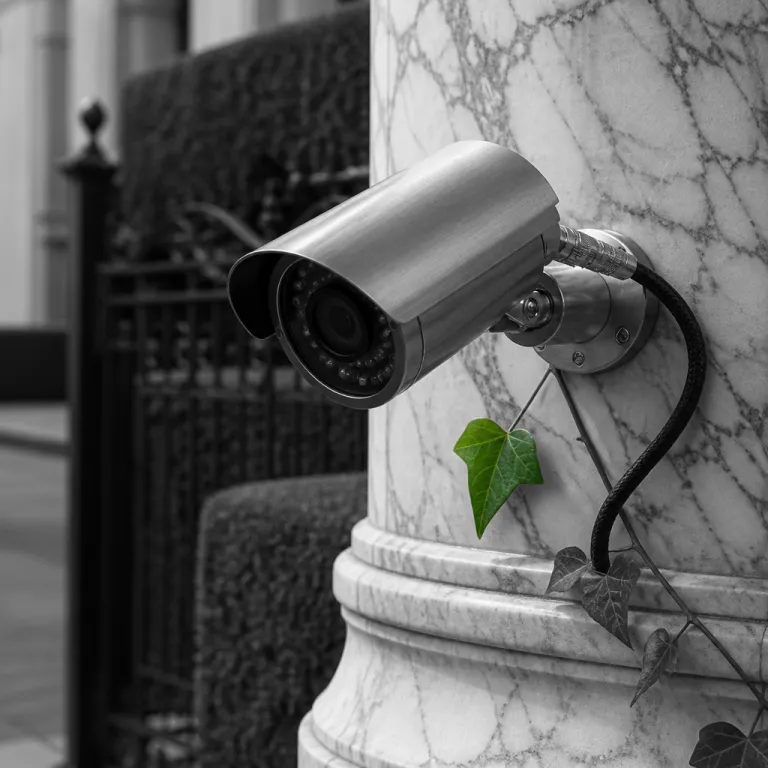
Architects working on high-end residences want every camera to vanish into the façade while still delivering uncompromising security. An analog security camera system helps by using compact CCTV cameras that can be recessed into stone, wood, or metal details without bulky network hardware. Because each analog camera connects directly to a central DVR, the visible hardware footprint near doors, terraces, and galleries remains minimal and refined.
Modern luxury does not reject smart features; it curates them, so integrators often bridge analog security feeds into a central smart panel or app. A premium DVR unit can export each video channel into the home’s control system, allowing the owner to view live surveillance while keeping recording logic isolated. When paired with a high-end pan‑tilt‑zoom solution such as a Sony luxury PTZ camera, analog systems can coexist with IP cameras, giving the estate both cinematic sweeps and rock‑solid fixed viewpoints.
For clients who entertain frequently, the ability to route any security camera feed to a private study, a staff office, or a discreet wall panel is invaluable. Analog camera systems excel here because each channel is clearly mapped, and the unit price of additional encoders remains modest compared with full IP overhauls. This lets designers prioritize visible luxury products such as lighting and audio while still funding a resilient wired security backbone, even if that means accepting fewer built‑in analytics than a fully IP-based system.
Performance, night monitoring and the art of invisible protection
Performance expectations in a luxury environment are unforgiving, especially for night monitoring around pools, sculpture gardens, and private docks. High definition analog cameras with enhanced night vision now rival many mid‑range IP products, delivering crisp monochrome or color night images through upgraded sensors. When paired with dual light or smart dual illuminators, each security camera can adapt its light output to protect both privacy and ambience while remaining visually unobtrusive.
Discerning owners often specify color night surveillance around key architectural features, using analog CCTV units that shift seamlessly between infrared and warm white dual light modes. This allows the camera system to maintain security while preserving the estate’s lighting design, rather than flooding façades with harsh beams. Integrators can fine‑tune each channel on the DVR, balancing motion detection sensitivity, video bitrate, and night vision range so that the system records only meaningful events and keeps the visual impact of hardware to a minimum.
One coastal estate, for example, replaced eight aging standard‑definition cameras with 5 MP HD‑TVI units and smart dual illuminators on existing coaxial runs. In internal acceptance tests conducted over a 30‑day period in 2023, the upgrade extended usable night monitoring distance by roughly 40 % along the driveway while reducing false motion alerts by about one third after DVR settings were optimized, all without adding visible network switches or new conduit to the façade.
Choosing the right analog products, unit price and total cost of ownership
High net worth clients rarely focus on the lowest unit price, yet they demand clarity on how each product contributes to long‑term value. An analog security camera system offers a transparent cost structure, because each camera, DVR, power supply, and cable run is a discrete unit that can be priced and upgraded independently. This modularity contrasts with some cloud‑based systems where recurring fees, proprietary cameras, and bundled services blur the real price of ownership.
When specifying products, integrators evaluate not only the headline video resolution but also the reliability of each CCTV camera under heat, humidity, and coastal conditions. Premium analog cameras often carry higher initial price tags, yet they reduce maintenance visits and unplanned downtime, which matters when estates sit in remote or hard‑to‑access locations. A carefully chosen camera system with robust housings, sealed built microphone options, and stable power supply units can operate for many years with minimal intervention.
Luxury projects also benefit from the ability to phase upgrades, replacing older analog cameras channel by channel while keeping the core DVR and cabling intact. Hybrid DVR models from major manufacturers, such as multi‑format HD‑TVI/AHD/HD‑CVI recorders with additional IP channels, allow gradual migration toward network cameras. This staged approach lets owners allocate budget to other smart products such as AR eyewear or high‑end audio, while still improving surveillance performance and avoiding the disruption of a complete rip‑and‑replace installation.
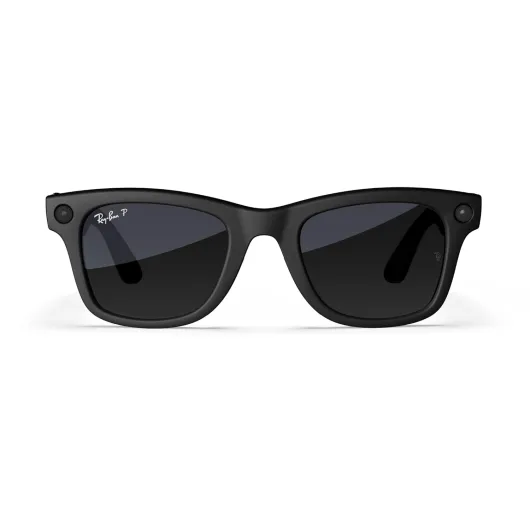
- + Iconic Wayfarer design with a sleek matte black finish
- + 12 MP camera for high-quality still photos
- + Video recording capability for hands-free capture
- + Open-ear speakers allow ambient listening and situational awareness
- + Bluetooth connectivity for easy pairing with phones
Advanced features in analog security systems for the smart luxury home
Contemporary analog security systems no longer mean basic standard‑definition video and simple recording schedules. High‑end DVR units now support hybrid modes, allowing analog cameras and IP cameras to share the same surveillance backbone while still keeping critical channels isolated. This gives estate managers the freedom to add experimental smart products on separate networks without touching the proven analog security layer.
Feature‑wise, many analog CCTV products integrate motion detection, privacy masking, and even analytics that flag unusual patterns across multiple cameras. Some camera systems include a built microphone in selected units, enabling audio capture in compliance with local regulations for sensitive entry points or staff areas. These capabilities, once reserved for enterprise systems, now appear in residential‑grade CCTV cameras that match the finish and scale of luxury architecture.
For clients who travel frequently, remote access to each security camera channel is essential, yet they often prefer not to expose every device directly to the internet. A secure gateway can stream video from the DVR to encrypted apps, while the analog cameras themselves remain unreachable from outside networks. This architecture respects the desire for smart convenience without sacrificing the physical resilience and predictability of a wired security system, though it may offer fewer AI‑driven insights than a fully cloud‑connected IP deployment.
Integrating analog camera systems with staff workflows and estate operations
In large residences, the real test of any camera system is how well it supports staff routines, from gatehouse checks to night monitoring of service roads. An analog security camera system simplifies training because each camera corresponds to a clearly labeled channel on the DVR interface. Staff can quickly review video, lock important clips, and hand over footage to security consultants without navigating complex software menus.
Estate managers also appreciate how analog cameras and CCTV cameras integrate with existing radios, alarms, and access control systems. Dry contact outputs from the DVR can trigger lights, sirens, or smart dual lighting scenes when motion detection crosses defined thresholds at night. This creates a coordinated response where surveillance, lighting, and physical barriers work together as a single security system rather than as isolated products.
For ultra‑private clients, keeping sensitive surveillance data on premises rather than in the cloud is non‑negotiable, and analog CCTV systems excel here. Footage remains stored on local drives, with backups taken from unit to secure archives under the owner’s direct control. This combination of analog security hardware, disciplined workflows, and carefully chosen smart integrations delivers a level of discretion and reliability that aligns with the expectations of luxury tech connoisseurs, while still acknowledging that IP‑based analytics may be added later where they genuinely improve operations.
Key figures shaping luxury analog security camera investments
- According to Omdia’s “Video Surveillance and Analytics Intelligence Service” market analysis (2021 and 2022 editions, summary data referenced in 2022), analog and HD‑over‑coaxial systems still represented roughly 40 % of all video surveillance camera shipments worldwide in the early 2020s, indicating that analog security remains a major segment despite IP growth.
- Research from IHS Markit, now part of Omdia, in its “Video Surveillance Intelligence Service” reports published around 2019–2020, noted that hybrid DVR recorders capable of handling both analog cameras and IP cameras grew faster than pure analog units, reflecting demand from luxury estates that want gradual upgrades rather than full system replacements.
- Axis Communications has highlighted in technology white papers and product briefs on Lightfinder and OptimizedIR (for example, documents released between 2019 and 2022) that professional‑grade night vision and color‑at‑night technologies can extend usable surveillance ranges by roughly 30 to 50 %, which is critical for large properties with long driveways and waterfront boundaries.
- Industry surveys from ASIS International on physical security spending, such as the “State of Security Management” and related research published in the late 2010s and early 2020s, report that high net worth residential projects often allocate between 5 and 10 % of total smart home budgets to surveillance systems, including CCTV cameras, mounts, and recording infrastructure.
- Data from multiple security integrators, summarized in trade publications and long‑term case studies over the past decade, suggests that well‑designed wired security systems, including analog CCTV, can operate for more than 7 to 10 years with only minor component replacements, significantly improving long‑term return on investment when compared with more frequently refreshed cloud‑centric platforms.
FAQ about analog security camera systems in luxury homes
Are analog security camera systems still suitable for high end properties ?
Yes, an analog security camera system remains highly suitable for luxury estates because it offers predictable performance, robust wired security, and clear separation from the main smart home network. Many high‑end projects use analog cameras for perimeter and critical zones while reserving IP cameras for lifestyle areas. This layered approach balances cyber resilience with modern convenience, though it may rely more on DVR‑based analytics than on cloud AI.
How does image quality from analog cameras compare with IP cameras ?
Modern HD analog cameras can deliver resolutions up to 4K over coaxial cable, which is comparable to many IP cameras used in residential projects. While IP systems may offer more advanced analytics and easier remote firmware management, analog CCTV products now provide excellent night vision, color night modes, and reliable motion detection. For most luxury homes, the image quality from current analog camera systems is more than sufficient for detailed surveillance.
Can analog security systems integrate with smart home platforms ?
Yes, high‑quality DVR units can export video streams and event data into popular smart home controllers, allowing owners to view any security camera feed from touch panels or mobile apps. The analog cameras themselves remain on a closed circuit, while the smart layer accesses only the processed video. This architecture preserves the integrity of the wired security system while still delivering a seamless user experience.
What features should luxury homeowners prioritize in analog cctv products ?
Luxury clients should prioritize robust housings, high‑sensitivity night vision, support for dual light or smart dual illumination, and reliable motion detection tuned for large outdoor spaces. A flexible DVR with enough channels for future expansion is also essential, as is a clean power supply design with surge protection. Optional features such as a built microphone in selected cameras can be valuable in entry lobbies or service corridors, subject to local privacy regulations.
Is it possible to upgrade from analog to IP without replacing everything ?
Hybrid DVR recorders and existing coaxial cabling make it possible to add IP cameras gradually while keeping the core analog security camera system operational. Integrators can replace cameras from unit to unit, starting with areas that benefit most from advanced analytics or higher resolution. This phased strategy protects prior investments in CCTV cameras, mounts, and wiring while moving the estate toward a more flexible mixed architecture that combines the strengths of both analog and IP.