Luxury robotics meet manufacturing facility security AI weapon software
Luxury tech collectors now look beyond home gadgets toward elite industrial intelligence. In high end robotics, the most advanced treasures sit inside restricted manufacturing facilities where AI driven security and weapon production control platforms quietly govern every movement. For connoisseurs of precision engineering, these hidden systems are as compelling as any limited edition smartphone or tourbillon watch.
At the core of this shift are autonomous systems that fuse artificial intelligence, video analytics, and granular access control into a single orchestrated environment. In weapons production, such factory security and AI enabled weapon oversight software supervises every zone, from raw materials intake to finished systems storage, while maintaining strict national security compliance. Investors with a focus on advanced robotics increasingly study flagship plants not for their assembly lines alone, but to understand how autonomous security software protects high value assets in real time and how it shapes the overall risk profile of the facility.
For the luxury robotics passionate, these security teams and their tools represent a new class of collectible capability. Instead of admiring only the robot arm, they evaluate the surrounding security architecture, the monitoring consoles, and the AI foundation models that power threat detection. The most coveted manufacturing environments now showcase integrated protection, where human operators, autonomous intelligence, and military grade software form a seamless perimeter of control and a distinctive part of the brand story.
From military applications to private industrial luxury robotics
Many of the most refined manufacturing facility security AI weapon software suites originate in military applications. Defense department research programs in several countries have pushed artificial intelligence development to secure weapons systems, and those same capabilities now protect civilian high end robotics production. For luxury brands commissioning bespoke robots, this lineage from classified defense projects to private manufacturing facilities has become a mark of prestige and reassurance.
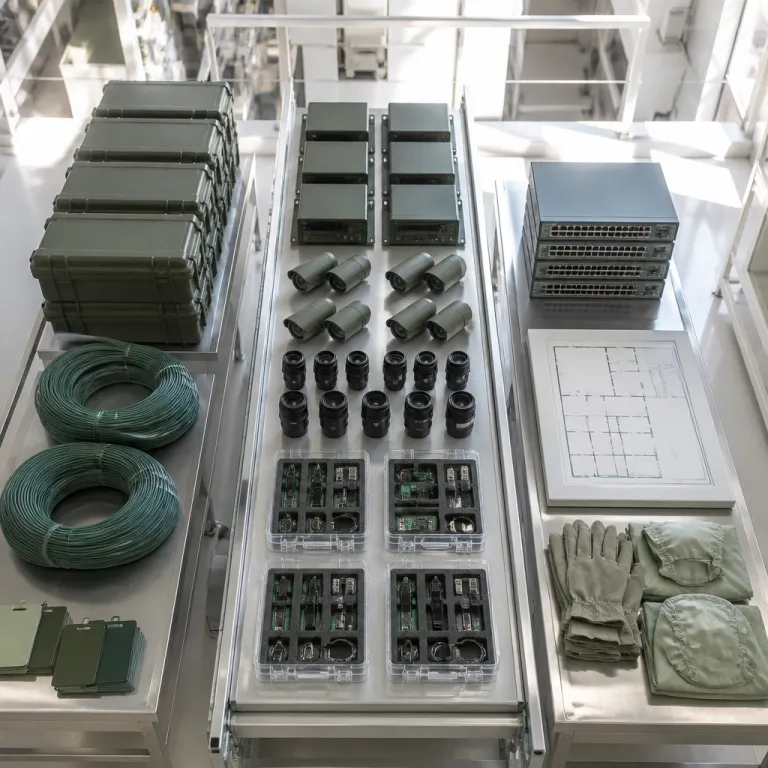
Modern autonomous systems used in weapons manufacturing rely on layered monitoring, combining thermal cameras, ultra high definition video, and acoustic detection arrays. These systems track every movement around access points, production cells, and perimeter fences, reducing nuisance alarms while preserving rapid response for genuine threats. When paired with refined pan tilt zoom controllers, as explored in this analysis of how PTZ controllers elevate luxury camera experiences, the same control philosophy translates elegantly from private villas to secure manufacturing plants.
A frequently cited example in defense industry briefings is a European munitions facility that upgraded from legacy CCTV to an AI enhanced perimeter and access control stack. After deployment, internal audits reported a sharp drop in false alarms and a measurable improvement in incident response times, illustrating how military derived surveillance logic can be adapted to civilian robotics production without compromising discretion or comfort for visiting clients.
- + Wireless design for flexible installation
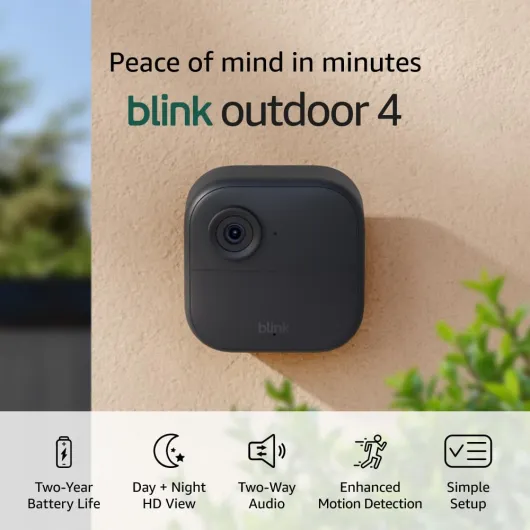
- + 2-year battery life reduces maintenance
- + 1080p HD day and infrared night live view
- + Two-way talk for real-time communication
- + Sync Module Core included for simplified setup

Perimeter, access, and video as a curated security experience
High net worth clients used to focus on interior design and entertainment when visiting a robotics atelier. Today they pay equal attention to how the perimeter is instrumented, how access is granted, and how video monitoring is orchestrated by manufacturing facility security AI weapon software and related control layers. The experience of moving through such a facility feels closer to a luxury boutique than a traditional factory floor, with every checkpoint and camera angle deliberately choreographed.
Advanced systems segment manufacturing environments into micro zones, each with tailored access control rules and AI assisted detection thresholds. A single integrated software layer correlates badge events at access points, video analytics around storage areas, and production line telemetry, surfacing anomalies in real time for human review. This orchestration mirrors the way refined home automation platforms blend lighting, audio, and surveillance, as seen in high end projects that rely on refined entertainment audio for immersive luxury living.
For luxury tech enthusiasts, the elegance lies in how invisible the control feels while remaining uncompromising on security. The best industrial AI security suites minimize nuisance alarms, allowing teams to focus on genuine perimeter breaches or suspicious behavior near weapons or raw materials. In such spaces, every camera angle, every access reader, and every dashboard widget reflects the same design discipline usually reserved for premium consumer gadgets, turning security into a curated experience rather than a visible constraint.
Foundation models and autonomous intelligence in weapons production
Artificial intelligence in manufacturing facility security AI weapon software has moved beyond simple motion detection. Vendors now embed large scale foundation models that understand patterns of life across manufacturing plants, learning how people, robots, and materials usually flow through the facility. When those patterns deviate, the system flags anomalies long before a human would notice, often correlating subtle signals that would otherwise remain invisible.
In weapons production, this means the software can differentiate between routine night shift activity and unusual movement near weapons systems or critical storage areas. The same intelligence can correlate video feeds, badge logs, and machine states, identifying when an autonomous robot enters a restricted perimeter or when raw materials appear in the wrong manufacturing environments. For luxury robotics clients, such capabilities reassure them that their bespoke autonomous weapons prototypes and high value components remain under constant, context aware surveillance with a clear audit trail.
These autonomous systems do not replace human judgment, but they radically augment it. Security teams receive prioritized alerts with rich context, including annotated video, historical behavior, and likely intent assessments generated in real time. In the luxury segment, where reputational risk is as critical as physical security, this blend of human expertise and AI driven control has become a decisive factor when selecting a manufacturing facility partner and evaluating long term collaboration.
Global governance, national security, and luxury robotics branding
As manufacturing facility security AI weapon software grows more capable, global governance debates increasingly shape how it is deployed. The United Nations Secretary General has highlighted concerns about autonomous weapons and the broader implications of artificial intelligence in military applications, including in reports to the General Assembly and statements to the Group of Governmental Experts on Lethal Autonomous Weapons Systems. Luxury robotics brands operating near this frontier must navigate both regulatory expectations and public perception.
When a facility produces components that could be integrated into weapons systems, questions of national security and ethical oversight become part of the brand narrative. Clients now ask whether national level guidelines and defense department export controls are reflected in the facility’s security systems design and monitoring practices. Transparent policies around autonomous systems, data retention, and human control over lethal decision chains help position a manufacturer as both technologically advanced and socially responsible.
For luxury tech enthusiasts, this intersection of ethics, security, and design adds another layer of sophistication to the products they admire. A robot crafted in a facility that uses responsible AI enabled security software, aligned with United Nations discussions on autonomous weapons and national review processes, carries a different symbolic weight. It signals that the brand understands its role in shaping how intelligence, control, and power are balanced in the states and beyond.

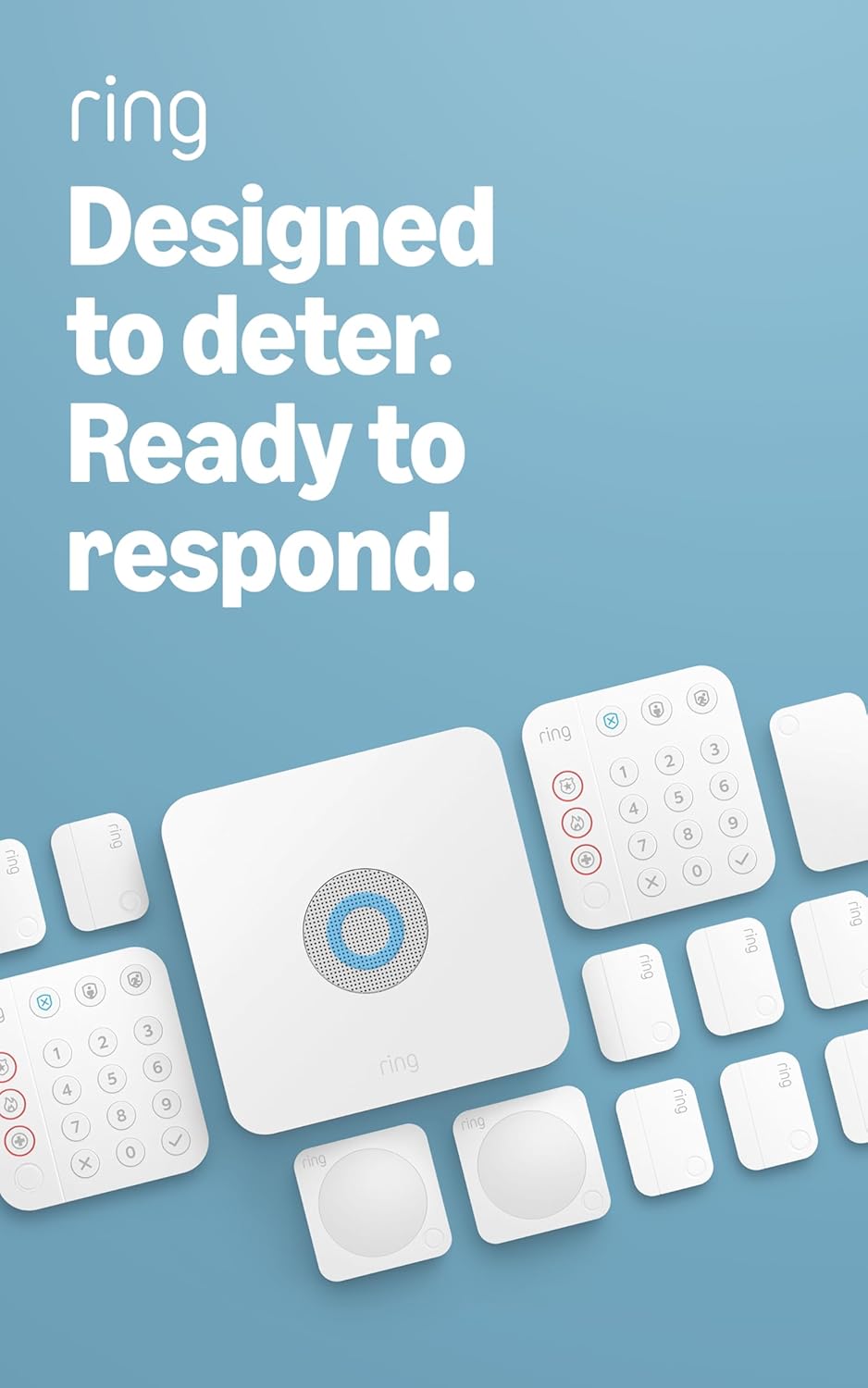
- + Comprehensive 14-piece kit suitable for home or small business
- + Wireless design allows flexible sensor placement
- + Expandable system so you can add more sensors later
- + Easy setup with simple plug-and-play installation
- + Mobile App Control for remote monitoring and real-time alerts
From industrial security to aspirational smart estates
Trends that begin in high security manufacturing facilities often migrate into luxury residential and commercial spaces. The same manufacturing facility security AI weapon software principles that protect weapons and raw materials now inspire smart estate designs for private clients. High end architects increasingly consult industrial security teams when planning new compounds or flagship boutiques, borrowing concepts that have been stress tested in demanding defense environments.
Concepts such as zoned access control, AI assisted perimeter detection, and unified monitoring dashboards translate naturally from manufacturing environments to luxury villas and yacht marinas. Case studies on automotive dealership video monitoring as a new standard of luxury smart security show how industrial grade systems can be refined for customer facing spaces. In the most advanced projects, autonomous systems patrol grounds, while human operators oversee real time alerts from a central control room styled more like a private cinema than a guard post.
For collectors of luxury tech gadgets, this convergence opens a new category of aspirational purchases. Instead of only acquiring individual devices, they commission integrated systems that echo the sophistication of weapons manufacturing plants, complete with AI enhanced monitoring and carefully tuned nuisance alarms. The result is a lifestyle where security, intelligence, and design form a coherent, elevated experience across both industrial and personal domains, with a single philosophy guiding every layer of protection.
Key statistics on AI security in weapons manufacturing
- According to a 2023 report by the Stockholm International Peace Research Institute (SIPRI) on trends in world military expenditure, global military AI related spending is estimated in the tens of billions of US dollars, with a significant share allocated to weapons systems security, decision support, and monitoring in manufacturing facilities.
- Research from the RAND Corporation, including a 2020 assessment of AI enabled base security and force protection, indicates that AI enhanced perimeter detection can substantially reduce nuisance alarms compared with legacy motion based systems, freeing security teams to focus on high priority threats and complex incidents.
- Industry surveys of defense contractors, summarized in RAND briefs on autonomous systems in defense logistics and industrial base resilience, show rapid adoption of autonomous access control and video analytics across new weapons production lines, reflecting growing reliance on integrated AI security software in manufacturing environments.
- Data from the United States Government Accountability Office (GAO), including a 2022 review of defense industrial base cybersecurity and monitoring, highlights that modern weapons manufacturing plants can host thousands of networked sensors, generating terabytes of real time security and production data each day that must be managed by unified platforms.
- Cybersecurity assessments in the defense sector, referenced in GAO and Department of Defense inspector general reports, reveal that facilities using consolidated, AI driven control software for both IT and physical security report fewer successful intrusions and faster detection times than those relying on fragmented, manually correlated systems.
FAQ about AI security software in weapons manufacturing facilities
How does AI security software protect weapons manufacturing environments ?
AI driven security software correlates video analytics, access control logs, and production data to monitor weapons manufacturing facilities in real time. It detects anomalies around storage areas, raw materials, and sensitive production cells, then prioritizes alerts for human security teams. This layered approach strengthens national security while reducing nuisance alarms and improving incident reconstruction.
What makes manufacturing facility security AI weapon software different from standard CCTV systems ?
Standard CCTV systems mainly record video, leaving interpretation to human operators. Manufacturing facility security AI weapon software uses artificial intelligence and foundation models to understand behavior patterns, flag unusual activity near weapons systems, and integrate data from multiple sensors. The result is proactive detection and control rather than passive monitoring, with automated triage of events.
Are autonomous systems allowed to make lethal decisions in these facilities ?
Current practice in most states and under ongoing United Nations discussions keeps human operators in the decision loop for any lethal function. Autonomous systems in manufacturing plants focus on surveillance, access management, and safety, not on triggering weapons. Manufacturers emphasize clear governance, documented procedures, and oversight to align with defense department policies and public expectations.
Can luxury robotics clients influence the security design of their manufacturing plants ?
High end clients often negotiate specific security requirements, including encryption standards, access policies, and monitoring transparency. They may request detailed documentation of the manufacturing facility security AI weapon software, including how data from autonomous systems is stored, audited, and eventually deleted. This collaboration helps align brand values with national security and ethical guidelines.
How transferable are these industrial security technologies to private luxury estates ?
Many concepts, such as zoned access, AI assisted perimeter detection, and integrated control dashboards, translate directly to luxury homes, yachts, and boutiques. Integrators adapt manufacturing grade systems to more discreet form factors and refined interfaces suitable for residential aesthetics. The underlying intelligence remains similar, offering industrial level protection in a luxury context while preserving comfort and privacy.