

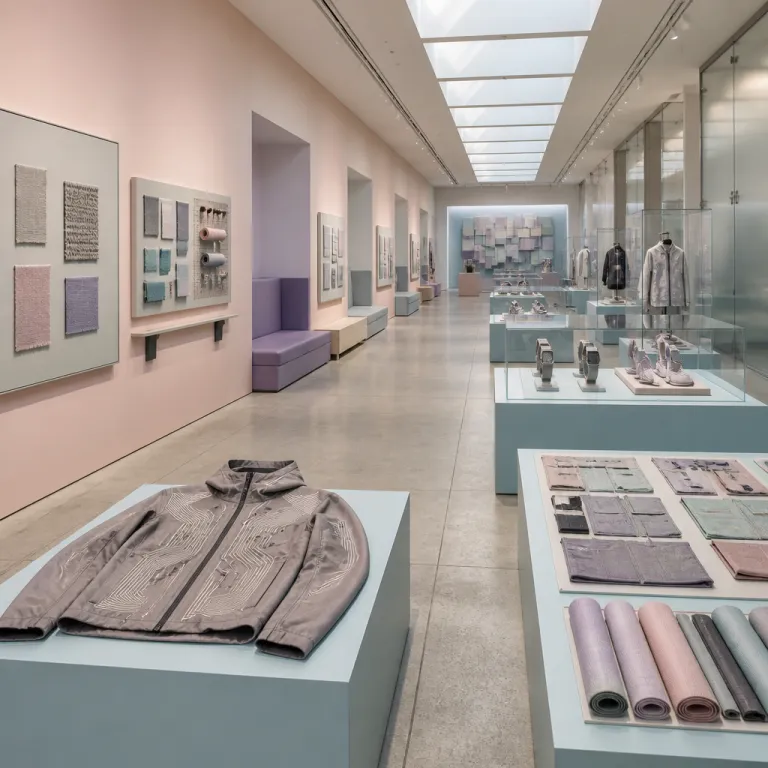
How fashion designers are redefining luxury wearable technology
When fashion designers stop decorating and start redesigning wearable tech
Luxury wearable technology only becomes truly compelling when fashion designers are allowed to redraw the object, not just the logo. In the current fashion industry landscape, the most interesting wearable tech fashion designer collaboration treats the device as a garment in miniature, with structure, drape, and proportion considered as carefully as any tailored jacket. That shift is turning once clinical health monitoring tools into pieces that feel at home beside a platinum watch or a bespoke cuff.
Glenn Martens working with Ultrahuman on a smart ring is a clear line in the sand for the sector, because this is not a standard ring with a different finish but a new design language for technology wearable objects. The ring’s sculpted negative spaces, asymmetric profile, and almost brutalist geometry show how electronic components and data sensors can be integrated as if they were stones and settings, which is a radical departure from the usual tech fashion approach of hiding the tech under generic metal. When fashion designers treat wearables as jewellery level garments for the hand, the market suddenly sees health data as part of a lifestyle narrative rather than a medical dashboard, a shift that underpins many designer smart ring review discussions and early hands on tests from specialist reviewers.
Samuel Ross taking on Whoop bands pushes the same idea onto the wrist, where the apple watch and other devices have long dominated the growth wearable category. His capsule of sensor bands uses industrial textiles, sharp colour blocking, and architectural hardware to make health monitoring feel like a considered design choice, not a compromise. This is where wearable technology and fashion technology finally align, because the garment logic of tension, comfort, and movement is applied to the strap that holds the smart device in real time contact with your skin, directly influencing luxury wearable sensor accuracy and the consistency of heart rate and recovery data reported in independent athlete feedback.
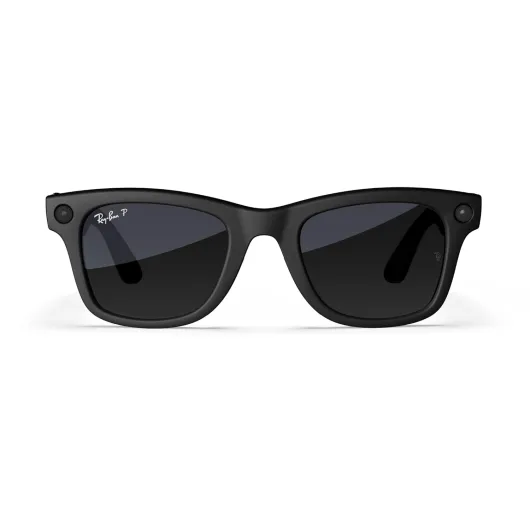
- + Iconic Wayfarer design with a sleek matte black finish
- + 12 MP camera for high-quality still photos
- + Video recording capability for hands-free capture
- + Open-ear speakers allow ambient listening and situational awareness
- + Bluetooth connectivity for easy pairing with phones

Form factor over finish: how collaboration reshapes the object itself
The difference between a genuine wearable tech fashion designer collaboration and simple badge engineering is brutally simple, because one changes the form factor while the other just changes the surface. When Francesca Amfitheatrof worked with Huawei on the Watch Ultimate Design Spring Edition, she rethought the proportions of the bezel, the rhythm of the 99 diamonds, and the way the bracelet reads as a continuous garment on the wrist rather than a segmented tech device. That level of design control turns a piece of technology into a coherent fashion object, where smart functions and fashion tech aesthetics share the same hierarchy and the watch can sit credibly beside mechanical pieces in enthusiast collections.
By contrast, many so called collaborations in this industry still amount to a standard smartwatch with a different strap, which leaves the underlying wearable tech untouched and the electronic components dictating the silhouette. Those projects rarely shift the perception of wearable technology in the luxury market, because the device still looks like a gadget that has been dressed up rather than a garment that happens to be smart. When the hardware remains unchanged, the sector loses the opportunity to integrate smart textiles, rethink clasp mechanisms, or adjust curvature for better health monitoring accuracy and comfort, all of which are frequently highlighted in teardown style reviews and ergonomic lab tests.
Apple and Hermès quietly set the benchmark here, since the apple watch Hermès editions treat the watch as a modular system where fashion designers can influence both the digital face design and the physical interface. The Hermès straps use saddle leather techniques, precise edge painting, and calibrated thickness so that the technology wearable module sits flush and balanced on the wrist. That is why these wearables feel closer to a mechanical timepiece than to a piece of consumer tech, and it is also why design conscious collectors often pair them with high end laptops such as those profiled in this elegant performance notebook review, building a coherent ecosystem of refined devices that share a similar design language and premium material palette.
From logo drops to limited objects: the new business model of tech fashion
Luxury brands and tech companies have finally realised that a wearable tech fashion designer collaboration can follow the same cadence as a fashion drop, with scarcity and narrative driving demand. Instead of endless colourways, the industry is experimenting with tightly controlled capsules, numbered editions, and seasonal refreshes that mirror how garments move through the market. This approach respects the way collectors think about wearables, because each device becomes a timestamped object with a clear place in a designer’s body of work and a traceable provenance in launch coverage.
Ultrahuman and Glenn Martens treat their smart ring almost like a runway accessory, with a specific design story that will not be endlessly reissued in slightly tweaked forms. Whoop and Samuel Ross follow a similar path, positioning their sensor bands as part of a broader design practice that spans furniture, garments, and experimental objects from his innovation lab. For the tech sector, this model supports higher margins and slower, more sustainable production, while for fashion designers it offers a new canvas that sits between jewellery, garment hardware, and technology, often documented through lookbooks, campaign imagery, and behind the scenes studio interviews.
On the accessories side, the same logic is reshaping adjacent categories such as luxury phone cases and straps, where a piece like the Nuu N°13 case analysed in this style focused case review shows how design, protection, and tactility can coexist. When that mindset is applied to wearable technology, the result is smart garments and devices that feel collectible rather than disposable. The long term effect on the fashion industry will be a shift from volume driven tech accessories to curated, sustainable objects that hold value in both the resale market and the cultural conversation, as tracked by auction results and specialist resale platform data.
Where style meets sensors: evaluating performance in fashion led wearables
For a luxury buyer, the central question is whether a wearable tech fashion designer collaboration can match the sensor quality of more utilitarian devices. Health monitoring is no longer a niche feature but a baseline expectation, and the best collaborations integrate advanced data tracking without compromising comfort or aesthetics. When a smart ring or band sits correctly on the body, the design directly improves the fidelity of the data it collects, a relationship repeatedly underlined in white papers from sensor manufacturers and sports science labs.
Ultrahuman’s ring designed with Glenn Martens uses an internal contour that stabilises the electronic components against the finger, which helps maintain consistent skin contact for heart rate and temperature readings. Whoop’s bands with Samuel Ross use technical textiles that manage sweat and micro movements, which is crucial for accurate strain and recovery metrics during real time activity. In both cases, the garment logic of fit and movement enhances the underlying technology, turning fashion into a functional ally rather than a decorative layer, and early third party comparisons with medical grade chest straps suggest that well fitted bands can approach clinical level heart rate tracking in controlled conditions.
Apple’s collaboration with Hermès shows how software design can also be part of fashion technology, since the watch faces echo the typography and layout of Hermès dials while still foregrounding health data. This is where fashion tech and wearable technology converge into a single experience, because the wearer reads their health information through a visual language that matches their overall style. For readers comparing options, a curated overview such as the guide to top designer fitness trackers can help separate pieces that merely look luxurious from those where technology wearable performance genuinely supports long term wellbeing, especially when those guides reference independent sensor benchmarks, regulatory filings, or expert clinical validation from cardiologists and sports physicians.
Beyond the wrist: smart textiles, smart glasses, and immersive fashion technology

The most interesting frontier for any wearable tech fashion designer collaboration now lies beyond the wrist, in smart textiles, smart glasses, and garments that behave like living interfaces. Fashion designers are increasingly working with innovation lab teams inside tech companies to embed electronic components directly into fabric, turning the garment itself into the device. This shift moves wearable tech away from clip on gadgets and towards fully integrated wearable technology that feels as natural as a favourite coat.
Smart textiles allow for subtle health monitoring, temperature regulation, and posture tracking, all woven into the structure of the garment rather than added as hard modules. In parallel, smart glasses are finally getting the fashion treatment, with brands like Ray Ban collaborating on frames that look like classic eyewear while housing cameras, speakers, and connectivity. When fashion designers control the silhouette and proportions of these devices, the result is a pair of wearables that can move from a gallery opening to a boardroom without signalling obvious tech, a quality often praised in early adopter surveys and style focused product reviews.
Virtual reality is also inching towards the fashion industry, as headsets experiment with softer materials, more flattering profiles, and even interchangeable covers that echo seasonal collections. Here, the challenge is to balance sustainability with the rapid pace of innovation, ensuring that fashion tech shells can be updated without discarding the entire device. As smart garments, smart glasses, and other technology wearable pieces gain widespread adoption, the sector will need new standards for data privacy, repairability, and long term support that match the expectations of luxury buyers and align with emerging regulatory guidance on connected devices.
Sustainability, data privacy, and the future of luxury wearable technology
Any serious wearable tech fashion designer collaboration now has to address sustainability and data privacy with the same rigour it applies to design. Luxury clients understand that a beautifully made garment or device is meaningless if its supply chain and data practices are opaque, especially when health monitoring is involved. The most forward thinking brands treat environmental impact and digital ethics as core parts of the design brief, not as afterthoughts, and increasingly publish sustainability reports or privacy white papers alongside product launches.
On the material side, this means choosing sustainable leathers, recycled metals, and modular constructions that allow electronic components to be upgraded without discarding the entire wearable. For smart garments and accessories, it also means designing for repair, so that straps, clasps, and textile elements can be replaced as easily as any high end fashion piece. In the broader industry, this approach supports a slower growth wearable trajectory, where value comes from longevity and craftsmanship rather than constant churn, and where lifecycle assessments and repair statistics become part of the marketing story.
On the digital side, brands must treat health data with the same discretion they apply to client lists, implementing clear consent flows and robust encryption. As wearable technology and fashion technology converge, the line between medical device and lifestyle accessory blurs, which raises expectations around regulation and transparency. The collaborations that will define the next decade of tech fashion will be those where fashion designers, engineers, and privacy experts work as a single équipe, creating wearables that respect both the body and the person behind the data, while referencing recognised security standards and industry best practice frameworks.
Key figures reshaping luxury wearable tech
- Global spending on wearable technology reached approximately 100 billion US dollars according to IDC’s worldwide quarterly wearable device tracker for 2023, reflecting rapid growth wearable momentum across both mass and luxury segments and underscoring why premium collaborations now matter strategically.
- Smartwatches account for more than 60 percent of the wearables market by revenue based on Counterpoint Research’s Global Smartwatch Model Tracker, which explains why collaborations like apple watch Hermès have such outsized influence on the fashion industry and on how consumers perceive connected accessories.
- Health monitoring features are cited as a primary purchase driver by over 70 percent of wearable buyers in surveys from Deloitte’s “Digital Consumer Trends” and “Digital Health” reports, confirming that data quality and sensor accuracy remain non negotiable even in fashion led devices and that wellness tracking is now a core expectation.
- Analysts at McKinsey estimate that smart textiles and connected garments could represent a multi billion euro sector within a few years, as fashion tech and technology wearable categories expand beyond the wrist and hand into outerwear, performance sportswear, and adaptive everyday garments.
- Consumer research from Accenture’s “Digital Consumer Survey” shows that concerns about data privacy are rising, with more than half of respondents hesitating to share health data from wearables unless brands provide clear, transparent policies and easy to understand consent settings.
FAQ: fashion designers and the future of wearable tech
How do fashion designers actually influence wearable tech design
Fashion designers shape the overall form factor of wearable devices, deciding proportions, materials, and how the object sits on the body. They work with engineers to integrate electronic components and sensors into a coherent garment like structure, rather than simply adding a decorative layer. This collaboration often improves both comfort and data accuracy, because fit and movement are treated as core design parameters and are validated through wearer trials or prototype fittings.
Are fashion led wearables as accurate for health monitoring
When executed properly, a wearable tech fashion designer collaboration can match or even exceed the performance of standard devices. Accurate health monitoring depends on stable skin contact, sensor placement, and user comfort, all of which benefit from garment level design thinking. The best examples, such as high end smart rings and bands, are tested to the same technical standards as more utilitarian wearables and increasingly reference independent sensor performance benchmarks, regulatory submissions, or expert medical advisors in their documentation.
What should I look for when buying a luxury wearable collaboration
Focus on three pillars, which are design integrity, sensor quality, and long term support. Design integrity means the collaboration changes the object itself, not just the colour or logo, while sensor quality should be backed by clear technical specifications and independent testing where available. Long term support covers software updates, repair options, and strap or garment replacements, which are essential for sustainability and value retention and should be outlined in the brand’s service policies.
How do smart textiles and smart glasses fit into fashion technology
Smart textiles embed sensors and connectivity directly into fabric, turning garments into discreet interfaces for health, comfort, or performance data. Smart glasses extend this idea to eyewear, combining classic frame design with cameras, audio, and heads up information. Both categories rely heavily on fashion designers to ensure that the technology wearable elements remain unobtrusive and aesthetically coherent, and that the devices still respect optical comfort, weight distribution, and long term wearability.
Is sustainability compatible with rapid innovation in wearable tech
Sustainability is compatible with innovation when devices are designed for modularity, repair, and material responsibility. Luxury brands can use recycled metals, responsibly sourced leathers, and replaceable electronic components to extend product lifespans. By aligning fashion tech cycles with slower, more considered fashion industry rhythms, the sector can reduce waste while still delivering meaningful technological progress, and can document these efforts through certifications, repair programmes, and transparent material sourcing notes.
References
- IDC, Worldwide Quarterly Wearable Device Tracker and global wearables market reports, including 2023 estimates for total market value and category breakdowns.
- Counterpoint Research, Global Smartwatch Model Tracker and wearable market share analyses covering brand performance, price tiers, and regional trends.
- Deloitte, “Digital Consumer Trends” and “Digital Health” surveys on wearable devices and connected care, with data on adoption, health monitoring usage, and consumer expectations.
- McKinsey & Company, “The State of Fashion” and technology outlooks on smart textiles and connected garments, including forecasts for market size and innovation themes.
- Accenture, “Digital Consumer Survey” and research on data privacy attitudes in connected devices, focusing on willingness to share health data and trust in brands.
Conclusion: how to choose fashion led wearables that perform
For buyers navigating luxury wearable technology, the most reliable pieces combine designer level form giving with verifiable sensor performance, transparent data policies, and repairable construction. Prioritising collaborations that reshape the object, publish clear technical documentation, and commit to long term support ensures that style, accuracy, and sustainability move in step rather than in conflict, and that each wearable feels like a considered part of a broader, future ready wardrobe.