
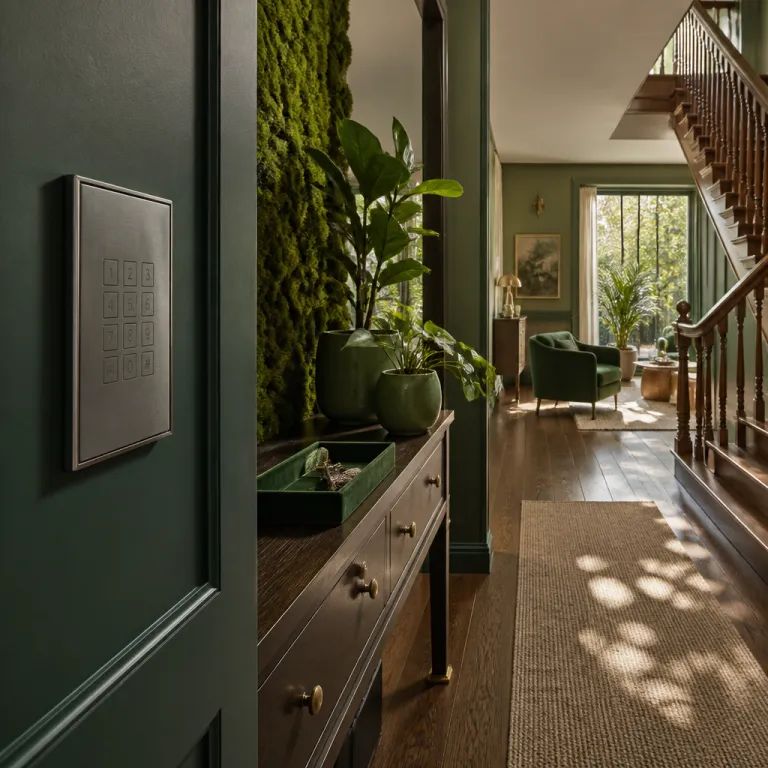
Why the burglar alarm keypad is the new luxury touchpoint
A refined burglar alarm keypad has become a tactile signature of a serious luxury residence. In high end homes, the keypad and the broader intrusion alarm system must merge aesthetics, security, and effortless control in a single elegant interface. Owners now expect keypads and full alarm systems to feel as considered as their lighting, art, and furniture.
Design focused brands treat every keypad as a piece of interior jewelry, whether it is a wired panel in a marble hallway or a wireless unit near a glass pivot door. The best alarm keypads use metal finishes, low profile frames, and carefully calibrated backlighting so the security systems feel visually quiet during the day yet perfectly legible at night. When you compare products from Honeywell and DSC, such as the Honeywell 6290W touchscreen or DSC HS2LCD full message keypad, the difference in materials, message LCD clarity, and touchscreen alarm responsiveness becomes immediately obvious to a discerning eye.
Luxury buyers rarely accept a basic alarm keypad with plastic buttons and a harsh LCD display. They want a keypad that offers a quick view of status, a full message display, and seamless prox support for fobs or cards, all while remaining discreet on the wall. In this segment, the keypad is judged like any other design object, and the list price often reflects the sophistication of the alarm monitoring features and the integration with whole home security systems.
- + Reliable fixed-display keypad
- + Compatible with many Ademco/Honeywell alarm control panels
- + Simple and intuitive numeric interface
- + Clear LED indicators and audible tones for status feedback
- + Sturdy construction for long-term use

Designing keypad control around architecture and daily rituals
In a well planned residence, the burglar alarm keypad layout follows the architecture and the owner’s rituals, not the installer’s convenience. A primary touchscreen alarm panel might sit near the main door, while secondary keypads are placed by the garage, master suite, and private office for quick arming and disarming. This zoning of control across multiple systems keeps security powerful yet unobtrusive.
Architects often specify hardwired keypads in stone or timber feature walls, then complement them with wireless keypads in glass heavy extensions where cabling would compromise the design. When you view DSC PowerSeries Neo (HS2016/HS2032/HS2064/HS2128) or PowerSeries Pro (HSM2HOST9) installations in such homes, you see how a single alarm system can mix hardwired and wireless products while maintaining a consistent design language. For more complex smart home control, many owners pair these security systems with a dedicated smart hub that centralizes lighting, climate, and alarm keypad events.
Interior designers now request specific keypad finishes and even a defined SKU list so that every alarm keypad, touchscreen, and message LCD panel aligns with the chosen metalwork and switchgear. They will compare the price of a Honeywell keypad such as the Honeywell Tuxedo or 6160 full message LCD against a comparable DSC unit like the HS2TCHPRO, then decide whether the full message LCD, prox support, or PowerG transceiver range justifies the premium. This design led approach ensures that security systems enhance, rather than interrupt, the architectural narrative of the property.
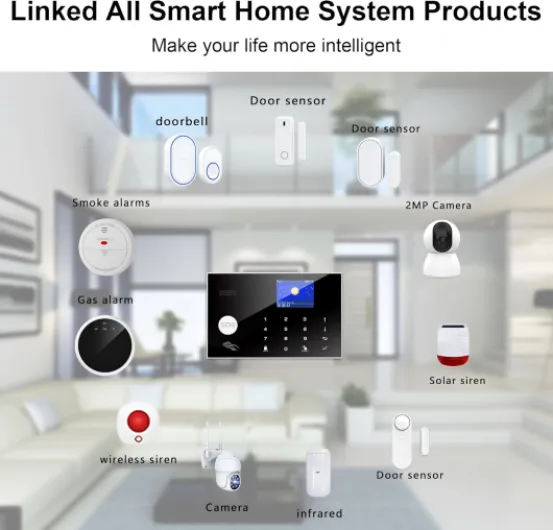
- + Wireless 13-piece kit (PIR, door/window sensors, remote, camera, siren)
- + GSM/SMS alerts plus WiFi connectivity for notifications
- + Includes camera for visual verification
- + Suitable for apartment, garage, and office use
- + Plug-and-play style kit — good for basic home setups
Touchscreen elegance versus classic LCD keypads
Luxury clients often ask whether a modern touchscreen alarm panel is genuinely better than a traditional LCD keypad. The answer depends on how they interact with the alarm system and how much visual feedback they expect from the interface. A well executed touchscreen alarm can provide a quick view of zones, cameras, and scenes, while a classic message LCD keypad offers tactile certainty and long term reliability.
High resolution touchscreen products from Honeywell and DSC now present a full message interface with intuitive icons, making it easier for guests and staff to understand the alarm status at a glance. These panels often integrate a PowerG transceiver or transceiver prox module, allowing wireless sensors and prox support credentials to work seamlessly across large properties. When you view DSC PowerSeries Neo full message touchscreens such as the HS2TCHP next to older keypads, the difference in clarity, response time, and perceived value is striking.
That said, many collectors still prefer a mix of touchscreen alarm panels in public areas and more understated LCD keypads in private zones. They appreciate the reassuring click of physical keys, the simple message LCD readout, and the way a hardwired keypad can disappear into a dark corridor. For those who want a broader smart home interface beyond the alarm keypad itself, a wall mounted smart control panel or tablet can complement the security systems without replacing their certified alarm keypads.
Honeywell versus DSC in high end security systems
Among luxury integrators, the comparison between Honeywell and DSC alarm keypads is a recurring theme. Both brands offer robust alarm system platforms, but their keypad design philosophies and product ecosystems differ in ways that matter to demanding homeowners. Understanding these nuances helps you choose the right control experience for each residence.
Honeywell keypads often emphasize user friendly interfaces, with large buttons, clear LCD or full message displays, and strong prox support options for staff and family members. Many Honeywell systems, including Vista and ProSeries platforms, integrate smoothly with broader home automation controllers, making it easier to link alarm monitoring events with lighting scenes or climate adjustments. DSC, on the other hand, is renowned for its PowerSeries Neo and PowerSeries Pro lines, which combine flexible wired and wireless architectures with advanced PowerG transceiver technology for extended range and reliability, often quoted at up to 2 km line of sight in professional documentation.
When you view DSC product sheets or a quick view DSC interface, you notice a focus on granular control, zone customization, and professional grade security. Integrators often specify DSC PowerSeries Neo full message LCD keypads such as the HS2LCDRF9 in technical spaces, then pair them with sleeker touchscreen alarm panels in living areas. In both ecosystems, the SKU structure, list price tiers, and available keypads allow you to tailor the alarm system to each room’s role, from a discreet door keypad in a wine cellar to a feature rich touchscreen near the main entrance.
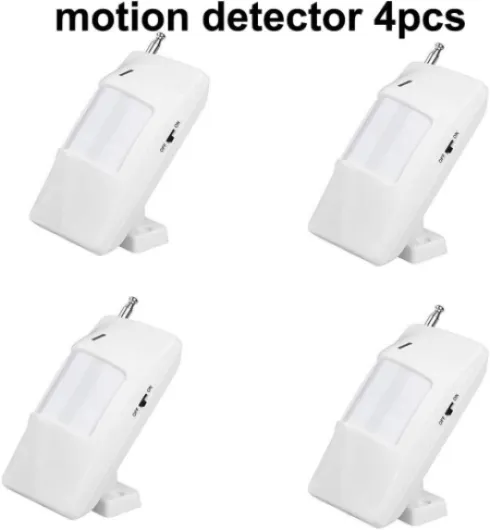
- + Large coverage — supports up to 99 wireless + 7 wired zones for bigger properties
- + GSM 3/4G & SMS alerts — auto-dial and SMS notifications deliver fast alarms
- + Wireless & remote — sensor kit with remote control for convenient arming/disarming
- + Auto-dial feature — calls preset numbers automatically when alarm triggers
- + Expandable — kit format typically allows adding extra detectors and sensors
From price and SKU to real world luxury experience
High net worth buyers rarely choose an alarm keypad based solely on list price or a glossy brochure. They want to understand how each keypad, LCD display, and touchscreen alarm will feel in daily use, from early morning departures to late night arrivals. That is why serious integrators present live keypads and systems in showrooms, allowing clients to view alarm states, test prox support, and experience the quick view interfaces firsthand.
In these environments, every product SKU is curated, from entry level wired keypads to flagship wireless touchscreen panels with integrated PowerG transceiver modules. Clients can compare the tactile feedback of different keypads, the brightness of each message LCD, and the responsiveness of touchscreen alarm gestures under varied lighting. As one CEDIA certified integrator summarized in an internal training session, “once clients feel the difference between a commodity keypad and a flagship DSC or Honeywell panel, the conversation shifts from price to experience.” They quickly see how a higher price often reflects better materials, clearer full message displays, and more sophisticated alarm monitoring options rather than just a badge from Honeywell or DSC.
For many, the ability to add wishlist items from a tested selection of alarm keypads and related products simplifies the specification process. They might shortlist a DSC PowerSeries Pro keypad for the secure garage, a Honeywell touchscreen for the main hall, and a compact wireless keypad for a secondary door. This curated approach turns a complex alarm system into a coherent, luxurious control experience that respects both budget and aesthetic priorities.
Integrating the burglar alarm keypad into the wider luxury tech ecosystem
In a truly connected luxury home, the burglar alarm keypad is only one of several high end interfaces. Owners may also wear smart glasses, carry premium smartphones, and use voice assistants, all of which can interact with the alarm system in subtle ways. A carefully configured ecosystem ensures that security remains robust while the technology feels invisible.
For example, a resident might use a smartphone app to view alarm status remotely, then rely on a physical keypad with prox support when entering through a private door. Some choose to pair their security systems with advanced wearable tech, such as AI enhanced smart glasses, to receive subtle notifications if the alarm system detects unusual activity. In these scenarios, the keypad remains the authoritative control point, while other devices provide complementary views and alerts.
Luxury focused integrators design these systems so that every keypad, touchscreen alarm, and message LCD panel shares a consistent logic and visual language. Whether the underlying platform is DSC PowerSeries Neo, PowerSeries Pro, or a Honeywell security system, the owner should feel the same confidence when they view DSC panels, view alarm states on a touchscreen, or glance at a compact LCD keypad. This harmony between physical keypads, wireless sensors, and digital interfaces is what elevates security from a necessary utility to a refined part of the home’s character.
Practical selection checklist for luxury alarm keypads
Selecting the right burglar alarm keypad for a luxury property starts with clarifying how each space is used. A main entrance may justify a large touchscreen alarm panel with a full message display, while a staff corridor might only need a compact LCD keypad with prox support. Thinking in terms of zones, roles, and daily patterns leads to a more coherent alarm system layout.
Next, evaluate whether each location is better suited to a wired or wireless keypad, taking into account wall finishes, renovation constraints, and the distance to the main control panel. In expansive estates, a PowerG transceiver or similar transceiver prox module can extend wireless coverage so that keypads and sensors remain responsive even in remote wings. For technical rooms, many professionals still prefer hardwired keypads from DSC PowerSeries Neo or PowerSeries Pro, while reserving sleeker wireless products from Honeywell or DSC for guest facing areas.
Finally, scrutinize the SKU list, price tiers, and integration options for each candidate keypad. Confirm that the message LCD or full message interface is readable under the ambient lighting, that the quick view status indicators are intuitive, and that the keypad works seamlessly with your chosen alarm monitoring provider. When these details align, the burglar alarm keypad stops feeling like a compromise and becomes a quiet, luxurious assurance every time you cross the threshold.
Key figures shaping luxury alarm keypad adoption
- According to Omdia’s Physical Security Equipment & Services research (2022), global professional security systems revenue exceeded 40 billion US dollars recently, with high end residential alarm system projects representing a growing share of that total. This aligns with integrator reports that luxury clients are allocating larger portions of project budgets to intrusion detection and keypad interfaces.
- Research from Parks Associates (Smart Home Buyer Journey, 2023) indicates that more than 30 percent of US broadband households now own at least one smart home security device, and adoption rates are significantly higher among luxury property owners who typically deploy multiple alarm keypads and control panels.
- A study by IHS Markit (Intruder Alarms – World – 2019) reported that hybrid wired and wireless intrusion systems, such as DSC PowerSeries Neo and comparable Honeywell platforms, account for over half of new professional alarm installations in upscale homes, reflecting the demand for flexible keypad placement.
- Surveys of custom integrators by the Custom Electronic Design and Installation Association (CEDIA, 2021) show that security and alarm monitoring are specified in the majority of large residential projects, often alongside whole home control and cinema systems, with keypad design now discussed as early as the initial architectural review.
FAQ about luxury burglar alarm keypads
What distinguishes a luxury burglar alarm keypad from a standard one ?
A luxury burglar alarm keypad typically offers higher quality materials, refined industrial design, and clearer LCD or touchscreen interfaces than standard models. It often supports advanced features such as prox support, multi language full message displays, and seamless integration with broader security systems. These keypads are also chosen to complement interior finishes, turning security into a design asset rather than a visual compromise.
Should I choose a wired or wireless keypad for a high end home ?
Wired keypads are ideal for new builds or major renovations where cabling can be concealed, offering long term reliability and minimal maintenance. Wireless keypads suit heritage properties or finished interiors where running cables would damage walls or stonework, especially when paired with a robust PowerG transceiver or similar technology. Many luxury projects use a hybrid approach, combining hardwired keypads in core areas with wireless units in extensions or glass heavy spaces.
Are touchscreen alarm panels reliable enough for primary security control ?
Modern touchscreen alarm panels from established brands such as Honeywell and DSC are engineered for continuous use and meet the same core reliability standards as traditional LCD keypads. They provide richer visual feedback, quick view status screens, and easier navigation for guests or staff who are unfamiliar with the system. For critical spaces, some owners still pair a touchscreen with at least one conventional keypad as a redundant control point.
How many alarm keypads does a large luxury property need ?
The number of alarm keypads depends on the property’s size, layout, and circulation patterns. As a rule, you should place a keypad near every primary entry door, in the master suite, and in any area where staff regularly enter or exit. Large estates often include additional keypads in garages, safe rooms, and technical spaces to ensure convenient control without long walks.
Can my alarm keypad integrate with other smart home systems ?
Most modern alarm systems from brands like Honeywell and DSC offer integration options with third party smart home platforms through APIs, hubs, or certified gateways. This allows the alarm keypad events to trigger lighting scenes, climate adjustments, or notifications on mobile devices and wearables. For best results, work with an experienced integrator who understands both security and whole home automation so that the systems remain secure while still feeling seamless.
