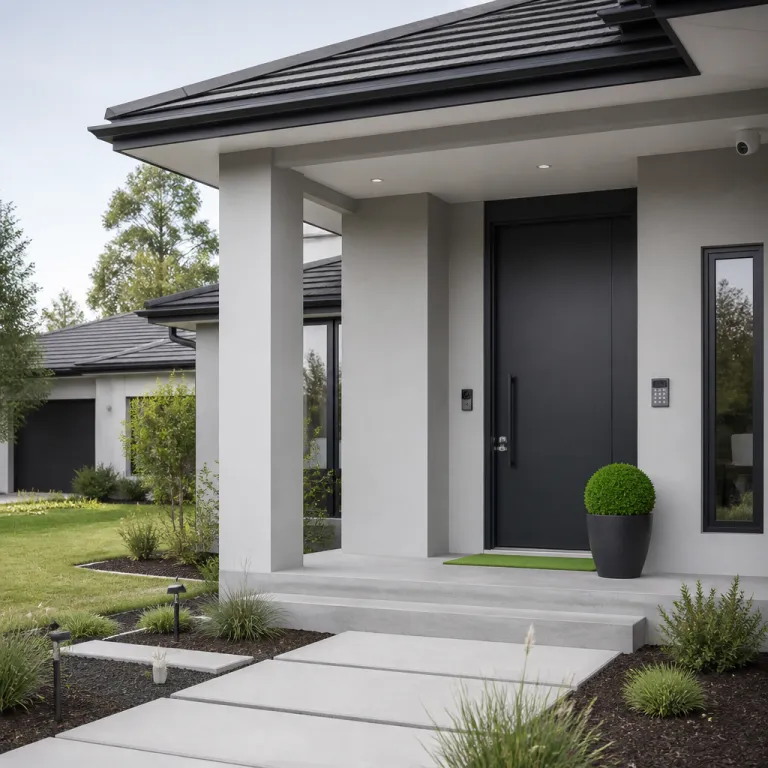
Understanding armed stay vs armed away in a luxury smart home
In a luxury residence, the choice between armed stay and armed away is less about basic protection and more about how discreetly the security system supports everyday living. When you arm the system in any mode, you are defining how every sensor, detector and connected device will behave while you move through your home or leave it completely unoccupied. Getting these arming modes right ensures that your security systems safeguard art collections, rare timepieces and architectural glass without generating constant nuisance alarms.
In a refined property, arm stay is typically used when occupants remain inside, while the system’s armed status concentrates on perimeter protection around doors, windows and other vulnerable entry points. In this stay mode, the alarm system usually ignores interior zones such as motion sensors in living rooms or galleries, yet it keeps perimeter sensors and window contacts fully armed to secure the shell of the building. This balance between interior comfort and perimeter security lets you stay relaxed while the system still reacts instantly to any unauthorized entry.
By contrast, arm away or away mode is designed for moments when the residence is empty, and every relevant sensor should participate in full arming. In this away configuration, interior motion detectors, glass-break sensors and specialized zones around staircases or private vault rooms all become active, creating layered protection around the entire property. Understanding how these modes interact with entry delay, instant mode and night mode is essential if you want a security system that feels tailored rather than intrusive.

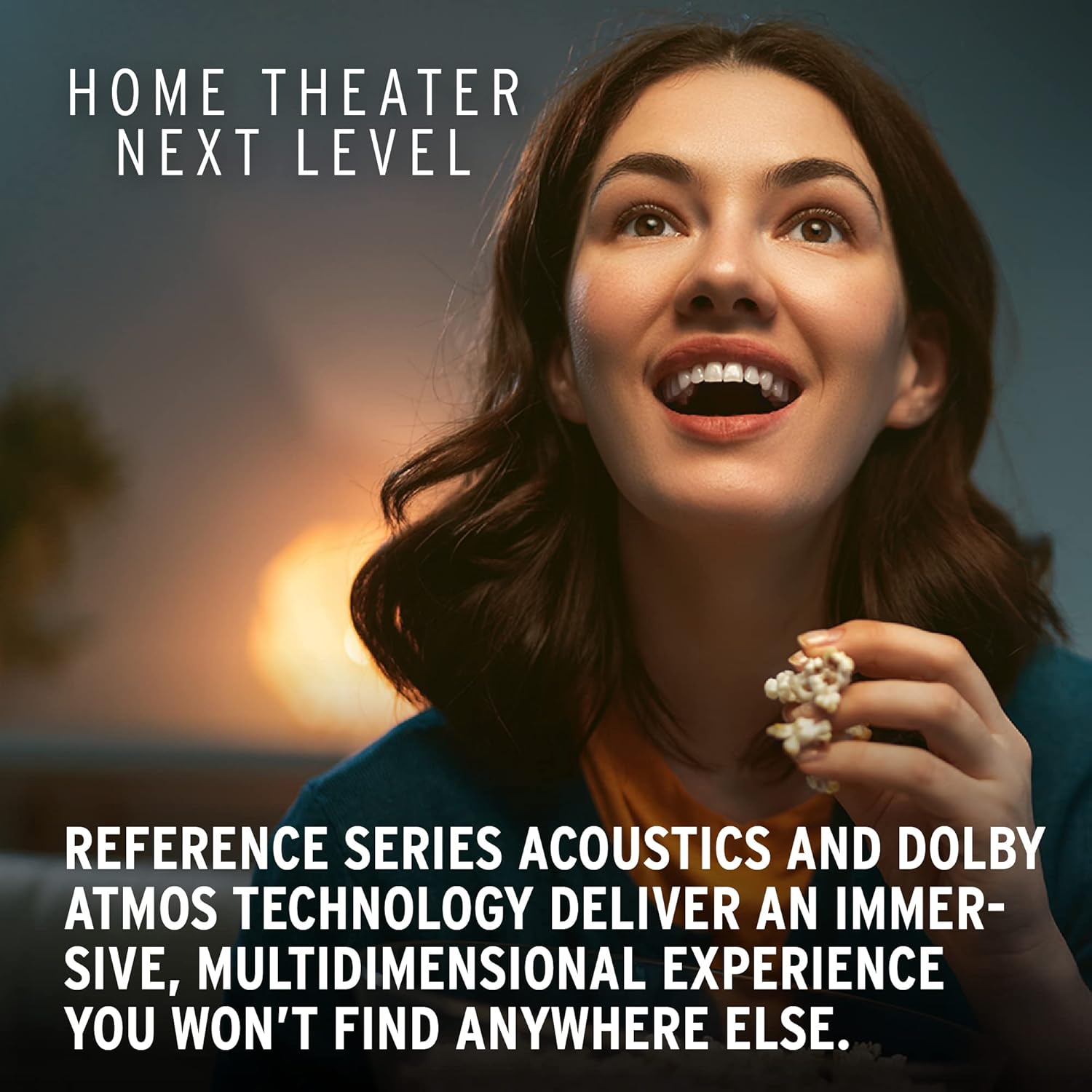
- + Immersion sonore grâce à Dolby Atmos
- + Configuration 5.1.4 offrant un son tridimensionnel précis
- + Qualité de référence adaptée au home cinéma
- + Supporte les formats haute résolution (Dolby Atmos, TrueHD)
- + Idéal pour films, séries et jeux

How stay mode protects daily life without disturbing luxury comfort
In a penthouse or large villa, stay mode is the quiet guardian that protects the perimeter while you enjoy the interior without restriction. When you choose to arm stay, the security system focuses on exterior doors, windows, terrace access and any ground level entry zones that could be exploited by intruders. These perimeter sensors and window detectors remain armed, while interior zones such as motion sensors in lounges, home cinemas or spa areas are intentionally left unarmed.
This selective arming prevents false alarms when family members or staff move freely through the property, yet the armed perimeter still reacts to any forced entry. Many luxury security systems allow you to customize stay profiles, assigning different arming behaviors to guest wings, staff corridors or underground garages. In a well designed system, you can even create a refined night mode that behaves like an advanced stay mode, securing the lower floors and exterior entry points while leaving bedroom corridors and dressing rooms free of active motion sensors.
For owners of complex estates, the ability to program multiple stay modes is invaluable, especially when combined with smart lighting and shading scenes. You might arm stay for the main residence while leaving a detached studio in away mode, or use a shorter entry delay for a private side door used only by trusted staff. In one documented project, a high-end integrator configured three distinct stay profiles for a 12,000-square-foot home, cutting false alarms by roughly 40% over six months simply by aligning these modes with real-world movement patterns.
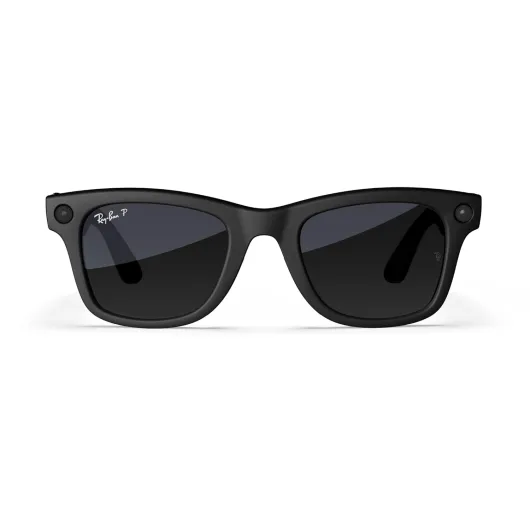
- + Iconic Wayfarer design with a sleek matte black finish
- + 12 MP camera for high-quality still photos
- + Video recording capability for hands-free capture
- + Open-ear speakers allow ambient listening and situational awareness
- + Bluetooth connectivity for easy pairing with phones
Why away mode is the backbone of full perimeter and interior protection
When the last person leaves a luxury property, away mode becomes the primary shield that protects both perimeter and interior spaces. In this armed away configuration, the alarm system activates motion sensors, glass-break detectors and any specialized interior zones that remain idle during stay mode. The goal is simple yet demanding: the system will treat any movement inside as suspicious because no one should be there.
For large residences with multiple levels, away profiles often include layered arming strategies that differentiate between public areas, private suites and high value storage. Interior zones around wine cellars, safe rooms or art storage can be configured with shorter entry delay times or even instant mode, triggering the alarm immediately if breached. Meanwhile, standard entry–exit routes such as the main door or garage benefit from a carefully tuned entry delay that allows owners to disarm the security system comfortably upon returning.
Luxury focused security platforms increasingly integrate away mode with environmental and wellness sensors, creating a holistic approach to protection. Motion sensors and perimeter detectors can work alongside air quality monitors or acoustic sensors, as explored in analyses of motion sensitivity and smart home elegance. In such designs, the armed state during away mode not only guards against intrusion but also monitors for leaks, smoke or abnormal temperature changes across multiple zones.
Fine tuning entry delay, instant mode and night mode for refined living
For luxury tech enthusiasts, the real sophistication in armed stay vs armed away lies in how timing and modes are calibrated. Entry delay defines how long you have between crossing an armed entry point and disarming the alarm system, and this timing must reflect the actual distance from doors or windows to the nearest keypad or smartphone control. Too short a delay creates stress and potential false alarms, while too long a delay weakens the security system during critical seconds.
Instant mode removes the entry delay entirely for selected zones, making the system’s response immediate when a protected door or window opens. This is particularly relevant for secondary entry–exit points that should never be used casually, such as terrace doors near a pool or discreet service entrances. Many high end security systems allow instant mode to be combined with night mode, so that certain doors and windows trigger an alarm instantly after dark while others retain a modest entry delay for family members.
Night mode itself is often a hybrid between arm stay and arm away, tailored for when occupants sleep but still want strong perimeter and partial interior protection. You might configure night mode so that ground floor interior zones and perimeter sensors are armed, while upper floor motion sensors remain unarmed to allow movement between bedrooms. A practical example for a three level home could include a 45–60 second entry delay on the main front door, a 20–30 second delay on the garage, instant mode on terrace and balcony doors, and a simple zone map that groups “Perimeter – Ground Floor,” “Perimeter – Upper Floors,” “Interior – Daytime Living,” “Interior – Night Restricted” and “High Value Storage,” each tied to specific stay, night and away profiles.
Designing zones, sensors and detectors for architectural elegance
In a luxury property, the physical design of zones, sensors and detectors must respect architecture and interior design as much as pure security. When planning armed stay vs armed away strategies, integrators divide the residence into logical zones that match how people actually move through the space. Entry zones, perimeter zones and interior zones are then mapped to specific arming modes so that each arm or disarm action feels intuitive rather than technical.
Perimeter sensors and window detectors can be recessed into frames or hidden within bespoke joinery, preserving clean lines around doors, windows and glass walls. Motion sensors may be integrated into ceiling coves, light fixtures or even decorative elements, ensuring that the armed state does not visually dominate the room. In stay mode, these interior detectors are usually bypassed, while in away mode they become critical components of the alarm system, especially in galleries, libraries and home offices.
Advanced security systems also support specialized detectors such as vibration sensors on safes, beam sensors across long corridors and contact sensors on cabinetry that holds valuables. Each of these can be assigned to different arming modes, allowing you to arm away certain storage areas even while the rest of the home remains in a relaxed stay configuration. The result is a layered security system where armed zones correspond precisely to the value and sensitivity of what they protect, without compromising the visual elegance of the property.
Minimizing false alarms while maintaining uncompromising protection
For luxury homeowners, false alarms are more than a nuisance; they can damage relationships with neighbors and private security teams. The distinction between armed stay vs armed away is one of the most effective tools for reducing false alarms without weakening the security system. By using stay mode intelligently, you allow normal movement in interior zones while keeping the perimeter armed, which dramatically lowers the chance of accidental triggers.
Calibrating motion sensors, perimeter detectors and window contacts is equally important, especially in homes with pets, automated curtains or large glass surfaces. Professional integrators adjust sensitivity levels, detection angles and entry delay timings so that the armed state responds to genuine threats rather than everyday activity. Many modern alarm systems also support adaptive arming modes that learn typical patterns over time, refining how each arm stay or arm away command behaves in practice.
Thoughtful placement of keypads and mobile app controls near primary entry–exit points helps residents manage arming and disarming without rushing. When owners understand how each mode will affect specific zones, they are less likely to bypass the security system entirely out of frustration. As one senior installer notes, “When clients can see exactly which rooms are live in stay, night and away modes, they stop fighting the system and start using it properly,” a shift that directly reduces unnecessary alarms while preserving robust protection.
Integrating armed modes with concierge level monitoring and response
At the top end of the market, armed stay vs armed away decisions are closely linked to concierge style monitoring and rapid response services. A professionally monitored security system can interpret whether the property is in stay mode, away mode or night mode and adjust its escalation protocols accordingly. For example, an alarm from a perimeter sensor while the system is armed in stay mode might trigger a discreet phone call first, while an interior motion alert during away mode could prompt immediate dispatch.
Luxury focused security systems often integrate with private patrols, on site staff and even building concierges in premium residences. Clear communication about which zones are armed and which arming modes are active helps these teams avoid unnecessary interventions and false alarms. When the system’s armed state changes from arm stay to arm away, the monitoring center can update its expectations about who should be present, which entry–exit routes are legitimate and how long an entry delay should last before treating an event as hostile.
For tech savvy owners, app based dashboards provide real time visibility into every arm, mode and zone across multiple properties worldwide. You can review logs showing when the alarm system switched between stay mode, away mode and night mode, and how often specific doors, windows or detectors generated alerts. This level of transparency reinforces trust in the security system and supports data driven refinements, ensuring that armed modes remain aligned with evolving lifestyles, travel patterns and the unique rhythms of each residence.
Key figures on smart home security modes in premium properties
- Industry surveys from firms such as Parks Associates indicate that roughly two thirds of US broadband households with professionally monitored security systems regularly use more than one arming mode, underlining the practical importance of armed stay vs armed away configurations.
- Analyses by European security agencies suggest that professionally monitored alarm systems can reduce successful burglary rates by 30–50% when both perimeter and interior zones are armed in a coordinated way.
- Guidance from the British Security Industry Association notes that the majority of police alarm activations are ultimately classified as false, which highlights why correct use of stay mode, away mode and night mode is critical in luxury environments.
- Market research from organizations such as IHS Markit consistently shows that motion sensors and door–window detectors account for well over half of installed intrusion devices in residential security systems, confirming their central role in both arm stay and arm away strategies.
- Testing laboratories including UL report higher user satisfaction for systems that offer configurable entry delay and instant mode options, with homeowners in large multi zone properties rating these features among the top contributors to ease of use.
FAQ about armed stay vs armed away in luxury smart homes
How should I decide between arm stay and arm away in daily use ?
Use arm stay when you are inside the property and want perimeter protection without activating interior motion sensors, and use arm away when everyone leaves and you need both perimeter and interior zones armed. In practice, stay mode suits evenings, working from home or entertaining, while away mode is ideal for travel, weekends elsewhere or long business trips. The key is to map each mode to realistic movement patterns so the security system feels natural rather than restrictive.
Can I customize zones so that some areas are always armed ?
Most advanced security systems allow you to define specific zones, such as safes, wine cellars or equipment rooms, that remain armed even when the rest of the home is in stay mode. These zones can use instant mode or shorter entry delay settings to react faster to intrusions. This approach lets you maintain strong protection for high value spaces without overarming the entire interior.
How do I reduce false alarms without weakening protection ?
Start by ensuring that motion sensors and window detectors are correctly positioned and calibrated for pets, curtains and reflections from glass or water. Then refine your arming modes so that stay mode focuses on perimeter sensors while away mode activates interior zones only when the property is empty. Regular reviews with your integrator help adjust entry delay, night mode and instant mode settings as your lifestyle evolves.
Is night mode really different from standard stay mode ?
Night mode is usually a specialized version of stay mode that assumes occupants are sleeping and movement will be limited to certain areas. Many systems arm ground floor interior zones and all perimeter sensors while leaving bedroom corridors and bathrooms unarmed. This configuration provides stronger protection than a relaxed stay mode but remains more comfortable than a full away profile.
What role does professional monitoring play in armed stay vs armed away ?
Professional monitoring centers use information about which mode is active to interpret alarms more accurately and respond appropriately. An alert from a system armed in away mode suggests a higher risk than a similar alert during stay mode, so response protocols differ. For luxury properties, this nuance helps avoid unnecessary interventions while ensuring rapid action when a genuine threat occurs.