Summary
Editor's rating
Is it worth the price or just a fancy toy?
Classic Wayfarer look with hidden tech
Battery life: fine for a day, not for marathon usage
Comfort: light enough, but not "I forget them all day" level
Build quality and how they hold up in real life
Camera, audio and AI: strong in some areas, just okay in others
What these glasses actually do day to day
Pros
- Look like normal Ray-Ban Wayfarers while packing camera, audio, and AI features
- Hands‑free photos and 3K video are very practical for walks, travel, and daily life
- Open‑ear audio and 5‑mic array give solid call quality and decent music/podcast listening
Cons
- Battery drops fast with continuous audio or heavy video use
- High price compared to using separate sunglasses, earbuds, and a phone camera
- Some AI and translation features are limited or unavailable in certain countries

Specifications
View full product page →| Brand | Meta |
Smart glasses that actually look normal
I’ve been using the Ray-Ban Meta (Gen 2) Wayfarer AI glasses for a bit now, mainly for walks, commuting, and some short trips. I went in with mixed expectations: part of me thought “this is just a toy”, and part of me hoped I’d finally stop pulling my phone out every two minutes. The model I tried is the matte black Wayfarer style with polar gradient graphite lenses, so basically they look like regular Ray-Ban sunglasses from a distance.
The first thing that hit me is how normal they look on the face. People don’t instantly clock that there’s a camera and speakers in there, unless they know this product already or notice the little LED when you record. That’s a big plus for anyone who doesn’t want to look like they’re wearing some sci‑fi headset. Weight-wise, they’re light enough that after an hour or two I forgot I had electronics sitting on my nose.
Function-wise, I mostly used them for three things: taking quick hands‑free photos and short videos, listening to podcasts/music while walking, and answering calls. I also played with the Meta AI voice assistant and the translation feature, but those were more “nice experiments” than daily essentials. Compared to just using my phone, the biggest difference is you capture and listen without ever taking anything out of your pocket, which is genuinely practical.
They’re not perfect, though. Battery is decent but not crazy, the audio is good but not on the level of decent earbuds, and the whole thing really depends on whether you’re okay living inside Meta’s ecosystem and app. If you just want sunglasses, this is overkill and too expensive. If you like gadgets and you’re already using Instagram/WhatsApp a lot, they start to make more sense.
Is it worth the price or just a fancy toy?
Let’s be blunt: these glasses are not cheap. For the price, you could buy a solid pair of normal Ray-Bans plus a decent pair of wireless earbuds, and still have money left for a budget action camera. So the real question is: does having everything combined into one product justify the cost? For some people, yes. For others, it’ll feel like overpaying for convenience and novelty.
If you actually use the main features regularly — hands‑free photos and videos, audio for music/podcasts, calls, and occasional AI/translation — then the value starts to make sense. I found myself capturing more small moments (walks, cooking, DIY) because I didn’t have to pull my phone out. For hiking or travelling, being able to record what you see without holding anything is genuinely practical. If you’re into social media or content creation, that alone might justify it.
On the other hand, if you mostly wear sunglasses just to block the sun and you rarely take photos or calls on the go, this is overkill. You’ll be paying for features you barely use. Also, some countries don’t support all Meta features, which directly reduces the product’s value if you live there. That Amazon review about certain features not being allowed in their country is a good reminder to check the feature availability where you live before buying.
So in terms of value for money, I’d say it’s decent but not amazing. You’re paying a premium for the Ray-Ban name plus the tech integration. If you’re a gadget fan, already deep in Meta/WhatsApp/Instagram, and you like the idea of recording and listening hands‑free, you’ll probably be happy with the purchase. If you’re price‑sensitive or not into wearables, there are cheaper ways to solve the same problems with separate devices.

Classic Wayfarer look with hidden tech
The design is honestly the part that works best. These are basically standard Wayfarers that have been stuffed with electronics, but they still look like normal sunglasses. The version I used is the matte black frame with polar gradient graphite lenses, which is pretty neutral and goes with pretty much any outfit. No flashy LEDs or bulky arms screaming “I’m wearing a gadget”, unless you look closely at the thicker temples and the small camera on the front.
The frame is a bit chunkier than regular Ray-Bans, especially in the arms where the speakers and battery live. But on the face, it doesn’t look silly. From conversations I had, people only noticed something was different when they were standing close. The LED that lights up when recording is visible but small. It’s good for privacy (people know you’re filming), but if you’re shy, you might feel slightly awkward pointing your face at someone with that light on.
Buttons and controls are straightforward. There’s a physical button on the side you can press to snap photos or start/stop video, and touch areas for some controls depending on the settings. The physical button is the one I used the most because it’s the most reliable, especially when you don’t want to shout “Hey Meta” in public like a weirdo. Everything feels reasonably solid, not cheap plastic, even if you can tell it’s more techy than a basic pair of shades.
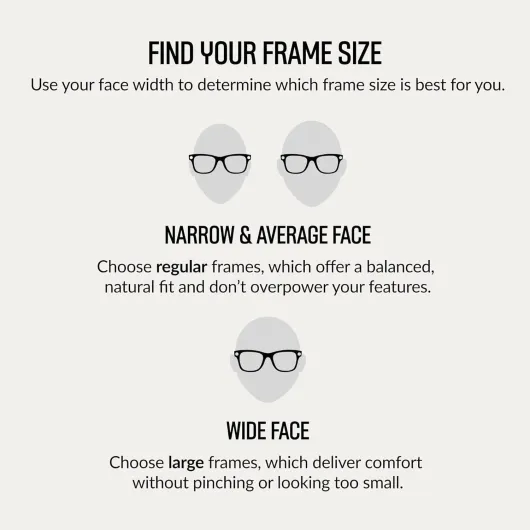
In terms of colours and versions, the lineup is broad: multiple colourways, clear/polarized/Transitions lenses, and standard or large sizes. That’s nice because these are still fashion items at the end of the day. But just be aware: once you add prescriptions or specific lenses, the bill climbs fast. So while the design is pretty solid and discreet, you’re paying a premium for that mix of looks and tech.
Battery life: fine for a day, not for marathon usage
Battery is always the weak spot with this kind of product, so I paid close attention to it. The official numbers say up to 8 hours of moderate use, about 5 hours of music, or 5 hours of calls on a single charge, plus around 48 extra hours from the charging case. In my real use (mix of photos, some short videos, maybe 1–2 hours of podcasts and a couple of calls), I was generally getting through a normal day without fully draining them, but they were usually in the 20–30% range by evening.
When I pushed them harder, like a half‑day hike with a lot of photos, a few videos, and constant music in the background, I could drain them in roughly 4–5 hours. That lines up with one Amazon review mentioning the battery drains fast when listening to audiobooks. Continuous audio is what really eats the battery, so if you plan to use them as your main music device all day, you’ll be charging them often. For shorter commutes or errands, it’s fine; for long workdays with constant use, it’s tight.
The charging case is handy. You drop the glasses in and they top up automatically, similar to wireless earbuds. The case itself holds around 48 extra hours, which means you don’t have to plug the whole thing in every day unless you’re a heavy user. The downside: the case is not tiny. It’s bigger than a normal Ray-Ban case, and it bulks up your bag or pocket a bit. Not a dealbreaker, but you notice it.
Overall, battery life is acceptable but not mind‑blowing. Compared to the first generation, it’s clearly better, but this still isn’t something you can abuse all day with constant video and music without thinking. If your use is “a few calls, some music, some photos”, you’ll be okay. If you want an all‑day audio player and camera in one, you’ll hit the limits.

Comfort: light enough, but not "I forget them all day" level
Comfort was one of my main worries before trying them, because smart glasses can easily end up heavy and annoying on the nose. These are around 48–51 grams depending on the exact version, which is heavier than regular Wayfarers but not by a huge margin. In practice, I could wear them for a few hours straight without feeling like my nose was being crushed. The weight is well distributed across the frame, and the arms don’t pinch my head too much.
Where I started to notice them was after a long day out, like 5–6 hours with only short breaks. At that point, the slightly thicker arms and extra weight remind you that this is not just a basic pair of sunglasses. It’s not painful, but I did feel the difference compared to my usual light plastic frames. If you’re very sensitive to weight on your nose or ears, that’s something to keep in mind. Trying the Standard vs Large fit is important if you can, because a bad size will make them much less comfortable.
For activities: walking, commuting, casual cycling, and errands were all fine. They sit well on the face and don’t slide much, even when I got a bit sweaty. For more intense sports (running, heavy workouts), they’re okay but not ideal. They stay on, but the extra weight and the fact that they’re not designed as sports glasses make them less comfortable than proper sport sunglasses. I used them for a light jog and they didn’t fall, but I was more aware of them bouncing slightly than with my usual running shades.
One more thing: because the speakers are in the arms, they need to sit fairly close to your ears. If you usually bend your sunglasses a lot or have a wider head, you’ll want to be careful not to stretch them too much, or you’ll reduce sound quality and comfort. Overall, comfort is pretty solid for smart glasses, but if you expect them to feel exactly like regular lightweight sunglasses, they’re not quite there.
Build quality and how they hold up in real life
For durability, they feel closer to real Ray-Bans than to a cheap gadget, but you still need to treat them with a bit of care. The frame is solid enough, the hinges feel decent, and nothing creaks when you open or close them. I tossed them in my bag (in the case) a few times and they came out fine. The lenses didn’t scratch easily during normal use, but I didn’t go out of my way to abuse them either. They’re not rugged sports glasses, so if you’re rough with your stuff, I’d be careful.
The electronics are where you want to be more cautious. You have a camera module at the front, microphones, and speakers in the arms. I wouldn’t want to sit on them or twist the arms too much. They’re not waterproof; they can handle a bit of sweat or light splashes, but I wouldn’t wear them in heavy rain or at the beach with waves. If you get caught in a drizzle, it’s probably fine, but this is not a product you want to soak.
One worrying point from the Amazon reviews: someone had the microphone die after about a week, plus Bluetooth dropouts. I didn’t hit that issue personally, but it shows that quality control is not perfect. That’s fairly common with early batches of tech products. If you buy them, I’d test calls, camera, and Bluetooth thoroughly in the first weeks so you can return or exchange if something is off. Also, keep in mind that support and returns will depend heavily on where you bought them and your local Amazon/Meta policies.
So in short: build feels pretty solid for a tech product in a small frame, but this is still electronics in a pair of glasses. Treat them like a phone you wear on your face, not like a cheap pair of throwaway shades. If you’re careful and use the case, they should hold up. If you’re the type who constantly drops or sits on glasses, you’ll probably break these faster than you’d like, and the repair/replace bill won’t be pleasant.
Camera, audio and AI: strong in some areas, just okay in others
Let’s talk about performance, because that’s what justifies the price. On the camera side, the 12 MP sensor with 100° ultra‑wide field of view does a good job for everyday shots. In good light, photos are sharp enough and colours are decent. The ultra‑wide angle means you capture a lot of the scene without thinking about framing too much, which I liked for hiking and city walks. For social media, it’s more than enough. At night or indoors with poor lighting, things degrade: more noise, softer details, and sometimes motion blur if you’re moving. So think of it as a good daytime camera, average at night.
Video up to 1536p looks clean for short clips. I used it mainly for 20–30 second POV videos while walking or cooking. Stabilization is okay but not at the level of a recent phone with advanced stabilization. If you’re walking normally, it’s fine. If you’re running or moving quickly, it gets shakier. The main advantage is the hands‑free side: you’re filming what you see without touching your phone, which is genuinely useful for tutorials, DIY, or trips where you need both hands.
Audio performance is better than I expected. The directional speakers are about 50% louder than the previous gen according to the specs, and you can feel it. For music and podcasts, sound is clear with a bit more bass than typical open‑ear audio sunglasses, but don’t expect the depth of good in‑ear buds. Where they shine is for calls: the 5‑mic array with noise reduction does a solid job of cutting wind and traffic. I did a call while walking near a busy road, and the other person heard me clearly most of the time. In heavy wind, it still struggles, but that’s normal.
The Meta AI and translation features are interesting but not essential for me. Saying “Hey Meta” to ask for simple info or to start a photo/video works most of the time, but there are occasional misfires or delays. The offline translation between the six languages is cool for travel, but it’s not magic: good for simple phrases, a bit clumsy for complex sentences. So overall, performance is good where it matters (camera, calls, basic media), with the AI side more like a bonus than a core reason to buy, at least in my use.
What these glasses actually do day to day
On paper, these Ray-Ban Meta Gen 2 Wayfarers pack quite a lot: 12 MP camera, 3K-ish video (1536p), open‑ear speakers, five microphones, Meta AI assistant, live translation, 32 GB storage, and a charging case. In real life, it boils down to a few core things. You press the button on the side (or use voice) to take photos or videos, you pair them over Bluetooth to your phone, and you control everything through the Meta View app. The app is where you pull your photos/videos off the glasses and tweak settings like resolution, LED privacy, and shortcuts.
The camera is good enough for casual use. Photos are sharp in daylight and the ultra‑wide field of view is handy for hikes, city walks, or capturing friends without having to stretch your arm. It’s not on the level of the latest iPhone or Pixel, especially in low light, but for social media and quick memories it’s totally fine. Video at 1536p looks clean if you’re not running around like crazy, and the stabilization is okay but not magic. It’s more “nice POV clips” than full‑on vlogging gear.
Audio-wise, the open‑ear speakers are clearly better than the first gen. Volume is strong enough outdoors, and you can follow podcasts or calls while still hearing traffic and people around you. There’s a bit of audio leak, so in a quiet bus or train, people next to you might catch what you’re listening to if the volume is high. The five‑mic array does a solid job for calls; people on the other end didn’t complain unless I was in heavy wind, and even then it was usable, just not crystal clear.
The Meta AI stuff and translation are the “fun features”. Saying “Hey Meta” actually works most of the time, and translation between supported languages (English, French, Italian, Spanish, German, Portuguese) is quick enough for simple interactions. But you need to remember: some features are not available in all countries, as one of the Amazon reviews mentioned. So depending on where you live, you might not get the full package, which is annoying if you bought them mainly for that.
Pros
- Look like normal Ray-Ban Wayfarers while packing camera, audio, and AI features
- Hands‑free photos and 3K video are very practical for walks, travel, and daily life
- Open‑ear audio and 5‑mic array give solid call quality and decent music/podcast listening
Cons
- Battery drops fast with continuous audio or heavy video use
- High price compared to using separate sunglasses, earbuds, and a phone camera
- Some AI and translation features are limited or unavailable in certain countries
Conclusion
Editor's rating
Overall, the Ray-Ban Meta (Gen 2) Wayfarer AI glasses are a pretty solid mix of classic sunglasses and useful tech. The best parts are the discreet design, the hands‑free camera, and the fact that you can listen to music or take calls without blocking your ears. For walking, commuting, and travel, they genuinely change how often you pull your phone out. Photo and video quality are good enough for everyday use, calls are clear, and the AI/translation features are a nice extra when they’re supported in your country.
They’re not perfect, though. Battery is okay but not great if you listen to audio for hours, audio quality is good but still behind proper earbuds, and durability is fine as long as you treat them carefully. Add to that the high price and the fact that some features are region‑locked, and it’s clear this is not for everyone. I’d recommend them to people who like gadgets, already use Meta services a lot, and really see themselves using the camera and audio daily. If you just need sunglasses and sometimes listen to music, you’re better off with a normal pair of shades plus separate headphones.