Why a Z Wave motion sensor belongs in a luxury residence
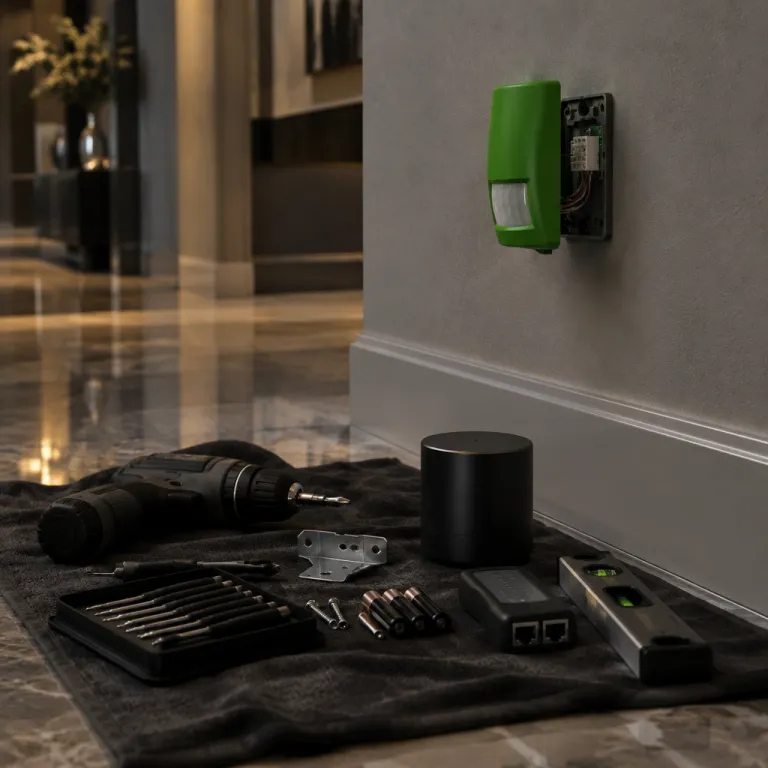
A refined smart home starts with invisible intelligence, and a Z‑Wave motion sensor is often the quiet star. In a high end residence, this discreet wireless device will orchestrate lighting, climate, and security scenes so that every movement feels anticipated rather than merely detected. The right motion sensor transforms a simple automation trigger into a choreographed experience where corridors glow softly, art walls highlight on cue, and privacy is preserved without manual switches.
Unlike basic sensors, premium Z‑Wave devices communicate over an encrypted mesh network managed by a central hub, which allows you to layer complex automation rules without latency or guesswork. Each motion event becomes structured data inside your smart home platform, enabling precise motion detection analytics, occupancy patterns, and even energy optimization for long range lighting zones. For luxury owners, this means the sensor is not just a gadget but a strategic component that protects art collections, secures outdoor motion paths, and supports concierge level comfort.
Design matters as much as function, so the best Z‑Wave motion sensor models use minimalist casings, subtle LED indicators, and flexible mounting options that respect interior architecture. You can tune each sensor unit to a specific mode, from ultra sensitive gallery protection to relaxed living room presence detection, without cluttering walls with industrial looking devices. When curated correctly, a series of sensors blends into the décor while quietly extending the long range intelligence of your estate.
Network architecture, long range coverage, and hub strategy for large estates
In expansive villas and multi wing penthouses, the Z‑Wave network design determines whether your motion sensor feels instant or frustratingly delayed. A Z‑Wave hub placed centrally will coordinate all devices, but luxury footprints often require strategic repeaters and powered devices to maintain long range reliability. Treat every powered switch, dimmer, and plug as a structural node that extends the mesh, especially along long corridors, garages, and service areas.
For properties with guest houses, pool pavilions, or detached garages, Z‑Wave Long Range (Z‑Wave LR) devices can bridge gaps that Wi‑Fi struggles with, particularly through stone walls and metallic façades. A carefully planned layout, where each motion sensor and smart switch reinforces the mesh, reduces packet loss and ensures that motion detection events trigger scenes without hesitation. When you integrate a superzoom camera system for perimeter monitoring, as described in this long range PTZ mastery for refined smart estates guide, the same network principles apply to keep surveillance and lighting perfectly synchronized.
Outdoor motion coverage introduces extra complexity because garden paths, sculptures, and water features can interfere with radio signals. Position each outdoor motion sensor unit under eaves or discreet architectural overhangs, where the Z‑Wave signal can still hop reliably between devices and back to the hub. In practice, a mix of indoor sensors, weather rated outdoor motion units, and smart switches creates a resilient long range backbone that supports both security and hospitality grade ambiance.
- + Wi-Fi connected for remote control and app access
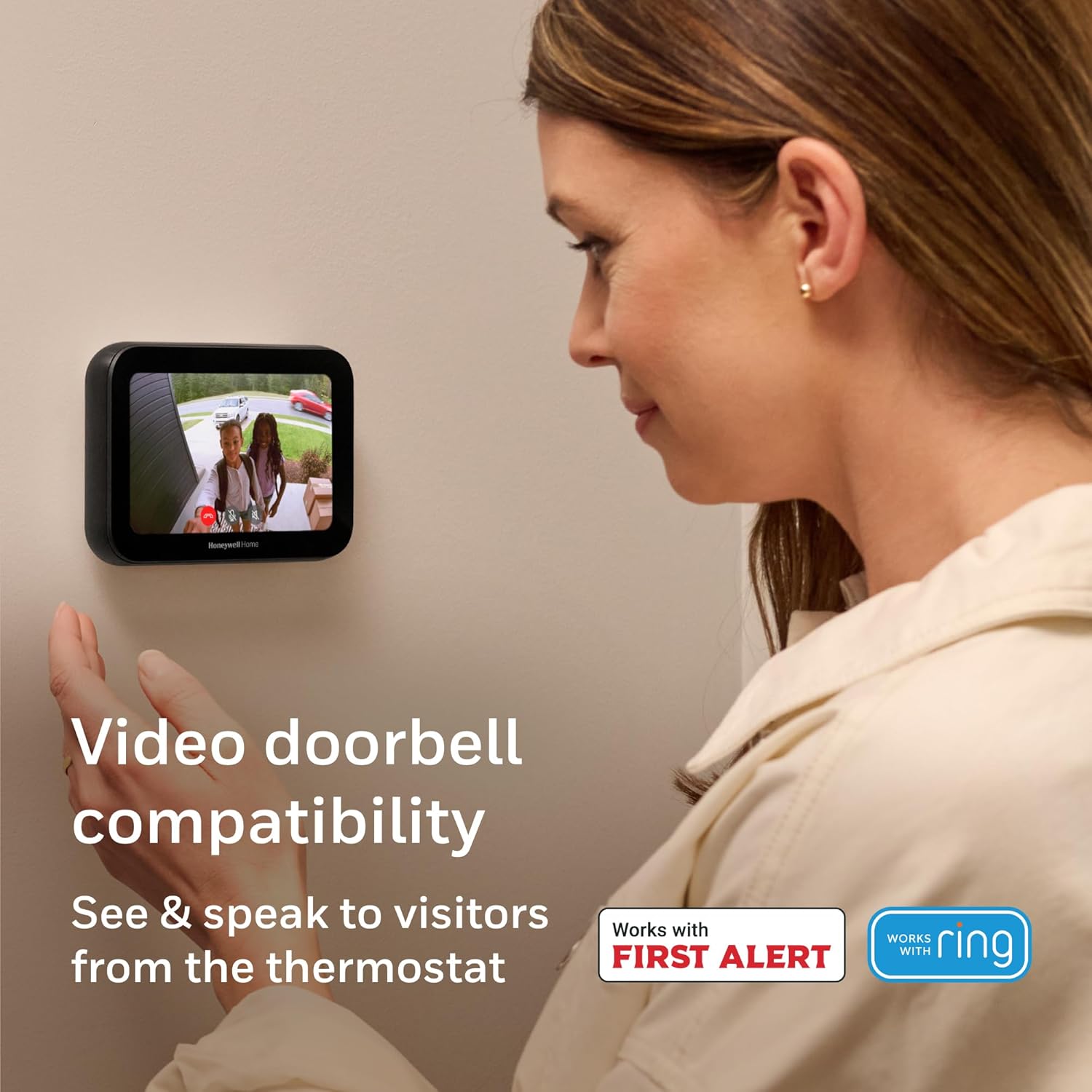
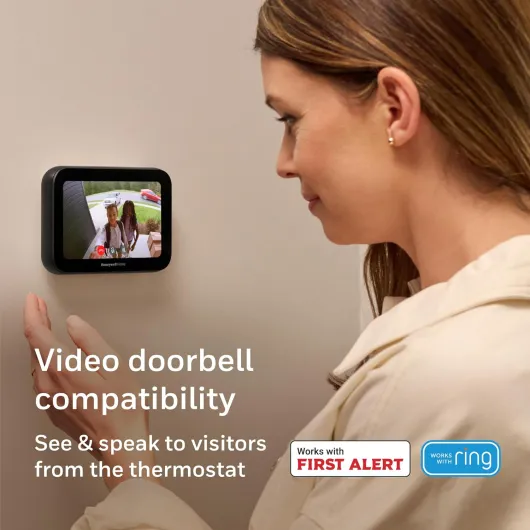
- + Video doorbell compatible to link entry alerts with the thermostat
- + IAQ control (indoor air quality) to monitor and manage air
- + Customizable touchscreen with an intuitive, modern interface
- + Sleek black design that fits contemporary interiors

Comparing Z Wave motion sensor elegance with other smart home standards
Luxury owners often ask how a Z‑Wave motion sensor compares with Zigbee or Wi‑Fi based sensors in real apartments and villas. Z‑Wave devices prioritize interoperability and controlled network density, which reduces interference in buildings already saturated with Wi‑Fi and Bluetooth audio. In contrast, Zigbee sensors can be excellent for dense lighting networks, as explored in this analysis of motion sensor elegance for the high end smart home, but they may require more careful channel planning in complex estates.
For a collector of luxury tech gadgets, the choice is rarely binary, because mixed ecosystems are becoming the norm. A Z‑Wave motion sensor can handle critical security and perimeter motion detection, while Zigbee sensors manage rapid indoor lighting scenes and Wi‑Fi cameras handle high resolution video, all orchestrated by a central hub. This layered approach lets you assign each sensor technology to the role where its radio characteristics shine most clearly.
From a design perspective, Z‑Wave devices often arrive in more understated casings, which suits minimalist interiors and gallery spaces. Many Zooz series products, for example, keep LED indicators subtle or fully configurable, so the device will not distract from art, sculpture, or bespoke cabinetry. When you pair these discreet sensors with a refined smartwatch for scene control, such as the model reviewed in this stylish GPS smartwatch with extended battery life guide, the entire smart home feels cohesive rather than cobbled together.
Inside the zooz series ZSE line: modes, led behavior, and factory reset discipline
Among enthusiasts, the Zooz series ZSE motion sensor line has become a reference point for balancing luxury friendly design with deep configurability. Each ZSE model, such as the Zooz ZSE18 or ZSE29, typically offers multiple mode profiles, allowing you to fine tune motion sensitivity, LED feedback, and re trigger intervals for different rooms. In a cinema room, for instance, you might set the device to a low sensitivity mode with disabled LED indicators, while in a dressing room you enable quick motion detection and a brief LED flash for visual confirmation.
Factory reset procedures deserve special attention in a curated estate, because an accidental reset can remove the device from the Z‑Wave network and break carefully crafted scenes. The Zooz series usually implements a clear factory reset sequence using a physical switch or button, which you should document in your smart home dossier alongside hub backup routines. Treat every Z‑Wave motion sensor as part of a critical infrastructure layer, not a disposable gadget, and you will avoid late night troubleshooting when guests are present.
Advanced owners often map different mode settings to time based automations, so the same motion sensor behaves differently at night than during the day. For example, the device will trigger low level pathway lighting after midnight, while during daytime the same motion event might only log occupancy for climate control. This nuanced use of modes, LED behavior, and factory reset discipline turns a simple series of sensors into a responsive, almost concierge like presence throughout the property.
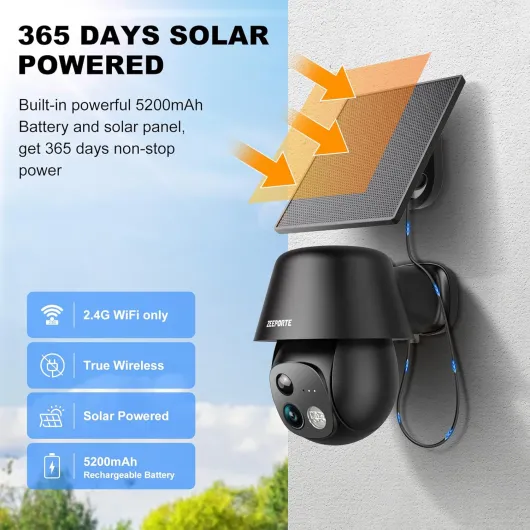
- + Solar-powered with battery backup for extended runtime
- + 2K resolution for sharper video and clearer details
- + 360° pan/tilt coverage reduces blind spots
- + AI motion detection for fewer false alerts
- + Spotlight & siren for active deterrence
Power strategy, battery life, and maintenance rituals for discreet reliability
Power management is where many luxury smart homes either excel quietly or fail visibly, and the Z‑Wave motion sensor sits at the center of that story. Battery powered sensors offer flexible placement, but you must plan for battery life and replacement cycles just as carefully as you plan for art lighting. In large estates, a structured inventory of devices, batteries, and expected replacement dates prevents the embarrassment of a dead sensor during a high profile event.
High quality batteries can extend the duration between maintenance visits, especially when you optimize each configuration for realistic motion patterns rather than maximum sensitivity. Reducing unnecessary LED flashes, lengthening re trigger intervals, and leveraging long range mesh nodes to minimize radio retries all contribute to better motion sensor battery life. For critical outdoor motion coverage, consider hybrid strategies where some sensors use mains power through a nearby switch or outlet, while others rely on batteries for flexible placement along garden paths.
From a sustainability and cost perspective, the unit price of premium batteries is less relevant than the operational stability they provide. When you calculate the price impact over several years, including staff time and potential security blind spots, investing in reliable batteries becomes an obvious choice. A disciplined maintenance ritual, where your équipe checks each Z‑Wave motion sensor, verifies network health, and replaces batteries on a schedule, keeps the entire system performing at a level that matches the rest of your luxury infrastructure.
Pricing, value, and how to evaluate a Z Wave motion sensor for luxury projects
For luxury buyers, the conversation around price and value is less about the lowest regular price and more about the total experience a Z‑Wave motion sensor enables. A sensor that integrates flawlessly with your hub, supports long range communication across the network, and offers flexible mode options will justify a higher unit price. When comparing models, look beyond the headline cost and examine build quality, LED refinement, motion detection accuracy, and the stability of the manufacturer’s firmware updates.
Retailers often list a regular price alongside a sale price, and it is tempting to focus on the apparent discount without considering long term implications. In practice, the regular versus sale distinction matters less than the cost of replacing unreliable devices, re commissioning automations, or dealing with inconsistent sensors in a complex estate. For a curated project, it is wiser to treat the motion sensor as a core infrastructure component, similar to a high end switch or access control panel, rather than as a commodity gadget.
When specifying equipment, document the regular price, any temporary sale price, and the expected lifespan of each device, including batteries and accessories. This allows you to calculate a realistic performance to cost ratio across the entire series of sensors deployed in the property. Ultimately, the value of a Z‑Wave motion sensor in a luxury context is measured by how seamlessly it supports security, ambiance, and daily rituals, not by a marginal difference in price at checkout.
Key figures and market statistics for Z Wave motion sensors in luxury homes
- According to the Z‑Wave Alliance device database, there are now more than 4,000 certified Z‑Wave products on the market, which gives luxury homeowners a broad ecosystem of compatible motion sensors, switches, and hubs to choose from (Z‑Wave Alliance, Device Certification Database, accessed 2024).
- Industry reports from Parks Associates indicate that professionally installed smart home systems can increase perceived property value by 3 to 5 percent, and motion detection based security is consistently ranked among the top three desired features in premium projects (Parks Associates, Smart Home Buyer Journey and Smart Home Premium Installations, 2022–2023).
- Independent testing by SmartThings and similar platforms has shown that Z‑Wave Long Range implementations can reach up to roughly 100 meters line of sight outdoors, which is particularly relevant for outdoor motion coverage in large estates and gardens (SmartThings developer documentation and field test summaries, 2023).
- Battery life for modern Z‑Wave motion sensor models typically ranges from 1 to 3 years under regular use, depending on motion frequency and LED settings, as stated in manufacturer datasheets for devices such as the Zooz ZSE18 and ZSE29 series.
- Market analyses from firms such as Statista project steady growth in smart home security devices, with motion sensors representing a significant share of new installations, especially in premium segments where integrated lighting and surveillance scenes are standard (Statista, Smart Home Security Devices Market Outlook, 2023).
FAQ about Z Wave motion sensors in luxury smart homes
How reliable is a Z Wave motion sensor in a large luxury property ?
Reliability in large estates depends primarily on the quality of the Z‑Wave network design and the placement of repeaters and powered devices. When the hub is positioned correctly and long range nodes are used strategically, Z‑Wave motion sensors can deliver near instant motion detection across multiple floors and outbuildings. Professional planning ensures that every hop remains within specification, even in properties with thick stone walls or extensive glazing.
Can Z Wave motion sensors handle outdoor motion in harsh environments ?
Many Z‑Wave devices are rated for outdoor motion use, but you must verify the IP rating and operating temperature range for each model. Proper mounting under eaves or architectural overhangs protects the sensor from direct rain and sun, which improves both motion detection stability and battery life. In demanding climates, combining outdoor motion sensors with wired power or sheltered locations will extend longevity significantly.
How often do I need to replace batteries in Z Wave motion sensors ?
Under regular residential use, high quality batteries in a Z‑Wave motion sensor typically last between one and three years. Factors such as motion frequency, LED activity, and radio retransmissions across the network can shorten or extend this duration. Luxury homeowners often adopt a preventive schedule, replacing batteries annually in critical zones to avoid unexpected downtime.
Are zooz series ZSE sensors suitable for high end interior design ?
The Zooz series ZSE line is generally well suited to premium interiors because the casings are compact and the LED indicators are configurable or discreet. Designers appreciate that each unit can be tuned in mode and sensitivity, which allows them to hide devices in corners or above door frames without compromising performance. When integrated thoughtfully, these sensors support the aesthetic rather than competing with it.
What happens if I perform a factory reset on a Z Wave motion sensor by mistake ?
An accidental factory reset removes the sensor from the Z‑Wave network, which breaks any automations or scenes linked to that device. To recover, you must re include the motion sensor into the hub, re assign it to the correct rooms, and restore any custom mode or LED settings. Keeping a documented configuration and labeling each device helps your équipe resolve such incidents quickly without disrupting the overall smart home experience.