Choosing the right assistants for high end smart homes
Curating the right mix of voice assistants is now as important as selecting lighting designers. In a luxury residence, google assistant, amazon alexa, and apple siri each bring distinct strengths to the overall system, and the best voice controlled smart environments often combine them rather than relying on a single ecosystem. This multi assistant strategy lets every resident use the voice and language processing they prefer while still maintaining unified control smart capabilities.
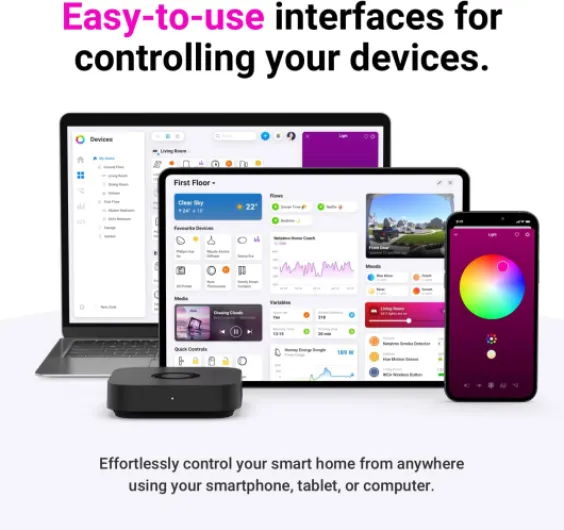
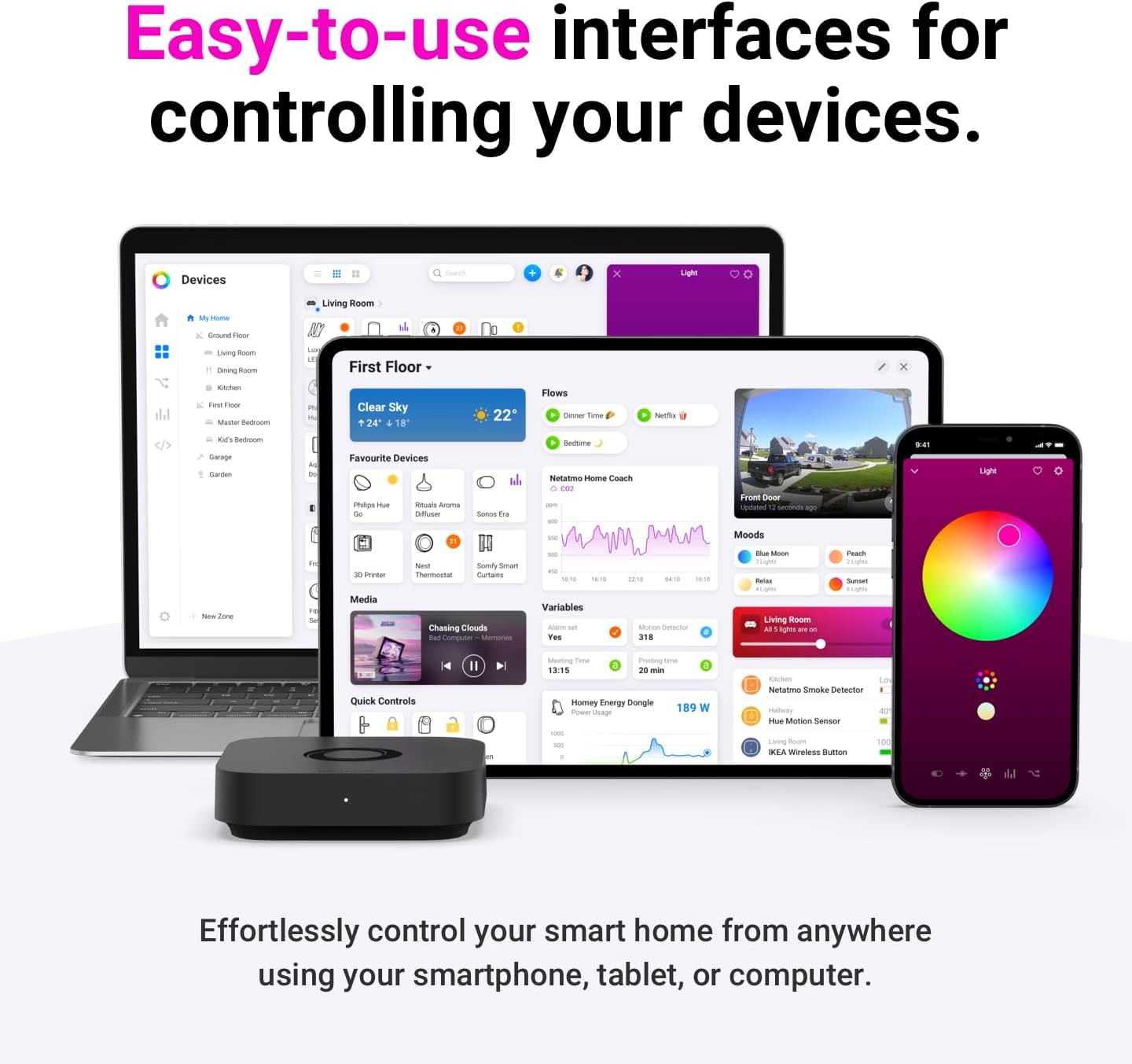
For example, a central hub compatible with Apple HomeKit, Google Assistant, and Amazon Alexa can act as the brain for all smart devices. A premium multi protocol hub such as the one reviewed as a test pro smart home hub for advanced home automation can bridge Z-Wave, Zigbee, Wi Fi, Matter, and infrared systems into a single automation fabric. In such a configuration, any compatible voice assistant can issue voice commands to any connected device, from a smart speaker in the kitchen to a hidden projector lift in the lounge.
Luxury owners should evaluate how each assistant handles privacy, security, and voice recognition in real spaces. Google Assistant often excels at contextual natural language queries, while Amazon Alexa offers broad device support and robust skills, and Apple Siri with Apple HomeKit focuses strongly on on device processing and encryption. When these assistants are deployed thoughtfully across rooms and devices, they create smart voice experiences that feel tailored, secure, and effortlessly controlled smart for every member of the household.
Designing seamless control smart experiences room by room
Room specific design is where the best voice controlled smart environments truly differentiate themselves. A cinema room might prioritize a high fidelity smart speaker array and low latency voice recognition, while a spa bathroom focuses on humidity resistant devices and subtle speech based automation scenes. Each space becomes a curated stage where the voice assistant, the device layout, and the control system are tuned to the room’s purpose.
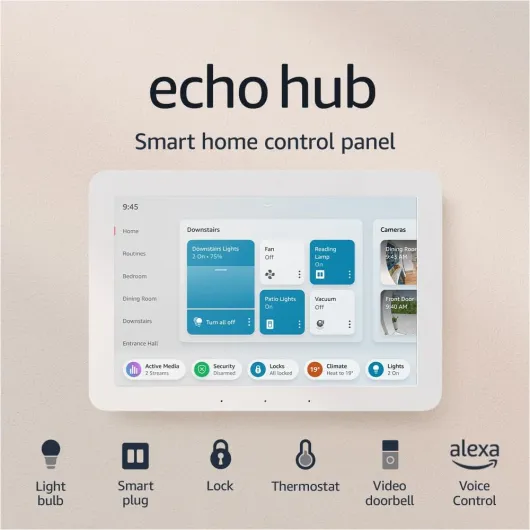
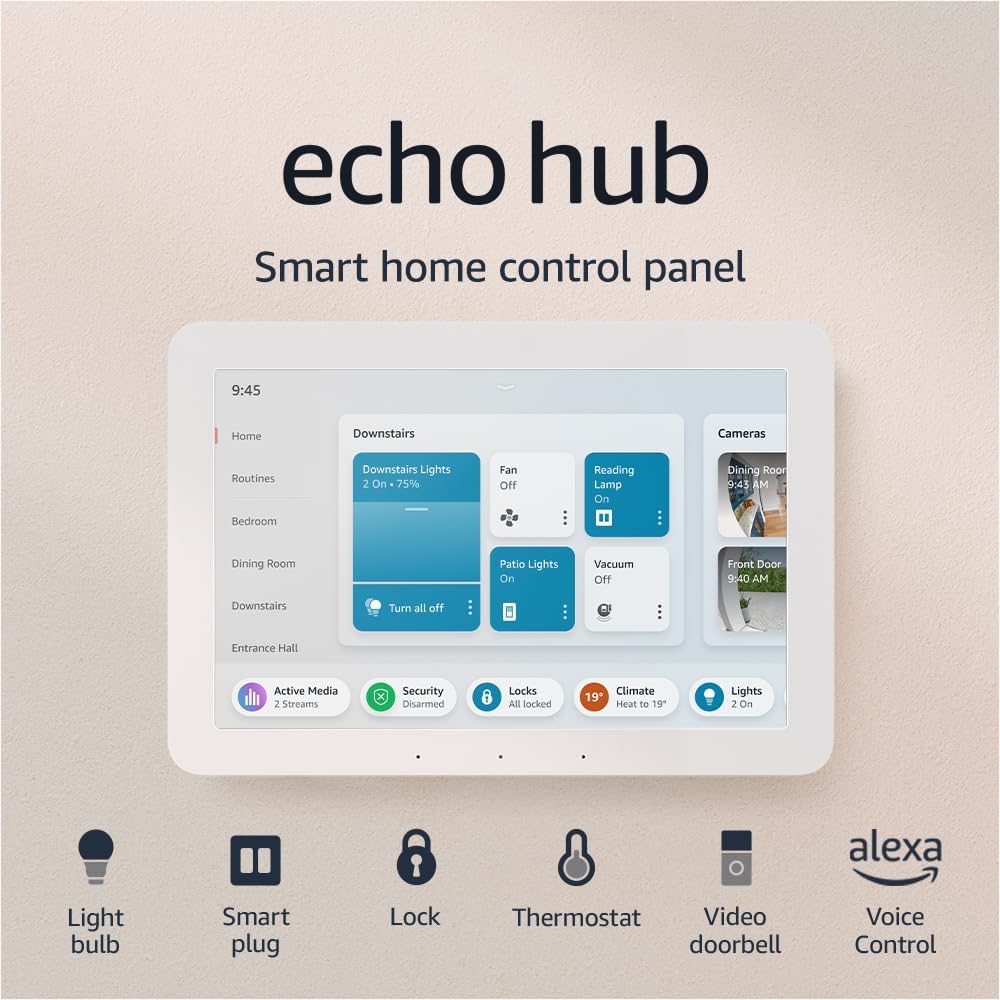
Wall mounted control panels now complement voice commands in many luxury smart homes. A refined panel such as the one examined in the test of a next generation smart control panel with relay can provide tactile backup when speech recognition is not ideal, such as during loud parties or late night quiet hours. This hybrid approach ensures that automation systems remain accessible even when a smart voice assistant mishears a command or when guests prefer a more traditional interface.
In bedrooms and dressing rooms, discreet smart devices with far field microphones allow gentle voice control without visual clutter. Kitchens benefit from robust language processing that can interpret complex voice commands about recipes, timers, and multi step automation scenes while hands remain busy. By tailoring each device, system, and assistant to the acoustic and functional realities of the room, designers create controlled smart environments that feel intuitive rather than imposed.
Privacy, security, and trust in voice controlled luxury spaces
High net worth owners scrutinize privacy and security as closely as aesthetics. The best voice controlled smart environments therefore combine strong encryption, granular permissions, and transparent data handling for every assistant and device in the home. Voice data, speech recognition logs, and cloud based integrations must be handled with the same rigor as financial information.
Modern smart homes can segment networks so that smart devices and speakers reside on dedicated systems, isolated from workstations and personal servers. Many luxury integrators now favor configurations where voice recognition and natural language processing run locally whenever possible, especially with Apple HomeKit and some Apple Siri implementations that prioritize on device processing. For cloud based features, owners can restrict which assistants retain voice commands, limit third party skills, and schedule regular reviews of security settings.
Security also extends to physical access and behavioral automation. Voice assistants should never unlock doors or disarm alarms without secondary authentication, such as a phone based confirmation or biometric check, even in controlled smart environments. When privacy and security are treated as core design pillars rather than afterthoughts, voice control becomes a trusted layer of the home rather than a potential vulnerability.
Audio, acoustics, and the art of smart speaker placement
Sound quality and microphone performance define how luxurious a voice controlled experience feels. A premium smart speaker must deliver concert level audio while still capturing quiet speech accurately from across a marble floored salon. Poor acoustics can undermine even the best voice controlled smart environments by confusing voice recognition and degrading natural language interactions.
Integrators now model room acoustics to position speakers and microphones for both entertainment and control. Ceiling speakers, soundbars, and hidden in wall devices can all host voice assistants, but their placement must balance stereo imaging, echo control, and speech clarity for reliable automation. In some projects, designers pair a primary smart speaker with auxiliary microphones to ensure that voice commands are captured cleanly even during high volume music playback.
Luxury clients often prefer invisible technology, so controlled smart solutions may hide speakers behind fabric panels or within bespoke cabinetry. When doing so, the material choice must respect both audio fidelity and microphone sensitivity to maintain accurate speech recognition. The result is a smart voice environment where the system hears you perfectly, yet the technology itself almost disappears into the architecture.
Advanced automation, multimodal control, and future ready integration
What truly separates the best voice controlled smart environments from mainstream smart homes is the depth of automation. Instead of simple on off commands, residents orchestrate scenes where a single phrase adjusts lighting, climate, shading, and media across multiple systems and devices. These experiences rely on robust integration layers that translate natural language into precise, context aware actions.
Modern control platforms can interpret voice commands differently depending on room, time, and presence based sensors. Saying “start my evening routine” in the study might trigger a different automation sequence than the same phrase in the bedroom, even though the voice assistant and smart devices are identical. Integrators also combine voice control with touch panels, smartphone apps, and even gesture based interfaces to create multimodal control smart experiences that adapt to each situation.
For clients investing in long term properties, future readiness is essential. Systems should support open standards, modular assistants, and cloud based updates so that new language processing models and improved speech recognition can be adopted without major renovations. When planning cinema rooms or surveillance suites, many owners now also consider how refined pan tilt zoom controllers, such as those examined in guides to elevated luxury camera experiences, will integrate with voice assistants for hands free monitoring and security management.
Key figures on smart voice adoption in luxury environments
- According to a report from Statista, more than 320 million smart speakers were installed globally in households by the end of the last decade, illustrating how mainstream voice assistants have become even before focusing on the luxury segment.
- Research from Parks Associates indicated that over 40 % of United States broadband households owned at least one smart home device, showing a strong base for the best voice controlled smart environments to build upon with higher end systems.
- A survey by Deloitte found that around two thirds of smart speaker owners used voice commands daily, confirming that voice control is not a novelty but a habitual interface in many smart homes.
- Security and privacy remain top concerns, with an Ipsos study for the Internet Society reporting that more than 60 % of consumers worry about how connected devices handle personal data, reinforcing the need for secure, privacy focused automation in luxury properties.
- Market analyses from firms such as Grand View Research project continued double digit growth for smart home and voice assistant markets, driven partly by premium installations that integrate cloud based services, advanced language processing, and whole home automation.