How a premium smart home project really starts
The cost of a high end smart home does not begin with gadgets, it begins with drawings. During the first month, your architect, interior designer, and a specialist in home automation quietly decide how every home system will live inside the walls. In luxury homes this early design phase often defines not only the total budget but also how natural the control of lighting, shading, audio, and security will feel in each room.
At this stage you are not choosing smart devices, you are choosing a philosophy of automation systems. A six figure budget usually assumes a wired backbone such as KNX or Lutron HomeWorks for lighting and blinds, paired with a central processor from brands like Crestron or Control4 that orchestrates every smart home feature from climate to gates and pool. The overall investment rises quickly when you ask for unified control of multiple systems, because each brand of devices and each security platform needs its own interface, drivers, and testing time.
Expect several design workshops where you walk through the home room by room. You will define scenes such as “evening art lighting” or “away with full home security” rather than individual switches, which is where the real value of home automation appears. A thoughtful integrator will map how you actually live in your smart homes, then translate that into keypads, touchscreens, and voice control that make the technology disappear into the architecture.
What a $100K budget really buys in hardware and wiring
Once the plans are frozen, the premium smart home investment shifts from drawings to hardware. In a typical 400 square metre property, a six figure budget usually covers structured cabling, enterprise grade networking, multi room audio, advanced lighting control, and a layered home security system. The visible devices are only the tip of the iceberg, while the real costs hide in racks, patch panels, and low voltage wiring that quietly future proof the home technology.
For lighting, a premium home installation often replaces traditional switches with keypads that trigger scenes, paired with dimming modules hidden in a central cabinet. This approach allows precise smart lighting control across rooms and floors, but it increases both material costs and professional installation time compared with simple wireless bulbs. When you add smart thermostats for each zone, motorised shades, and integrated security systems with cameras, sensors, and access control, the total costs begin to resemble a small commercial project rather than a residential upgrade.
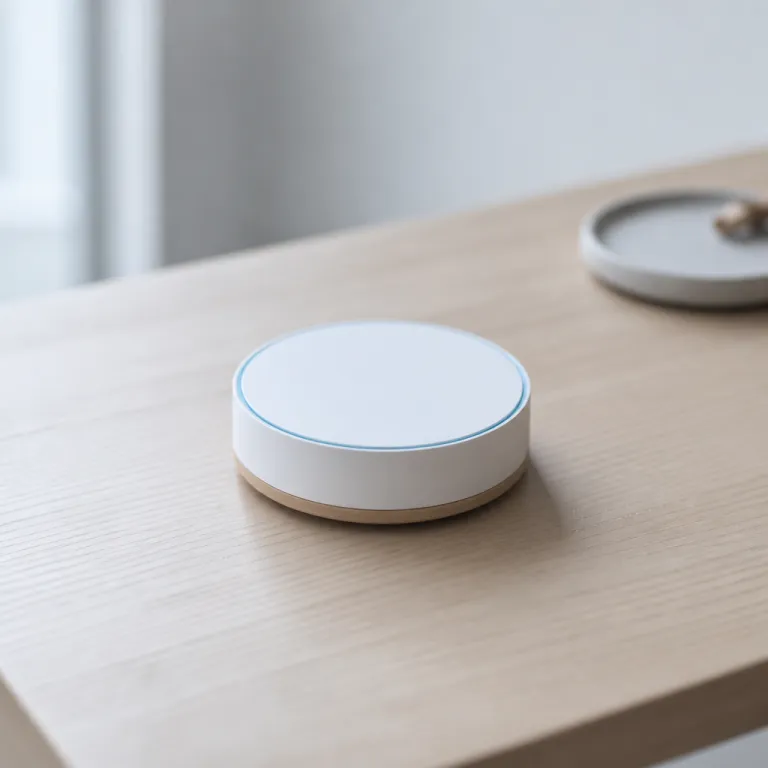
Audio and video distribution add another layer to the overall smart home price. Many affluent clients choose designer smart speakers in key spaces and in ceiling speakers elsewhere, fed by amplifiers in a central rack that also hosts the home system processor. Curated hubs from the current generation of designer smart speakers and sound platforms can integrate elegantly with home systems, but the wiring, configuration, and testing still demand a professional team rather than a diy approach.
The hidden infrastructure: networks, processors, and control rooms
The most underestimated part of any premium smart home installation is the network. Luxury smart homes behave more like boutique hotels, with dozens of smart devices, multiple Wi Fi access points, and a dedicated VLAN for home security and automation traffic. To keep latency low and control reliable, integrators often specify rack mounted switches, a firewall, and a controller that would not look out of place in a small office.
All of this equipment needs a physical home, which is why serious projects reserve a dedicated rack space or even a small server room. That room hosts the automation systems processors, audio matrix, video distribution, storage for security cameras, and the core of the home technology stack. The premium smart home installation cost climbs when you add cooling, power conditioning, and battery backup to protect these systems, but those features are what keep the home system stable during storms or grid fluctuations.
Control surfaces are the final layer that you actually touch every day. Wall mounted touchscreens, handheld remotes, and carefully programmed keypads give you access to lighting, climate, and security system modes without exposing the complexity behind them. High end hubs such as those featured in curated guides to luxury smart home control centres can unify smart devices from different brands, yet the professional installation work to make them feel seamless is where a large share of the installation cost quietly sits.
Professional integration versus diy: where the money actually goes
Many affluent buyers compare the premium smart home installation cost with a diy stack of consumer smart devices. On paper, a basket of wireless bulbs, a smart thermostat, and a few cameras looks dramatically cheaper than a fully engineered home automation project. In practice, the gap narrows once you factor in reliability, maintenance, and the long term cost smart tradeoffs between piecemeal gadgets and a coherent home system.
Professional installation fees cover far more than mounting hardware on walls. Integrators design automation systems that coordinate lighting, climate, audio, and security systems into scenes, then test those features under real world conditions across the entire home. They also document the wiring, label every cable, and create backups of the programming so that future upgrades to smart devices or home systems do not require starting from zero each time.
There is still a place for diy experimentation inside a premium project, especially in non critical spaces such as a guest room or a secondary media room. You might pair a consumer smart thermostat with a high end boiler controller, or test new smart lighting devices before rolling them out across the main living areas. The key is to keep the core home security, life safety, and primary lighting on professionally engineered systems, while using diy elements as a flexible layer that can change without risking the stability of the whole home installation.
What $100K delivers, where it falls short, and how to think in ranges
A carefully planned six figure premium smart home installation cost usually delivers a unified experience. You gain one interface for lighting, shading, climate, audio, and home security, with scenes that adapt each room to your routines in seconds. Over time the energy savings from smart thermostats, occupancy sensors, and smart lighting dimming profiles can offset part of the initial costs, especially in large homes with high baseline energy use.
Where the budget stretches is in edge cases such as complex façades, heritage properties, or ultra bespoke materials. Carving keypads into stone walls, hiding sensors in custom millwork, or integrating pool, spa, and gate control into the same security system can push the installation cost well beyond the initial range. At that point the premium smart home installation cost reflects architectural ambition as much as home technology, and you should treat the systems as part of the building fabric rather than as removable devices.
There is also a point of diminishing returns where extra budget buys redundancy and nuance rather than new headline features. A $20K project might give you app based control of a few smart homes functions, while a $100K project adds whole home automation, robust security systems, and a dedicated support contract. Beyond that level, spending tends to refine details such as custom interfaces, artful keypads, and immersive media rooms, where luxuries like wearable displays or portable cinematic AR screens complement the fixed home systems rather than replace them.
FAQ
How much does a premium smart home installation typically cost per square metre ?
For a fully integrated project, the premium smart home installation cost often ranges from a few hundred to more than one thousand euros per square metre. The lower end usually covers structured cabling, basic lighting control, and a modest security system, while the higher end includes multi room audio, advanced automation systems, and extensive custom interfaces. Heritage buildings, complex architecture, and demanding interior finishes can push the cost per square metre higher because of additional labour and coordination time.
What does a $100K smart home system include that cheaper setups do not ?
A six figure budget typically buys a wired backbone for reliability, a central processor for home automation, and professional installation of lighting, climate, audio, and home security under one interface. You also gain enterprise grade networking, integrated security systems with recording and remote access, and carefully programmed scenes that adapt each room to different activities. Cheaper setups often rely on separate apps for each group of smart devices, with less robust control and fewer long term support options.
Can I mix diy smart devices with a professionally installed system ?
Mixing diy gadgets with a professional installation is possible if you define clear boundaries. Most integrators recommend keeping critical functions such as life safety, core lighting, and the main security system on stable home systems, while using diy smart devices in non essential rooms or for experimental features. This approach protects the reliability of the main home technology stack while allowing you to test new products and upgrade individual devices over time.
How do smart thermostats and smart lighting affect long term energy costs ?
Smart thermostats and smart lighting can reduce energy costs by optimising schedules, using occupancy detection, and coordinating with shading and weather data. In large homes, even modest percentage improvements in heating, cooling, and lighting efficiency can translate into significant energy savings over the long term. When these devices are part of a coherent home automation system rather than isolated apps, the control logic can adjust multiple systems together, which usually delivers better results than manual tweaks.
What ongoing maintenance should I expect after a premium installation ?
After the initial home installation, most owners sign a support contract that covers remote monitoring, software updates, and periodic on site checks. This maintenance keeps automation systems, security systems, and smart devices aligned with firmware changes and new features, while also catching network or hardware issues before they affect daily use. Budgeting a small annual percentage of the original premium smart home installation cost for maintenance is a realistic way to protect both performance and long term value.