
Why outdoor smart home luxury automation starts at the water’s edge
For many luxury homes, the pool is the real living room. When high-end outdoor automation is done properly, that water surface becomes a responsive canvas that reflects both your lifestyle and your home design. The goal is simple yet demanding: to orchestrate comfort, convenience, safety, and energy efficiency without turning your terrace into a control room.
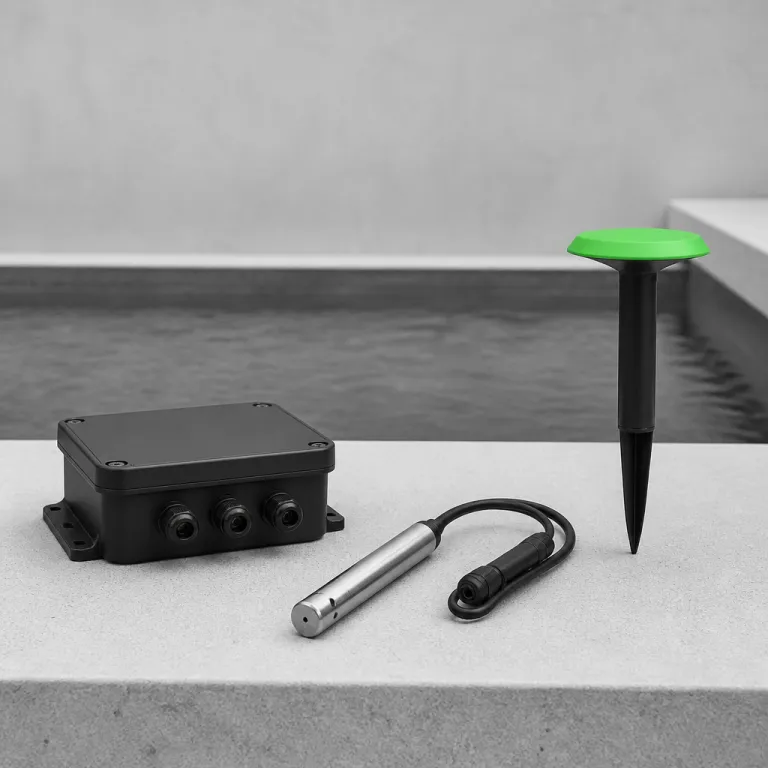
High end pool automation now unifies temperature, pH balance, filtration cycles, and cover control in a single smart home interface. The best systems integrate with broader home automation platforms so the entire home, from spa jets to garden lighting, responds to one scene command. You tap a tablet, and the system quietly handles circulation, dosing, and heating while you read in a lounger instead of hovering over valves and pumps.
For homeowners who entertain, this level of intelligent control is not a gadget, it is infrastructure. A well designed automation system links pool and spa features with distributed audio, outdoor lighting, and even glass smart partitions that shield wind without blocking natural light. Luxury home technology earns its place when it removes friction, not when it adds another app icon to an already crowded phone.
Weather is the first constraint for any outdoor living project built around smart technology. Pumps, valves, and sensors sit in harsh environments, so premium systems use marine grade housings, sealed connectors, and industrial control logic rather than repurposed indoor gadgets. The result is a pool that behaves like a finely tuned appliance, not a temperamental hobby.
Energy efficiency is now a design brief, not an afterthought, especially for large homes with heated pools and long seasons. Variable speed pumps, smart heating schedules, and automated covers can cut energy use significantly while maintaining the same level of comfort and convenience. In one recent retrofit of a 15 x 5 metre pool, a variable speed pump and insulated cover reduced electricity consumption by roughly 40% over a full season compared with the previous single speed setup. In luxury homes, the real luxury is often the peace of mind that comes from knowing the system is optimised without constant supervision.

Landscape lighting as architectural storytelling after dark
Once the sun drops, lighting becomes the primary language of outdoor living. Thoughtful exterior smart control treats every tree, path, and façade as part of a layered audio, video, and light composition. The aim is not brightness, it is narrative, guiding guests through the property while preserving intimacy and security.
Modern landscape lighting design starts with zones rather than fixtures. You might have one system scene for poolside dining, another for late night swimming, and a third for quiet reading on a glass edged terrace. Each scene blends low level path lighting, accent beams on stone or glass, and subtle reflections on water to extend the architecture into the garden.
Solar powered smart lighting has matured enough to be viable for architectural accent in many homes. For long driveways or remote garden rooms, solar fixtures with integrated batteries and wireless control reduce trenching and disruption to established landscaping. When tied into a central home technology platform, these fixtures behave like any wired circuit, responding to schedules, presence, and security features.
For the eco luxury early adopter, the real opportunity lies in combining energy efficiency with aesthetic precision. Tunable white LEDs can shift colour temperature from warm amber for dinners to cooler tones that flatter stone and glass surfaces. A typical specification might use 2700K for dining terraces, 3000K for pathways, and 4000K to highlight architectural stone. Smart homes that treat lighting as a material, not a utility, tend to age better visually and technologically.
Back end control matters as much as front end beauty. A robust home automation processor, such as a dedicated gateway similar in spirit to a specialised smart home hub for climate and scheduling, ensures that lighting scenes execute reliably across the entire home. When homeowners can trust that every system responds instantly, they use the features daily instead of treating them as a party trick.
Security that respects the view and the neighbours
Outdoor smart home luxury automation has to balance home security with discretion. High resolution cameras, perimeter sensors, and smart gates are now expected in luxury homes, but the way they integrate into home design separates refined installations from fortress aesthetics. The best projects make security features almost invisible while keeping control smart and immediate.
Weather rated cameras with narrow fields of view can be tucked into eaves, stone columns, or even custom glass housings that match existing fixtures. When paired with intelligent lighting systems, these cameras trigger gentle illumination rather than harsh floodlights, preserving both privacy and the night sky. Homeowners gain peace of mind because the system reacts before an incident escalates, yet the terrace still feels like a resort, not a car park.
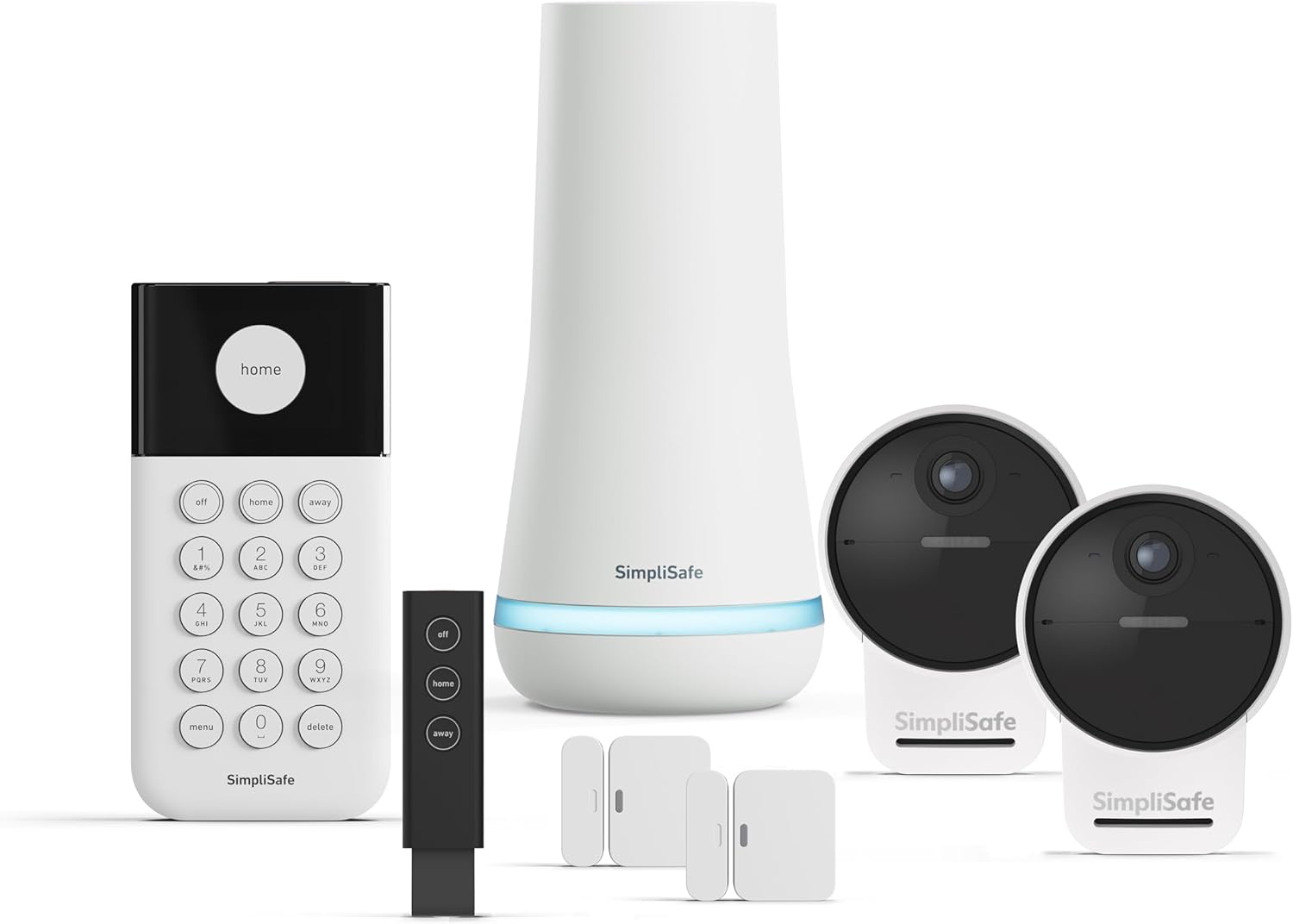
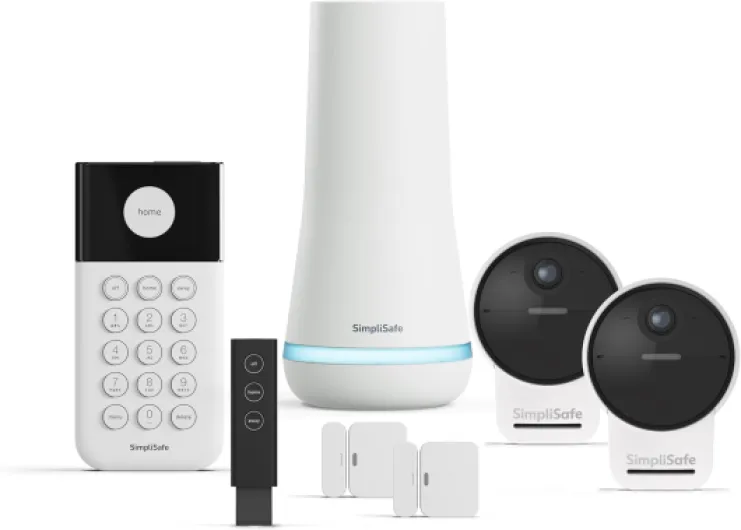
Alarm systems have also evolved beyond shrill sirens and keypad codes at the back door. A modern smart home security platform can link outdoor sensors, pool gates, and garden paths into one automation system that arms and disarms based on presence, time, and context. A curated kit such as a synchronised smart home alarm system shows how integrated hubs can coordinate sensors, sirens, and lighting without overwhelming the user.
Gate and fence control is another frontier where outdoor living meets security. Brands like Nice, known for unified outdoor automation for gates, irrigation, pool systems, and landscape lighting, demonstrate how a single platform can manage access across large properties. A typical installation might combine sliding gate motors, radio receivers, and keypads so that the same app that adjusts your terrace audio also opens the driveway gate, allowing the technology to fade into the background of daily life.
For families, especially those with children and guests, layered security is more important than raw sensor counts. Pool covers that lock automatically, door contacts that alert when a child heads toward the water, and path lighting that brightens when someone approaches all contribute to a safer luxury home. The art lies in tuning these systems so they feel like a calm guardian rather than a nervous chaperone.
Audio, video, and glass: crafting an outdoor room without walls
Outdoor smart home luxury automation reaches its most theatrical expression in entertainment spaces. Distributed audio, weatherproof displays, and responsive glass elements can turn a terrace into a cinema, a concert venue, or a quiet reading room with a single tap. The trick is to specify technology that respects both the climate and the architecture.
High performance outdoor speakers now rival many indoor audio systems, provided they are installed with proper acoustic planning. Rather than blasting a few large speakers, a well designed system uses multiple smaller units in a distributed audio layout, creating even coverage at lower volumes. This approach keeps conversations comfortable while still delivering the kind of audio detail that audiophiles expect from a luxury home.
Outdoor displays have also matured, with anti reflective glass, high brightness panels, and sealed enclosures that withstand rain and dust. When integrated into stone walls or custom cabinetry, these screens disappear when off, preserving the purity of the home design. For those who track health metrics even while lounging poolside, pairing such spaces with a refined wearable, tested in products like the advanced GPS smartwatch with AMOLED display and flashlight (for example, the Garmin Fenix 7 Pro series), keeps data close without dragging a phone around wet surfaces.
Glass smart technologies are quietly reshaping outdoor living areas. Switchable glass panels can shift from clear to frosted, offering instant privacy for hot tubs or outdoor showers while still maximising natural light when transparency is desired. In climates with strong winds or seasonal rain, frameless glass enclosures create a sheltered room effect without visually shrinking the terrace.
Control interfaces deserve as much attention as the hardware. Wall mounted touch panels, discreet remotes, and voice control all have their place, but the most successful systems offer redundancy so guests are never stranded in the dark with a dead phone. When audio, video, lighting, and shading respond predictably from any interface, the technology feels like part of the architecture rather than an overlay.
Power, resilience, and the invisible backbone of outdoor automation
Behind every serene terrace and perfectly tempered pool lies a web of power and data. Outdoor smart home luxury automation only feels luxurious when the underlying infrastructure is robust enough to vanish from daily awareness. That means planning for solar, batteries, and grid integration from the first sketch of the garden design.
Whole home power systems such as the EcoFlow Delta Pro Ultra X illustrate where this category is heading. By integrating with platforms like Google Nest and Bosch home technology ecosystems, such systems can prioritise critical loads, keep pumps and security features running during outages, and smooth energy use across the day. In EcoFlow’s own testing, a configuration with roughly 6 kWh of storage can keep essential outdoor circuits running for several hours during a typical evening outage. For large homes with extensive outdoor living zones, this kind of resilience is not a nice to have, it is table stakes.
Solar powered elements fit naturally into outdoor automation, especially for lighting and low voltage control systems. Pergola roofs, carports, and even glass balustrades can host photovoltaic panels that feed batteries dedicated to garden infrastructure. When energy efficiency is treated as a design driver, the result is a landscape that glows after dark without silently burning through unnecessary kilowatt hours.
Weatherproofing remains the unglamorous but essential discipline in this space. Every junction box, conduit run, and Wi Fi access point must be specified for outdoor duty, with attention to UV exposure, condensation, and pests. Luxury homes that cut corners here often pay later in intermittent faults that erode trust in the entire home automation system.
Network design is just as critical as electrical planning. Mesh Wi Fi, hardwired access points in eaves, and shielded cabling to garden buildings ensure that smart homes behave consistently from basement cinema to pool house. When homeowners can walk from indoor lounge to outdoor living pavilion without a single dropped stream or delayed command, the promise of seamless control finally feels real.
Designing for humans, not dashboards, in connected outdoor spaces
The most successful outdoor smart home luxury automation projects start with rituals, not with product lists. How you move through the garden at dawn, where you read in the afternoon, and how guests circulate during a party all inform the right mix of technology. The objective is to choreograph experiences, not to showcase systems.
Good designers map scenes to moments, then assign devices to support those scenes. A morning routine might raise glass blinds to invite natural light, warm the pool slightly, cue low level audio on the terrace, and soften path lighting for a quiet walk through the garden. An evening entertaining scene could shift the balance, emphasising audio video performance, bolder lighting accents, and heightened security features around gates and parking areas.
Customisation should feel curated rather than infinite. While modern platforms allow homeowners to tweak every parameter, most luxury home clients prefer a small set of well crafted modes that deliver comfort and convenience with minimal thought. The art lies in hiding complexity behind a few elegant buttons, whether on a wall keypad or a tablet interface.
For eco conscious owners, specifying durable materials and upgradable systems is as important as choosing efficient LEDs. Modular control hardware, open protocols, and serviceable fixtures reduce waste over the life of the home, aligning sustainability with long term value. Smart technology that can evolve gracefully keeps outdoor living spaces feeling current without constant renovation.
Ultimately, the measure of any outdoor automation project is emotional, not technical. If stepping onto the terrace at night feels like entering a private resort, if the pool always seems ready without visible effort, and if the entire home responds calmly to your presence, then the technology has done its job. It is not the processor speed that matters, but the way the space quietly anticipates you.
Key figures shaping outdoor smart home luxury automation
- According to the Consumer Technology Association, smart home device revenue in the United States surpassed 30 billion dollars in 2022, with outdoor categories such as security cameras and lighting among the fastest growing segments (see CTA industry reports for detailed figures; CTA, “U.S. Consumer Technology One-Year Industry Forecast,” 2022).
- Energy Star data indicates that LED landscape lighting can use up to 75% less energy than traditional incandescent fixtures, which significantly reduces operating costs for large gardens and estates (Energy Star lighting guidance, accessed 2024; Energy Star, “Light Bulbs and Fixtures,” 2024).
- Research from Parks Associates shows that households with professionally installed smart home systems are more than twice as likely to add outdoor devices such as cameras, lighting, and audio within two years of the initial installation (Parks Associates smart home adoption studies, 2023; Parks Associates, “Smart Home Buyer Journey,” 2023).
- Market analysis from Omdia reports that weather resistant outdoor TVs and displays have seen double digit annual growth, driven largely by luxury homes adding covered terraces and poolside entertainment zones (Omdia connected devices outlook, 2023; Omdia, “Connected Devices Market Tracker,” 2023).
- A study by the National Association of Home Builders found that security features and exterior lighting rank among the top requested technologies in new luxury home construction, reflecting a shift toward integrated outdoor living spaces (NAHB home buyer preferences survey, 2021; NAHB, “What Home Buyers Really Want,” 2021).
FAQ about outdoor smart home luxury automation
How weatherproof should outdoor smart devices be for year round use ?
For permanent installations in luxury homes, look for devices rated at least IP65, which protects against dust and low pressure water jets. In harsher climates or exposed coastal locations, IP66 or IP67 ratings offer better resilience against driving rain and occasional immersion. Enclosures, cabling, and mounting hardware should also be specified for UV resistance and corrosion to match the device rating.
Can outdoor smart lighting really improve home security without feeling harsh ?
Yes, when lighting design focuses on layers and zones rather than brute brightness. Path lights, wall washers, and subtle tree uplights can create enough visibility for cameras and guests while avoiding the glare of traditional floodlights. Integrating motion sensors and schedules into a central home automation system allows the lighting to respond intelligently to movement and time of night.
What is the best way to power smart devices in remote parts of the garden ?
For distant corners of a property, a mix of low voltage cabling and solar powered fixtures usually works best. Solar units with integrated batteries are ideal for path and accent lighting, while more demanding loads such as audio or Wi Fi access points benefit from dedicated low voltage runs. Planning these circuits early in the home design or renovation process avoids disruptive trenching later.
How does pool automation integrate with the rest of a smart home system ?
Modern pool controllers can connect to broader smart home platforms via Ethernet, Wi Fi, or dedicated gateways. Once integrated, pool temperature, pumps, and covers can be tied to scenes that also adjust terrace lighting, audio, and security features. This creates a single point of control for outdoor living rather than a separate, siloed interface.
Is it worth investing in a whole home backup power system for outdoor automation ?
For properties that rely heavily on automated gates, security cameras, and pool systems, a whole home or partial backup power system adds significant resilience. Battery based solutions can keep critical outdoor infrastructure running during outages, maintaining both safety and comfort. When combined with solar generation and smart load management, these systems also improve overall energy efficiency throughout the year.