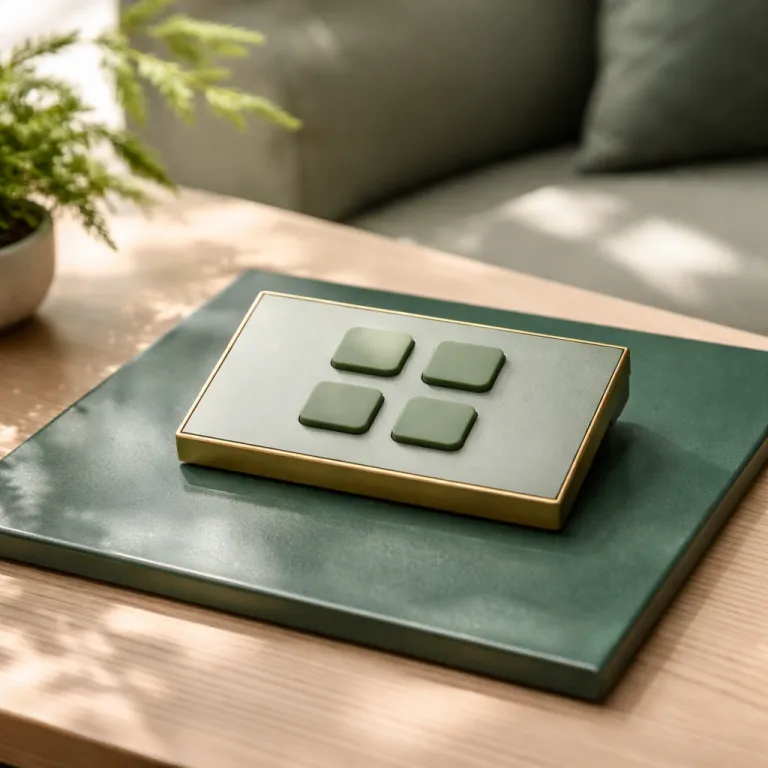
From plastic switches to furniture grade smart home controls
Walk into a well considered luxury home and the first tactile contact is often a keypad, not a sofa arm. That single point of control quietly signals whether the smart home is a tech project or a fully resolved piece of home design that respects the architecture and the rhythm of daily living. When luxury smart home controls design is treated as furniture grade, the entire experience of moving through rooms, adjusting lighting, and shaping entertainment systems becomes calmer and more intentional.
Premium manufacturers now recognise that a smart home is judged not only by its automation systems and security systems, but by the touch points that homeowners actually press dozens of times a day. Control4’s contemporary engraved keypads, for example the C4-KCB series with metal faceplates and modular button kits, feel closer to high jewellery than to a standard automation system, and that shift matters for luxury living where every surface is curated. According to Control4’s own product literature, these keypads are designed as part of a wider ecosystem rather than as isolated switches, and that is where cutting edge home technology stops shouting about technology and starts behaving like a natural extension of the best home features in high homes and refined apartments.
Lutron’s Palladiom and Alisse lines pushed this evolution further by treating each control as a lighting and climate control instrument, not a plastic switch. Edge to edge glass, hand finished brass, and subtle engraving turn the smart home interface into a design object that belongs alongside a bronze door handle or a marble side table in luxury homes. In a typical project, a three button Palladiom keypad (often specified under QSWS2-3BRL model codes in Lutron documentation) or an Alisse wall control is chosen with the same care as a bespoke light fitting. When a system will present lighting, entertainment, and security on a keypad that feels like a piece of crafted metal, homeowners finally experience home automation as part of luxury home culture rather than a compromise bolted onto beautiful homes.
The interior designer as curator of smart control systems
In serious projects, interior designers now treat every smart home keypad as carefully as a wall sconce or a door lever. They review finish schedules so that lighting and home automation controls align with the grain of timber, the tone of stone, and the geometry of the overall home design. The result is a luxury smart home controls design language where automation systems, security systems, and entertainment systems recede visually while still delivering a high level of comfort and control.
Designers increasingly specify unified control systems so that one carefully placed keypad handles lighting, shading, climate control, and audio in each room. That unified ecosystem push, often described by integrators as the end of the smart home compromise, reflects a desire to replace a clutter of plastic switches with a single, beautifully machined control in luxury homes. In a London townhouse renovation, for instance, the design team replaced six separate plastic dimmers with one engraved metal keypad at each doorway, dramatically simplifying the wall layout while preserving scene flexibility. When the same brushed nickel or dark bronze appears on door hardware, taps, and smart home keypads, the home technology feels native to the architecture rather than imported from an electronics store.
For homeowners, this collaboration between integrator and designer is what separates a merely smart home from a truly luxury home that feels coherent. As one UK-based integrator put it in a recent project debrief, “We treat the keypad layout like joinery—every button has to earn its place.” The automation system becomes part of the narrative of luxury living, not a separate layer of blinking LEDs and mismatched plastics in otherwise high homes. When the designer leads, the system will respect sight lines, wall composition, and the choreography of living, while still delivering cutting edge control over lighting, entertainment, and security throughout the home.
Material language, finishes, and what they signal in luxury homes
Material choice in smart home controls quietly telegraphs the priorities of the project and the expectations of the homeowners. Brass suggests warmth and patina, bronze leans toward sculptural depth, while brushed nickel and edge to edge glass read as high precision home technology that belongs in contemporary smart homes. In a serious luxury smart home controls design scheme, these finishes are not random; they are part of a deliberate system that will tie together lighting, entertainment systems, and security systems across all key spaces.
Control4 metal keypads in satin brass sit comfortably in classic luxury homes where panelled walls, stone fireplaces, and layered lighting define the living areas. Lutron Palladiom in matte graphite, by contrast, suits high homes with minimal lines, where intelligent lighting scenes and climate control are tuned as carefully as the acoustic treatment of entertainment rooms. A typical four button Palladiom keypad might be paired with matching thermostats and shade keypads so that every visible control shares the same bezel, button geometry, and LED language. When every smart home keypad, thermostat, and audio interface shares a coherent finish palette, the automation systems feel like a single cutting edge instrument rather than scattered gadgets.
There is also a tactile hierarchy that matters for daily living in a luxury home. Glass topped controls with haptic feedback feel different from knurled metal dials, and that difference can guide how homeowners interact with lighting, shading, and audio in different zones of the home. Thoughtful home design uses this material vocabulary so that the system will subtly teach guests which controls manage core home features and which are reserved for deeper automation system adjustments handled by the household or concierge. In practice, this might mean using cool, glass faced keypads for primary scenes in living areas and warmer, textured metal controls for more technical adjustments in plant rooms or dedicated media spaces.
Price gaps, value, and when luxury controls are worth it
The jump from standard smart switches to designer keypads can be startling when you first see the quote. A basic smart home dimmer might cost little more than a dinner out, while a single Palladiom or Alisse keypad, specified as part of a full home automation system, can approach the price of a bespoke side table. In broad terms, a commodity smart dimmer can sit in the £50–£150 range per gang based on typical UK retail pricing from major electrical wholesalers, whereas a metal faced, engraved designer keypad can easily run several hundred pounds or dollars once finishes and programming are included. The question for design conscious homeowners is whether that premium in luxury smart home controls design translates into meaningful value in daily living.
In practice, the cost delta is often a small percentage of the overall budget for luxury homes once you factor in finishes, furniture, and built in entertainment systems. When you are already investing in high quality lighting, acoustic treatments, and integrated security systems, it rarely makes sense to cap those investments with plastic controls that cheapen the experience of the smart home. On a whole house project, the uplift for designer keypads might represent only a few percent of the total fit out cost, yet it transforms every interaction with the system. The system will feel more coherent when the same level of craftsmanship appears in the control systems as in the stone, timber, and textiles that define the best home interiors.
Where the value becomes obvious is in the long term experience of moving through the home every day. Elegant keypads with clear engraving, intuitive scenes, and reliable home technology reduce friction, save energy through better climate control, and make luxury living feel effortless rather than fiddly. Over a decade of use, the incremental cost per press becomes negligible compared with the comfort and clarity they provide. For collectors who already appreciate runway inspired tech pieces that blur the line between object and art, the premium for beautifully executed automation systems is less about status and more about aligning every touch point of the home with their standards.
Unified experiences, cutting edge ecosystems, and the future of home design
The most interesting shift in luxury smart home controls design is not just about finishes; it is about unifying the experience across every room. High end control systems now aim to present lighting, shading, climate control, entertainment, and security through a consistent interface that feels as considered as the furniture layout. When a system will give you the same intuitive gestures on a wall keypad, a handheld remote, and a discreet touch panel, the smart home finally feels like a single, coherent instrument.
For homeowners who care about privacy and resilience, the architecture behind these automation systems matters as much as the visible hardware. Local processing and robust home technology infrastructure reduce latency, keep core home features running during network hiccups, and ensure that intelligent lighting and entertainment systems respond instantly to every press. Many luxury installations use wired keypads on low voltage control networks precisely to avoid the fragility of purely wireless solutions. In one countryside estate, for example, the integrator specified a fully wired backbone with local processors in each wing; when the broadband line failed during a storm, lighting scenes, climate schedules, and security alerts all continued to operate normally, validating the decision to prioritise local control. That kind of reliability is what turns smart homes into true luxury homes, where the promise of cutting edge automation system performance is matched by calm, predictable behaviour day after day.
Looking ahead, the most compelling luxury living experiences will come from projects where integrators, architects, and interior designers treat the smart home as a design discipline in its own right. They will specify control systems with the same care they bring to stone selection, joinery details, and acoustic planning, ensuring that every home automation touch point earns its place on the wall. In that world, the best home design is not defined by how much technology is hidden, but by how gracefully lighting, security systems, and entertainment systems reveal themselves when you actually reach out your hand. A simple, engraved metal button that dims the room, lowers the shades, and starts a favourite playlist becomes the quiet signature of a well resolved luxury home.
FAQ
Are luxury smart home keypads worth the premium over standard switches ?
For design focused homeowners, luxury smart home keypads are usually worth the premium because they are touched constantly and sit in highly visible locations. When the controls match the finishes and proportions of the room, the entire smart home feels more intentional and less like an afterthought. Over time, that daily tactile and visual quality often matters more than the initial price difference, especially when spread across years of use in a primary residence or long term pied-à-terre.
How do I choose finishes for smart home controls in a luxury home ?
Start by aligning keypad finishes with existing hardware such as door handles, taps, and cabinet pulls. In classic interiors, warm metals like brass or bronze often complement layered lighting and rich materials, while contemporary spaces tend to suit brushed nickel, blackened steel, or glass. Ask your integrator or designer for physical finish samples so you can see how the controls read against stone, timber, and textiles in real light. The goal is for every control to feel like it belongs to the same design family as the rest of the home.
Can one control system manage lighting, climate, and entertainment elegantly ?
Modern high end control platforms are designed to unify lighting, shading, climate, audio, and security under a single interface. When properly programmed, one keypad can trigger scenes that adjust intelligent lighting, climate control, and entertainment systems together in a way that feels seamless. In a cinema room, for example, a single engraved button might lower blinds, set a projector input, and trim accent lighting to a preset level. The key is thoughtful configuration so that each button or gesture reflects how you actually live in the space.
What should I ask my integrator about smart home reliability and privacy ?
Ask whether core functions such as lighting, climate, and security continue to operate locally if the internet connection fails. Clarify where data is processed and stored, and whether the system relies heavily on cloud services for everyday control. It is also worth asking about firmware update policies, remote access options, and how guest access is handled for visitors or staff. A well designed luxury smart home balances cutting edge features with robust local control and clear privacy practices.
How involved should my interior designer be in specifying smart home controls ?
Your interior designer should be deeply involved in the placement, finish, and layout of every visible control in the home. They can coordinate keypad locations with sight lines, artwork, and furniture, ensuring that technology supports rather than disrupts the visual flow. Ideally, the designer, architect, and integrator will review scaled elevations together so that keypad heights, backbox positions, and engraving all feel intentional. When designers and integrators collaborate closely, the result is a smart home that feels both highly functional and visually coherent.