


Why the room matters more than the spec sheet
High end audio systems live or die in the room that hosts them. The most exotic amplifier and the most sculptural floorstanding speakers will underperform if the space mangles their sound before it reaches your ears. Think of the listening room as part of the stereo system, not just a backdrop for beautiful speakers and electronics.
Every surface in that room shapes the audio you hear, because walls, glass and furniture either absorb or reflect sound energy in complex ways. Hard parallel walls exaggerate certain frequencies and smear the timing of music, while thick rugs, bookshelves and fabric seating can tame reflections and improve overall sound quality. This is why a modest pair of bookshelf speakers on solid speaker stands in a carefully treated room can outperform far more expensive floorstanding speakers in a bare, echoing space.
Dimensions matter as much as décor, since room ratios determine where bass resonances build up and where they cancel out. A powerful speakers amplifier combination that measures perfectly on a test bench may still sound boomy or thin if those resonances are ignored. When you invest in high fidelity, you are really investing in the relationship between speakers, amplifier, digital audio sources and the air they excite in your specific room.
Active correction versus physical treatment in luxury listening rooms
Luxury buyers often assume that advanced digital audio processing can fix any acoustic flaw, but physics still sets hard limits. Active speakers with built in room correction, such as designs inspired by the B&O Beolab 90 with its beamforming and room compensation, can adapt their sound to the space yet cannot fully replace proper acoustic treatment. The same applies to technologies like Devialet SAM, where Speaker Active Matching adjusts the speaker output to the room but still benefits from well controlled reflections and balanced furnishings.
Think of active correction as a scalpel and physical treatment as architecture, because both are essential for the best results. Bass traps in corners, broadband absorbers at first reflection points and diffusers on the rear wall shape how music decays in time, while the system will then use its processing to fine tune tonal balance and timing. When you add a premium wireless speaker with multiroom streaming and high resolution audio, such as those reviewed as a stone like reference for compact luxury sound, you still gain audible benefits from thoughtful placement and subtle treatment.
Active correction shines when integrating complex stereo system layouts, especially where floorstanding speakers must coexist with design constraints and large glass areas. Yet even the most advanced player streaming platform or integrated amplifier with room EQ cannot fully correct a room with bare concrete, no soft furnishings and wildly asymmetrical geometry. The smart luxury approach blends discreet acoustic panels with intelligent electronics, so the system will work with the room instead of fighting it.
Designing a dedicated listening room for high end audio systems
A true dedicated listening room treats high end audio systems as the central architecture, not an afterthought. Serious audiophiles start with proportions, choosing room dimensions that avoid simple multiples to reduce standing waves and smooth bass response. A rectangular space with carefully chosen ratios, solid walls and controlled openings gives your speakers and amplifier a stable acoustic canvas.
Isolation comes next, because keeping external noise out and internal sound in allows the system to reveal low level detail in music. Floating floors, double stud walls and heavy doors may feel like studio tricks, yet they transform how softly played passages and delicate stereo imaging emerge from silence. Once isolation is handled, surface treatment with absorbers, diffusers and strategically placed furnishings refines the sound quality without turning the room into a dead, lifeless space.
Within that room, placement of floorstanding speakers, bookshelf speakers and subwoofers becomes a precise exercise rather than guesswork. As a starting point, many installers place the front of the speakers roughly 0.6 to 1 m from the front wall and keep equal distance to the side walls, then adjust in small steps while measuring. You position the speaker and listening seat to respect symmetry, distance from boundaries and the stereo triangle, then fine tune with measurements from a calibrated USB microphone and software such as Room EQ Wizard alongside careful listening. A simple workflow is to run a full range sweep at the listening position, check for large peaks or dips in the bass, adjust placement or crossover, and repeat until both the graph and your ears agree.
Matching amplification and speakers to the space, not the ego
Power ratings seduce many luxury buyers, yet watts per channel mean little without context. A 1,100 watt amplifier driving sensitive floorstanding speakers in a compact room can feel oppressive, while a 400 watt per channel design in a larger, well treated space may sound effortlessly relaxed. The goal is not raw power but appropriate gain structure, headroom and control for your specific speakers and room volume.
Consider how an integrated amplifier with refined current delivery behaves with different speaker loads, because some high audio designs present complex impedance curves that demand stability more than headline power. Matching a muscular amplifier to compact bookshelf speakers in a small room can exaggerate bass and mask midrange nuance, whereas pairing those same speakers with a more modest yet high fidelity stereo system in a medium sized room can sound far more balanced. The right system will let you listen at realistic levels without strain, while still offering dynamic reserves for orchestral peaks or electronic music drops.
Streaming era setups complicate this further, since a player streaming platform, media player and digital audio chain all influence perceived dynamics. When you integrate a bluesound node or similar network player into your system, its output level and digital filters interact with the amplifier and speakers stereo presentation. Treat the amplifier, speakers and room as a single ecosystem, and you will avoid the trap of over specifying electronics that simply excite room modes rather than enhance musical engagement.

Streaming, connectivity and the invisible infrastructure of elite sound
Modern high end audio systems revolve around streaming, yet the quiet hero remains the infrastructure that ties everything together. A robust home network, low noise power distribution and carefully chosen interconnects ensure that your streaming system behaves like a reference source rather than a convenience feature. When you add a dedicated media player or player streaming device with support for high resolution digital audio, you give your amplifier and speakers the cleanest possible signal to work with.
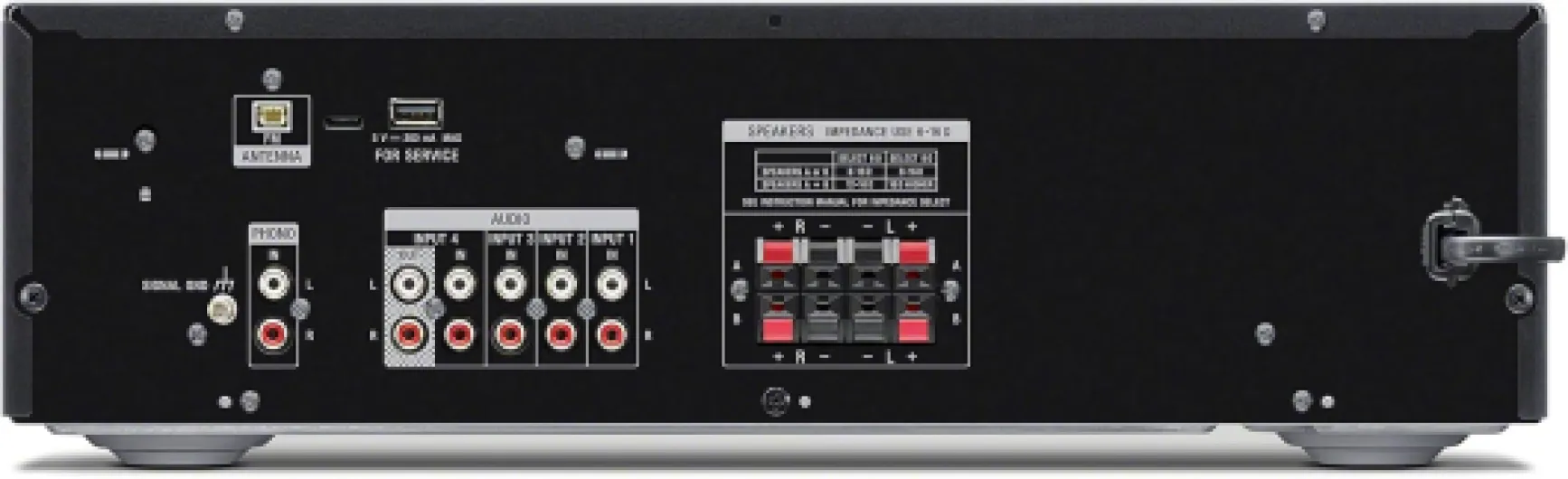
Connectivity standards such as HDMI eARC, high quality phono stages and flexible input routing on an integrated amplifier let you build a coherent stereo system around both digital and analogue sources. You might connect a turntable with a refined phono preamplifier, a television via HDMI eARC and a network streamer into the same system, yet still maintain a purist two channel focus. The system will then serve as both a cinema hub and a high fidelity music rig, provided the room acoustics and speaker placement respect stereo imaging.
Luxury buyers often focus on the visible objects, from sculptural floorstanding speaker designs to compact active speakers that double as designer smart speakers. Yet the invisible infrastructure, from correctly gauged speaker wire to stable network switches, quietly supports the overall sound quality. Curated choices here let you enjoy everything from intimate jazz to planar magnetic headphone sessions, such as those explored in this next generation planar magnetic sound review, without bottlenecks or unnecessary noise.
From showroom to salon : buying, placement and real world compromises
Auditioning high end audio systems in a showroom rarely predicts how they will behave in your home. Dealers often present speakers and amplifier combinations in acoustically treated rooms with ideal placement, while your living room may feature glass walls, asymmetrical layouts and design constraints. The art lies in translating that controlled experience into a real world salon without sacrificing musical integrity.
When you shop for speakers, listen for how they handle room interaction as much as tonal balance, because some designs are more forgiving of boundary proximity and reflective surfaces. Compact bookshelf speakers on solid speaker stands can integrate more gracefully into challenging spaces than large floorstanding speakers, especially when paired with a well tuned subwoofer and careful crossover settings. Floorstanding speakers still have their place in larger rooms, where their scale and bass extension can breathe without over energising the space.
Do not underestimate the role of aesthetics and domestic harmony, since a system that fights the room visually will often be compromised acoustically. Designer smart speakers, such as those curated in this selection of premium connected speakers, show how form and function can coexist when audio engineering respects interior design. The best systems balance price, performance and presence, proving that thoughtful placement and room aware choices matter more than chasing the largest cabinets or the most imposing amplifier.
Key figures that shape room acoustics and amplification choices
- In many domestic rooms between 20 and 35 m², primary bass modes typically occur between roughly 30 and 70 Hz, which means speaker placement and limited equalisation can dramatically affect perceived low frequency power in that range (see, for example, Floyd Toole, Sound Reproduction, and AES papers on small room acoustics for derivations based on room dimensions and speed of sound).
- Professional acoustic treatment, including bass traps, absorbers and diffusers, often represents between about 10 % and 20 % of the total budget of a serious high end listening room, yet this investment can yield larger audible gains than upgrading from a mid tier to a flagship amplifier according to reports from specialist installers and case studies published by acoustic consultancies.
- Beamforming and room compensation systems in advanced active speakers, such as designs comparable to the B&O Beolab 90 with around 8,200 watts of total amplification and multiple drivers, can reduce the level of early reflections by more than 10 dB at the listening position in manufacturer measurements, significantly improving clarity and imaging in reflective rooms.
- Market analyses of the professional acoustic treatment sector show steady growth over the last decade, driven partly by residential high fidelity projects, indicating that more luxury homeowners now allocate dedicated budgets to panels, diffusers and isolation rather than only to electronics and speakers.
- Listening tests conducted by various audio magazines and research groups consistently report that controlled rooms allow listeners to perceive micro detail at levels roughly 5 to 10 dB lower than in untreated spaces, which effectively increases the usable dynamic range of a stereo system without changing the amplifier or speakers.
FAQ : room acoustics and amplification for high end audio systems
How big should my room be for large floorstanding speakers ?
Large floorstanding speakers generally need at least 25 to 30 m² to breathe, with enough distance from the front and side walls to avoid excessive bass buildup. In smaller rooms, compact bookshelf speakers on good speaker stands often deliver more balanced sound quality. Prioritise correct placement and some acoustic treatment before moving to very large cabinets.
Is room correction software enough, or do I need acoustic panels ?
Room correction software and digital audio processing can help smooth frequency response and time alignment, especially in the bass region. However, they cannot fully fix long decay times, flutter echoes or strong early reflections caused by bare walls and glass. Combining moderate physical treatment with intelligent processing yields the most natural and consistent results.
How much amplifier power do I really need in a dedicated room ?
For most high efficiency speakers in a treated room of 20 to 30 m², an amplifier delivering between 80 and 200 watts per channel of clean power is usually sufficient. The key is current delivery and control rather than chasing extreme wattage figures. Oversized amplifiers in small rooms often highlight room problems rather than improving musical realism.
Where should I place my listening seat for the best stereo imaging ?
A good starting point is to place the listening seat around 60 % of the room length away from the front wall, avoiding exact multiples of room dimensions. Form an equilateral triangle between the seat and the two speakers, with the tweeters at ear height and slight toe in toward the listener. Fine tune by small movements while listening for stable centre imaging and even bass, and confirm with simple measurement sweeps using a calibrated microphone and free analysis software.
Does expensive speaker wire make a difference in room acoustics ?
Speaker wire quality affects electrical performance, but it does not change room acoustics directly. Using appropriately thick, well constructed cable ensures that the amplifier maintains control over the speakers, which can subtly improve bass definition and dynamics. The dominant factors in perceived sound remain speaker placement, room treatment and the overall system synergy.