Apple homepod and homepod mini for design focused spatial audio
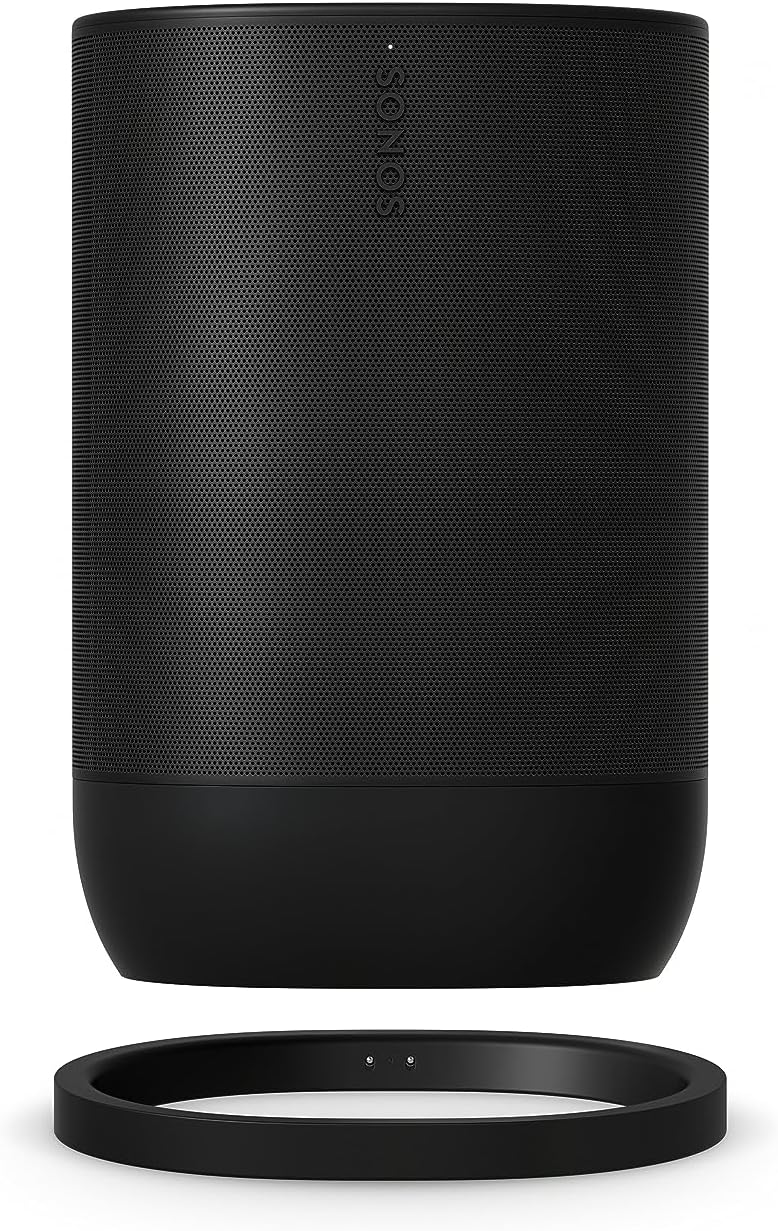
Among the best designer smart speakers, the apple HomePod stands out for its minimalist cylinder wrapped in acoustically transparent mesh. This smart speaker uses an array of microphones and a powerful voice assistant to adapt spatial audio output to the room, which matters when you place it near marble, glass, or other reflective surfaces. In many luxury apartments, a pair of apple HomePod units replaces bulky hi fi towers while still delivering rich audio and precise sound staging.
The smaller homepod mini extends this design language into more intimate spaces such as bedrooms, studies, and walk in dressing rooms. Despite its mini footprint, this smart speaker offers impressive sound for its size and works as a hub for other smart devices, from connected blinds to designer lighting. Owners often combine several homepod mini speakers to create a discreet multiroom system that keeps cables hidden and surfaces clean.
For those comparing premium wireless options, it is worth reading an in depth review of premium wireless speakers that rival wired hi fi before deciding how a HomePod based setup fits into a broader system. Apple leverages tight integration between the apple HomePod, iPhone, and Apple TV to make voice commands feel effortless for everyday listening and cinematic nights. When combined with other best smart components, these speakers create a cohesive, design forward environment where audio, lighting, and visuals respond instantly to subtle voice assistants cues.
Amazon echo, echo dot, and echo studio in luxury interiors
Amazon has steadily refined the amazon echo family to appeal to more design conscious buyers who still value aggressive innovation. The spherical echo and compact echo dot now present softer silhouettes that sit well on stone consoles, wooden shelves, or leather topped desks. In penthouses and villas, these smart speakers often act as secondary units that complement a main echo studio or dedicated hi fi system.
The echo studio is the flagship amazon echo speaker aimed at listeners who want immersive sound without visible amplifiers or racks. Its multi driver array and support for advanced formats allow it to project detailed audio into large open plan spaces, while the dark fabric and subtle cutouts keep the design understated. When paired with other smart devices, the echo studio can handle voice commands for music, security cameras, and ambient lighting scenes in one elegant package.
Amazon Alexa remains a central reason many luxury owners choose these smart speakers, because the voice assistant supports a vast catalog of third party services and devices. From high end motorized shades to bespoke lighting systems, amazon alexa integrations let a single smart speaker control complex scenes with simple voice commands. For a closer look at how premium wireless speakers behave in sophisticated environments, many enthusiasts consult detailed tests such as the review of a premium wireless multiroom speaker with high resolution audio before finalizing their amazon echo based layout.
Google nest and the art of discreet smart displays
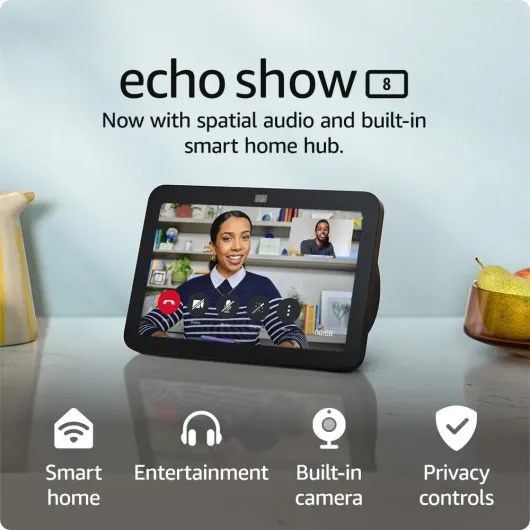
Google positions the google nest line as a calm, almost invisible layer of intelligence in the home. Each google nest smart speaker and smart display uses soft curves, fabric finishes, and muted colors to blend into bookshelves, kitchen counters, and bedside tables. For luxury tech enthusiasts, this discretion allows bold furniture and art pieces to remain the visual focus while smart devices quietly handle automation.
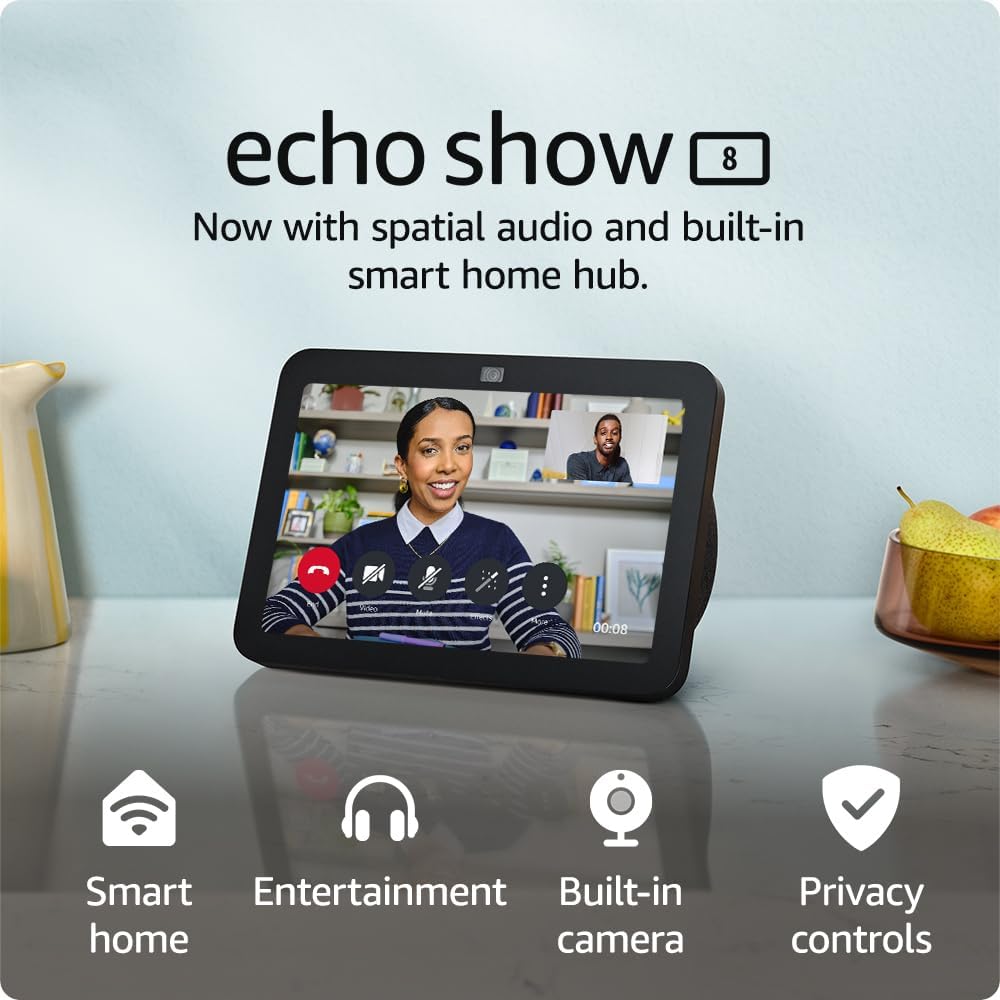
The combination of google assistant and refined industrial design makes these smart speakers particularly attractive in contemporary interiors. A compact google nest mini can sit beside a sculpture without drawing attention, yet still respond instantly to voice commands for music, news, or climate control. Larger smart display models add visual feedback for cameras, intercom functions, and lighting scenes, which is useful in expansive properties with multiple zones.
In multi brand ecosystems, google assistant often coexists with other voice assistants such as amazon alexa or Siri, giving residents flexibility in how they interact with technology. Designers sometimes specify google nest speakers in secondary spaces such as kitchens and corridors, while reserving more statement pieces from other brands for main living areas. This layered approach ensures that the best designer smart speakers serve both aesthetic and functional roles, with each smart speaker chosen for how well it complements the surrounding architecture.
Elite sound systems and spatial audio for luxury listening rooms
For dedicated listening rooms and media spaces, the best designer smart speakers often work alongside elite sound systems rather than replacing them. High end headphones and planar magnetic models, such as those discussed in this analysis of next generation planar magnetic sound, show how far audio engineering has progressed. Smart speakers now borrow similar processing techniques to deliver spatial audio that feels expansive even from compact enclosures.
Luxury clients frequently combine a central smart speaker or smart display with hidden amplifiers, in ceiling speakers, and dedicated subwoofers. In these setups, a device like the echo studio, apple HomePod, or a larger google nest model acts as the control hub and voice assistant, while more powerful components handle the heavy lifting for sound. This hybrid approach preserves the clean lines of a designer interior while still achieving reference level audio performance.
Voice assistants have become sophisticated enough to manage complex scenes, from dimming lights and closing blinds to selecting the best smart source for a given playlist. A single smart speaker can trigger high resolution streaming on third party components, ensuring that even demanding listeners enjoy pristine audio. When executed well, these systems prove that smart speakers and elite sound engineering can coexist in a way that respects both design and acoustic purity.
How to choose the best designer smart speakers for your space
Selecting the best designer smart speakers for a luxury property starts with understanding how each room is used. In social spaces such as living rooms and terraces, a larger smart speaker like the apple HomePod or echo studio often makes sense because it can fill the area with balanced sound. More intimate rooms benefit from mini formats such as the homepod mini, echo dot, or google nest mini, which provide subtle audio and full voice assistant capabilities without visual clutter.
Compatibility with existing smart devices is another critical factor, especially when mixing brands and third party systems. If your household already relies heavily on amazon alexa, adding more amazon echo speakers will keep voice commands consistent across rooms, while Apple centric homes may prefer a network of HomePod units. Those invested in Android and Google services often find that google assistant on google nest speakers integrates best with their calendars, maps, and media libraries.
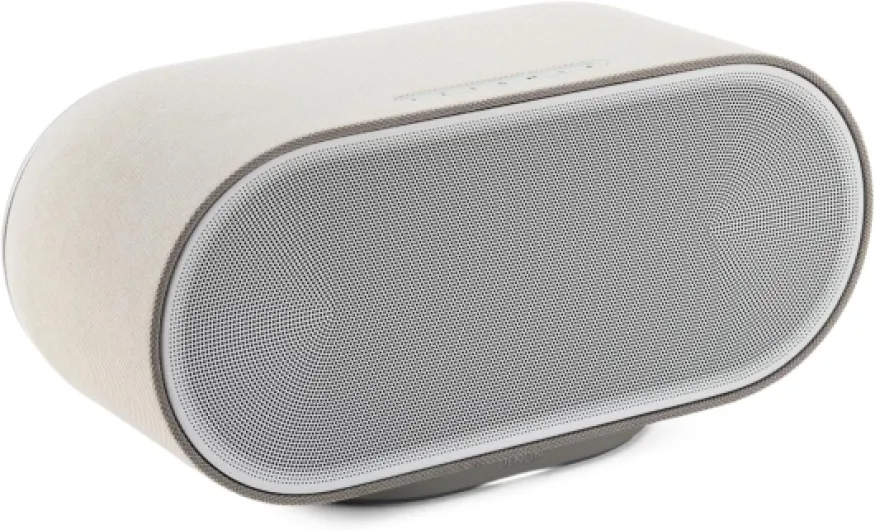
Finally, pay attention to materials, colors, and cable management so that each smart speaker enhances rather than disrupts the interior design. Fabric wrapped speakers in neutral tones usually sit well with stone, wood, and metal finishes, while bolder colors can highlight specific zones. By treating smart speakers as both functional devices and design objects, you ensure that every voice assistant, smart display, and portable smart unit contributes to a coherent, luxurious atmosphere.
Key figures on designer smart speakers and luxury audio adoption
- Global smart speaker shipments surpassed 200 million units according to Canalys, with premium models from Apple, Amazon, and Google capturing a growing share of revenue in the higher price brackets.
- Research from Strategy Analytics shows that more than 40 percent of smart speakers sold in advanced markets are now used primarily for music and audio, underscoring the importance of sound quality and spatial audio features.
- A survey by Deloitte found that households with three or more smart devices are significantly more likely to add additional smart speakers, which aligns with the multiroom strategies seen in luxury homes.
- Data from Futuresource Consulting indicates that voice assistants are now a key purchase driver, with over 60 percent of buyers citing the quality of the voice assistant as a deciding factor when choosing between amazon alexa, google assistant, and other platforms.