How amplification and streaming define system character
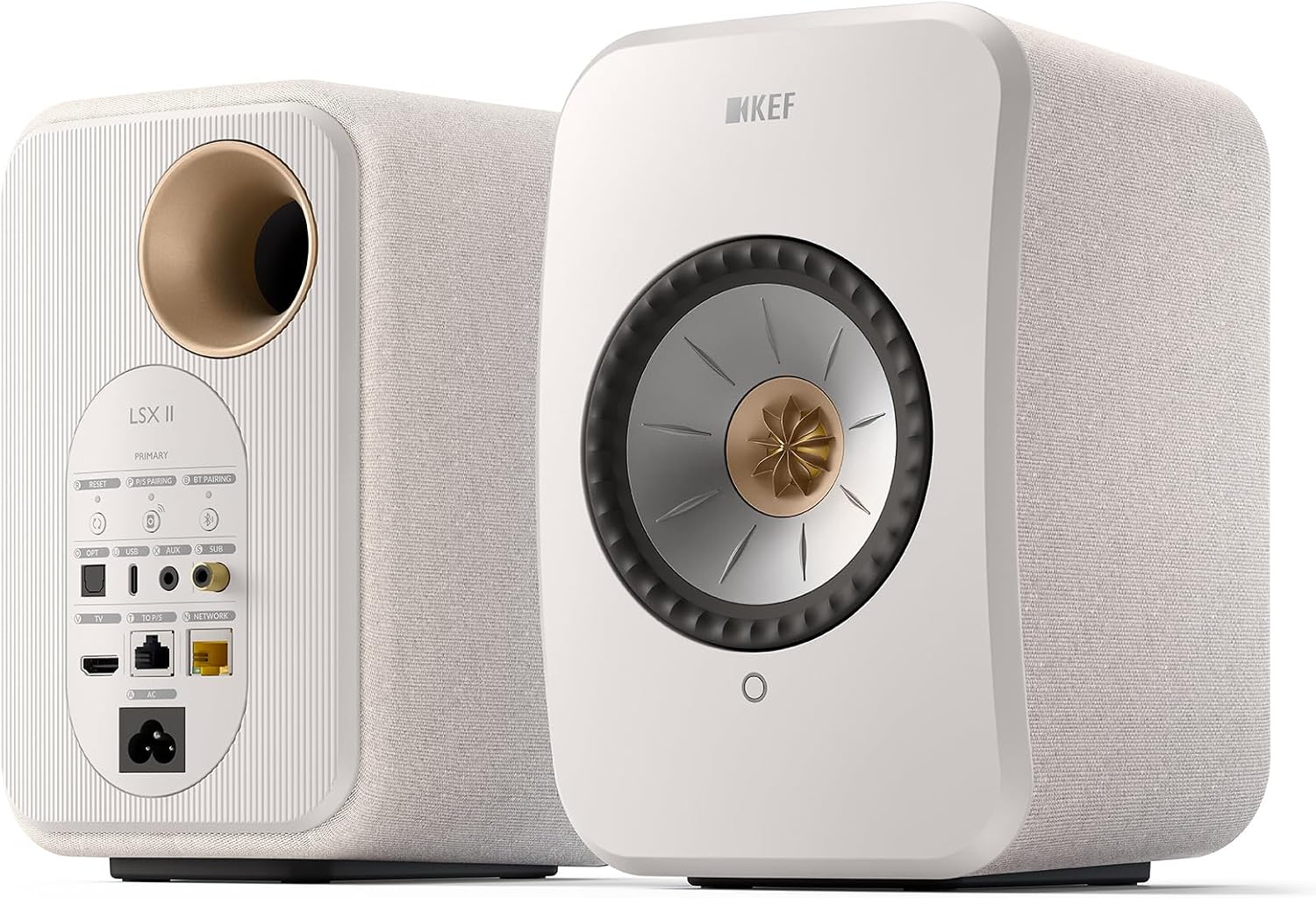
Even the best audiophile grade sound systems will underperform if the amplification cannot provide clean power and current. A high quality streaming amplifier now often replaces separate preamplifier, DAC and network streamer, simplifying the system while maintaining high audio performance. For luxury tech enthusiasts, the right streaming amplifier becomes the digital heart of the system, managing every audio source from local files to high resolution streaming services.
When you read a detailed review of a streaming amplifier, pay attention to how it handles both low level detail and high level dynamics. A well engineered unit should maintain composure when driving demanding floorstanding speakers, preserving sound quality at realistic listening levels without strain or compression. The best designs also integrate room correction and advanced DAC architectures, which help a loudspeaker system deliver a more accurate image in less than perfect spaces.
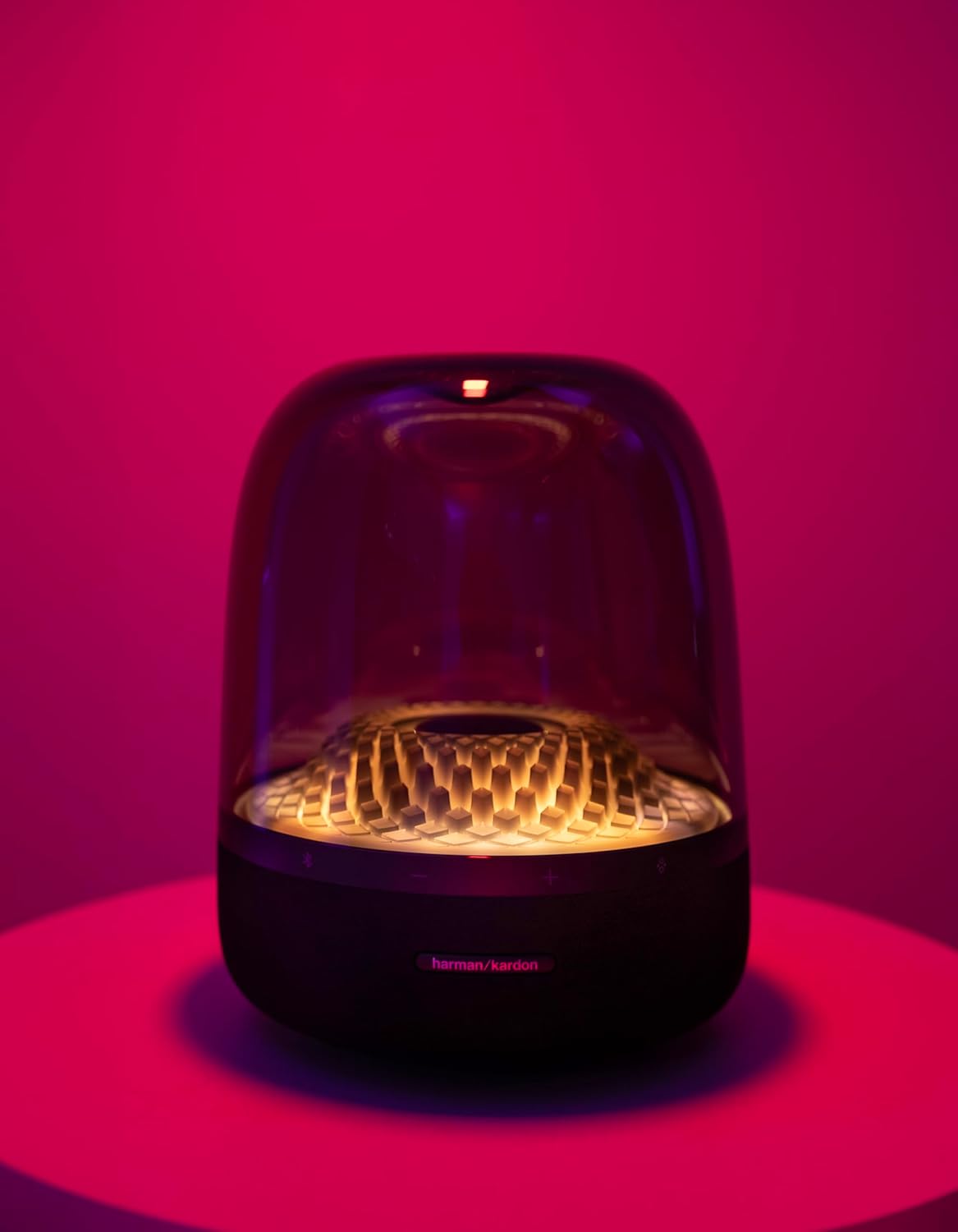
For those exploring design focused systems, the Harman Kardon Aura Studio line shows how lifestyle products can still aim for audiophile sensibilities. A test of the Aura Studio 4, for example, highlights how a compact speaker system with integrated streaming can offer immersive sound and sculptural aesthetics in smaller rooms, even if it cannot match the full range authority of large floorstanding speakers. Reading such a review helps clarify where a product sits on the spectrum between lifestyle convenience and pure audiophile performance.
Power ratings on amplifiers can be misleading if taken in isolation, because the real question is how that power interacts with the loudspeaker load. A nominal 100 watt amplifier may struggle with a complex floorstanding loudspeaker impedance curve, while a seemingly modest unit with robust current delivery can control the drivers with ease. Matching the amplifier to the speaker system ensures that transient peaks, bass notes and high frequency detail remain clean at any realistic level.
Entry level streaming amplifiers have improved dramatically, allowing newcomers to build the best audiophile grade sound systems at a more accessible price point. These units often include HDMI, multiroom capabilities and app based control, which appeal to luxury tech users who expect seamless integration with the rest of their connected home. As you move up in price, you gain better DAC sections, lower noise floors and more refined analog stages, which translate directly into improved sound quality and a more stable stereo image.
For collectors who already own reference loudspeakers from Sonus Faber, Bowers Wilkins or Wilson Audio, upgrading to a flagship streaming amplifier can unlock previously hidden layers of detail. The combination of high resolution streaming, powerful amplification and precise volume control allows the loudspeaker system to perform closer to its design potential. In such systems, the amplifier is not merely a power source but a critical component that shapes the overall character of the sound.
Designing a coherent luxury system around floorstanding loudspeakers
Building the best audiophile grade sound systems is less about collecting individual award winner components and more about designing a coherent chain. A well balanced system aligns the character of the floorstanding speakers, the tonal signature of the streaming amplifier and the acoustic properties of the room, so that the final sound feels natural and emotionally engaging. When these elements are in harmony, the listener experiences a stable image, convincing dynamics and a sense of ease even at high playback level.
Floorstanding speakers remain the reference choice for many audiophile listeners because they can deliver full range performance without relying heavily on subwoofers. A carefully positioned floorstanding speaker will reproduce deep bass, articulate midrange and extended treble from a single loudspeaker system, which simplifies integration and preserves timing. This is why so many top tier systems built around Sonus Faber, Bowers Wilkins or Wilson Audio models are considered system best examples in show reports and expert reviews.
Sonus Faber floorstanding loudspeakers such as the Faber Lumina series illustrate how cabinet geometry and material selection influence both sound and aesthetics. The Faber Lumina models use leather, wood and carefully damped enclosures to control resonances, which contributes to a smooth sound quality that many listeners describe as musical rather than analytical. When paired with a neutral streaming amplifier, a Sonus Faber speaker system can create a wide, deep image that flatters both classical recordings and modern electronic productions.
Bowers Wilkins floorstanding speakers take a more technical approach, with features like Continuum cones and decoupled tweeters designed to minimize distortion. In a well set up room, a Bowers Wilkins floorstanding loudspeaker can project a precise stereo image where instruments occupy clearly defined positions, which is ideal for listeners who value accuracy. Matching these speakers with an amplifier that offers firm control and ample power ensures that the system maintains composure even on complex, high energy tracks.
For those interested in surveying the landscape of elite systems, curated overviews of top audiophile grade sound systems can be extremely helpful. A comprehensive guide that compares different loudspeaker system philosophies, amplification choices and streaming solutions allows you to read structured insights before arranging your own listening sessions. Such resources often highlight how different brands interpret what the best audiophile grade sound systems should prioritize, whether that is ultimate resolution, emotional engagement or architectural design.
Wilson Audio floorstanding speakers Wilson occupy a special place in this ecosystem, often serving as reference points at high end shows and dealer demonstrations. Their loudspeaker system designs prioritize time alignment, modular construction and extreme rigidity, which together produce explosive dynamics and a lifelike image when driven by suitably powerful amplifiers. For many enthusiasts, hearing a Wilson Audio system best setup becomes a benchmark experience that reshapes expectations of what recorded sound can achieve in a domestic space.
Balancing price, performance and luxury in audiophile systems
Luxury tech enthusiasts evaluating the best audiophile grade sound systems inevitably confront the relationship between price and performance. While the speakers price and electronics cost can climb quickly in the high end segment, careful planning allows you to reach a satisfying performance level without unnecessary excess. The key is to understand where each additional euro delivers audible gains in sound quality and where it mainly adds cosmetic or collectible value.
At the entry level of serious hi fi, a well chosen floorstanding speaker paired with a competent streaming amplifier can already outperform many lifestyle systems. Brands like Sonus Faber with the Faber Lumina range, or Bowers Wilkins with their more accessible floorstanding speakers, offer models that bring genuine audiophile speaker performance into living rooms without requiring dedicated listening spaces. In this segment, the best system choices prioritize balanced tonality, decent power handling and a coherent image over exotic materials or extreme specifications.
As you move to higher price point categories, you begin to encounter award winner products that have been extensively reviewed by specialist publications. These components often feature upgraded crossover parts, more sophisticated cabinet construction and higher power reserves, which together refine the sound quality and dynamic ease of the system. Reading multiple review perspectives helps you separate marketing claims from genuine engineering advances, especially when comparing speakers price across competing brands.
Ultra high end systems built around Wilson Audio floorstanding loudspeakers or flagship Sonus Faber models represent a different proposition, where luxury craftsmanship and collectible status join pure performance. Here, the system best configuration may involve separate mono power amplifiers, dedicated power conditioning and custom room treatment to fully exploit the loudspeaker system capabilities. For some owners, the visual presence of large floorstanding loudspeakers Wilson in a carefully designed room is as important as the audio experience itself.
One often overlooked factor is long term upgrade strategy, which can protect both enjoyment and investment. Choosing a flexible streaming amplifier with modular architecture, for example, allows you to adopt new audio formats and services without replacing the entire system, which improves overall value at any price point. Similarly, selecting a neutral, well engineered audiophile speaker from a stable brand such as Bowers Wilkins, Sonus Faber or Wilson Audio ensures strong resale interest if you later decide to move further up the ladder.
For readers interested in how traditional technologies intersect with modern wireless designs, the evolution of vacuum tube stages in portable and wireless products offers a fascinating case study. Analyses of vacuum tubes in wireless headphones show how designers attempt to blend analog warmth with digital convenience, a tension that also shapes many decisions in high audio system building. Understanding these trends helps you read product positioning more critically and decide whether a given feature genuinely enhances sound or simply adds lifestyle appeal.
Fine tuning sound quality, imaging and listening levels
Once the core components of the best audiophile grade sound systems are in place, fine tuning becomes the art that separates good from exceptional. Small adjustments in speaker placement, listening position and room treatment can transform the sound stage, tonal balance and perceived power of a system. Many enthusiasts underestimate how much a carefully optimized loudspeaker system can improve image focus and low level detail retrieval.
Start with the basics of positioning your floorstanding speakers to form an equilateral triangle with the listening seat, then adjust toe in to balance center image solidity against sound stage width. Moving a floorstanding loudspeaker just a few centimeters away from the rear wall can tighten bass and clarify midrange, especially with full range designs from Sonus Faber, Bowers Wilkins or Wilson Audio. Marking final positions on the floor helps maintain the system best alignment after cleaning or furniture changes.
Listening level is another critical variable, because every speaker system has a range where it performs most linearly. At very low levels, even the finest audiophile speaker may lose some dynamic contrast, while at excessively high levels the room and your hearing become limiting factors. Finding the level where the sound quality feels both effortless and engaging allows the amplifier, loudspeaker system and room to operate in harmony.
Room acoustics play a decisive role in how you perceive the best audiophile grade sound systems, especially with powerful floorstanding speakers. Hard, reflective surfaces can exaggerate high frequency energy and blur the image, while excessive soft furnishings may over damp the sound and reduce liveliness. Strategic use of absorbers and diffusers behind the speakers and at first reflection points can help a floorstanding loudspeaker project a more stable, three dimensional sound stage.
Electronics also influence fine tuning, particularly when using a streaming amplifier with built in room correction or tone shaping tools. Subtle equalization can compensate for unavoidable room modes without compromising the fundamental character of the speakers, especially in systems where large floorstanding speakers Wilson or Bowers Wilkins models interact strongly with boundaries. The goal is not to chase a perfectly flat measurement, but to achieve a natural tonal balance that suits your music and listening preferences.
Regularly revisiting setup after component changes or room modifications keeps the system performing at its peak. When you read a new review of a component you already own, pay attention to how the reviewer describes optimal placement, power requirements and synergy with different loudspeaker system types. Applying these insights to your own room can yield improvements that rival far more expensive hardware upgrades, reinforcing the value of knowledge and careful listening in the pursuit of the best audiophile grade sound systems.
Entry level to reference grade: mapping your upgrade path
For many luxury tech enthusiasts, the best audiophile grade sound systems are not bought in a single transaction but built over time. A clear upgrade path from entry level components to reference grade systems helps you allocate budget intelligently and avoid redundant purchases. Thinking in stages also allows you to enjoy each system best configuration fully before moving to the next tier.
The first stage often combines an entry level streaming amplifier with a pair of compact floorstanding speakers from brands like Sonus Faber or Bowers Wilkins. At this level, focusing on a balanced audiophile speaker with honest sound quality and reasonable speakers price delivers more satisfaction than chasing exotic cables or accessories. A well chosen Faber Lumina or similar model can serve as a long term foundation, even as electronics evolve around it.
In the second stage, upgrading the streaming amplifier to a more powerful, lower noise design typically brings immediate gains in dynamics, clarity and image stability. This is where many listeners begin to appreciate the full range capabilities of their floorstanding loudspeaker, especially on complex orchestral or electronic tracks played at realistic level. Careful auditioning of reviewed amplifiers that match the impedance and sensitivity of your speakers ensures that the new component unlocks, rather than merely shifts, the system character.
The third stage often involves moving from midrange floorstanding speakers to more ambitious loudspeaker system designs, possibly including models from Wilson Audio or higher tier Sonus Faber and Bowers Wilkins lines. Such speakers demand both financial commitment and careful room integration, but they also redefine what the best audiophile grade sound systems can convey in terms of realism and emotional impact. At this point, many owners also invest in dedicated power lines, equipment racks and acoustic treatment to support the new speakers.
Throughout these stages, maintaining a clear sense of priorities prevents the upgrade path from becoming an endless loop. Allocating the largest share of budget to the speaker system and room, followed by the streaming amplifier and source components, aligns with how each element influences perceived sound quality. Accessories, while not irrelevant, should enhance an already well balanced system rather than compensate for fundamental mismatches.
Ultimately, the goal is to reach a point where the system best serves the music, and the urge to change components gives way to the desire to explore new recordings. Whether your journey ends with a refined Faber Lumina based setup or a statement system featuring floorstanding speakers Wilson and reference grade electronics, the principles remain the same. Thoughtful choices, careful listening and respect for the synergy between speaker, amplifier and room will always define the true best audiophile grade sound systems.
Key figures shaping the high end audio landscape
- According to the Consumer Technology Association, premium audio components and systems above 1 000 € represent a steadily growing niche, with unit sales increasing by around 8 % over the last reported period, driven largely by demand for high performance streaming solutions.
- Market analyses from firms such as Grand View Research indicate that the global high end audio equipment market is projected to reach several billion euros in value within a few years, reflecting rising interest in best audiophile grade sound systems among affluent consumers in Europe and Asia.
- Industry surveys show that more than 60 % of new high end system purchases now include a network capable streaming amplifier or streamer, confirming that integrated digital sources have become central to modern audiophile system design.
- Room acoustics studies published by organizations like the Audio Engineering Society suggest that optimized speaker placement and basic acoustic treatment can improve measured in room response by up to 30 %, often delivering greater audible benefits than equivalent budget increases in electronics.
- Listening tests conducted by various hi fi magazines consistently report that, at comparable price points, allocating roughly 40 to 50 % of the system budget to the loudspeaker system yields the most significant improvements in perceived sound quality for most listeners.