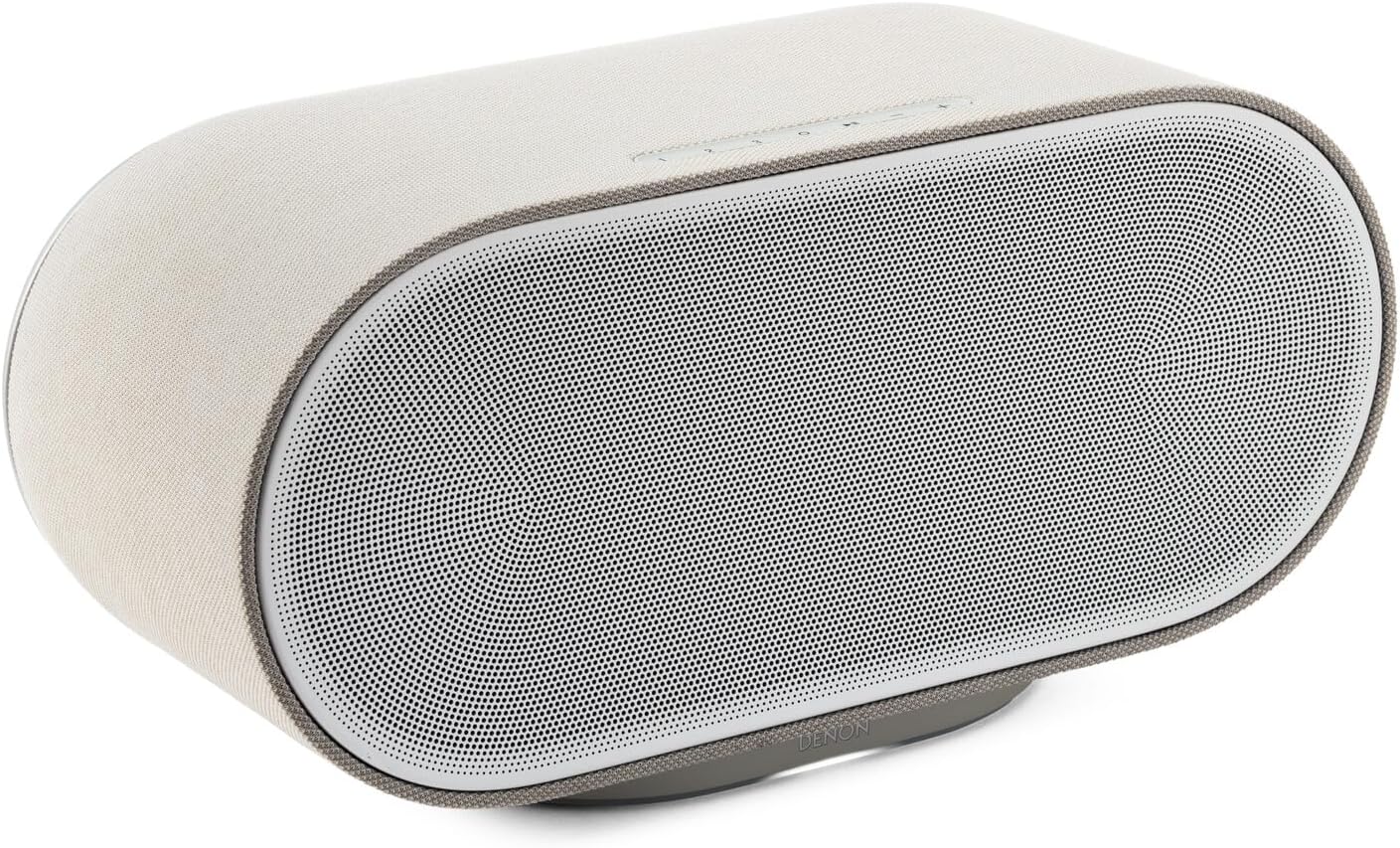
Sonos, Denon, and JBL: contrasting philosophies in luxury wireless audio
Among the best high end wireless speaker systems, Sonos, Denon, and JBL represent three distinct approaches to premium sound. Sonos focuses on effortless multi room integration, Denon leverages its hi fi heritage through the HEOS platform, and JBL emphasizes bold sound with a lifestyle edge. Understanding these philosophies helps you match each wireless speaker or stereo pair to a specific room and purpose.
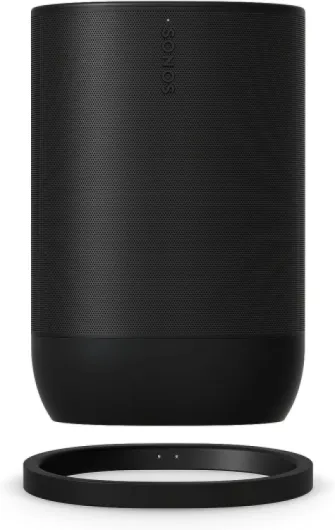
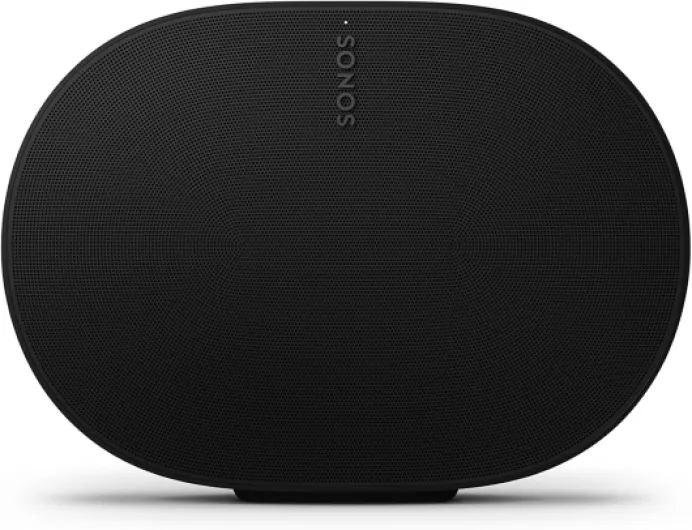
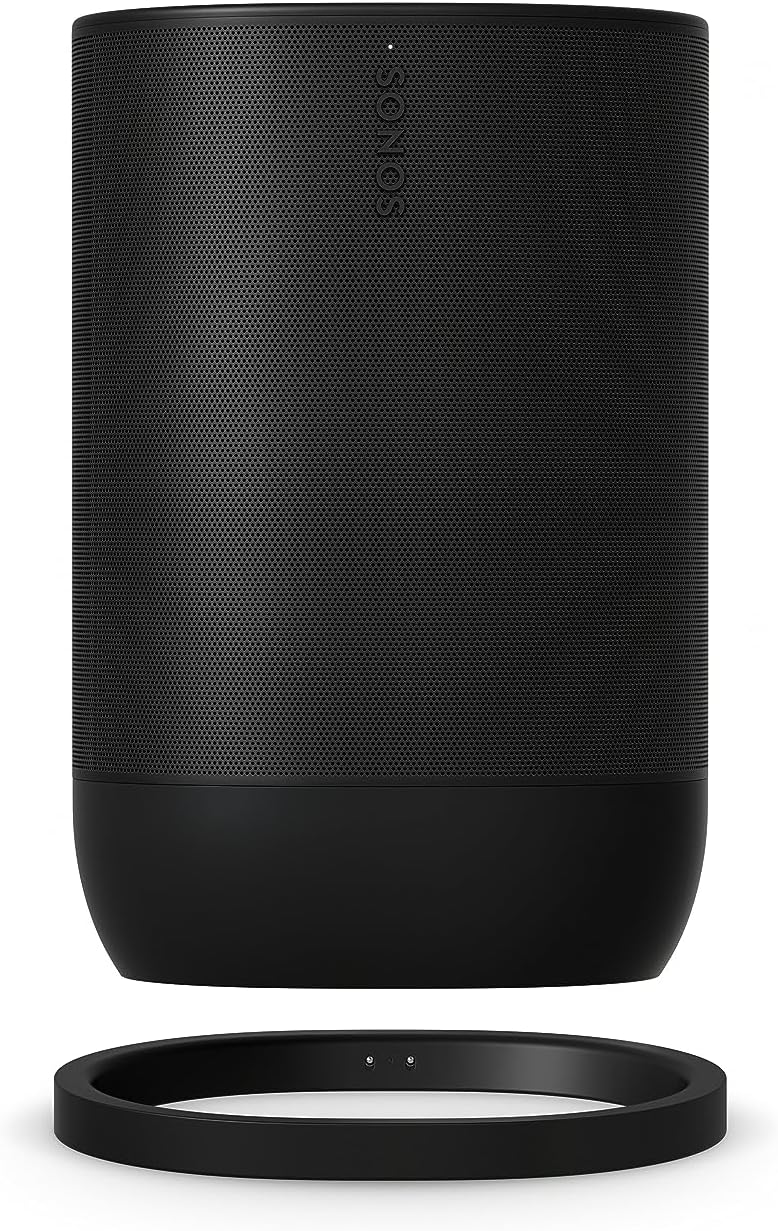
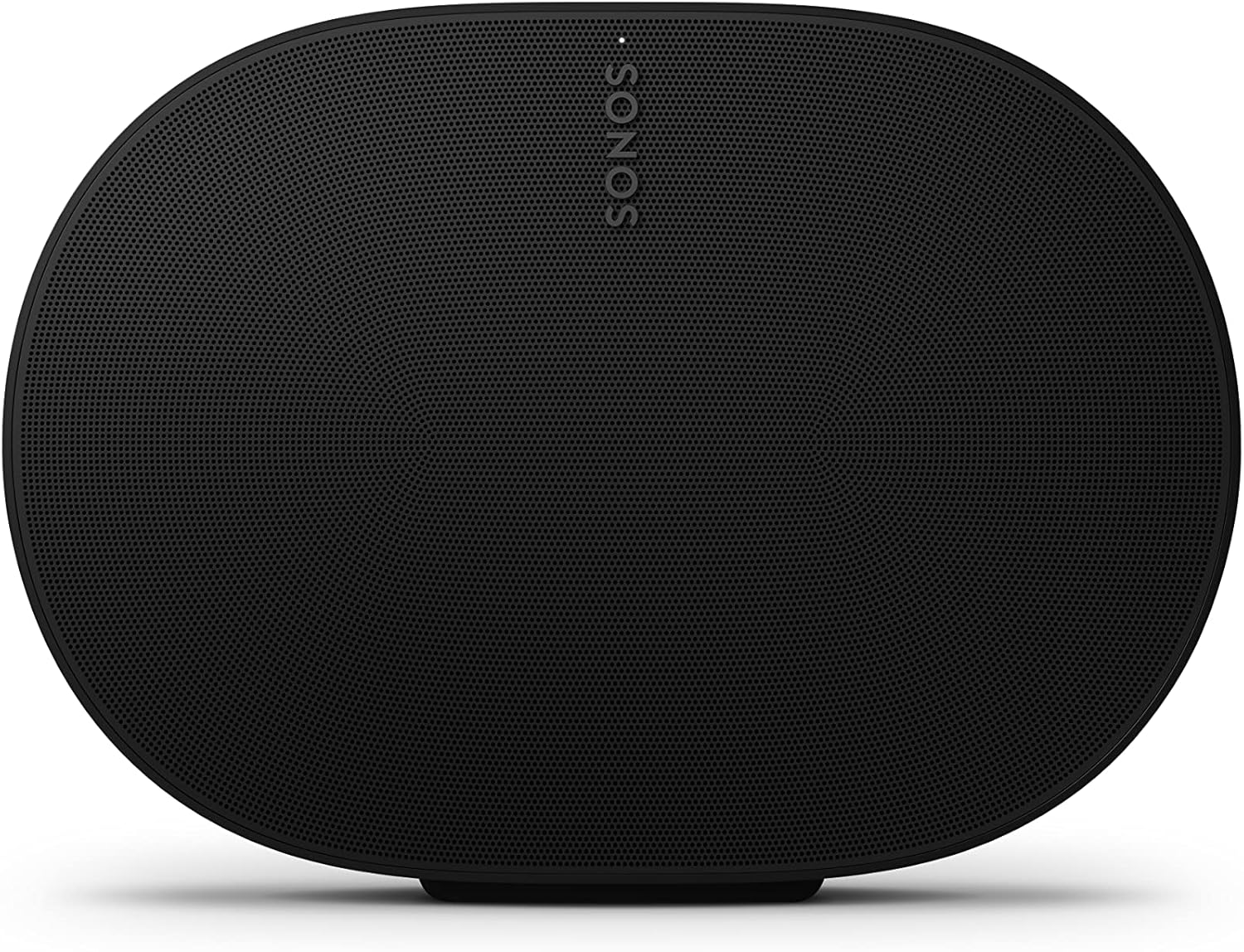
Sonos has become a reference for wireless speakers that simply work, especially in design led homes. The Sonos Era models refine this vision with improved audio clarity, enhanced voice control, and flexible connectivity that includes bluetooth and line in options. When combined with a Sonos Move or a Sonos Move 2 portable unit, you can extend the same sound signature from the living room to the terrace without sacrificing quality.
Denon takes a more traditional audio route by embedding its HEOS multi room technology into both speakers and AV receivers. A Denon system can drive serious floorstanding speakers in a cinema room while smaller HEOS wireless speakers handle background music in the kitchen or office. This architecture suits owners who want the convenience of the best wireless control without abandoning classic hi fi components.
How JBL and portable luxury speakers fit your lifestyle
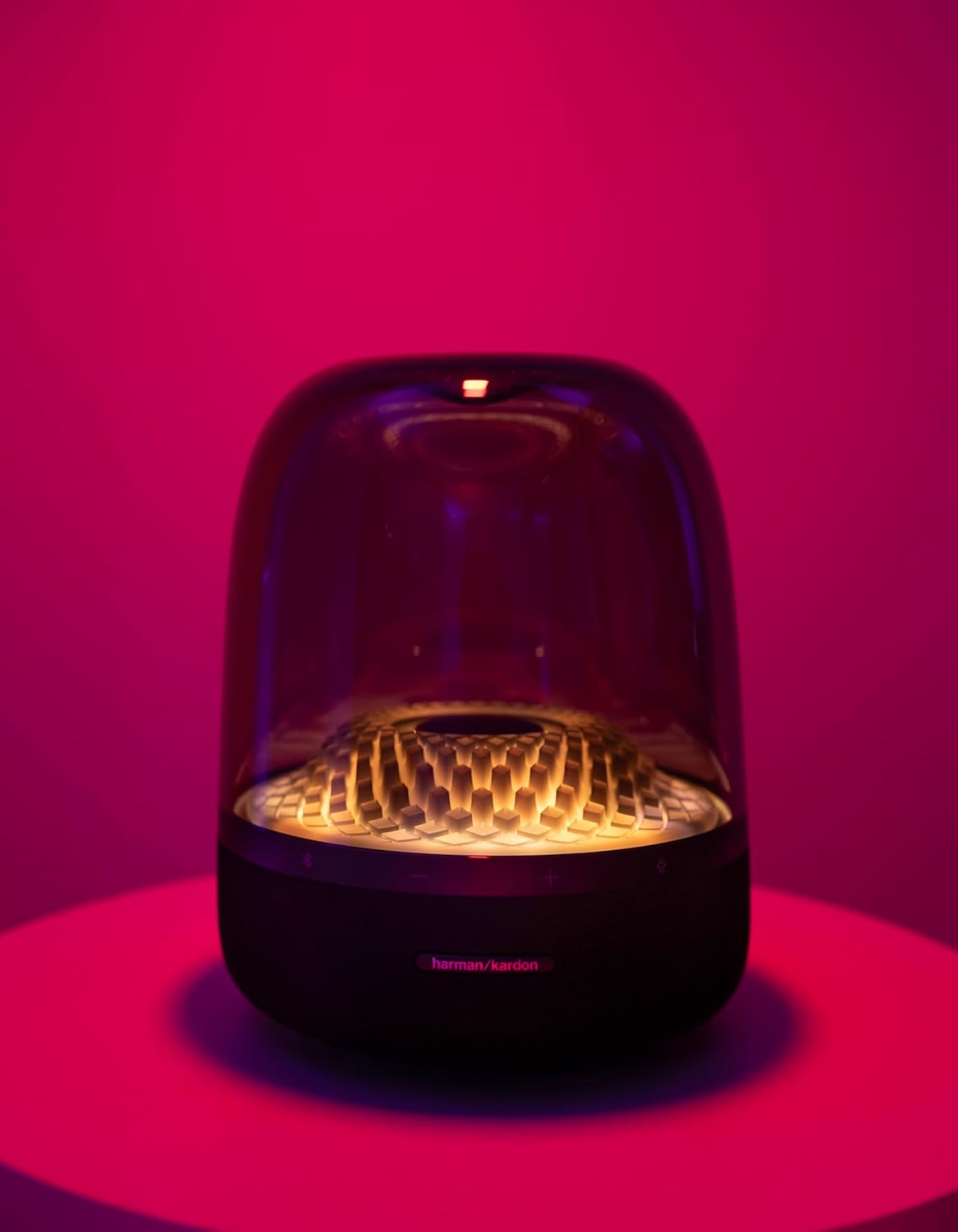
JBL, by contrast, excels with robust bluetooth speakers that thrive outdoors or in more informal spaces. While many JBL wireless speakers are not as discreet as a Sonos Era or an Apple HomePod, they deliver powerful sound and impressive battery life for poolside parties or yacht decks. For some luxury buyers, this energetic character complements rather than competes with a more refined main system.
When evaluating price across Sonos, Denon, and JBL, consider the total system rather than a single speaker. A carefully planned multi room layout using a mix of mains powered speakers and portable bluetooth speakers often yields better value than over investing in one flagship unit. Reading a detailed test such as a Sonos Move 2 wireless portable speaker review will clarify how each product behaves in real homes.
For a dedicated cinema or media room, pairing a Denon receiver with HEOS multi room capabilities and a Dolby Atmos speaker array can outperform many all in one soundbars. In social spaces, however, a cluster of Sonos Era speakers or compact JBL bluetooth speakers may offer more flexible placement and easier control. The best choice will depend on how you balance critical listening with entertaining guests.
KEF LSX, Audio Pro, and Apple HomePod in refined interiors
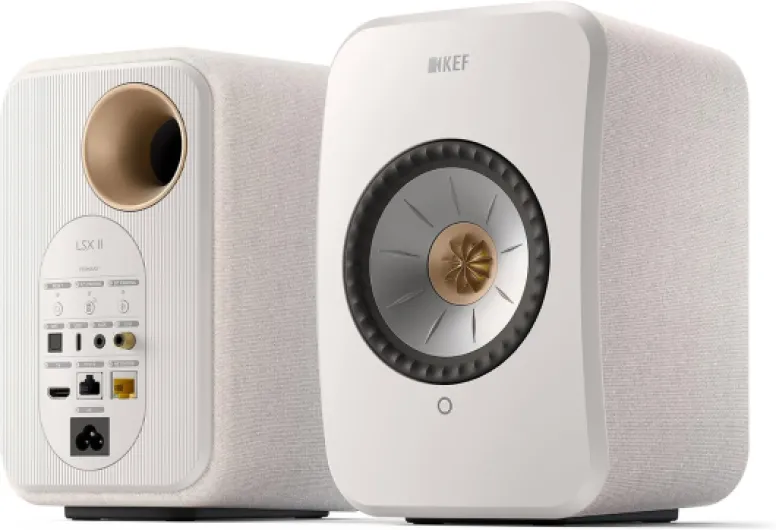
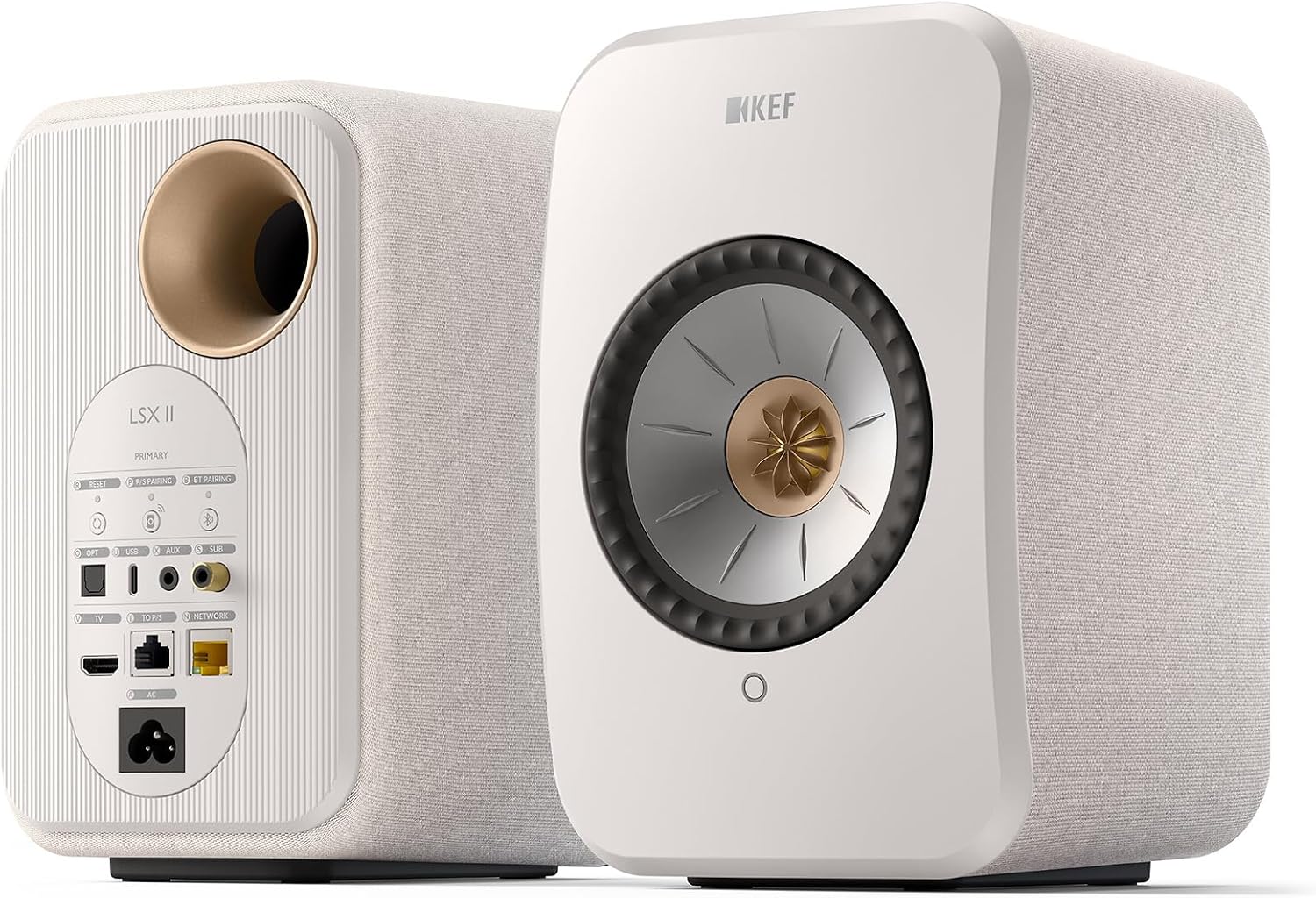
Design conscious owners often gravitate toward KEF LSX and Audio Pro systems when curating the best high end wireless speaker systems for elegant interiors. The KEF LSX speakers combine compact proportions with serious stereo imaging, making them ideal for a study, bedroom, or smaller living room. Their ability to connect via Wi Fi, bluetooth, and wired inputs allows them to function as both lifestyle objects and true hi fi components.
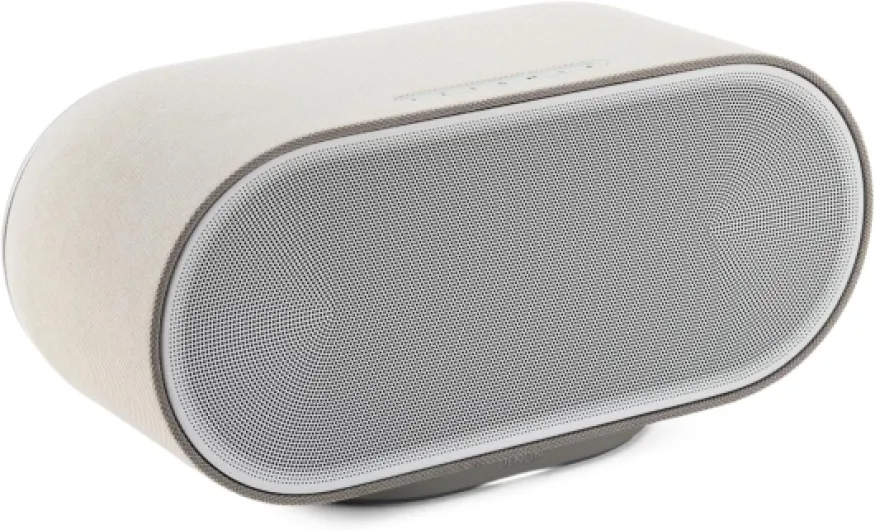
Audio Pro offers a different aesthetic, with soft Scandinavian lines and fabric finishes that blend into contemporary décor. Many Audio Pro wireless speakers support multi room playback, enabling synchronized music across several spaces without visible clutter. When paired with a discrete subwoofer, these speakers can deliver a surprisingly full sound that belies their modest footprint and understated price positioning.
Apple HomePod models, while more compact, integrate deeply with Apple Music and the broader Apple ecosystem. In a luxury home where iPhone, iPad, and Mac devices dominate, a HomePod smart speaker in each room can provide consistent sound quality and seamless voice control. Spatial audio processing on these speakers helps create a sense of width and height that flatters both music and film soundtracks.
Balancing aesthetics, connectivity, and control
When mixing KEF LSX, Audio Pro, and Apple HomePod speakers, consider how each system will handle control and connectivity. KEF LSX speakers shine as a focused stereo pair on a sideboard or dedicated stand, while Audio Pro units can fill secondary rooms with relaxed background sound. HomePod speakers excel as smart hubs, offering voice control for lighting, climate, and other devices alongside music playback.
For a coherent multi room experience, decide whether you prioritize one ecosystem or accept a hybrid approach. A single platform such as AirPlay 2 or Google Cast can unify different brands, allowing you to stream the same audio to KEF LSX speakers in the lounge and Audio Pro speakers in the kitchen. In practice, many luxury homes use a flagship stereo system in the main room and more casual wireless speakers elsewhere.
To explore how these combinations compare with other best wireless options, consult a curated overview such as this guide to top high end wireless speaker systems. Such resources help you read full specifications, understand price tiers, and see how each speaker family scales from one room to an entire property. With careful planning, the result is a layered soundscape that feels coherent yet never monotonous.
Immersive formats, HDMI ARC, and spatial audio in luxury cinemas
For dedicated cinema rooms, the best high end wireless speaker systems must handle immersive formats with authority. Dolby Atmos and other spatial audio technologies rely on precise speaker placement and timing, whether you use a soundbar with wireless surrounds or a full AV receiver with ceiling speakers. The goal is to create a three dimensional sound field where effects move smoothly around and above the listener.
HDMI ARC or its enhanced variant eARC is essential when connecting a television or projector to your audio system. This single cable can carry high quality sound from the screen to a soundbar or receiver, while allowing the TV remote to control volume and power. In a luxury installation, this simplicity matters because guests should not need to juggle multiple remotes just to enjoy a film.
Many premium soundbars from brands such as Sonos, Denon, and JBL now include upward firing drivers for Dolby Atmos effects. When paired with wireless speakers acting as rear channels, they can approximate the envelopment of a traditional multi speaker layout without extensive cabling. For larger rooms, however, a Denon receiver with HEOS multi room support and discrete speakers will still deliver the most convincing cinema scale.
Integrating cinema sound with whole home audio
One of the advantages of modern wireless systems is the ability to share audio sources across zones. A film playing in the cinema room can feed a downmixed stereo signal to wireless speakers in the bar area, allowing guests to follow the action while moving freely. This type of multi room integration turns a private screening into a fluid social experience.
When planning such setups, consider how each speaker will connect to the network and power. Mains powered speakers offer consistent performance for fixed zones, while portable bluetooth speakers with strong battery life can handle occasional overflow areas or outdoor terraces. Ensuring robust Wi Fi coverage and minimizing interference will protect the integrity of both music and film soundtracks.
For enthusiasts who also enjoy cutting edge visuals, pairing a reference cinema with advanced AR or VR displays can be compelling. High quality audio becomes even more critical when using immersive headsets or glasses, as precise sound cues anchor virtual images in space. A detailed review of premium AR hardware, such as the One Pro AR glasses with Bose sound, illustrates how elite audio and visual technologies increasingly converge.
Smart speakers, voice control, and the role of Bluetooth
Smart speakers have become central to many of the best high end wireless speaker systems, especially in kitchens, offices, and bedrooms. Devices such as Sonos Era models, Apple HomePod units, and selected JBL speakers combine competent audio with sophisticated voice control. This allows you to adjust volume, change music, or manage lighting without reaching for a phone.
Voice control performance varies between ecosystems, so consider whether you prefer Amazon Alexa, Google Assistant, or Siri integration. In some cases, you may deploy different smart speaker brands in different rooms to match specific tasks, such as using a HomePod near Apple devices and a Sonos Era in shared spaces. The key is to ensure that each wireless speaker still participates in a coherent multi room audio strategy.
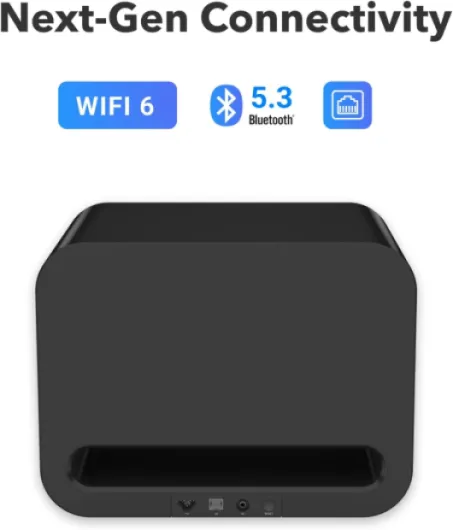
Bluetooth remains important even in Wi Fi centric homes, because guests often want to connect quickly without joining a network. High quality bluetooth codecs can deliver impressive sound, particularly to mains powered speakers with robust amplification. Portable bluetooth speakers, including the Sonos Move and many JBL models, extend this flexibility to gardens, pools, and terraces.
Battery life, portability, and everyday luxury
For portable units, battery life is a critical metric that directly affects how you use the system. A Sonos Move or similar speaker with a full day of playback can follow you from breakfast on the balcony to late night listening in a study. When combined with wireless charging bases, these devices feel less like gadgets and more like integrated parts of the home.
In a luxury context, portability does not excuse poor sound or fragile construction. The best wireless portable speakers maintain consistent audio quality at both low and high volumes, with weather resistance that suits yachts, terraces, and spa areas. Many owners pair a refined indoor system with rugged outdoor bluetooth speakers, ensuring that the character of the sound remains satisfying everywhere.
As you evaluate options, remember that a smart speaker is both a control point and an audio device. Placing one in each frequently used room creates a natural interface for music, climate, and lighting, while larger stereo or multi speaker systems handle more demanding listening. This layered approach keeps technology discreet yet always available when you need it.
Planning a coherent multi room system for a luxury property
Designing the best high end wireless speaker systems for a large residence requires a structured plan rather than ad hoc purchases. Start by mapping each room, noting its size, acoustic character, and typical use, from quiet reading spaces to lively entertaining areas. This exercise clarifies where you need full range stereo speakers, compact smart speakers, or discreet in ceiling units.
Next, choose one or two primary ecosystems that will anchor the installation, such as Sonos, HEOS by Denon, or an AirPlay 2 and Google Cast combination. A Sonos based multi room layout might use Sonos Era speakers in key rooms, a Sonos Move on the terrace, and a soundbar with HDMI ARC in the media room. A Denon and HEOS system, by contrast, could rely on AV receivers driving passive speakers in main rooms, with HEOS wireless speakers filling secondary spaces.
Consider how each zone will connect to both power and the network, because reliability matters more than raw specifications. Mains powered speakers should have clean cable management and stable Wi Fi or ethernet links, while portable bluetooth speakers can handle occasional or seasonal zones. Investing in strong network infrastructure at the outset will prevent dropouts that undermine even the best wireless designs.
Budget, upgrades, and long term satisfaction
Price should be evaluated at the system level, not per speaker, especially in large homes. Allocating more budget to the main listening room and cinema, while using more modest wireless speakers in corridors or bathrooms, often yields the highest satisfaction. This tiered approach ensures that critical listening spaces receive the finest components without overspending on rarely used zones.
Plan for future upgrades by choosing platforms with a track record of software support and new product introductions. Systems that already handle Dolby Atmos, spatial audio, and high resolution streaming are more likely to remain relevant as content evolves. When you can read full release notes and see regular improvements, it signals that the brand treats its wireless speakers as long term investments.
Ultimately, the best high end wireless speaker systems feel invisible until the music starts. Every room responds instantly, every speaker sounds coherent with the next, and control is intuitive whether through an app, a smart remote, or voice commands. When technology recedes into the background and only the sound remains, you know the system is worthy of a luxury home.
Key figures shaping the luxury wireless audio market
- Global smart speaker shipments surpassed 200 million units according to Canalys, highlighting how voice control has become a standard expectation even in high end systems.
- Dolby reports that thousands of music albums and many leading streaming services now support Dolby Atmos and other spatial audio formats, which drives demand for compatible wireless speakers and soundbars.
- Market analyses from firms such as Futuresource show that multi room audio solutions account for a growing share of premium home installations, reflecting the shift from single room stereo to whole home soundscapes.
- Apple has stated that Apple Music offers tens of millions of tracks in lossless or high resolution formats, encouraging luxury buyers to invest in wireless systems capable of revealing this extra detail.
- Industry surveys indicate that battery life and portability rank among the top three purchase criteria for wireless speakers, even in households that already own mains powered hi fi systems.