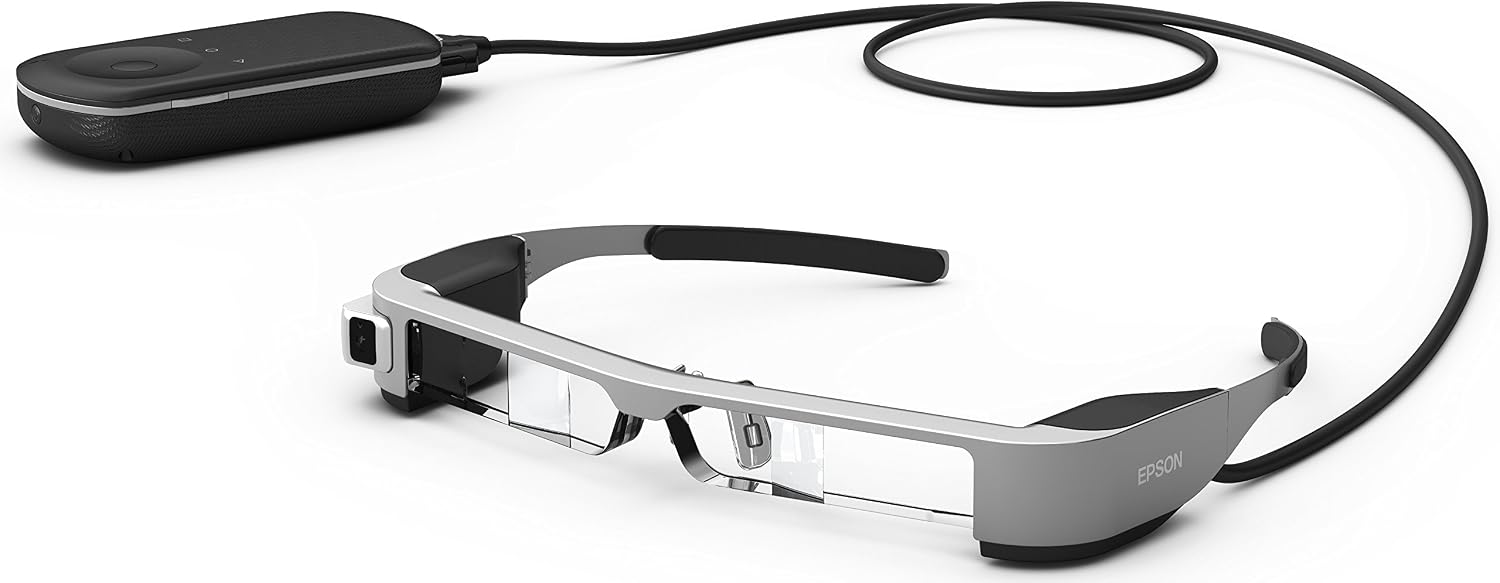
Design language and materials in the best luxury AR glasses
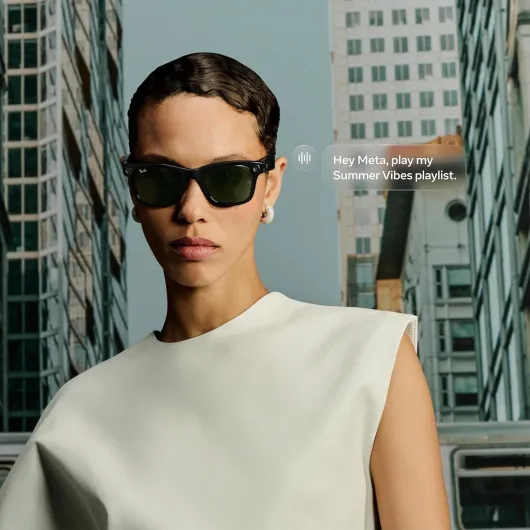
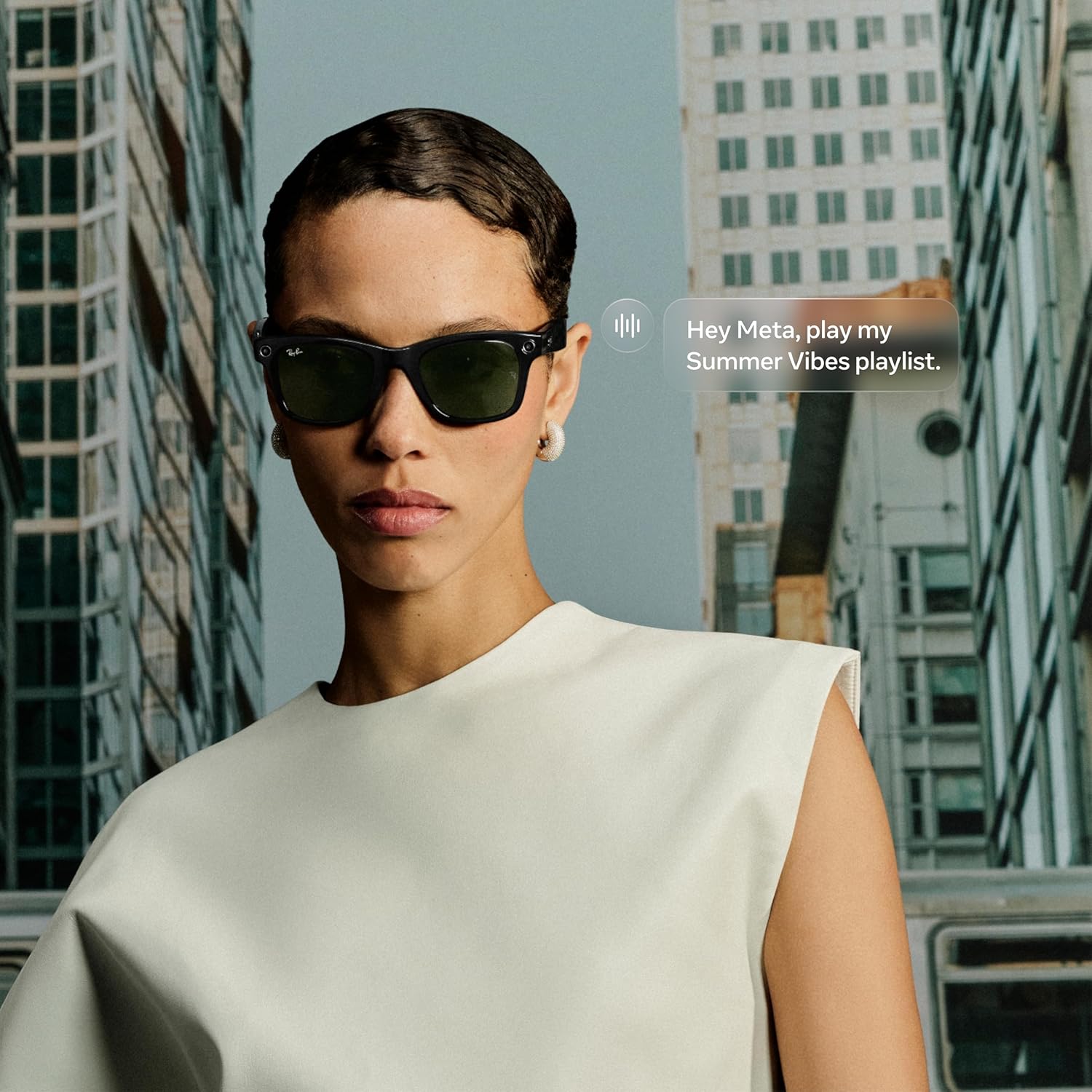
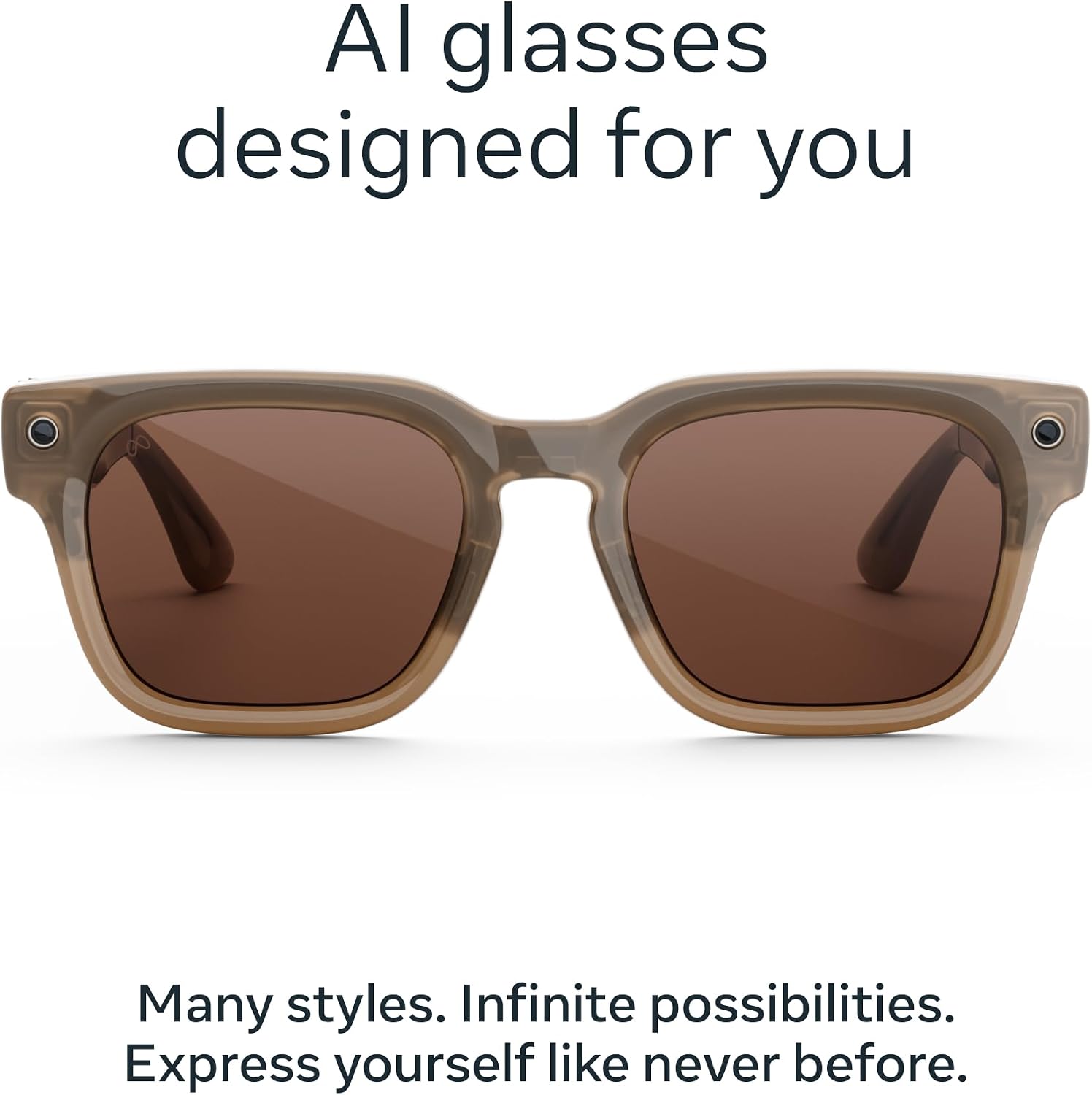
Design is where the best luxury AR glasses truly separate themselves from mass market devices. Frames inspired by ray ban silhouettes or minimalist Scandinavian lines help these glasses look familiar, while the internal augmented reality hardware remains almost invisible. For many style focused buyers, the ability to wear smart glasses that resemble classic ray ban or other heritage shapes is as important as any pro specification.
Manufacturers now experiment with titanium, acetate, and carbon fiber to balance weight, durability, and tactile feel on the skin. The best glasses in this category often use interchangeable lenses, allowing you to switch between prescription, tinted, and clear options without compromising the internal display or camera alignment. When you read a detailed review on a specialist site or a tom guide style publication, pay attention to how they describe hinge quality, nose pad comfort, and how the display glasses sit under different lighting conditions.
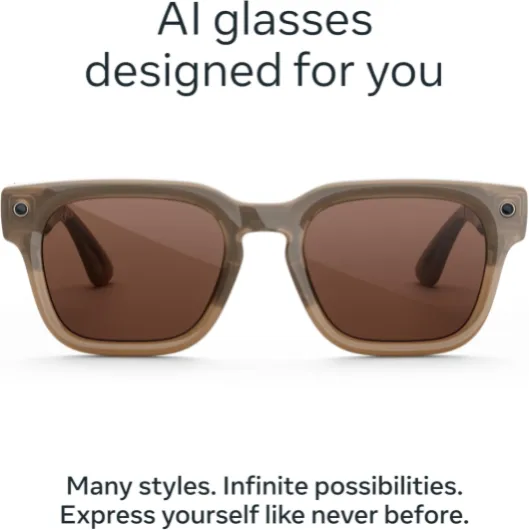
Colorways remain deliberately restrained, with black, deep tortoiseshell, and muted metallic finishes dominating the luxury segment. This palette ensures that even the most advanced smart glasses can be worn with formal tailoring or designer athleisure without drawing unwanted attention. For readers interested in broader designer wearables beyond eyewear, pairing these AR frames with a high end fitness tracker from a curated selection of designer fitness trackers creates a cohesive, understated tech ensemble.
Meta, xreal, viture and the rise of pro grade AR ecosystems
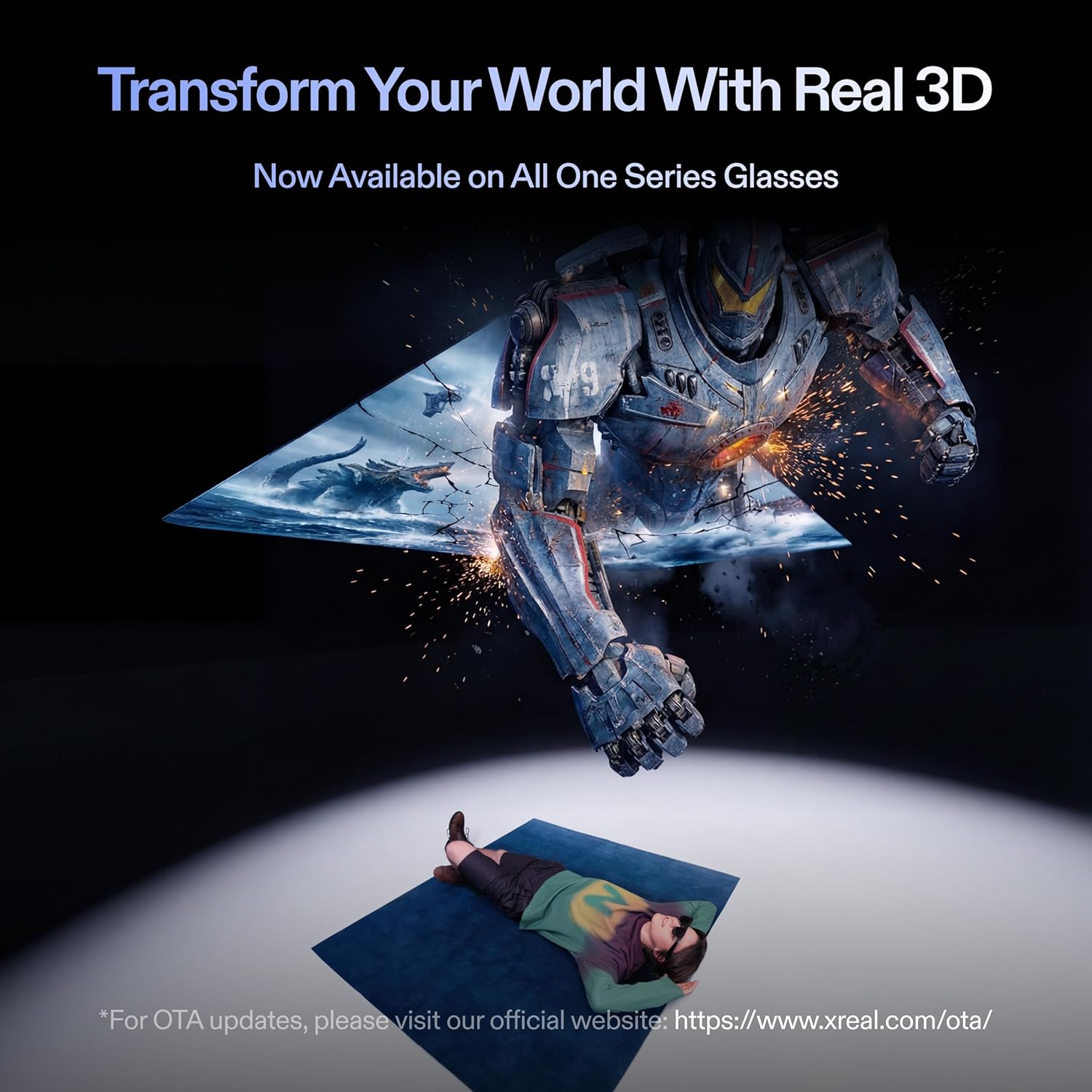
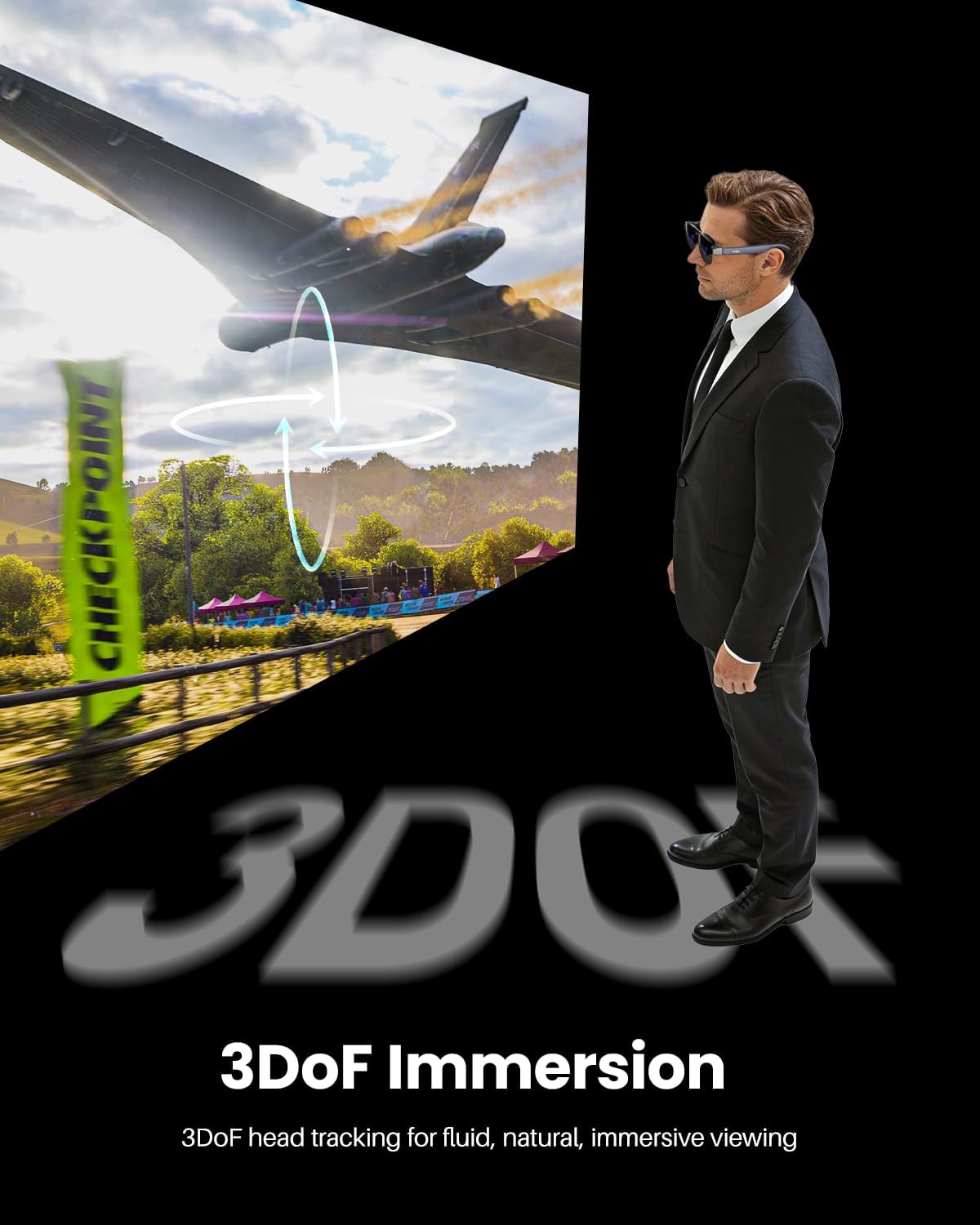
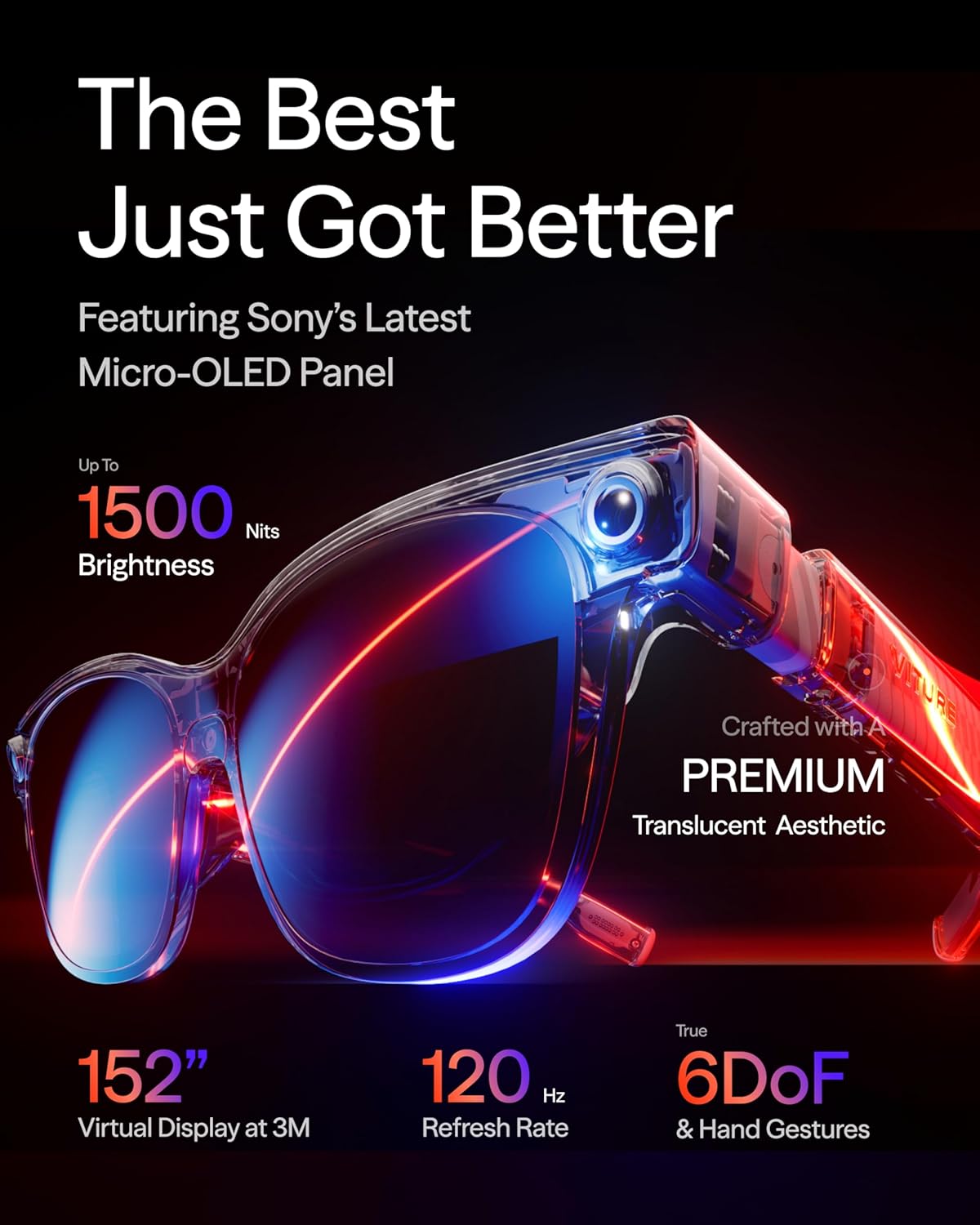
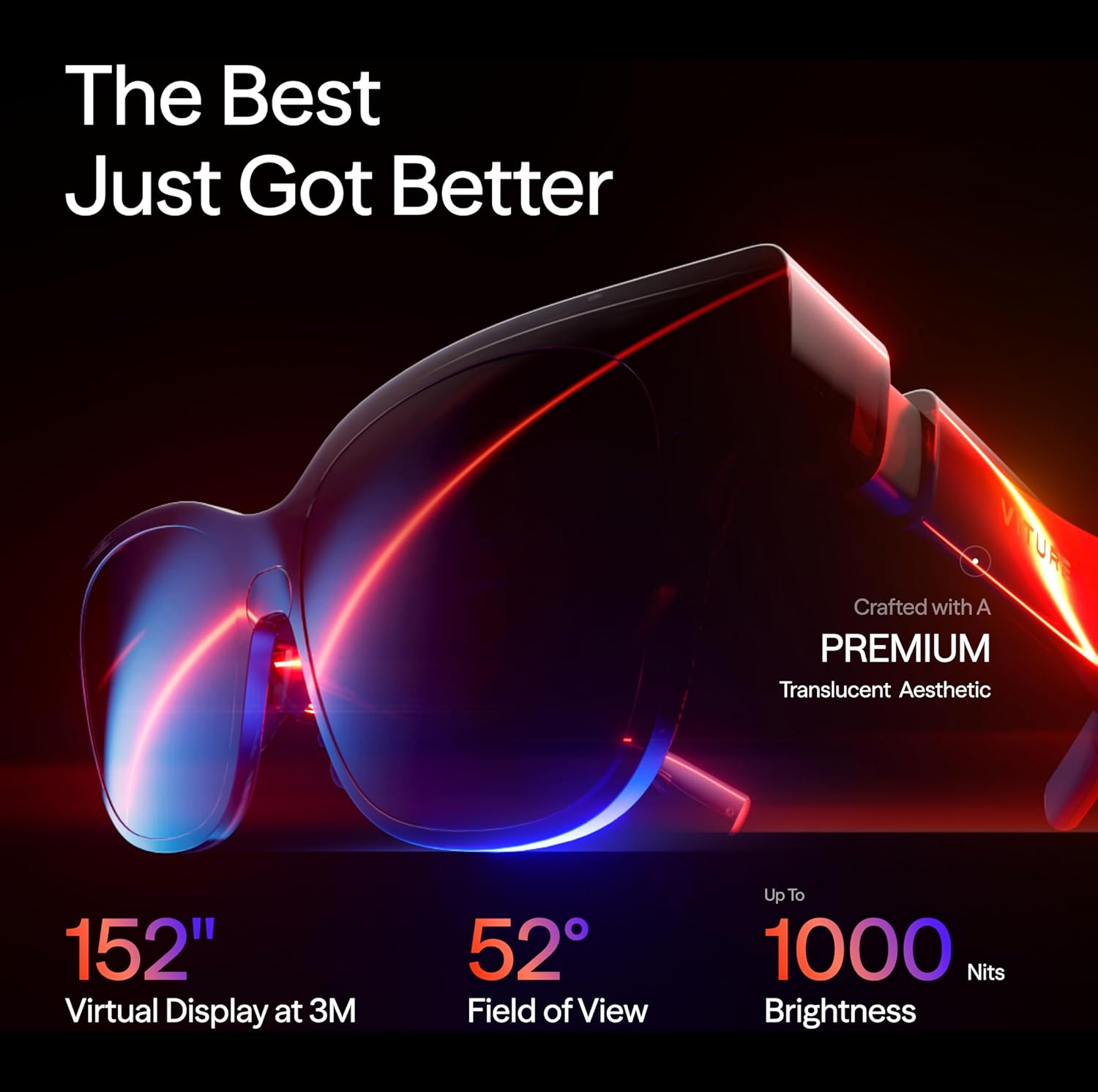
The ecosystem around the best luxury AR glasses now matters as much as the hardware itself. Meta has pushed its latest meta gen smart glasses as lifestyle devices that integrate social features, while xreal focuses its xreal glasses line on cinematic display experiences for travelers and gamers. Viture enters the scene with the viture beast concept, positioning its display glasses as portable big screens for professionals who want a private workspace anywhere.
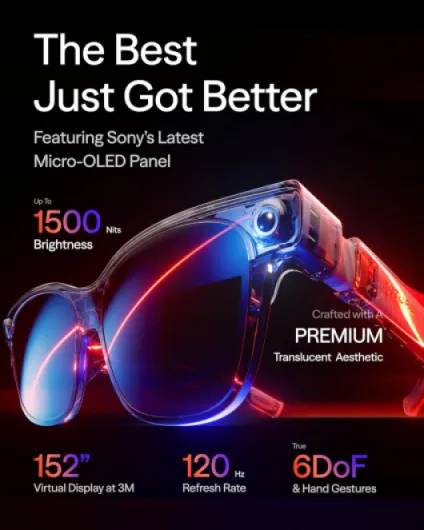
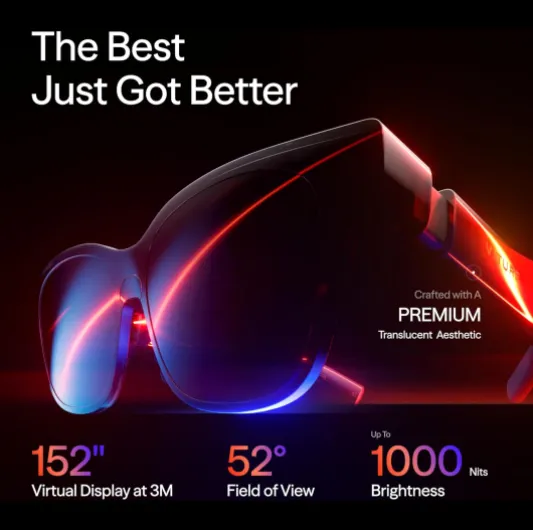
Each ecosystem approaches augmented reality differently, which affects how you buy and use these devices. Meta ray integrations emphasize voice control and seamless sharing, while ban meta collaborations with fashion brands aim to make the frames feel less like gadgets and more like accessories. Xreal pro models, by contrast, prioritize picture quality through micro OLED panels, giving you a crisp virtual screen that rivals premium laptops when paired with compatible devices.
Viture beast glasses target users who want both entertainment and productivity in a compact form factor. Their approach to battery life, cable management, and accessory design shows how seriously they take the pro user who works between airport lounges and hotel suites. If you are already tracking wellness with a high end smart ring, pairing your AR eyewear with a device such as the titanium model reviewed in this smart ring fitness tracker test can create a holistic, data rich luxury tech stack.
Optics, picture quality and micro OLED performance for discerning eyes
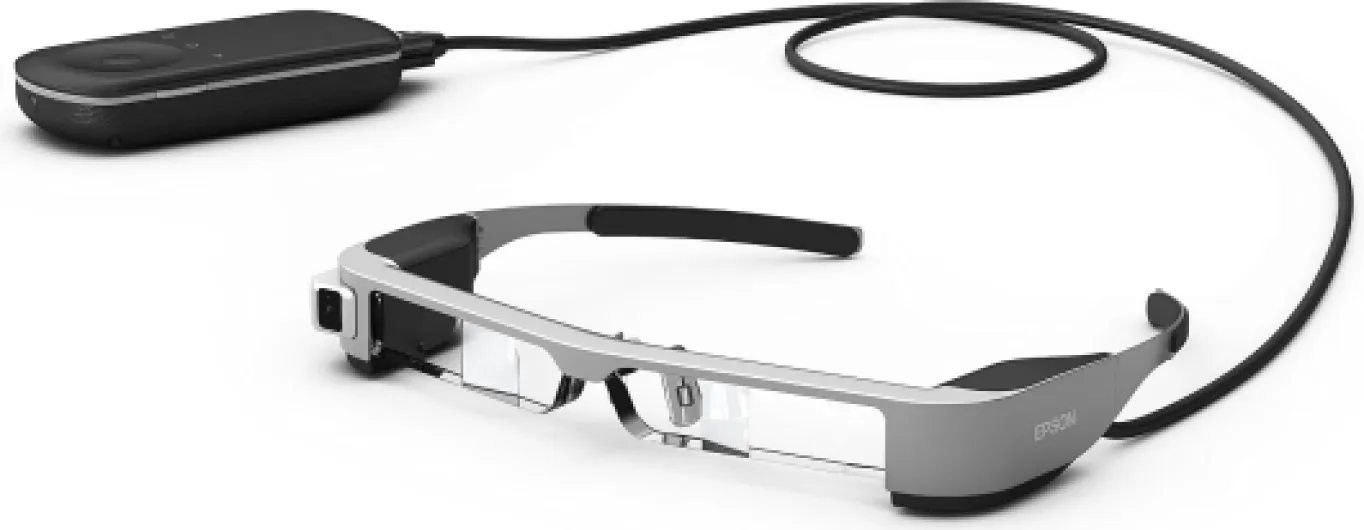
Optical performance is where the best luxury AR glasses must satisfy the most demanding users. Micro OLED technology now enables incredibly dense pixels in tiny panels, giving display glasses a cinema like picture quality at close viewing distances. When evaluating xreal pro or other xreal glasses, look for consistent brightness, minimal color fringing, and lenses that keep the virtual image stable as you move.
Luxury buyers often compare how different smart glasses handle text clarity for documents, charts, and financial dashboards. The best smart eyewear should allow you to read full spreadsheets or presentations without eye strain, even during long sessions on flights or in hotel rooms. A good review will also mention how the lenses cope with reflections, how the display behaves in bright sunlight, and whether the camera alignment affects perceived sharpness in augmented reality overlays.
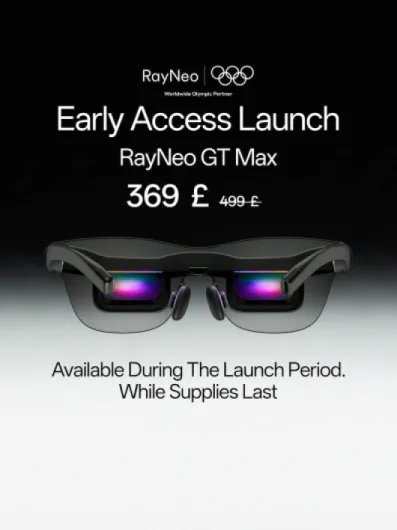
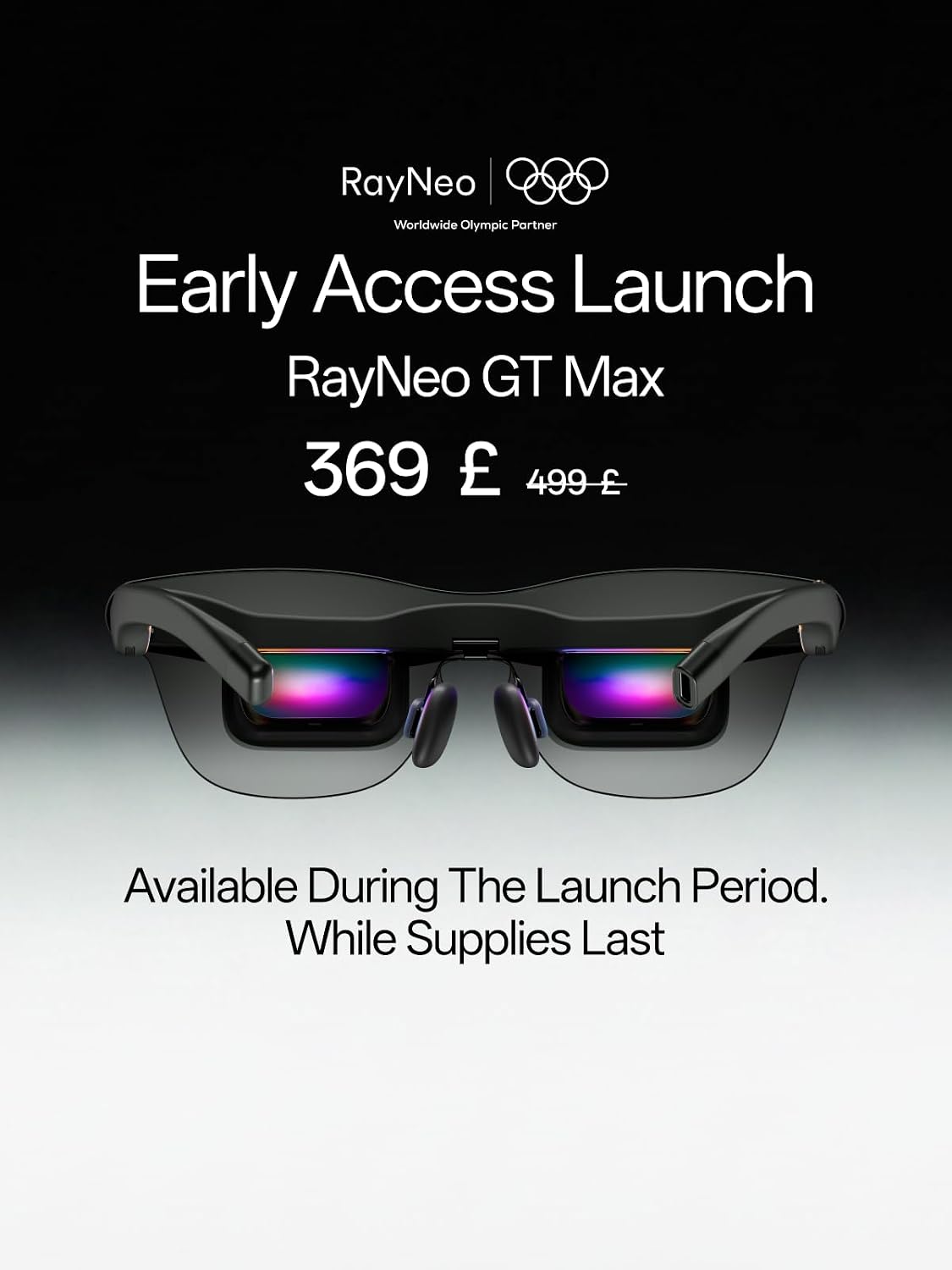
Models such as rayneo air and similar air pro style glasses show how far the category has progressed in balancing optics and comfort. These glasses best serve users who want a large virtual screen without carrying a separate monitor, while still enjoying a battery that supports several films or meetings. For those who prioritize security at home as much as visual fidelity on the go, pairing premium AR eyewear with a sophisticated smart home alarm like the one evaluated in this smart home alarm hub test creates a coherent luxury tech environment.
Battery life, cameras and real world luxury use cases
Battery life remains a decisive factor when choosing the best luxury AR glasses for travel and business. Premium users expect their glasses to last through long meetings, gallery visits, and evening events without constant charging interruptions. Any serious review should state clear figures for typical battery life, standby performance, and how quickly fast charging restores enough power for another session.
Cameras in smart glasses introduce both creative possibilities and privacy responsibilities. Meta smart glasses, for example, integrate a camera that can capture photos and short videos, while indicator lights signal recording to people nearby. Luxury clients often ask whether the camera quality is good enough for social sharing and whether the device respects social norms in private clubs, boutiques, and corporate settings.
Price also plays a nuanced role in this segment, because the best glasses are evaluated not only on cost but on how they enhance daily life. Buyers want to know if paying a premium for a pro model truly improves comfort, display performance, and ecosystem integration over a previous gen device. When you decide to buy, consider how often you will use augmented reality features, how the lenses fit your prescription needs, and whether the overall experience feels like a natural extension of your existing luxury tech collection.
How to choose the glasses best suited to your luxury lifestyle
Selecting the best luxury AR glasses starts with clarifying your primary use cases. If you want a portable cinema, xreal glasses or similar display focused models with micro OLED panels may be the best smart option. For those who prioritize social features and hands free capture, Meta smart glasses with meta gen improvements and refined meta ray integrations might align better with daily habits.
Comfort and fit should come next, because even the most advanced augmented reality features mean little if the glasses feel heavy or unstable. Try different frame shapes inspired by ray ban classics, minimalist designs, or sportier silhouettes to see which complements your facial structure and wardrobe. Pay attention to how the lenses handle your prescription, how the display remains visible in various lighting conditions, and whether the battery life supports your longest days without anxiety.
Finally, evaluate the broader ecosystem and long term support before you buy. Look for brands that provide regular software updates, transparent communication about new gen hardware, and clear trade in or upgrade paths for loyal clients. A thoughtful review that invites you to read full test results, compares price tiers, and explains where each model is the best in its niche will help ensure your next pair of luxury AR glasses feels like an investment rather than an experiment.
Key figures shaping the market for top luxury AR glasses
- According to IDC, global shipments of AR and VR headsets reached several million units recently, with premium AR glasses representing a growing share of revenue as luxury buyers seek high margin, design led devices.
- Market research from Statista indicates that the broader AR market is projected to reach tens of billions of dollars in annual revenue within a few years, driven partly by enterprise adoption and partly by affluent consumers embracing designer smart glasses.
- Surveys from major consulting firms show that a significant percentage of high net worth individuals are willing to pay a substantial premium for wearables that integrate seamlessly with their existing luxury accessories, which directly benefits brands offering best in class AR eyewear.
- Display technology analysts report that micro OLED panel production capacity has increased steadily, enabling thinner and lighter display glasses while maintaining high picture quality and energy efficiency for longer battery life.