Summary
Editor's rating
Value for money: solid, but not cheap for what it is
Design: small, discreet, and very plastic
Durability and software longevity
Performance and reliability: mostly rock solid, with a few horror stories
What the Bosch Smart Home Controller II actually does
Effectiveness as a smart home brain
Pros
- Local control and data stored at home, not fully cloud-dependent
- Simple, user-friendly app with reliable basic automations
- Decent build quality and stable performance once configured
Cons
- Initial setup and updates are slow, and some users report update-related crashes
- Ecosystem is more limited and closed compared to broader smart home platforms
- Price feels high for a mandatory hub that mainly works only with Bosch gear

Specifications
View full product page →| Brand | Bosch Smart Home |
A hub you kind of have to buy if you go Bosch
I’ve been using the Bosch Smart Home Controller II for a while now as the brain of a small Bosch setup (a few thermostats, a plug, a door sensor). If you want to use Bosch Smart Home gear, this box is basically your entry ticket – nothing works without it. So the real question for me wasn’t “do I want a hub?”, it was more “is this hub reliable enough to justify locking myself into Bosch?”
In day-to-day use, the main thing I noticed is that it’s very much focused on local control and data staying at home. You plug it into your router with Ethernet, it talks Zigbee to the devices, and most of the logic runs inside this little white brick. That’s a different approach compared to cheap Wi‑Fi plugs that send everything to some random cloud in who-knows-where.
Setup was a mixed bag. The app is straightforward, pairing devices is easy, but the initial update took ages – closer to 30 minutes just watching a progress bar. That lines up with some Amazon reviews: once it’s done, it’s fine, but you need patience on day one. If you expect to plug it in and be done in five minutes, you’ll be annoyed.
Overall, my first impression was: solid base for a smart home if you care about privacy and stability, but you pay for that with a mandatory hub, a limited device ecosystem compared to some rivals, and an update process that can be slow and, for a few unlucky people, flaky. It’s not perfect, but it feels more serious than the random cheap hubs I’ve tried before.
Value for money: solid, but not cheap for what it is
When you look at the Bosch Smart Home Controller II strictly in terms of hardware, it’s a small plastic hub that talks Zigbee and Ethernet. Compared to smart speakers that also act as hubs or to some cheaper multi-brand Zigbee gateways, it does feel a bit pricey. One Amazon reviewer summed it up well: it does what it’s supposed to do, but considering some smart speakers can play a similar role and offer more customization, the price stings a bit.
Where the value starts to make more sense is if you commit to the Bosch ecosystem and you care about data staying local. You’re paying for a more closed, privacy-friendly approach and the stability that comes with a big brand maintaining the platform. The app is free, the updates keep coming, and the hub can push firmware updates to your Bosch devices automatically. Over a few years, that kind of maintenance has value, even if you don’t see it directly in the hardware.
On the downside, you’re locked in. You can’t really avoid buying this controller if you want Bosch Smart Home gear, and you can’t replace it with a generic hub. So the cost of entry for Bosch is higher than for some other setups where you can run devices on a more open platform. Also, the ecosystem is smaller, so each extra device you buy tends to be on the more expensive side compared to random brands from China.
For me, the value is decent but nothing special. If you’re all-in on Bosch and like the idea of local control, it’s a reasonable price to pay for a stable core. If you just want cheap smart lights and plugs and don’t care where your data goes, there are more flexible and cheaper ways to build a smart home. In that case, this controller is probably overkill for what you get out of it.
Design: small, discreet, and very plastic
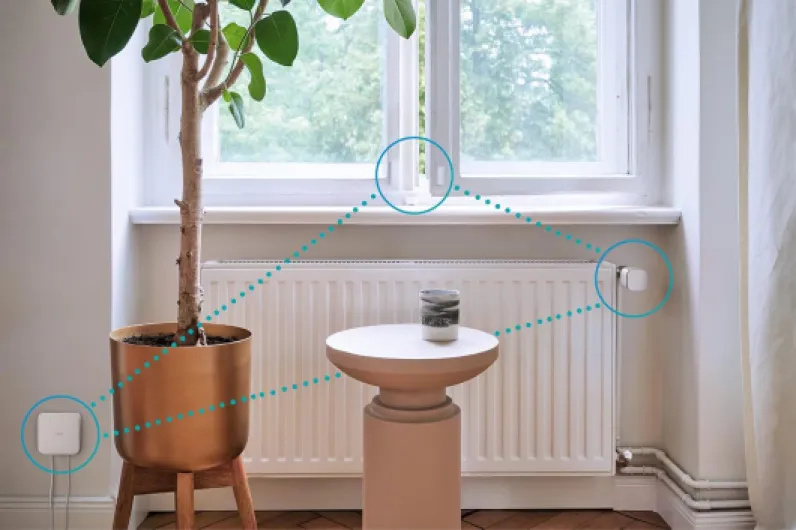
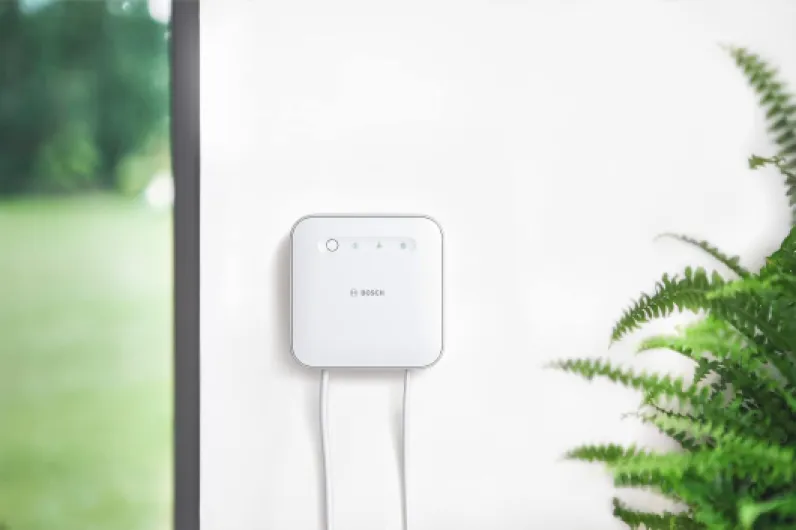
Physically, the Bosch Smart Home Controller II is a small white plastic box. It weighs about 110 grams, so it’s very light, and honestly, it looks like a generic network device you’d hide behind your router. No fancy lighting, no huge logo screaming for attention. For a hub, that’s fine – it’s not something you stare at every day. I just put it next to my router and forgot about it.
The build quality feels decent but not premium. The plastic doesn’t creak, the ports are aligned properly, and the included power supply with EU and UK adapters is handy if you move or buy from another market. Still, it’s clearly a functional device, not a design object. If you’re hoping for a nice-looking box to show off in your living room, this isn’t it. It’s more like the silent IT gear you leave in a corner.
On the front, you’ve got status LEDs that give you basic info (power, network, etc.). They’re bright enough to see but not so bright they light up the room at night, which I appreciated. I’ve had hubs in the past where I had to cover the LED with tape because it was like a tiny flashlight. Here, no such issue. The ventilation is passive; I never noticed it getting more than slightly warm, even during updates.
In terms of layout, there’s a USB-C port for power and the Ethernet port. Everything is straightforward, and the included 1.5 m USB-A to USB-C cable gives you a bit of flexibility to place it away from the wall socket. Overall, the design is discreet and practical. Nothing to get excited about, but also nothing that gets in the way. It looks and feels like what it is: a small, no-nonsense hub meant to sit quietly and do its job.
Durability and software longevity
In terms of physical durability, there isn’t much to stress-test here. It’s a light plastic box that sits in one place, plugged into the router and the wall. I haven’t dropped it or moved it around a lot, but it doesn’t feel fragile. The casing is solid enough, there’s no obvious weak point, and there are no moving parts. As long as you don’t yank the cables around like crazy, it should physically last years.
The more interesting part is software durability. Bosch pushes regular updates to the controller and connected devices. That’s good for security and for adding features over time, but it’s also where some of the reliability complaints come from. In my case, updates generally went through fine, but they are slow. You genuinely need to set aside half an hour on the first day and then accept that, from time to time, the hub will be busy updating and not very responsive.
On the positive side, Bosch is a big brand that tends to support products for a while, and the mention of Matter support suggests they plan to keep this controller relevant as standards evolve. That’s better than some no-name hubs that stop getting updates after a year and become security risks. I’d rather have slow updates than no updates, even if it’s annoying on setup day.
That said, the reports of the hub going offline after updates for some users are a concern. Even if it doesn’t happen to everyone, it shows that the update process still has room for improvement. If Bosch irons that out, the Controller II could be a very stable long-term anchor for a smart home. Right now, I’d call the durability picture “promising but not perfect”: the hardware should last, the software is actively maintained, but the update reliability still feels a bit rough for a product that’s supposed to quietly run your home.
Performance and reliability: mostly rock solid, with a few horror stories
This is where the Controller II matters: does it actually run your smart home without drama? In my setup, the answer has been yes, most of the time. Once the long initial update was done, the hub has been stable. My thermostats react quickly when I change temperature in the app, the smart plug toggles almost instantly, and automations fire reliably. Latency between phone tap and device action is usually under a second on my home Wi‑Fi, which is perfectly fine.
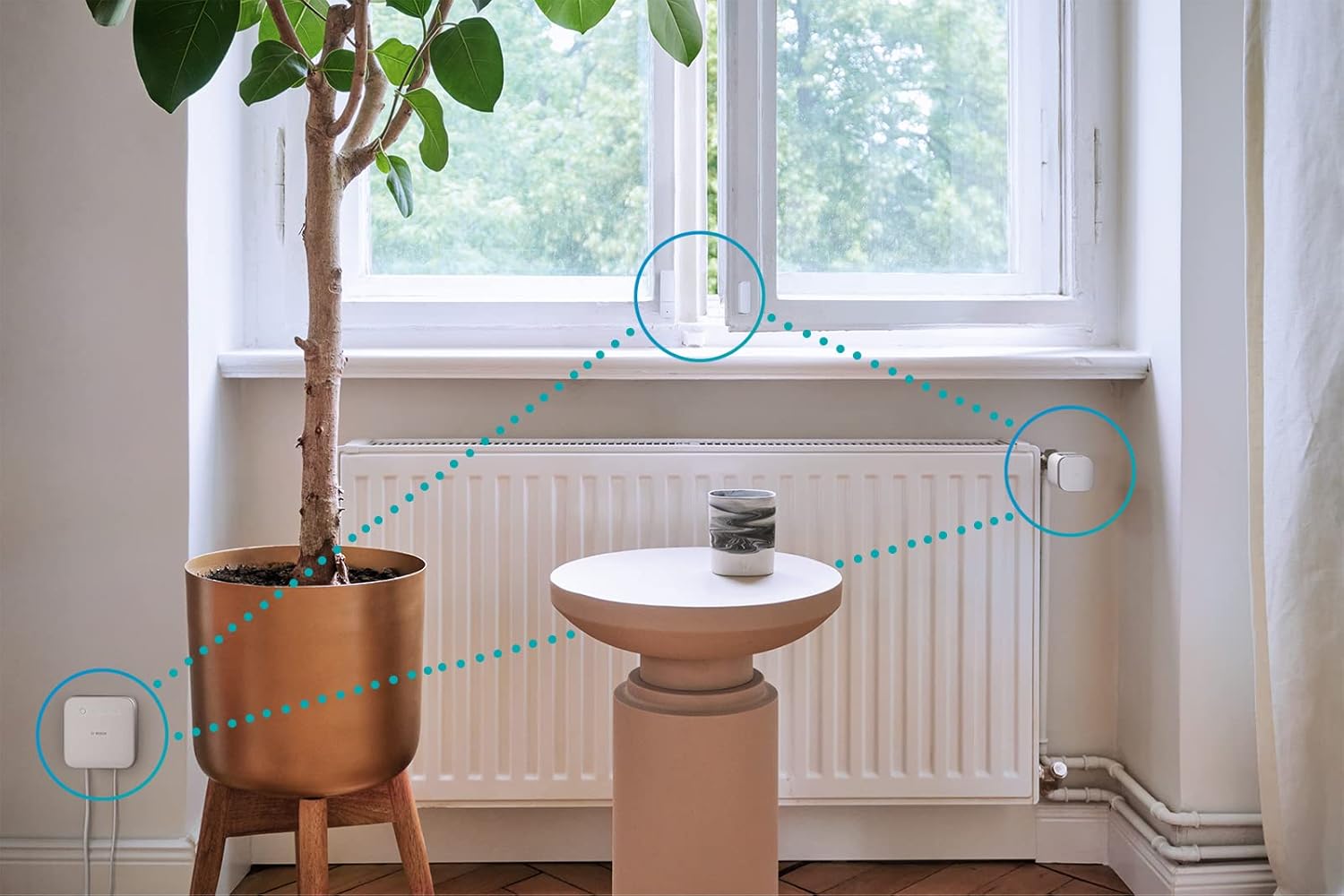
The range is okay. In a medium-sized flat with a couple of solid walls, everything stayed connected. What helps is that Bosch Zigbee devices act as repeaters, so the more you add (like plugs), the stronger the mesh gets. One reviewer mentioned that adding more plugs extended coverage nicely, and I’ve seen the same: after adding a plug in a distant room, the connection to a thermostat there became more stable. If you’re in a big house with thick walls, you’ll probably need a few powered devices to build out the network properly.
Now, the ugly part: some users report mandatory updates that knock the hub offline and require a physical reset. One 1-star review basically described the hub going dead after updates four times in four weeks, only fixable by being there to unplug and reconfigure it. I haven’t had it that bad, but I did have one update that left the hub unresponsive for about 10 minutes, longer than I expected. It eventually came back, but it doesn’t inspire complete confidence if you want something you never have to touch.
Overall, I’d say the performance is pretty solid for most people, especially if you value local control and stable routines. But it clearly depends on how lucky you are with updates and network conditions. If your tolerance for random downtime is zero, those negative reviews are worth keeping in mind. For me, it’s good enough, but I would not rely on it alone for anything mission-critical like a remote holiday home where you can’t go and press the reset button.
What the Bosch Smart Home Controller II actually does
Functionally, this thing is the central control unit for Bosch Smart Home devices. You plug it into power, connect it to your router with the included RJ45 cable, and it becomes the middleman between the app on your phone and all your sensors, thermostats, plugs, etc. It uses Zigbee to talk to devices and is already prepared for Matter, so in theory it should age fairly well as new standards roll out.
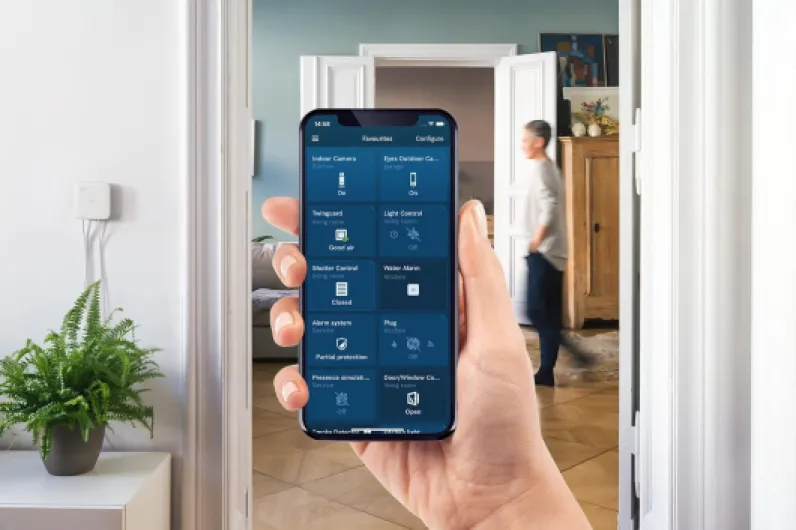
In practice, it works like this: you install the Bosch Smart Home app, scan the QR code on the controller, and let it update. After that, you add devices one by one in the app. For me, pairing a smart plug and some thermostats was very straightforward – each one took maybe a minute. The app guides you step by step, so even if you’re not a tech person, it’s manageable. The downside is the mandatory software updates. The first one took around half an hour, and later updates sometimes kick in when you just want to quickly tweak something.
What I liked is that most of the logic is local. If my internet drops, my heating schedules and automations still run. I’ve had this happen a couple of times; the app on Wi‑Fi still talked to the hub, and my rules triggered as expected. That’s a clear plus over some cloud-only systems I’ve tried, where a short outage means lights or heating don’t react. Bosch also encrypts communication between the controller and the app, which is nice if you care about who sees your data.
On the other hand, you’re stuck with Bosch’s ecosystem plus a few selected partners. Compared to something like a general Zigbee hub tied into Home Assistant or a smart speaker that supports loads of brands, the Bosch world feels a bit closed. If you’re fine staying mostly in the Bosch lane and just want things to work reliably, that’s okay. If you like to mix and match devices from everywhere, this controller can feel limiting and a bit expensive for what it does.
Effectiveness as a smart home brain
In terms of doing its job as a “brain” for the Bosch ecosystem, the Controller II is effective but not mind-blowing. It handles basic tasks well: heating schedules, simple if-then automations, and grouping devices by room or scenario. For example, setting up heating programs for weekdays and weekends was quick, and the thermostats followed the schedule without drifting or random behavior. Motion sensor + plug automation (light on when motion is detected, off after X minutes) also worked without weird delays.
The app is clearly designed for normal people, not hardcore tinkerers. That’s both good and bad. Good because creating routines is straightforward: pick trigger, pick action, done. Bad because if you’re used to very detailed automation platforms (Home Assistant, Node-RED, etc.), you’ll find the options limited. The app doesn’t give you a “gazillion options”, as one reviewer put it, but what’s there is solid. Personally, I prefer this to clunky, overloaded interfaces where you never use half the features.
Where it falls a bit short is ecosystem size and integration. It connects Bosch Smart Home devices and some selected partner gear, and it’s ready for Matter, but right now, if you want to go beyond the Bosch bubble, you hit walls faster than with some other hubs. You can still hook it into voice assistants and some cloud services, but it’s clearly not trying to be a universal hub for every smart thing you own. If your plan is “I want one hub for all my brands”, this might frustrate you.
So, as a focused controller for a mostly Bosch setup, the effectiveness is good: schedules work, automations are easy, and you don’t have to babysit it once it’s configured. As a flexible, do-everything smart home hub, it’s a bit limited. For my use (heating control, a few plugs, some basic security sensors), it gets the job done without drama. If you like tinkering and building very complex rules, you’ll probably outgrow it pretty fast.
Pros
- Local control and data stored at home, not fully cloud-dependent
- Simple, user-friendly app with reliable basic automations
- Decent build quality and stable performance once configured
Cons
- Initial setup and updates are slow, and some users report update-related crashes
- Ecosystem is more limited and closed compared to broader smart home platforms
- Price feels high for a mandatory hub that mainly works only with Bosch gear
Conclusion
Editor's rating
The Bosch Smart Home Controller II is a solid, no-nonsense hub if you’re planning to build your smart home mainly around Bosch devices and you care about local control and data privacy. It does the basics well: reliable communication with thermostats and sensors, simple but effective automations, and a clean app that normal people can understand without a manual. Once the painful first update is over, it mostly disappears into the background and just keeps things running. That’s basically what you want from a hub.
However, it’s not the most flexible or the cheapest option. You’re forced to buy it to use Bosch Smart Home gear, and the device ecosystem is smaller than what you get with some other platforms. A few users have had real issues with updates knocking the hub offline, which you should take seriously if you need rock-solid remote control. For tinkerers who like endless customization and mixing brands, this will feel limited and a bit expensive for what it does.
If you want a privacy-focused, relatively simple smart home setup with a known brand and you’re okay staying mostly in the Bosch world, this controller is a good fit. If you’re starting from scratch and just want the most flexible smart home for the lowest price, I’d look at more open hubs or smart speakers that double as controllers before locking yourself into this one.