Why a z wave smart lock belongs in a luxury residence
A refined residence deserves a Z-Wave smart lock that feels invisible yet reassuring. In high end homes, the right connected deadbolts transform every exterior door into a curated experience, where access feels as considered as the art on the walls. A premium Z-Wave based ecosystem lets you orchestrate each door lock as part of a wider narrative of comfort and security.
Luxury buyers rarely ask only about price; they ask how a product elevates daily rituals and protects privacy. A well specified smart lock or touchscreen deadbolt on the front door should integrate with lighting, climate, and perimeter security, so one gesture controls the entire arrival sequence. When you pair a Z-Wave smart lock with a professional alarm panel, you gain granular control over each entry deadbolt without sacrificing aesthetic harmony or the reliability of a hardwired security backbone.
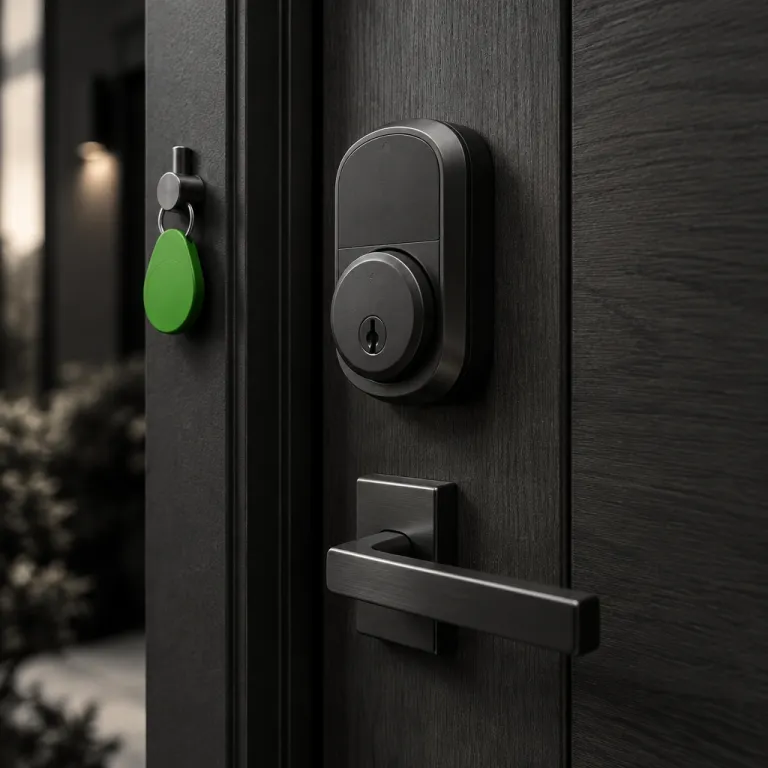
Architects now treat the lock as a design object, not a necessary compromise. Finishes such as satin nickel or black suede allow a smart door lock to echo hardware on interior doors and cabinetry, while Z-Wave connectivity keeps the technology discreet and interoperable with other certified devices. For collectors of luxury tech gadgets, the most desirable smart locks are those that hide their complexity behind a simple keypad or key free façade, while still delivering robust encryption and event logging in the background.
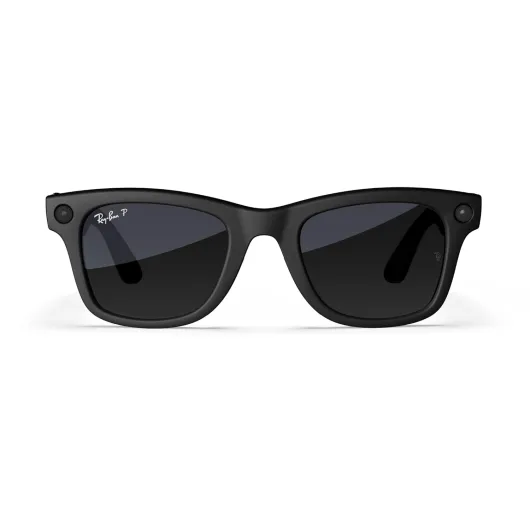
- + Iconic Wayfarer design with a sleek matte black finish
- + 12 MP camera for high-quality still photos
- + Video recording capability for hands-free capture
- + Open-ear speakers allow ambient listening and situational awareness
- + Bluetooth connectivity for easy pairing with phones

Design, finishes, and tactile luxury in connected deadbolts
On a sculpted pivot front door, a standard deadbolt looks almost apologetic. High end Z-Wave smart lock models from brands such as Yale and Schlage offer elongated profiles, refined bezels, and carefully weighted levers that feel appropriate in a gallery like hallway. The best locks combine a generous touchscreen deadbolt surface with subtle illumination that guides the hand without shouting for attention, often using proximity sensors to wake the keypad only when someone approaches.
Finish selection matters as much as the internal security architecture. Satin nickel remains the reference choice for many European inspired villas, because a satin nickel smart lock pairs easily with brushed stainless appliances and architectural lighting. In darker schemes, a deep black or black suede finish on the door lock can echo bronze window frames and smoked glass, while still allowing the keypad digits to remain perfectly legible thanks to high contrast backlighting and etched numerals.
Discerning owners often specify different locks for different façades. A Yale Assure smart lock in satin nickel may suit the main entry, while a Schlage Connect Z-Wave deadbolt in matte black protects a more private courtyard door. When planning structured cabling and network backbones for these systems, many integrators now match premium Ethernet cabling for CCTV and access control, using guidance similar to that in this analysis of choosing the perfect Ethernet cable for CCTV camera luxury installations, so the visual and access layers share the same design discipline.
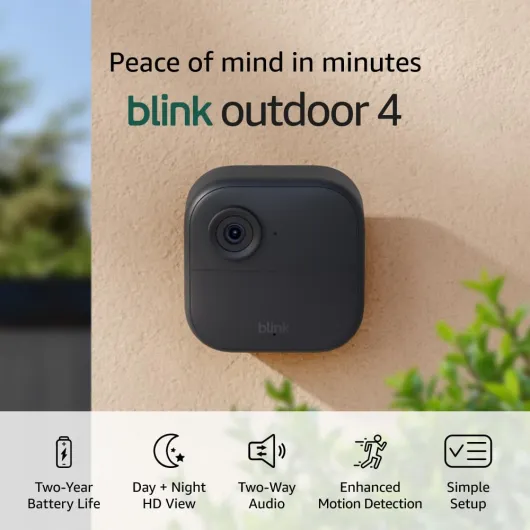
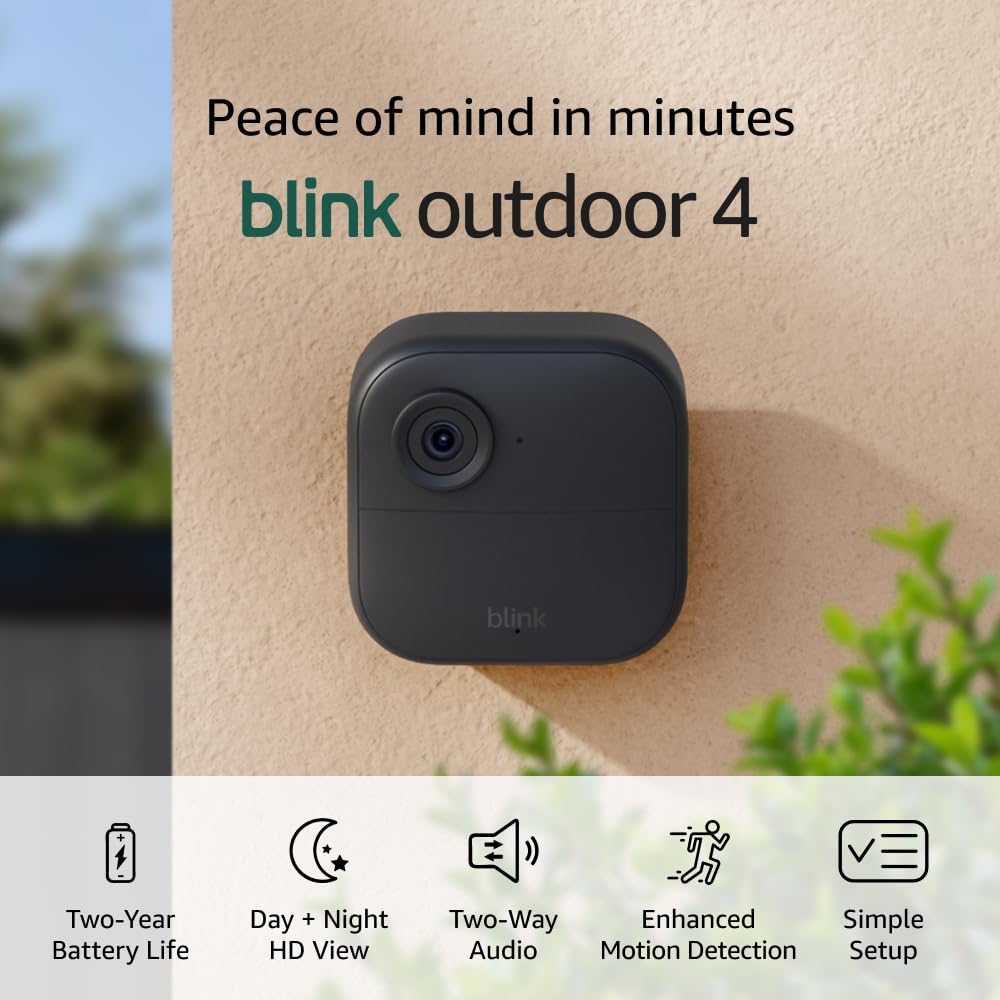
- + Wireless design for flexible installation
- + 2-year battery life reduces maintenance
- + 1080p HD day and infrared night live view
- + Two-way talk for real-time communication
- + Sync Module Core included for simplified setup
Security architecture, access control, and automation finesse
For a luxury estate, the true value of a Z-Wave smart lock lies in its role within a layered security strategy. Each smart lock becomes a node in a mesh of sensors, cameras, and automation scenes that manage access without creating friction for family or staff. When correctly configured, Z-Wave based locks can report every keyless entry event, every auto lock cycle, and every manual override in real time to a central controller or professional monitoring service.
High net worth owners expect more than a simple key free convenience feature. They want to define access control rules that distinguish between family, guests, housekeepers, chefs, and contractors, with each keypad code or virtual key limited by schedule and specific door. A Yale Assure Lock or Schlage Connect Z-Wave deadbolt can support dozens of unique codes, allowing you to assign a dedicated entry deadbolt profile to each trusted person, then revoke it instantly when their role changes, while audit trails document who used which code and when.
Integration with advanced PTZ camera systems and elevated mounting solutions further refines this ecosystem. When a smart lock reports an unlock event, a nearby PTZ camera can automatically frame the door, using strategies similar to those described for elevated PTZ mount solutions for refined smart home elegance. In practice, this means every Z-Wave lock action at the front door or service entrance is paired with visual verification, which significantly strengthens overall security without increasing daily complexity or requiring residents to manage multiple separate apps.
Comparing flagship models for luxury smart home elegance
Among design conscious buyers, three Z-Wave smart lock families dominate conversations. Yale Assure models, Schlage Connect deadbolts, and Ultraloq Bolt series products each interpret luxury access in distinct ways that appeal to different architectural languages. Selecting between these smart locks is less about raw security specifications and more about how each lock complements the home’s character, existing hardware, and chosen smart home hub.
Yale Assure Lock variants excel where minimalism is paramount. Their slim touchscreen deadbolt designs, especially in satin nickel, sit almost flush with the door and pair elegantly with frameless glass or flush panel architecture. For clients who prefer a more assertive hardware statement, Schlage Connect locks offer bolder escutcheons and pronounced keyways, although key free versions are now available for those who want a pure keyless entry aesthetic while still benefiting from Z-Wave Plus range and battery efficiency.
Ultraloq Bolt models appeal to technophiles who value feature density. While not always as visually restrained as a long, slim Yale Assure, an Ultraloq Bolt can combine fingerprint recognition, keypad access, and traditional key backup in a single product. In multi door projects, many integrators mix these locks strategically, using Yale on the primary front door, Schlage Connect on side entries, and Ultraloq Bolt units on internal service doors that still require robust access control but can tolerate a slightly more utilitarian appearance.
Installation nuances, retrofits, and the reality of daily use
Retrofitting a Z-Wave smart lock into a heritage or architect designed door demands more care than a standard suburban upgrade. The existing deadbolt bore, backset, and edge prep must align with the chosen product, and any misalignment can compromise both security and aesthetics. Luxury integrators often template each door lock position in advance, ensuring that the keypad height, handle geometry, and sightlines remain consistent across the façade and that reinforced strike plates are anchored into solid framing.
Daily experience matters as much as technical specifications. Auto lock features should be tuned to the household’s rhythm, so the door does not re engage the deadbolt while someone is unloading luggage or art crates. In practice, this means adjusting auto lock delays, enabling or disabling audible alerts, and deciding when a key free mode is appropriate versus when a physical key backup remains desirable for specific locks, especially on doors that may be used by vendors or occasional guests.
Network planning is another subtle but critical layer. A Z-Wave smart mesh relies on powered nodes and thoughtful placement, especially in large stone or concrete structures where signal attenuation can be severe. For very expansive estates that already use advanced laser PTZ surveillance and robotics, integrators often treat each smart lock as one element in a broader secure perimeter, similar in design philosophy to the systems discussed in this overview of laser PTZ mastery for luxury estates and high end robotics, with repeaters and controllers positioned to maintain reliable encrypted communication.
Evaluating value, pricing, and long term ownership
When evaluating the price of a Z-Wave smart lock for a luxury project, the hardware cost is only one line in a much larger ledger. Professional configuration, integration with alarm and lighting systems, and ongoing maintenance all contribute to the true cost of ownership. For clients accustomed to commissioning bespoke furniture or art, this holistic view of the product feels entirely natural and aligns with how they assess other long term investments in the property.
On mainstream marketplaces such as Amazon, Yale, Schlage, and Ultraloq locks often appear side by side, with aggressive retail price competition and frequent promotional bundles. In the luxury segment, however, the conversation shifts from the cheapest smart lock to the most appropriate smart locks for each specific door and use case. A satin nickel Yale Assure on a primary entry, a black suede Schlage Connect on a secondary door, and a discreet Ultraloq Bolt on a staff entrance may together represent better value than a uniform but less considered specification that ignores traffic patterns and privacy needs.
Long term satisfaction depends on more than free shipping or headline discounts. Firmware support, availability of replacement parts, and the manufacturer’s commitment to security updates all influence whether a lock remains trustworthy over a decade of use. For owners who treat their home as a curated collection of technologies, a well chosen Z-Wave smart lock becomes not just a functional door accessory, but a quiet statement about how they balance access, control, and everyday elegance across the entire estate.
Key figures shaping luxury z wave smart lock adoption
- Industry research consistently shows that a meaningful share of broadband households in the United States now own at least one smart door lock, with adoption rates notably higher in homes valued above one million dollars, where integrated security is often specified from the design phase.
- Analyst reports on professionally installed smart home systems indicate that Z-Wave and Zigbee together power a substantial portion of security focused deployments, with Z-Wave particularly strong in access control devices such as deadbolts and entry locks because of its mature ecosystem and interoperability standards.
- Manufacturer and consumer surveys frequently report that keyless entry and remote access are the two most cited reasons for upgrading to a smart lock, while aesthetic factors such as finish options like satin nickel or matte black rank immediately behind core security features and reliability.
- Sales data from major online retailers shows that connected locks consistently appear among the top revenue generating smart home devices, reflecting strong demand for products that combine physical security with app based control, scene automation, and integration with broader home platforms.
FAQ about luxury z wave smart locks
Are z wave smart locks secure enough for high value properties ?
Well specified Z-Wave smart locks from established brands such as Yale, Schlage, and Ultraloq use hardened deadbolt mechanisms, encrypted wireless communication, and tamper detection, making them suitable for high value properties when combined with professional installation and layered security. Many current models support Z-Wave S2 security, which uses modern AES 128 bit encryption and secure key exchange. The lock should always be integrated with an alarm system and monitored cameras, so any forced entry attempt triggers immediate alerts and visual verification. Physical door construction and strike reinforcement remain just as important as the electronic components.
Can I retrofit a z wave smart lock onto an existing designer door ?
Most premium smart locks are designed to fit standard deadbolt preparations, but many architect designed doors deviate from these norms. A specialist installer can often adapt the existing bore and edge prep or recommend a model such as a Yale Assure Lock or Schlage Connect that best matches the current hardware footprint. In some cases, commissioning a custom door slab with integrated reinforcement provides a cleaner and more secure result, especially when accommodating oversized pulls or concealed closers.
How do finishes like satin nickel or black suede hold up over time ?
High quality finishes such as satin nickel and advanced black coatings are typically tested for corrosion, abrasion, and UV exposure, and they tend to age gracefully when cleaned with non abrasive products. In coastal or high humidity environments, specifying marine grade finishes and scheduling periodic maintenance inspections helps preserve both appearance and function. Matching the lock finish to hinges and handles also reduces the visual impact of minor wear over the years and keeps the overall composition cohesive.
What happens if the smart home network or power fails ?
Most Z-Wave smart locks run on internal batteries and continue to operate mechanically even if the wider network or mains power fails. You can usually unlock the door using the keypad, a physical key, or an emergency power contact, depending on the model. Once the network is restored, the lock resynchronizes event logs and access rules with the central controller, so no one has to re enroll codes or rebuild automation scenes after a brief outage.
Is it better to choose key free models or keep a traditional keyway ?
Key free models offer a cleaner aesthetic and remove the risk of lock picking, which appeals to many luxury homeowners. However, some clients prefer a traditional keyway as a redundant access method, especially in secondary residences where battery maintenance may be less frequent. The optimal choice depends on your risk tolerance, maintenance habits, and how often trusted staff or services need physical access to the property, so many projects mix both approaches across different doors.